What is Zoom Whitening?
Zoom Whitening is a popular and effective teeth whitening procedure offered by dentists. It uses a professional-strength bleaching agent, typically hydrogen peroxide, activated by a special light to accelerate the whitening process. This in-office treatment can significantly brighten your smile in just one appointment, making it a preferred choice for those seeking immediate and noticeable results. Unlike over-the-counter whitening products, Zoom Whitening is administered by trained dental professionals, ensuring safety and optimal outcomes. The procedure is designed to remove stains and discoloration caused by various factors, including aging, genetics, and lifestyle choices such as consuming coffee, tea, or tobacco. It’s a quick, convenient, and safe way to achieve a brighter, more confident smile.
The Science Behind Zoom Whitening
The effectiveness of Zoom Whitening lies in its scientific approach to bleaching teeth. The active ingredient, hydrogen peroxide, penetrates the enamel and dentin, the porous layers of your teeth. Once inside, it breaks down into oxygen molecules. These oxygen molecules then interact with the stain molecules, breaking them down and causing the discoloration to fade. The Zoom light, which is a specific type of LED light, plays a crucial role by accelerating this process. It catalyzes the reaction, making it more efficient and reducing the overall treatment time. This process is carefully controlled by dental professionals to ensure the safety of the tooth structure while achieving maximum whitening results. The concentration of hydrogen peroxide used is higher than that found in home whitening kits, contributing to the faster and more dramatic results of Zoom Whitening.
How Zoom Whitening Works
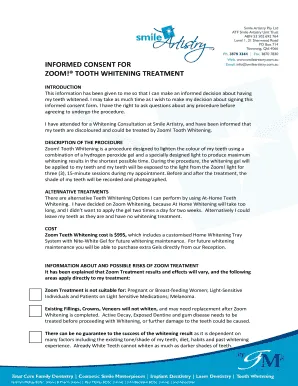
The Zoom Whitening process is a carefully orchestrated series of steps designed for maximum effectiveness and patient comfort. It typically begins with a consultation and dental examination to assess the patient’s oral health and suitability for the procedure. The dentist will then isolate the teeth, protecting the gums and soft tissues with a protective barrier. A high-concentration hydrogen peroxide gel is applied to the teeth, and the Zoom light is positioned to activate the bleaching agent. This process is usually repeated in 15-minute intervals, with the dentist monitoring the progress and the patient’s comfort level. The entire in-office procedure usually takes about an hour and a half, with the results being immediately noticeable. The effectiveness of Zoom Whitening is apparent, often yielding a smile that is several shades whiter in a single session.
Preparing for Your Zoom Whitening Session
Preparing for a Zoom Whitening session involves a few key steps to ensure the best possible results and a comfortable experience. First and foremost, a comprehensive dental examination is crucial to identify and address any existing dental issues, such as cavities or gum disease, which should be treated before whitening. It’s also important to have your teeth professionally cleaned to remove plaque and surface stains. This allows the whitening gel to penetrate the enamel more effectively. Avoid consuming staining foods and drinks, such as coffee, tea, red wine, and dark-colored berries, for a few days leading up to your appointment. This will help maximize the whitening effect. Furthermore, discuss any existing dental work, like fillings or crowns, with your dentist, as these will not whiten with the Zoom treatment. Finally, inform your dentist about any teeth sensitivity or allergies you may have.
Consultation and Dental Exam
The initial consultation and dental exam are vital components of the Zoom Whitening process. During this stage, your dentist will evaluate your oral health to determine if you’re a suitable candidate for the treatment. They will examine your teeth and gums for any existing issues, such as cavities, gum disease, or other dental problems, which may require treatment before proceeding with whitening. The dentist will also discuss your expectations and goals for the procedure, explain the process in detail, and address any questions or concerns you may have. This consultation is the ideal time to disclose any past dental treatments, allergies, or sensitivity issues. The dentist will also assess the shade of your teeth and estimate the number of shades lighter you can expect to achieve. This thorough evaluation ensures a safe and effective whitening experience, setting realistic expectations for your results.
The Whitening Procedure Step-by-Step

The Zoom Whitening procedure is a carefully executed process designed to maximize whitening results while ensuring patient comfort and safety. It begins with the dentist isolating the teeth to be treated. This is done by placing a cheek retractor to keep the mouth open and applying a protective barrier to the gums to prevent irritation from the bleaching agent. Next, the dentist will apply the Zoom whitening gel to the surface of your teeth. This gel contains a high concentration of hydrogen peroxide, the active ingredient that whitens the teeth. After the gel is applied, a special Zoom lamp is used to activate the gel. The lamp emits a specific wavelength of light that enhances the whitening process. This process is typically repeated in 15-minute intervals, and the entire procedure usually takes about an hour and a half to complete. During the session, your dentist will monitor your progress and ensure your comfort.
Application of the Whitening Gel
The application of the Zoom Whitening gel is a critical step in the procedure. The dentist will carefully apply a layer of the high-concentration hydrogen peroxide gel to the surface of each tooth that needs to be whitened. Precision is key during this phase to ensure even coverage and to prevent the gel from coming into contact with the gums or other soft tissues, as it can cause irritation. The dentist will use a special brush or applicator to evenly distribute the gel over the teeth. The gel is designed to adhere to the tooth surface, allowing it to effectively penetrate the enamel and dentin. The dentist will apply the gel in layers, following the manufacturer’s instructions to achieve the best whitening results. This step is essential because it directly affects the whitening outcome. The thickness of the layer and the consistency are critical factors for ensuring that the gel works to its maximum potential.
Activating the Whitening Gel with the Zoom Lamp
The Zoom lamp plays a crucial role in enhancing the whitening process. Once the whitening gel has been applied, the dentist will position the Zoom lamp to focus its light onto the teeth. The lamp emits a specific wavelength of light that activates the hydrogen peroxide in the gel, accelerating the breakdown of stain molecules. This process speeds up the whitening effect, allowing for significant results in a shorter amount of time. The light is carefully calibrated to avoid generating excessive heat, ensuring the patient’s comfort. The dentist will monitor the patient’s sensitivity levels and the progress of the whitening throughout the session. The Zoom lamp is an essential part of the process, as it increases the effectiveness of the whitening agent by catalyzing the reaction and dramatically improving the final outcome. Without the Zoom lamp, the bleaching process would be much less efficient, and the patient would likely experience significantly reduced results.
Post-Whitening Care and Maintenance

Following the Zoom Whitening procedure, proper post-whitening care is essential for maintaining your newly brightened smile and minimizing any potential side effects. It’s recommended to avoid consuming staining foods and drinks for at least 48 hours after the treatment, as your teeth are more susceptible to staining during this period. This includes coffee, tea, red wine, dark sodas, and heavily pigmented foods such as berries and curries. It’s also advisable to quit smoking, as tobacco can quickly stain your teeth. You should also use a gentle, non-abrasive toothpaste and a soft-bristled toothbrush to avoid irritating your teeth. Regular brushing, flossing, and professional dental cleanings are crucial for maintaining your white smile long-term. Your dentist might also recommend at-home whitening touch-up kits to help you maintain your results. By following these guidelines, you can enjoy a dazzling white smile for an extended period.
Avoiding Staining Foods and Drinks
One of the most important aspects of post-whitening care is avoiding staining foods and drinks, especially in the initial 48 hours after the Zoom Whitening treatment. During this time, the enamel of your teeth is more porous and susceptible to absorbing color pigments. Foods and beverages that are known to stain teeth include coffee, tea, red wine, dark sodas, and fruit juices. Additionally, foods with intense colors, such as berries, soy sauce, and curries, should be avoided. If you consume staining substances, your teeth can easily re-stain. It is advisable to rinse your mouth with water after meals or drinks to help minimize the risk of staining. Following these dietary guidelines during this critical period will greatly help you maintain your bright, white smile and ensure that your results last longer.
Maintaining Your Bright Smile Long-Term
Maintaining your bright, white smile long-term requires consistent care and attention. Regular brushing and flossing are essential for removing plaque and preventing the buildup of stains. Using a whitening toothpaste can help to keep your teeth bright, but it is important to choose a toothpaste that is not overly abrasive. Routine dental check-ups and professional cleanings are vital, as your dentist can remove any surface stains and address any potential issues early on. Avoiding or limiting the consumption of staining foods and beverages, such as coffee, tea, red wine, and tobacco, can significantly extend the life of your whitening results. Consider using at-home whitening touch-up kits, as recommended by your dentist. These kits can help you maintain your smile and keep it looking its best for an extended period. Combining these steps will help ensure that your smile stays radiant for years.
Potential Side Effects and Risks

While Zoom Whitening is a safe and effective procedure, it’s important to be aware of potential side effects and risks. The most common side effect is tooth sensitivity, which can range from mild to moderate and usually subsides within a few days after the treatment. Some patients may experience gum irritation or inflammation, which is also temporary. Rarely, there may be uneven whitening or a change in the color of existing fillings or crowns. The dentist will take every precaution to minimize these risks, including using a protective barrier to shield the gums and carefully monitoring the patient’s comfort during the procedure. It’s important to discuss any concerns with your dentist before undergoing the procedure. They can provide you with all the information and guidance needed to manage potential side effects and ensure a comfortable experience. Despite these risks, the benefits of Zoom Whitening often outweigh the potential downsides.
Sensitivity and Discomfort
Tooth sensitivity and discomfort are common side effects following Zoom Whitening. The high concentration of hydrogen peroxide in the whitening gel can temporarily make the teeth more sensitive to temperature changes or pressure. This sensitivity usually subsides within a few days to a week after the procedure. Your dentist may recommend using a toothpaste designed for sensitive teeth before and after the treatment to help minimize discomfort. You should also avoid extremely hot or cold foods and drinks. Over-the-counter pain relievers can be taken to manage any discomfort. If the sensitivity persists or worsens, contact your dentist. They may offer further treatments, such as fluoride application, to help alleviate the symptoms. Careful monitoring and adherence to post-treatment instructions can greatly minimize the impact of this temporary side effect.
Is Zoom Whitening Right for You?
Determining whether Zoom Whitening is the right choice for you depends on your individual oral health, lifestyle, and expectations. The ideal candidates are those with healthy teeth and gums, without significant existing dental work. Individuals seeking a dramatic and rapid improvement in their smile’s brightness are good candidates. Consider your lifestyle; if you frequently consume staining foods or beverages, it may be difficult to maintain the results without consistent touch-ups. It’s important to have realistic expectations about the final outcome, as the whitening effect varies depending on the initial shade of your teeth. Zoom Whitening may not be suitable for individuals with severe tooth sensitivity, gum disease, or extensive dental work. Discuss your dental history, lifestyle, and desired results with your dentist to determine if Zoom Whitening is the appropriate option for you.
Who is a Good Candidate?
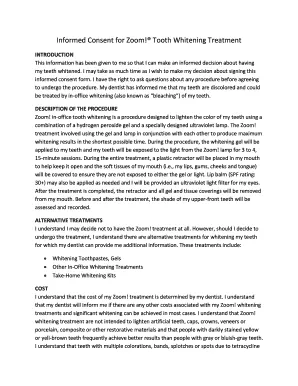
Good candidates for Zoom Whitening are those with relatively healthy teeth and gums who desire a brighter, whiter smile. Individuals with mild to moderate tooth discoloration, caused by aging, genetics, or lifestyle factors, are often excellent candidates. Those who want quick and dramatic results in a single session and are willing to maintain the results through proper oral hygiene and occasional touch-ups are also good candidates. The best candidates will have realistic expectations about the outcome and understand that the whitening effect can vary. People who are free from significant dental issues, such as cavities or advanced gum disease, are usually considered suitable candidates. A thorough dental examination is crucial to assess your oral health and determine if Zoom Whitening is the right solution for you.
Alternatives to Zoom Whitening
Several alternatives to Zoom Whitening are available, offering varying levels of effectiveness and convenience. Over-the-counter whitening products, such as whitening strips, toothpastes, and gels, are an accessible option for those looking for a more gradual approach. However, these products often contain lower concentrations of bleaching agents and may take longer to produce noticeable results. Custom-fitted whitening trays, prescribed by your dentist, offer a more professional approach. They involve using a custom tray to apply a higher-concentration whitening gel at home. This method can provide effective results but typically requires several weeks of consistent use. Porcelain veneers offer an alternative for those with more severe discoloration, damage, or other cosmetic concerns. Veneers provide a durable and lasting solution but require a more invasive procedure. Your dentist will help you decide on the best option.