What is Zoom Whitening Gel
Zoom whitening gel is a professional-grade teeth whitening treatment designed to significantly brighten your smile. It is a popular cosmetic dentistry procedure, typically administered by a dental professional, that uses a powerful bleaching agent to remove stains and discoloration from your teeth. This advanced system, often including a high-intensity light, accelerates the whitening process, delivering dramatic results in a relatively short period. The gel itself contains active ingredients that penetrate the enamel, breaking down staining compounds and leaving your teeth visibly whiter. Many people choose Zoom whitening gel to boost their confidence and achieve a more youthful appearance, as a brighter smile is often associated with improved self-esteem and overall well-being. It is important to consult your dentist to determine if Zoom whitening is appropriate for your specific oral health needs and goals.
How Does Zoom Whitening Gel Work
The effectiveness of Zoom whitening gel lies in a combination of powerful ingredients and a unique activation process. The gel is carefully applied to the surface of the teeth, and then a special light, usually an LED or halogen lamp, is directed at the treated teeth. This light activates the gel, accelerating the whitening process. This process helps the bleaching agents penetrate the enamel and dentin, where they break down the stain molecules that cause discoloration. The entire procedure is typically completed in a single dental visit, making it a convenient option for those seeking rapid and noticeable results. Your dentist will isolate your gums and lips to protect them during the procedure, ensuring that only the teeth are exposed to the whitening gel and the light.
The Active Ingredients in Zoom Whitening Gel
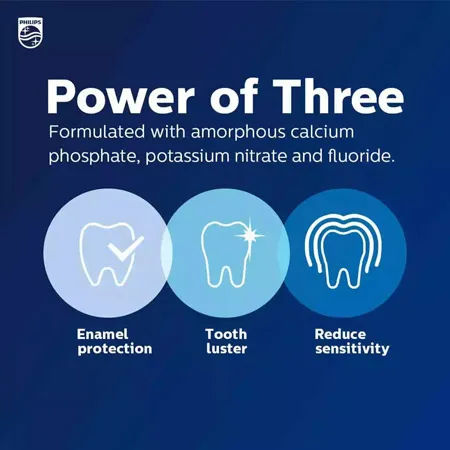
The primary active ingredient in Zoom whitening gel is typically a high concentration of hydrogen peroxide. This chemical compound is a powerful oxidizing agent that effectively breaks down stain molecules within the tooth enamel. The exact concentration of hydrogen peroxide may vary, depending on the specific formulation and the dentist’s assessment of your teeth. Some formulations may also include other ingredients, like potassium nitrate and fluoride, which can help to reduce tooth sensitivity and strengthen the enamel. These additional components work synergistically with the hydrogen peroxide to provide a more comprehensive and comfortable teeth whitening experience. The combination of these ingredients ensures that the whitening process is as effective and gentle as possible, leading to a brighter and healthier smile. (zoom-whitening-gel-ingredients.webp)
The Whitening Process Explained
The Zoom whitening process is designed to be efficient and effective. After an initial consultation and examination, your dentist will prepare your teeth by cleaning them and ensuring that they are free from plaque and tartar. Protective measures, such as isolating the gums and lips with a barrier, are then taken to prevent irritation. The Zoom whitening gel is carefully applied to the surface of your teeth, and the special light is positioned to activate the gel. The light helps to accelerate the bleaching process, allowing the active ingredients to quickly penetrate the enamel and break down the stain molecules. This process is typically repeated in multiple 15-minute sessions, during which your dentist will monitor your progress and adjust the treatment as needed. You’ll likely see noticeable results immediately after the procedure.
Step-by-Step Guide to Using Zoom Whitening Gel
While Zoom whitening is generally a professional procedure, understanding the process can help you feel more comfortable during your appointment. The procedure usually involves the following steps. (zoom-whitening-gel-application.webp)
Preparing Your Teeth

Before the Zoom whitening treatment, your dentist will thoroughly examine your teeth and gums to ensure that you are a suitable candidate. This assessment includes checking for cavities, gum disease, and other oral health issues that might need to be addressed before the whitening process. Your teeth will then be cleaned to remove any surface stains, plaque, or debris. A cheek retractor is used to keep your mouth open, and a protective barrier is applied to your gums and lips to shield them from the whitening gel. This preparation ensures that the whitening treatment is applied effectively and minimizes any potential irritation.
Applying the Gel
Once your teeth are prepped, the dentist will carefully apply the Zoom whitening gel to the surface of your teeth. The gel is applied evenly, ensuring that all visible surfaces are covered. The amount of gel applied and the number of applications will depend on the specific Zoom whitening system being used and the degree of staining. The application is a critical step, as it ensures that the active ingredients in the gel come into direct contact with the tooth enamel, allowing them to effectively break down stain molecules. The dentist will use precise techniques to avoid contact with your gums, which can cause irritation.
The Light Activation Process
After the gel is applied, a special light is used to activate the whitening agents. The Zoom light, typically an LED or halogen lamp, is positioned in front of your teeth. This light emits a specific wavelength of light that reacts with the hydrogen peroxide in the gel, accelerating the whitening process. The light helps to break down the stain molecules more quickly and effectively. This process is usually repeated multiple times in short sessions, often lasting about 15 minutes each. During the light activation, the dentist will monitor your teeth and gums for any signs of sensitivity or irritation. (zoom-whitening-gel-light-activation.webp)
Post-Treatment Care

Following the Zoom whitening treatment, your dentist will provide you with detailed instructions on how to care for your teeth to maintain your brighter smile. You may be advised to avoid certain foods and drinks that can stain your teeth, such as coffee, tea, red wine, and dark-colored sodas, for the first 24-48 hours. Your dentist may also recommend using a desensitizing toothpaste to help minimize any sensitivity. Regular brushing, flossing, and dental check-ups are essential to keep your teeth healthy and maintain your whitening results. The dentist may also offer touch-up treatments or at-home whitening options to prolong the effects of the professional whitening.
Maximizing Your Results
To maximize the benefits of Zoom whitening, it’s important to adopt a comprehensive approach that includes dietary adjustments, good oral hygiene, and consistent dental care. Following these guidelines will help you maintain your bright and healthy smile for a long time to come. A holistic approach combining professional treatments with proper at-home care will extend the life of your whitening results and improve your overall oral health.
Dietary Considerations
What you eat and drink significantly affects the longevity of your whitening results. Immediately after the procedure, it is best to avoid highly pigmented foods and beverages like coffee, tea, red wine, berries, and dark sauces. These foods and drinks contain chromogens, which can stain your teeth. Opt for a ‘white diet’ for the first few days, focusing on foods like white rice, pasta, chicken, and fish. Gradually reintroduce other foods, but remain mindful of their potential to stain. Staying hydrated by drinking plenty of water can also help maintain your brighter smile. Consider using a straw for beverages that might stain your teeth.
Oral Hygiene Practices

Maintaining excellent oral hygiene is crucial to preserving your whitening results. Brush your teeth at least twice a day with a fluoride toothpaste. Floss daily to remove plaque and food particles from between your teeth. Consider using an electric toothbrush for more effective cleaning. Regular dental check-ups and cleanings are equally important, as they can help remove surface stains and prevent the buildup of plaque and tartar. Your dentist might recommend a whitening toothpaste or mouthwash to help maintain the brightness of your smile. Consistent oral hygiene is a key factor in keeping your teeth white and healthy. (zoom-whitening-gel-smile.webp)
Frequency of Treatments
The frequency with which you undergo Zoom whitening treatments depends on your lifestyle, dietary habits, and oral hygiene practices. Typically, touch-up treatments are recommended every six months to a year to maintain your bright smile. Some people may need more frequent treatments if they consume a lot of staining foods or drinks, while others may find that their results last longer. Your dentist can help you determine the optimal frequency of treatments based on your individual needs. Proper at-home care, including the use of whitening toothpaste and mouthwash, can also extend the time between professional treatments.
Potential Side Effects of Zoom Whitening Gel
While Zoom whitening is generally safe, it is important to be aware of potential side effects. These side effects are typically temporary and can be managed with proper care and attention.
Sensitivity
Tooth sensitivity is a common side effect of Zoom whitening. It may occur during or after the treatment. The hydrogen peroxide in the gel can penetrate the enamel, causing the tooth’s nerve endings to become sensitive. This sensitivity is usually temporary, lasting from a few hours to a few days. To manage sensitivity, your dentist may recommend using a desensitizing toothpaste containing potassium nitrate or fluoride. Avoiding extremely hot or cold foods and beverages can also help minimize discomfort. If the sensitivity persists or becomes severe, consult your dentist. (zoom-whitening-gel-sensitivity.webp)
Gum Irritation
Some individuals may experience mild gum irritation after Zoom whitening. This can manifest as redness, swelling, or soreness of the gums. Gum irritation is usually caused by the whitening gel coming into contact with the gum tissues during the procedure. Your dentist will take precautions to protect your gums, but some irritation may still occur. The irritation is generally temporary and subsides within a few days. Rinsing your mouth with warm salt water can help soothe irritated gums. If the irritation is severe or persistent, contact your dentist. They may prescribe a topical medication or adjust your treatment plan. (zoom-whitening-gel-alternatives.webp)
Alternatives to Zoom Whitening Gel
If Zoom whitening is not the right choice for you, or if you’re looking for alternative methods, there are several other teeth whitening options to consider. These alternatives offer varying levels of effectiveness and convenience. (zoom-whitening-gel-alternatives.webp)
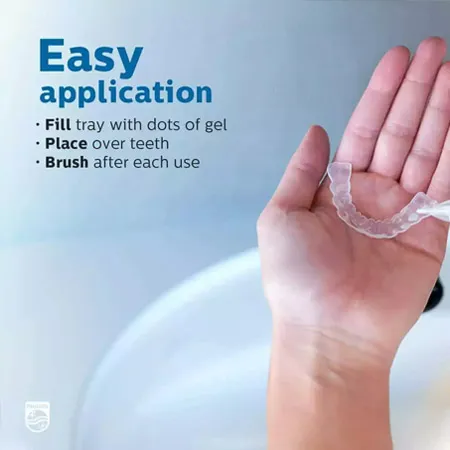
- At-Home Whitening Kits These kits typically include custom-fitted trays and whitening gel. You wear the trays for a specified amount of time each day or night. The results are generally gradual and can take several weeks.
- Over-the-Counter Whitening Products These include whitening toothpaste, strips, and mouthwashes. While they may offer some whitening effects, they often contain lower concentrations of active ingredients than professional treatments.
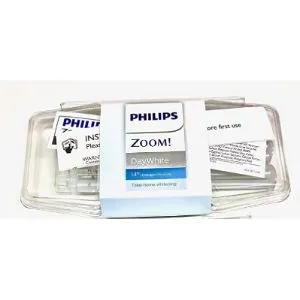
- Professional Take-Home Whitening Your dentist can provide you with a stronger whitening gel and custom-fitted trays for use at home. This option offers a balance between convenience and effectiveness.
- Veneers and Bonding For more severe discoloration or cosmetic concerns, veneers or dental bonding may be considered. These procedures involve covering the teeth with thin shells or composite materials to improve their appearance.
Discuss these options with your dentist to determine the best course of action for your specific dental needs.