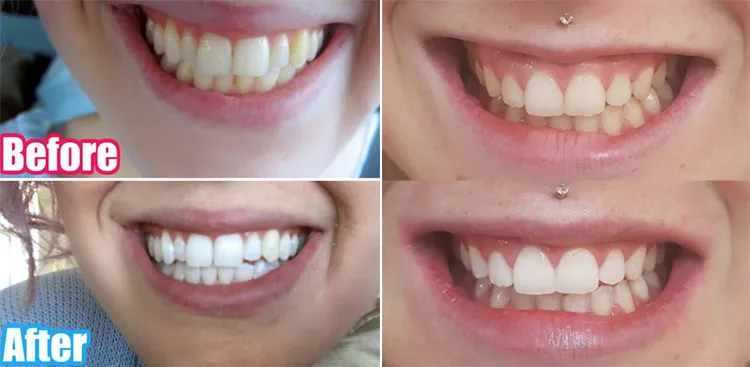
What are Whitening Trays and How They Work
Whitening trays are custom-fitted or pre-fabricated dental appliances used to apply teeth-whitening agents. They are a popular method for achieving a brighter smile at home or under professional guidance. These trays hold the whitening gel in close contact with the teeth, allowing the active ingredients to penetrate the enamel and break down stains. The effectiveness of whitening trays depends on several factors, including the concentration of the whitening agent, the duration of application, and the individual’s tooth structure. Understanding how these trays work is the first step to understanding their impact on sensitive teeth.
The Whitening Process
The whitening process typically involves applying a whitening gel, usually containing hydrogen peroxide or carbamide peroxide, into the tray. The tray is then placed over the teeth for a specified period, as directed by a dentist or the product instructions. The active ingredients in the gel seep into the enamel, reacting with the discolored molecules and breaking them down. This process lightens the teeth, reducing the appearance of stains and discoloration. The duration and frequency of treatment vary depending on the desired results and the concentration of the whitening agent used.
Types of Whitening Trays

There are primarily two types of whitening trays custom-fitted and pre-fabricated. Custom-fitted trays are made by a dentist based on an impression of the patient’s teeth, ensuring a snug fit and optimal gel contact. This type of tray is generally considered more effective and less likely to cause irritation. Pre-fabricated trays, on the other hand, are available over-the-counter and are designed to fit a range of teeth sizes and shapes. While more convenient, they may not provide as precise a fit, potentially leading to uneven whitening and increased sensitivity. Choosing the right type of tray is important for both effectiveness and minimizing side effects.
Fact 1 Whitening Trays and the Sensitivity Connection
Tooth sensitivity is a common side effect of using whitening trays. The whitening agents, primarily hydrogen peroxide or carbamide peroxide, can penetrate the enamel and reach the dentin, which contains nerve endings. This exposure can trigger sensitivity, causing discomfort when consuming hot, cold, sweet, or acidic foods and drinks. The degree of sensitivity varies from person to person, depending on factors such as tooth structure, existing dental conditions, and the concentration of the whitening agent. Knowing that there is potential for sensitivity is key to preparing and managing potential discomfort.
The Role of Peroxide
Peroxide, in its various forms (hydrogen peroxide and carbamide peroxide), is the active ingredient in most whitening gels. Hydrogen peroxide is a stronger oxidizing agent and is often used in higher concentrations in professional treatments. Carbamide peroxide breaks down into hydrogen peroxide, releasing a lower concentration over a longer period. Both substances work by breaking down stain molecules within the tooth enamel. The concentration of peroxide and the duration of its contact with the teeth play a significant role in both whitening effectiveness and the potential for sensitivity.
How Peroxide Causes Sensitivity

Peroxide causes sensitivity by passing through the enamel and reaching the dentin. The dentin contains microscopic tubules that lead to the nerve of the tooth. When the peroxide comes into contact with these tubules, it irritates the nerves, resulting in the sensation of sensitivity. Additionally, peroxide can dehydrate the teeth, further increasing sensitivity. This dehydration can make the teeth more susceptible to external stimuli. The degree of sensitivity depends on the concentration of the peroxide, the duration of exposure, and individual tooth characteristics.
Fact 2 Common Causes of Tooth Sensitivity
Before using whitening trays, it’s important to consider other factors that can cause tooth sensitivity. Pre-existing dental conditions, such as enamel erosion, gum recession, and cracked teeth, can make teeth more sensitive. Additionally, dietary habits, such as frequent consumption of acidic foods and drinks, can contribute to enamel erosion and increase sensitivity. Understanding these factors can help individuals determine if they are at a higher risk of experiencing sensitivity from whitening treatments. Addressing these pre-existing conditions may be necessary before starting whitening treatments to minimize discomfort.
Enamel Erosion and Sensitivity
Enamel erosion, the gradual wearing away of the tooth enamel, exposes the underlying dentin, making teeth more susceptible to sensitivity. This erosion can result from several factors, including excessive brushing, consumption of acidic foods and drinks, and acid reflux. When the enamel is thin or damaged, the dentin tubules become more exposed, allowing stimuli to reach the nerve more easily. Whitening treatments can exacerbate this sensitivity, as the whitening agents can penetrate the enamel and irritate the exposed dentin. People with enamel erosion should approach whitening with extra caution.
Gum Recession and Sensitivity

Gum recession, the shrinking of gum tissue, exposes the roots of the teeth, which are not protected by enamel. Tooth roots are more sensitive than the crown of the tooth because the dentin is closer to the nerve. Several factors, including aggressive brushing, gum disease, and genetics, can cause gum recession. Whitening treatments can increase the sensitivity of exposed tooth roots, as the whitening agents can directly contact the dentin and cause irritation. Individuals with gum recession should consider the potential impact on sensitivity before using whitening trays.
Fact 3 Top Whitening Tray Ingredients and Sensitivity
The concentration of the active ingredients in whitening trays significantly impacts the likelihood and severity of tooth sensitivity. Hydrogen peroxide and carbamide peroxide are the primary whitening agents, but other components in the gel may also affect sensitivity. Some trays may contain additives to help reduce sensitivity, such as potassium nitrate or fluoride. Knowing the ingredients of the whitening gel is important for managing potential side effects. Always read the label and consult with a dentist before using whitening trays, especially if you have a history of tooth sensitivity.
Hydrogen Peroxide Concentration
Hydrogen peroxide is a potent oxidizing agent, and its concentration in whitening gels can vary widely. Higher concentrations typically lead to faster and more dramatic whitening results but also increase the risk of sensitivity. Professional whitening treatments often use higher concentrations than at-home kits. The duration of exposure to the whitening agent also plays a crucial role. Shorter application times and lower concentrations are often recommended to minimize the risk of sensitivity, especially for individuals with a history of sensitive teeth. Careful consideration of the hydrogen peroxide concentration is crucial for managing sensitivity.
Carbamide Peroxide

Carbamide peroxide is another whitening agent that breaks down into hydrogen peroxide over time. It is commonly used in at-home whitening kits because it releases a lower concentration of hydrogen peroxide over a longer period, potentially reducing sensitivity. The concentration of carbamide peroxide is often expressed as a percentage, with higher percentages indicating a greater whitening effect. However, as with hydrogen peroxide, higher concentrations of carbamide peroxide can increase the likelihood of sensitivity. Choosing a product with a lower concentration of carbamide peroxide, or using it for shorter durations, can help minimize sensitivity.
Fact 4 Managing Sensitivity After Whitening Trays
If you experience tooth sensitivity after using whitening trays, there are several strategies to manage and alleviate discomfort. Over-the-counter and professional treatments are available, and some lifestyle adjustments can help reduce the impact of sensitivity. It’s important to note that sensitivity typically subsides within a few days or weeks after discontinuing or reducing the frequency of whitening treatments. Consulting your dentist is crucial for personalized recommendations based on your specific needs.
Desensitizing Toothpaste
Desensitizing toothpaste contains ingredients like potassium nitrate or strontium chloride that help block the dentin tubules, reducing nerve stimulation and sensitivity. Using this type of toothpaste for a few weeks before, during, and after whitening treatments can significantly decrease sensitivity. It is important to use desensitizing toothpaste regularly and follow the directions on the packaging. Many people find that using desensitizing toothpaste is enough to manage any sensitivity they experience from whitening trays. It is easily accessible and often effective for mild to moderate sensitivity.
Fluoride Treatments

Fluoride strengthens tooth enamel, making it more resistant to acid and reducing sensitivity. A dentist can provide professional fluoride treatments, such as fluoride varnishes or gels, which can help remineralize the enamel and reduce sensitivity. These treatments can be especially beneficial after whitening, as the enamel may be temporarily more porous. Using a fluoride-containing toothpaste can also provide additional protection. Fluoride treatments are often a valuable part of managing tooth sensitivity and are widely used in dental practices.
Fact 5 Preventing Sensitivity in the First Place
Taking preventive measures can minimize the risk of developing tooth sensitivity from whitening trays. This involves careful planning, consultation with a dentist, and following the directions provided with the whitening product. Being proactive can help you achieve a brighter smile with minimal discomfort. It is important to consider your individual circumstances and dental health before starting a whitening treatment. Prevention is always easier than cure, especially regarding tooth sensitivity.
Consulting Your Dentist
Before starting any whitening treatment, it’s crucial to consult with your dentist. A dentist can assess your oral health, identify any pre-existing conditions that might increase the risk of sensitivity, and recommend a whitening plan that suits your individual needs. They can also advise on the appropriate concentration of whitening agent, the duration of treatment, and the best methods to manage any potential sensitivity. A professional consultation helps you make informed decisions and minimize the risk of complications, such as heightened sensitivity or uneven whitening.
Tray Application Technique

Proper application of whitening trays is essential to minimize the risk of sensitivity. Be sure to use the correct amount of whitening gel, as using too much can lead to the gel leaking onto the gums and causing irritation. Ensure that the tray fits your teeth snugly to prevent the gel from escaping and potentially causing uneven whitening or sensitivity. Follow the instructions provided with your whitening kit carefully. If you have sensitive teeth, it’s often better to start with shorter treatment times and gradually increase the duration as tolerated. Maintaining a good application technique is one of the best methods of preventing sensitivity.
Conclusion
Whitening trays are an effective way to brighten your smile, but they can cause tooth sensitivity in some individuals. Understanding the causes of sensitivity, the role of whitening agents, and the preventive measures you can take is crucial. By consulting your dentist, choosing the right whitening product, and following the recommended application techniques, you can minimize the risk of sensitivity and achieve a brighter, more confident smile. Remember to manage any sensitivity promptly and seek professional advice when needed. With the right approach, you can safely and effectively whiten your teeth and improve your overall dental health.