
What are Whitening Trays?
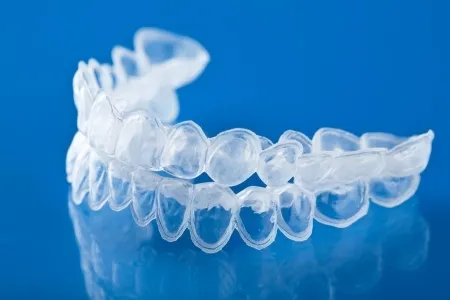
Whitening trays are custom-fitted or pre-made dental appliances designed to hold a bleaching agent against the surface of your teeth. These trays are a popular and effective method for teeth whitening, allowing individuals to achieve a brighter smile in the comfort of their own homes. The trays work by facilitating prolonged contact between the whitening agent and the enamel, breaking down stains and discoloration that accumulate over time. The effectiveness of whitening trays depends on several factors, including the type of tray used, the concentration of the bleaching agent, and how consistently the trays are worn. Understanding the different types of trays and how they work is crucial for achieving the desired results and maintaining optimal oral health. Using whitening trays is a common procedure, but it’s essential to approach it with knowledge and care, ensuring both aesthetic enhancement and the well-being of your teeth.
Types of Whitening Trays
There are primarily two types of whitening trays available custom-made and over-the-counter (OTC). Each type offers a different approach to teeth whitening and caters to varying needs and preferences. Custom-made trays are created by a dentist based on an impression of your teeth, ensuring a perfect fit that maximizes contact between the whitening agent and the tooth surface. OTC trays, on the other hand, are pre-fabricated and come in a variety of sizes. Although they may be more convenient and less expensive upfront, they may not provide as precise a fit, potentially leading to uneven whitening or irritation. Choosing the right type of tray depends on your individual needs, the degree of whitening desired, and your budget. Consulting with a dental professional is recommended to determine the best option for achieving your whitening goals safely and effectively. Regardless of the type, proper use is vital to achieve optimal results and avoid potential complications.
Custom-Made Whitening Trays

Custom-made whitening trays are considered the gold standard for at-home teeth whitening. These trays are designed by a dentist, who takes an impression of your teeth to create a tray that perfectly fits your unique dental structure. This ensures that the whitening agent, usually a peroxide-based gel, makes even contact with all tooth surfaces. The precision of custom trays minimizes the risk of the bleaching agent leaking onto the gums, reducing the likelihood of irritation. They also provide a more comfortable fit, making them easier to wear for the recommended duration. Because they are tailored to your mouth, custom trays tend to deliver more consistent and effective results. The process involves a visit to the dentist for impressions, followed by a waiting period for the trays to be fabricated. They are definitely an investment, but their superior fit and efficacy make them a popular choice for those seeking professional-grade teeth whitening from the comfort of their home.
Over-the-Counter Whitening Trays
Over-the-counter (OTC) whitening trays offer a convenient and often more affordable alternative to custom-made trays. These trays are pre-formed and can be purchased at drugstores or online without a prescription. OTC trays typically come in a universal size or a range of sizes, which means they may not fit as precisely as custom trays. This can lead to inconsistent whitening results, as the bleaching agent might not reach all tooth surfaces evenly. The concentration of the whitening agent in OTC products is usually lower than that used by dentists, meaning it may take longer to see visible results. However, OTC trays can be a good option for those with mild discoloration or who are on a budget. It is important to follow the instructions carefully and be aware of potential risks, such as gum irritation, particularly if the tray does not fit well. While OTC trays can be effective, managing expectations and being patient is essential to achieve satisfactory results.
Understanding Whitening Agents and Concentrations
The effectiveness of teeth whitening is largely determined by the bleaching agent used and its concentration. The most common whitening agents are hydrogen peroxide and carbamide peroxide. Hydrogen peroxide is the active ingredient in many whitening products, directly breaking down stain molecules on the teeth. Carbamide peroxide is a derivative of hydrogen peroxide; when it comes into contact with water, it converts into hydrogen peroxide. The concentration of these agents significantly affects the whitening process. Higher concentrations generally yield faster results, but they also increase the risk of tooth sensitivity and gum irritation. Professional whitening treatments performed by dentists often use higher concentrations of peroxide, providing quicker and more dramatic whitening. OTC products typically contain lower concentrations, requiring longer wear times and treatment durations to achieve similar results. Understanding these aspects is important for setting realistic expectations and choosing a whitening method appropriate for your specific needs and tolerance levels.
The Role of Carbamide Peroxide
Carbamide peroxide plays a significant role in teeth whitening, functioning as a precursor to hydrogen peroxide. When carbamide peroxide comes into contact with water or saliva, it decomposes into hydrogen peroxide and urea. This conversion process allows the whitening agent to release active bleaching compounds over a longer period. Products containing carbamide peroxide are often used in at-home whitening systems due to their slower release of hydrogen peroxide. This slow release can lead to less sensitivity compared to products with higher concentrations of hydrogen peroxide. The presence of urea also acts as a buffering agent, which helps to stabilize the pH levels in the mouth. This can help to minimize the risk of tooth sensitivity and gum irritation. Carbamide peroxide is often available in various concentrations. Choosing the right concentration depends on the individual’s needs and the advice of a dental professional. It is a reliable ingredient in many whitening products, making it a popular option for achieving a brighter smile over time.
The Role of Hydrogen Peroxide
Hydrogen peroxide is the active bleaching agent in many teeth whitening products, breaking down the stain molecules within the enamel of the teeth. It is a powerful oxidizing agent that penetrates the tooth structure and oxidizes the stain compounds, effectively lightening the color of the teeth. The concentration of hydrogen peroxide in a whitening product directly affects its potency and speed. Higher concentrations typically provide faster results but also increase the potential for side effects such as tooth sensitivity and gum irritation. Professional teeth whitening treatments performed by dentists often use higher concentrations of hydrogen peroxide to achieve dramatic results in a shorter period. At-home whitening products generally contain lower concentrations of hydrogen peroxide to reduce the risk of sensitivity and allow for safe and effective use. Understanding the role of hydrogen peroxide and its concentration is important for making informed decisions about teeth whitening methods and managing potential side effects.
Factors Influencing Whitening Tray Wear Time
The duration for which you should wear whitening trays is influenced by multiple factors. These include the type of tray, the concentration of the whitening agent, the severity of the tooth discoloration, and your desired level of whiteness. Custom trays, designed to fit precisely, often allow for more controlled and effective bleaching, potentially requiring shorter wear times than OTC trays. The concentration of the bleaching agent is another critical factor; higher concentrations may require shorter wear times, while lower concentrations may necessitate longer periods. The severity of the existing stains and the degree of whitening you want also play significant roles in determining wear time. Following the instructions provided by your dentist or the product manufacturer is essential. Regular monitoring of your progress and consulting with your dentist can help adjust the wear time as needed to achieve the best results while minimizing potential side effects.
Tooth Sensitivity and Wear Time

Tooth sensitivity is a common side effect of teeth whitening, and the wear time of your whitening trays can significantly affect its severity. The longer you wear the trays, and the higher the concentration of the bleaching agent, the greater the chance of experiencing sensitivity. This sensitivity occurs because the whitening agents can penetrate the enamel and irritate the nerves in the teeth. If you start experiencing tooth sensitivity, it is important to adjust your wear time or reduce the frequency of your whitening treatments. Using desensitizing toothpaste containing potassium nitrate can help alleviate the sensitivity. Consulting with your dentist is also recommended, as they can provide guidance on managing sensitivity and adjusting your whitening routine accordingly. Proper management of wear time can help achieve a brighter smile while minimizing discomfort, ensuring a more pleasant whitening experience.
Severity of Tooth Discoloration and Wear Time
The degree of tooth discoloration you have will influence how long you need to wear whitening trays to achieve your desired results. Teeth with more severe stains or deeper discoloration will generally require a longer wear time. This is because it takes more time for the whitening agent to break down the accumulated stains and lighten the teeth. For mild discoloration, you might see noticeable results within a shorter period, possibly even within a few days or weeks of using whitening trays as directed. However, for more significant discoloration, such as that caused by aging, certain medications, or genetics, it could take several weeks or even months of consistent use to achieve the desired shade of whiteness. Understanding your level of discoloration is important for setting realistic expectations and planning your whitening treatment effectively. Your dentist can help assess the severity of your stains and provide a more tailored recommendation for the appropriate wear time to meet your whitening goals.
Desired Shade of Whiteness and Wear Time
The shade of whiteness you wish to achieve will also affect how long you need to wear your whitening trays. If you are aiming for a subtle brightening, you might need a shorter wear time compared to someone wanting a dramatically whiter smile. The whitening agent’s concentration and the type of tray used also influence the final outcome. Higher concentrations often lead to faster and more significant whitening, but they also increase the risk of sensitivity. It’s important to communicate your whitening goals to your dentist. They can help determine the most appropriate wear time and recommend a treatment plan to achieve your desired results safely. Remember that over-whitening can cause tooth sensitivity and an unnatural appearance. Balancing the desire for a brighter smile with the need for oral health is essential for a successful and satisfying whitening experience.
Guidance on Wear Time

The recommended wear time for whitening trays varies depending on the type of tray, the concentration of the bleaching agent, and the specific product instructions. Following these guidelines is essential to achieve optimal results and minimize potential risks. Custom trays, often used with higher-concentration gels, might only require wearing the trays for 30 minutes to a few hours per day or even overnight, according to your dentist’s instructions. Over-the-counter trays, which typically have lower concentrations, might require wearing the trays for 30 minutes to several hours daily or sometimes for up to a couple of weeks, as instructed by the product’s guidelines. Always read and adhere to the instructions provided with your whitening kit, and consult your dentist if you have any questions or concerns. It is best to begin with shorter wear times and gradually increase them as advised. Regular monitoring and adjustments by your dentist can ensure that you achieve your desired results safely and effectively.
Typical Wear Time for Custom Trays
Custom-made whitening trays, designed by a dental professional, typically offer a more tailored whitening experience. The wear time with custom trays depends on the concentration of the bleaching agent used, and the dentist’s specific recommendations. Custom trays, in combination with a higher concentration of the bleaching agent, may only need to be worn for 30 minutes to a few hours per day. Some dentists may recommend overnight wear, depending on the patient’s needs and tolerance levels. It is essential to follow your dentist’s instructions meticulously. This will help to achieve the desired results while minimizing the risk of tooth sensitivity or gum irritation. Regular check-ups with your dentist during the whitening process allow for any necessary adjustments. These adjustments ensure that the treatment remains effective and safe. Adhering to the prescribed wear time is a critical factor in successfully brightening your smile with custom trays.
Typical Wear Time for Over-the-Counter Trays
Over-the-counter (OTC) whitening trays are generally used with lower concentrations of the bleaching agent. The typical wear time for OTC trays is usually longer than that for custom trays. Product instructions recommend wearing the trays from 30 minutes to several hours per day. Some products may require wearing the trays daily for several weeks to achieve visible results. It’s important to carefully read and follow the instructions provided with your chosen OTC product. This will ensure both the effectiveness of the whitening process and your safety. Because OTC trays may not fit perfectly, it’s especially important to monitor your teeth and gums for any signs of irritation or sensitivity. If you experience any discomfort, discontinue use and consult with a dental professional. Patience is key with OTC trays, and it may take several weeks to see significant whitening results.
Best Practices for Whitening Tray Usage

Following best practices when using whitening trays will ensure effective results while minimizing potential risks. Always consult with your dentist before starting any whitening treatment. This allows for a proper assessment of your oral health and a tailored recommendation. Ensure that your teeth are thoroughly cleaned before applying the trays. Brush and floss your teeth to remove plaque and food particles, allowing the whitening agent to make direct contact with the tooth surfaces. Apply the appropriate amount of whitening gel to the trays as directed by the product instructions. Avoid overfilling the trays, as this can cause the gel to spill onto your gums, leading to irritation. Wear the trays for the recommended duration and monitor your teeth and gums for any signs of sensitivity or discomfort. If you experience any issues, adjust the wear time or consult with your dentist. Consistency is also key, so try to whiten your teeth at the same time each day. Avoid consuming foods and drinks that can stain teeth during the whitening process, such as coffee, tea, and red wine. Following these best practices will help you achieve a brighter, healthier smile.
Preparing Your Teeth Before Whitening
Proper preparation of your teeth before using whitening trays is vital for maximizing the effectiveness of the treatment and minimizing potential side effects. Before each whitening session, brush your teeth thoroughly to remove any surface debris, plaque, and food particles. Flossing is also essential to remove any particles from between your teeth. This is especially important because the whitening agent needs to come into direct contact with the tooth surfaces. Rinsing your mouth with water can further ensure that your teeth are clean and prepared for the whitening treatment. Avoid using toothpaste that contains abrasives, which can temporarily increase tooth sensitivity before whitening. Consult with your dentist to ensure your teeth are healthy and free from any cavities or gum disease before beginning the whitening process. If your teeth are sensitive, you may want to use a desensitizing toothpaste for a couple of weeks before starting your whitening regimen. Proper preparation creates an ideal environment for the whitening agent to work effectively, leading to better results.
Proper Tray Application and Removal
Applying and removing whitening trays correctly is essential for a safe and effective whitening experience. Before applying the trays, make sure your teeth are clean and dry. Apply the correct amount of whitening gel to the tray. Avoid overfilling, as this can cause the gel to leak and irritate your gums. Carefully insert the tray into your mouth, ensuring that it fits snugly around your teeth. If you have custom trays, they should fit without any gaps or pressure. If you use OTC trays, check for a comfortable fit and try to remove any air bubbles that might be present. Wear the trays for the time recommended by your dentist or the product instructions. Upon removal, gently take the tray out of your mouth. Rinse your mouth thoroughly with water to remove any remaining gel. Clean the trays immediately after use. This will help prevent any gel residue and maintain the trays. Following these steps will help you maximize the effectiveness of your whitening treatment and minimize potential side effects, promoting a healthy and brighter smile.
Maintaining Oral Hygiene During Whitening

Maintaining excellent oral hygiene is crucial during teeth whitening to protect your teeth and gums and enhance the whitening process. Continue to brush your teeth twice daily. Use a soft-bristled toothbrush and a fluoride toothpaste. Floss daily to remove any plaque and food particles from between your teeth, where your toothbrush cannot reach. This will help prevent the buildup of bacteria, which can compromise your oral health and possibly impact the whitening results. Avoid using abrasive toothpastes during the whitening process, as they may increase tooth sensitivity. Consider using a desensitizing toothpaste to alleviate any potential sensitivity. Rinsing your mouth with an alcohol-free mouthwash can also help to further reduce bacteria and keep your mouth clean. Regular dental check-ups and professional cleanings are also important to maintain your overall oral health and ensure that your whitening treatment is effective and safe. Maintaining diligent oral hygiene habits will support a healthy mouth and contribute to a brighter, more confident smile.
Potential Side Effects and How to Manage Them
While teeth whitening is generally a safe procedure, there are potential side effects that users should be aware of. The most common side effects are tooth sensitivity and gum irritation. Tooth sensitivity can manifest as a sharp, temporary pain when consuming hot or cold foods and drinks. Gum irritation may result in redness, swelling, and soreness. These side effects are usually mild and temporary. Several strategies can help manage these side effects. If you experience tooth sensitivity, using a desensitizing toothpaste containing potassium nitrate can help block the pain signals. Reduce your wear time or frequency of whitening. Using fluoride treatments, either from your dentist or over-the-counter, can also help strengthen the enamel and reduce sensitivity. For gum irritation, make sure the trays fit properly and don’t cause the gel to leak. Gently rinse your mouth with lukewarm water or a mild saltwater solution to soothe the gums. If the side effects persist or worsen, consult with your dentist for further guidance and advice. Managing the side effects can help make your whitening experience more comfortable and successful.
Sensitivity Management Techniques
Managing tooth sensitivity is a key aspect of a successful teeth whitening journey. If you experience tooth sensitivity, there are several techniques you can use to reduce discomfort. The most important is to reduce the wear time. Reduce the frequency of your whitening treatments. Using a desensitizing toothpaste containing potassium nitrate or stannous fluoride for at least two weeks before starting your whitening treatment can significantly reduce sensitivity. These toothpastes help block the nerve endings in the teeth. During the whitening process, continue using the desensitizing toothpaste. If sensitivity persists, consult with your dentist, who may recommend fluoride treatments or prescribe stronger desensitizing products. Avoid consuming extremely hot or cold foods and drinks that trigger sensitivity. Using a straw for cold beverages can also help to minimize contact with the teeth. By implementing these techniques, you can effectively manage tooth sensitivity, allowing you to continue with your teeth whitening treatment more comfortably.
Gum Irritation Management Techniques
Gum irritation is another potential side effect of teeth whitening, and proper management can help mitigate discomfort and ensure a successful treatment. If you notice any redness, swelling, or soreness in your gums, it’s important to take prompt action. First, ensure that your whitening trays fit properly. If the trays do not fit well, the whitening gel may leak onto your gums, causing irritation. If you are using custom trays, consult your dentist to check the fit. If you are using OTC trays, consider trying a different size or brand to find a better fit. Reduce the wear time or frequency of your whitening treatments. Rinse your mouth with lukewarm water or a mild saltwater solution. This can help soothe your gums. Avoid overfilling the trays with whitening gel, as this can increase the chances of leakage and irritation. If gum irritation persists or worsens, consult your dentist for further advice. They may recommend using a barrier gel to protect your gums during the whitening process. With careful attention and the right management techniques, you can minimize gum irritation and have a more positive teeth whitening experience.
Monitoring Your Progress and Adjustments
Regularly monitoring your progress is essential when using whitening trays to assess the effectiveness of the treatment and make any necessary adjustments. Take photos of your teeth before you start the whitening process and at regular intervals, such as every few days or weeks, to track your progress visually. This will help you see the gradual changes in your teeth’s shade over time. Pay attention to any changes in tooth sensitivity or gum irritation, and document these side effects. Make adjustments to your treatment, such as reducing the wear time or frequency, if needed. Consult with your dentist during the whitening process to discuss your progress and any concerns. Your dentist can evaluate your results, provide feedback, and offer recommendations. If you are not seeing the desired results after a reasonable period, discuss alternative whitening options with your dentist. Regular monitoring ensures that you are on the right track and can help you achieve the best possible results while minimizing risks.
When to Consult Your Dentist
Knowing when to consult your dentist during the teeth whitening process is crucial for ensuring both the safety and effectiveness of the treatment. If you experience persistent or severe tooth sensitivity or gum irritation, it’s important to seek professional advice. These symptoms could indicate that your teeth or gums are not tolerating the whitening agent well. The dentist can assess the situation and recommend appropriate solutions, such as desensitizing treatments or adjustments to the whitening routine. If you are not seeing the desired results after following the recommended wear time and using the product as directed, it is important to consult your dentist. They can help determine whether alternative whitening methods or a higher concentration of the whitening agent are needed. If you experience any other unexpected issues, such as changes in your oral health, bleeding gums, or any unusual symptoms, seek immediate professional advice. A professional can identify any potential problems early on. Regular check-ups with your dentist are essential during the whitening process to monitor your progress, ensure that your treatment is safe and effective, and adjust the treatment as needed to achieve the best possible results.
Whitening Tray Maintenance and Care
Proper maintenance and care of your whitening trays are essential for ensuring both their effectiveness and longevity. Cleaning your trays thoroughly after each use is a critical step. Rinse your trays with cold water to remove any remaining whitening gel and saliva. Use a soft toothbrush and mild soap to gently clean the trays, paying attention to all surfaces. Avoid using hot water, as it can warp the trays. Store your trays in a clean, dry place, such as the storage case provided by your dentist or the product manufacturer. Do not expose the trays to direct sunlight or extreme temperatures. These can damage the trays. Avoid using abrasive cleaners or harsh chemicals, which can scratch the trays. Regularly inspect your trays for any signs of damage, such as cracks or distortions. If you notice any damage, consult your dentist, as damaged trays may not fit properly and could be less effective. Following these maintenance and care practices will help extend the life of your trays and ensure that they remain effective in whitening your teeth.
Cleaning and Storing Your Trays
Cleaning and storing your whitening trays correctly is vital for hygiene and maintaining the effectiveness of the whitening treatment. After each use, rinse your trays thoroughly with cold water to remove any residual whitening gel and saliva. Then, gently brush the trays with a soft toothbrush and mild soap. Avoid using harsh detergents or abrasive cleaners, which can damage the tray material. Rinse the trays well to remove all traces of soap. Allow the trays to air dry completely before storing them. Store your clean and dry trays in a protective case or container to prevent damage and contamination. The case should be kept in a cool, dry place away from direct sunlight or heat. Avoid storing your trays in a damp environment. Consider cleaning your storage case regularly with mild soap and water to ensure it remains clean and hygienic. Proper cleaning and storage will not only help keep your trays in good condition but will also protect your oral health, contributing to a successful teeth whitening experience.
Refilling Whitening Agents
Refilling your whitening agent is a necessary step in maintaining your teeth whitening treatment, and it’s important to do it correctly to ensure continued effectiveness. When you run out of whitening gel, obtain a refill from your dentist or the product manufacturer, following the specific instructions for your whitening system. Make sure you use the right type and concentration of whitening agent as recommended by your dentist. Ensure that you store the whitening gel properly according to the instructions. Refrigeration might be necessary to maintain its potency and extend its shelf life. Before refilling your trays, always clean them thoroughly as described previously. Apply the correct amount of whitening gel to the trays as directed by the product instructions. Avoid overfilling to prevent the gel from leaking and causing gum irritation. Refilling your whitening agent as needed ensures you can continue your teeth whitening journey. It is crucial to maintain a brighter smile while following any recommendations from your dentist.
Achieving and Maintaining Results
Achieving and maintaining the results of your teeth whitening treatment involves a comprehensive approach. Following your dentist’s and product instructions, including wear time, is important. Maintaining excellent oral hygiene, including brushing, flossing, and regular dental check-ups, is crucial to keeping your teeth white. Avoid or limit the consumption of foods and drinks that stain your teeth, such as coffee, tea, red wine, and dark-colored berries. If you consume these items, try to rinse your mouth with water afterward. Consider using a whitening toothpaste or mouthwash to help maintain your results, but be mindful of potential sensitivity. Periodic touch-up treatments with your whitening trays can help maintain your desired shade of whiteness. Avoid smoking, as smoking can significantly stain your teeth and reverse the whitening effects. By implementing these strategies, you can enjoy a brighter, more confident smile for a long time. Regular dental care and consistent good habits are key to maintaining the results and supporting your overall oral health.