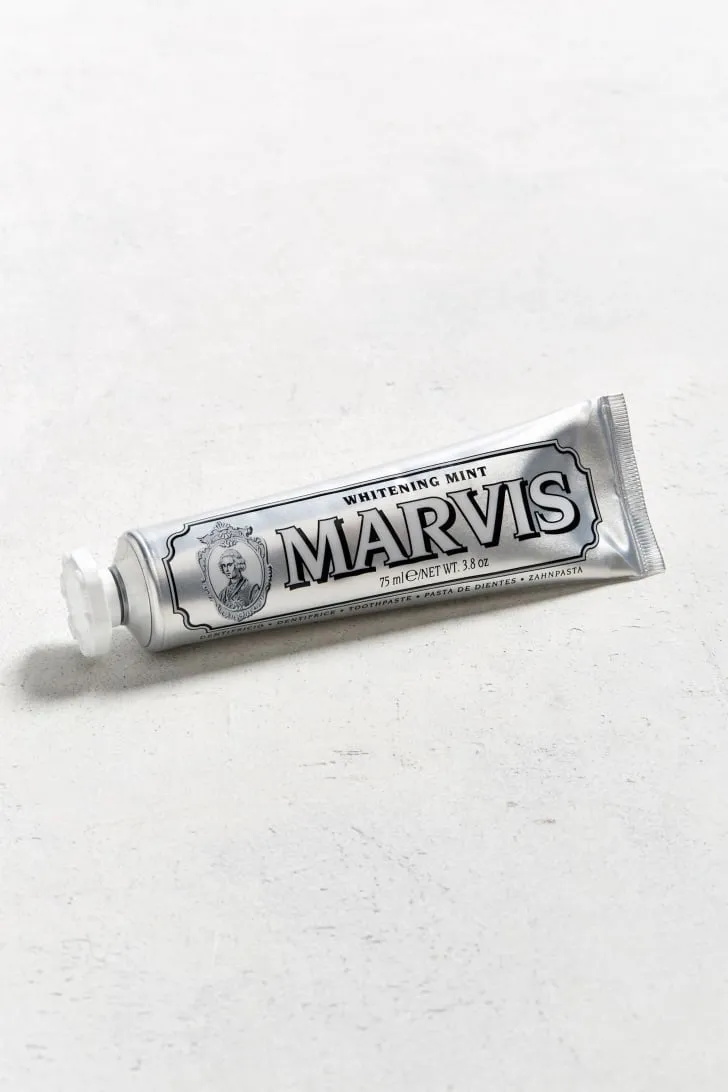
Understanding Whitening Toothpaste
Whitening toothpaste has become a staple in many people’s oral hygiene routines, promising a brighter, more confident smile. But what exactly is whitening toothpaste, and how does it differ from regular toothpaste? The primary goal of whitening toothpaste is to remove surface stains and, in some cases, slightly lighten the overall shade of your teeth. Unlike professional teeth whitening treatments, which use powerful bleaching agents, whitening toothpaste typically relies on milder abrasive agents or chemical ingredients to achieve its effects. Understanding the science behind these products is crucial to making an informed decision about which one is right for you and your oral health needs.
How Whitening Toothpaste Works
Whitening toothpastes use different mechanisms to enhance the brightness of your teeth. Most commonly, they employ abrasive agents, such as hydrated silica or calcium carbonate, to physically scrub away surface stains. These abrasives are designed to be gentle enough not to damage the enamel but effective at removing discoloration caused by coffee, tea, wine, and other staining substances. Some whitening toothpastes also contain chemical agents, like hydrogen peroxide or carbamide peroxide, which act as mild bleaching agents. These ingredients work by breaking down the stain molecules on the tooth’s surface, contributing to a whitening effect over time.
Types of Whitening Toothpaste

The market offers a diverse range of whitening toothpastes, each with its unique formulation and approach to teeth whitening. Abrasive-based toothpastes, the most common type, use gentle abrasives to polish away stains. These are generally safe for daily use but may cause increased sensitivity in some individuals. Peroxide-based toothpastes contain low concentrations of hydrogen peroxide or carbamide peroxide, offering a mild bleaching action. These can provide more noticeable whitening results but may also increase sensitivity. There are also enamel-strengthening toothpastes that combine whitening agents with ingredients like fluoride to protect and fortify the enamel. Choosing the right type depends on your specific needs and preferences.
Ingredients to Look For
When selecting a whitening toothpaste, it’s important to pay attention to the ingredients. Look for toothpastes that contain hydrated silica, a common abrasive effective at removing stains without being overly harsh. Sodium pyrophosphate and other pyrophosphates are ingredients that help prevent new stains from forming by inhibiting the buildup of calcium phosphate, a component of tartar. Fluoride is a crucial ingredient for strengthening enamel and preventing cavities, so make sure your toothpaste includes it. Some toothpastes include stannous fluoride, which offers additional benefits like fighting gingivitis. Avoid toothpastes with excessive abrasives, as they can potentially damage enamel over time. Always check for the American Dental Association (ADA) Seal of Acceptance, which indicates that the product has been tested and proven safe and effective.
Choosing the Right Whitening Toothpaste
Finding the best whitening toothpaste requires careful consideration of several factors. Your individual dental needs, sensitivity levels, and preferences all play a role in making the right choice. This section will explore key aspects to consider, ensuring that you select a product that effectively whitens your teeth while safeguarding your oral health.
Consider Your Dental Needs

Your overall dental health is paramount when selecting a whitening toothpaste. If you have a history of cavities, consider a toothpaste with added fluoride for enhanced protection. For those prone to tartar buildup, a toothpaste containing pyrophosphates can be beneficial. If you have sensitive teeth, opt for a toothpaste formulated for sensitive teeth, which typically contains lower levels of abrasives and may include ingredients like potassium nitrate to reduce sensitivity. Consulting with your dentist is always advisable to get personalized recommendations tailored to your specific needs and any existing dental conditions.
Evaluate Your Sensitivity
Tooth sensitivity can be a significant factor in your choice of whitening toothpaste. Many whitening toothpastes contain abrasive agents that, while effective at removing stains, can also exacerbate sensitivity. If you already experience sensitive teeth, select a toothpaste specifically designed for sensitive teeth. These often contain milder abrasives and ingredients like potassium nitrate that help block the transmission of pain signals to the nerves. Introduce the toothpaste gradually and monitor your teeth’s response. If sensitivity increases, consider switching to a less abrasive option or consulting your dentist for advice.
Read Reviews and Ratings
Before purchasing any whitening toothpaste, it’s wise to research and read reviews from other users. Websites and online marketplaces often have customer reviews that provide insights into the effectiveness, taste, and potential side effects of different products. Pay attention to reviews that mention sensitivity, any noticeable whitening results, and any issues with the toothpaste’s texture or taste. Look for reviews from users with similar dental conditions or concerns to get a more relevant perspective. Professional ratings from dental organizations or dental professionals can also provide valuable information about a product’s quality and safety.
Application and Usage

Using whitening toothpaste correctly is essential to maximize its benefits and minimize potential risks. Understanding the proper brushing technique, the recommended frequency of use, and any complementary products can significantly impact the effectiveness and safety of your whitening routine. Following these guidelines will help you achieve the best possible results while maintaining optimal oral health.
Proper Brushing Technique
The way you brush your teeth is just as important as the toothpaste you use. Use a soft-bristled toothbrush and apply gentle pressure to avoid damaging your enamel or gums. Brush in a circular or back-and-forth motion, ensuring you reach all surfaces of your teeth, including the front, back, and chewing surfaces. Brush for a full two minutes, as recommended by dentists. Consider using a timer or a toothbrush with a built-in timer to ensure you brush for the appropriate duration. Remember to rinse your mouth thoroughly after brushing and clean your toothbrush.
Frequency of Use
Most whitening toothpastes are designed for twice-daily use, mirroring the standard recommendation for regular toothpaste. However, it is essential to follow the instructions on the product label. Overusing whitening toothpaste, especially those with high abrasive content or bleaching agents, can potentially increase sensitivity or damage enamel. If you experience any adverse effects, such as increased sensitivity or gum irritation, reduce the frequency of use or consult your dentist. Some people may choose to alternate between whitening toothpaste and regular toothpaste to balance stain removal with enamel protection.
Complementary Products

To enhance your whitening efforts and maintain optimal oral hygiene, consider incorporating complementary products into your routine. Whitening mouthwash can help remove surface stains and freshen breath, while also reaching areas that brushing might miss. Dental floss is critical for removing plaque and food particles from between your teeth, which can help prevent staining. For a more comprehensive approach, talk to your dentist about professional teeth whitening options or at-home whitening kits, especially if you have significant discoloration.
Potential Risks and Side Effects
While whitening toothpaste can be an effective way to brighten your smile, it’s important to be aware of the potential risks and side effects. Understanding these potential drawbacks can help you make informed choices and take necessary precautions to protect your oral health. This section will discuss the most common risks associated with whitening toothpastes, allowing you to use these products safely and effectively.
Sensitivity and Irritation
One of the most common side effects of using whitening toothpaste is increased tooth sensitivity. This occurs because the abrasive agents or bleaching ingredients can temporarily irritate the enamel or gums. If you experience sensitivity, it’s crucial to reduce the frequency of use or switch to a toothpaste specifically designed for sensitive teeth. Gum irritation, characterized by redness, swelling, or soreness, is another potential side effect. If gum irritation persists, consult your dentist to rule out any underlying issues or to get recommendations for alternative products.
Enamel Erosion

Overuse of highly abrasive whitening toothpastes can lead to enamel erosion, which is the gradual wearing away of the protective outer layer of your teeth. Enamel erosion can increase tooth sensitivity, make your teeth more susceptible to cavities, and make them appear more yellow over time. To minimize the risk of enamel erosion, choose toothpastes with lower abrasivity and avoid brushing too hard. Always follow the manufacturer’s instructions and consult your dentist if you have concerns about enamel erosion.
When to Consult a Dentist
While whitening toothpaste can be a valuable addition to your oral hygiene routine, there are instances where consulting with a dentist is essential. A dentist can assess your overall oral health, provide personalized recommendations, and help address any concerns or complications. Understanding when to seek professional advice ensures that you maintain a healthy and radiant smile.
Consult your dentist if you experience persistent tooth sensitivity or gum irritation while using whitening toothpaste. These symptoms could indicate underlying dental issues or that the product is not suitable for your specific needs. If you have existing dental work, such as fillings, crowns, or veneers, discuss the use of whitening toothpaste with your dentist. Whitening toothpaste will not change the color of these materials, and they may not match the newly whitened natural teeth. Regular dental check-ups are crucial for maintaining good oral health and addressing any potential problems early on.