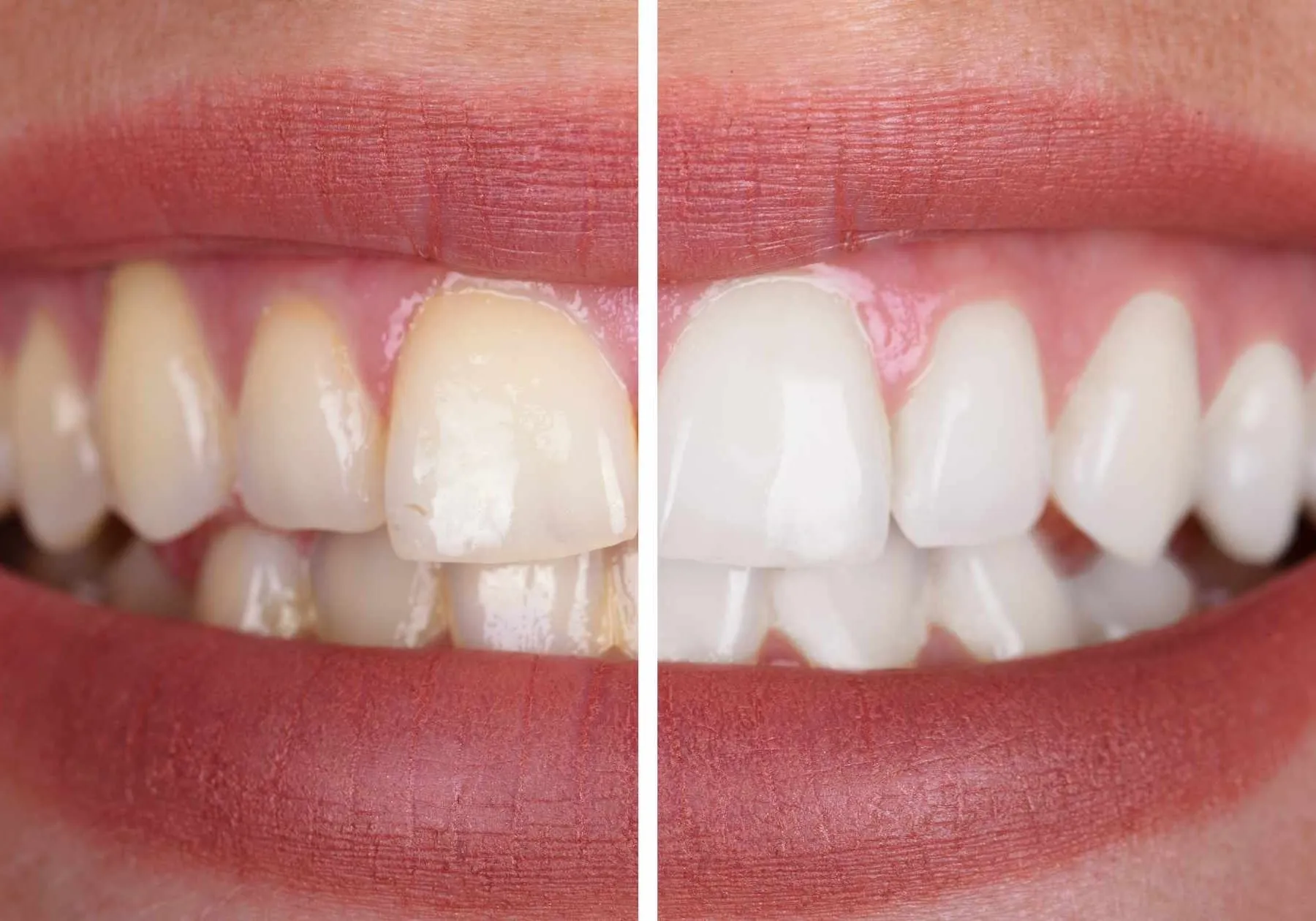
Understanding Teeth Whitening
Teeth whitening, also known as teeth bleaching, is a popular cosmetic dental procedure designed to lighten the color of your teeth and remove stains and discoloration. Over time, teeth can become stained due to various factors such as aging, genetics, diet, and lifestyle choices like smoking. The process involves using bleaching agents to break down the stains and discoloration, resulting in a brighter and more radiant smile. There are several methods available, ranging from professional treatments provided by dentists to over-the-counter products and natural remedies that can be done at home. The effectiveness of each method varies, and the best approach often depends on the individual’s specific needs, the severity of the stains, and the desired outcome. Understanding the different options and their associated benefits and drawbacks is crucial to make an informed decision and achieve the desired results.
How Teeth Whitening Works
The science behind teeth whitening involves the use of bleaching agents, most commonly hydrogen peroxide or carbamide peroxide. These agents penetrate the enamel and dentin of the teeth, breaking down the stain molecules and oxidizing them. This process effectively lightens the color of the teeth, reducing the appearance of stains and discoloration. The concentration of the bleaching agent and the duration of the treatment influence the degree of whitening achieved. Professional treatments often use higher concentrations of bleaching agents for faster and more dramatic results, while at-home products typically contain lower concentrations for safer and more gradual whitening. The effectiveness can also vary depending on the type of stains, with extrinsic stains (those on the surface) often being easier to remove than intrinsic stains (those within the tooth structure). Proper understanding of the process is vital for setting realistic expectations and choosing the most suitable whitening method.
The Impact of Stains on Tooth Appearance

Tooth stains can significantly affect the overall appearance of your smile and your confidence. Stains can be broadly categorized into two types extrinsic and intrinsic stains. Extrinsic stains primarily affect the tooth’s surface and are often caused by dietary factors, such as coffee, tea, red wine, and certain foods. Smoking and tobacco use are also significant contributors to extrinsic staining. Intrinsic stains, on the other hand, originate from within the tooth structure. They can be caused by factors like aging, the use of tetracycline antibiotics during tooth development, excessive fluoride exposure, or trauma to the tooth. The presence of stains, regardless of their origin, can lead to a dull, discolored smile. This can affect an individual’s self-esteem and lead to a desire for cosmetic dental procedures like teeth whitening to restore a brighter, more youthful appearance. Furthermore, a brighter smile can enhance overall facial aesthetics and create a more positive first impression.
Top 5 Quick Teeth Whitening Methods
When you want a brighter smile fast, several effective teeth whitening methods can deliver noticeable results. The best choice depends on your personal needs, budget, and how quickly you want to see results. From in-office procedures to convenient at-home options, here are five of the most popular and effective methods to quickly whiten your teeth and boost your confidence. Remember to consult with a dental professional to determine the best method for your unique situation and to ensure the safety and effectiveness of the treatment. Proper evaluation and advice are essential for achieving optimal results and maintaining the health of your teeth and gums.
Method 1 Professional In-Office Whitening
Professional in-office teeth whitening is one of the quickest and most effective methods for achieving a significantly brighter smile. This procedure is performed by a dentist in a clinical setting and typically involves a high concentration of hydrogen peroxide gel. The dentist will apply the gel to the teeth, and often use a special light or laser to activate the whitening agent. This process can lighten teeth several shades in a single session, providing dramatic results in about an hour or less. In-office whitening offers several advantages, including immediate results and the supervision of a dental professional, ensuring safety and optimal outcomes. This method is ideal for those seeking fast results and are willing to invest in a more intensive treatment.
The Procedure
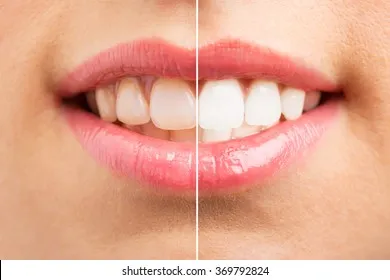
The in-office whitening procedure begins with a thorough examination of the teeth and gums to ensure they are healthy and suitable for whitening. A protective barrier is then applied to the gums to shield them from the bleaching agent. Next, the high-concentration hydrogen peroxide gel is applied to the teeth. A special light or laser may be used to enhance the whitening process by activating the gel and accelerating the bleaching. The gel is typically left on the teeth for a set period, and the process may be repeated several times during the session to achieve the desired level of whitening. After the procedure, the dentist will remove the protective barrier and provide instructions for post-whitening care, such as avoiding staining foods and drinks for a specific duration.
Advantages
The primary advantage of professional in-office whitening is the speed and effectiveness of the results. The high concentration of the bleaching agent and the use of specialized equipment lead to immediate and dramatic improvements in tooth color. This method is also supervised by a dentist, who can address any potential issues or sensitivity during the procedure. In-office whitening provides a controlled environment, ensuring the safety of the gums and teeth. The results are often long-lasting, especially when combined with proper oral hygiene practices and a diet that limits staining substances. Additionally, the convenience of a single-session treatment makes it a popular choice for those seeking immediate and visible improvements in their smile.
Method 2 Take-Home Whitening Kits
Take-home whitening kits offer a convenient and cost-effective way to whiten your teeth at home. These kits are usually provided by a dentist and include custom-fitted trays and a bleaching gel with a lower concentration of hydrogen peroxide than in-office treatments. The dentist will take impressions of your teeth to create the custom trays, ensuring a perfect fit that maximizes the effectiveness of the gel and minimizes gum irritation. You wear the trays with the gel for a specified period, typically a few hours a day or overnight, for a period determined by your dentist. Take-home kits provide a gradual whitening effect, with noticeable improvements within a few days to a few weeks, depending on the product and your individual needs. This method is ideal for those who prefer a more gradual approach and want the flexibility to whiten their teeth at their own pace.
The Procedure

The process starts with a visit to the dentist for an examination and impressions for the custom trays. Once the trays are ready, the dentist will provide instructions on how to use the whitening gel and the duration of the treatment. You’ll fill the trays with the gel and insert them over your teeth, typically wearing them for a set period, often overnight or a few hours daily. The dentist will also provide guidance on how to manage any potential side effects, such as tooth sensitivity or gum irritation. Regular follow-up appointments may be scheduled to monitor progress and adjust the treatment as needed. Consistency in using the kit as directed is crucial for achieving optimal results and a brighter smile.
Advantages and Disadvantages
Take-home whitening kits offer several advantages, including convenience and cost-effectiveness compared to in-office treatments. You can whiten your teeth at your own pace and in the comfort of your home. The custom-fitted trays ensure better contact between the gel and the teeth, enhancing the whitening effect and reducing the risk of gum irritation. However, a potential disadvantage is the need for more time to see noticeable results, typically several weeks. The lower concentration of the bleaching agent means the whitening process is more gradual. Some individuals may experience temporary tooth sensitivity or gum irritation, though these side effects are usually mild and temporary. Compliance is also crucial, as consistent use of the kit as directed is necessary to achieve the desired results.
Method 3 Over-the-Counter Whitening Products
Over-the-counter (OTC) teeth whitening products are readily available and offer a convenient and affordable option for teeth whitening. These products typically include whitening toothpastes, strips, and rinses. OTC products are generally safe to use but contain lower concentrations of bleaching agents than professional treatments. Whitening toothpastes work by removing surface stains and may contain mild abrasives or chemical agents. Whitening strips are thin, flexible strips coated with a whitening gel that you apply directly to your teeth. Whitening rinses can help to freshen breath and provide a subtle whitening effect. These products are ideal for individuals looking for a subtle improvement in tooth color and those who want to maintain their results after a professional treatment. They are easily accessible and require no professional supervision, making them a popular choice for at-home use.
Whitening Toothpastes

Whitening toothpastes are a popular choice for those seeking to brighten their smiles. They typically contain mild abrasives, such as silica or hydrated alumina, which help to remove surface stains and polish the teeth. Some whitening toothpastes also include chemical agents like hydrogen peroxide or baking soda to further assist in stain removal and whitening. The abrasive action of the toothpaste can help to remove stains caused by coffee, tea, and other foods and drinks. While whitening toothpastes are effective in removing surface stains, they are not as effective as professional treatments at altering the intrinsic color of the teeth. Consistent use of whitening toothpaste can help to maintain a brighter smile and enhance the overall appearance of your teeth. It is crucial to choose a toothpaste with a good balance of cleaning and abrasive action to avoid damaging the enamel.
Whitening Strips
Whitening strips are a convenient and effective option for at-home teeth whitening. These thin, flexible strips are coated with a whitening gel that contains hydrogen peroxide. You apply the strips directly to your teeth, following the product instructions for duration and frequency. The strips adhere to the teeth, ensuring close contact with the enamel and allowing the whitening agent to penetrate and break down stains. Whitening strips are easy to use and offer noticeable results within a few days to weeks. They are available in various formulations, with different concentrations of hydrogen peroxide and treatment durations. Consistency is key to achieving the best results, and it’s important to follow the manufacturer’s instructions carefully to avoid any potential side effects, such as tooth sensitivity or gum irritation. The effectiveness of whitening strips varies depending on the severity of stains and the specific product used.
Whitening Rinses
Whitening rinses are a simple addition to your oral hygiene routine to help brighten your smile. These mouthwashes typically contain hydrogen peroxide or other whitening agents that help to remove surface stains and prevent new stains from forming. Using a whitening rinse after brushing can help to reach areas that may be missed by your toothbrush. While whitening rinses provide a subtle whitening effect, they are less effective than other whitening methods, such as whitening strips or professional treatments. They are a good option for those who want to maintain their results or enhance their overall oral hygiene routine. Consistent use of whitening rinses can contribute to a brighter smile, fresher breath, and overall improved oral health. They are easy to incorporate into your daily routine and are available in various flavors and formulations.
Method 4 Natural Whitening Remedies

Natural teeth whitening remedies utilize ingredients found in nature to help brighten your teeth. While these methods may not provide the dramatic results of professional treatments, they offer a gentler approach. Some popular natural remedies include activated charcoal, baking soda and hydrogen peroxide, and oil pulling. The effectiveness of these remedies can vary, and it’s important to understand that they may not be as potent as professional treatments. It’s also essential to be cautious and use these remedies in moderation, as excessive use can potentially damage the enamel. Consulting with your dentist before trying any natural whitening method is always recommended to ensure it’s safe and appropriate for your teeth and gums.
Activated Charcoal
Activated charcoal is a finely ground black powder that is often used in teeth whitening. It is made from various sources, such as coconut shells or bamboo, and is processed to increase its absorbency. The idea behind using activated charcoal for teeth whitening is that it can absorb stains and impurities from the teeth. To use activated charcoal, you can brush your teeth with a paste made by mixing the powder with water. The abrasiveness of activated charcoal can help to remove surface stains, and it can also help to freshen breath. However, it is important to note that there is limited scientific evidence to support the effectiveness of activated charcoal for teeth whitening. Some dental professionals advise caution, as excessive use of activated charcoal can be abrasive and may damage the enamel. It’s always best to consult with a dentist before using activated charcoal or any other natural remedies for teeth whitening.
Baking Soda and Hydrogen Peroxide
Baking soda and hydrogen peroxide are often combined to create a homemade teeth whitening treatment. Baking soda is a mild abrasive that can help to remove surface stains. Hydrogen peroxide is a mild bleaching agent that can help to lighten the color of the teeth. To use this method, you can create a paste by mixing baking soda with hydrogen peroxide. Brush your teeth with the paste for a few minutes, and then rinse thoroughly. While this combination can provide some whitening effect, it is important to use it with caution. Excessive use of baking soda can be abrasive and may damage the enamel, leading to increased sensitivity. Always consult with a dentist before using baking soda and hydrogen peroxide for teeth whitening to ensure it is safe and suitable for your teeth and gums. Moderation and proper technique are key to minimizing any potential risks.
Oil Pulling

Oil pulling is an ancient Ayurvedic practice that involves swishing oil in your mouth for a set period to remove bacteria and toxins. The most common oil used for oil pulling is coconut oil, known for its antibacterial and antifungal properties. When oil pulling, you swish a tablespoon of oil in your mouth for 15 to 20 minutes, then spit it out and rinse your mouth with water. Some proponents of oil pulling claim it can help to whiten teeth by removing stains and plaque. While oil pulling may contribute to overall oral health, there is limited scientific evidence to support its effectiveness for teeth whitening. It is primarily used as a complementary oral hygiene practice to support other methods of teeth whitening. Proper technique and regular use of oil pulling can contribute to fresher breath and improved oral hygiene.
Method 5 Maintaining Your White Smile
Maintaining a white smile requires ongoing care and attention to prevent new stains from forming. After undergoing teeth whitening, whether through professional treatments or at-home methods, taking steps to preserve your results is crucial. This involves good oral hygiene practices, such as brushing your teeth twice a day and flossing daily. Regular dental check-ups and cleanings are also essential for removing plaque and tartar, which can contribute to staining. In addition to oral hygiene, lifestyle choices play a significant role in maintaining a white smile. Limiting the consumption of staining foods and drinks, such as coffee, tea, red wine, and dark-colored sodas, can help to prevent new stains. If you consume these items, consider drinking them through a straw to minimize contact with your teeth. Avoiding smoking and tobacco products is also crucial. By following these tips, you can prolong the effects of teeth whitening and enjoy a brighter, more confident smile for a longer duration.
Post-Whitening Care
After any teeth whitening treatment, following post-whitening care instructions is essential to maintain your results and avoid potential side effects. Your dentist will provide specific guidelines based on the whitening method used. Typically, this includes avoiding staining foods and drinks for a certain period, usually 24 to 48 hours. This allows the enamel to stabilize and prevents new stains from setting in. Maintaining good oral hygiene practices, such as brushing twice a day and flossing daily, is also crucial. You may be advised to use a desensitizing toothpaste if you experience any tooth sensitivity. Regular dental check-ups and cleanings are essential for maintaining oral health and removing any surface stains that may develop. Following these post-whitening care tips will help you to maximize the longevity of your brighter smile.
Foods and Drinks to Avoid

To preserve your newly whitened teeth, it’s important to be mindful of the foods and drinks you consume, especially immediately after the whitening treatment. Certain substances can easily stain your teeth, undoing the whitening effects. Common culprits include coffee, tea, red wine, dark-colored sodas, and berries. These beverages and foods contain chromogens, which are color pigments that can adhere to the tooth enamel and cause staining. It’s advisable to limit or avoid these items for at least the first few days after whitening. If you do consume them, consider drinking them through a straw to minimize contact with your teeth. Other staining foods include soy sauce, curry, balsamic vinegar, and tomato-based sauces. By making informed choices about your diet, you can significantly prolong the life of your whiter smile and maintain your desired results.
Regular Dental Check-ups
Regular dental check-ups play a vital role in maintaining a bright, healthy smile, particularly after teeth whitening. Routine visits to your dentist allow for professional cleanings, which remove plaque and tartar build-up, preventing the accumulation of surface stains. During these check-ups, your dentist can also assess the overall health of your teeth and gums and identify any potential issues, such as cavities or gum disease, that could affect your smile. They can also provide personalized advice on oral hygiene practices and recommend professional whitening touch-ups if needed. Furthermore, your dentist can evaluate the results of your whitening treatment and offer guidance on how to maintain your results. Schedule regular dental check-ups every six months or as recommended by your dentist to ensure optimal oral health and to enjoy a consistently bright and confident smile.