Understanding Whitening Strips
Achieving a brighter, more confident smile has become easier than ever thanks to the availability of at-home teeth whitening solutions. Among the most popular options are whitening strips, a convenient and relatively inexpensive way to enhance your pearly whites. However, understanding how these strips work, how to use them effectively, and what to expect from the process is essential for achieving the best results and maintaining optimal oral health. This comprehensive guide will walk you through everything you need to know about whitening strips, from the science behind their effectiveness to practical tips for maximizing your results.
What Are Whitening Strips
Whitening strips are thin, flexible strips coated with a hydrogen peroxide or other peroxide-based whitening agent. They are designed to be applied directly to the surface of your teeth. The active ingredient in these strips penetrates the enamel, breaking down stains and discoloration caused by various factors such as coffee, tea, wine, and smoking. They are a convenient alternative to professional teeth whitening treatments offered by dentists, offering a cost-effective solution for many individuals looking to improve their smile’s appearance.
The Science Behind Whitening Strips

The whitening action of the strips is primarily due to the hydrogen peroxide, which acts as an oxidizing agent. When applied to the teeth, hydrogen peroxide molecules penetrate the enamel and dentin, breaking down the stain molecules. This process alters the chemical structure of the stain molecules, making them less visible and leading to a brighter appearance. The concentration of hydrogen peroxide in whitening strips is typically lower than that used in professional treatments, making them safer for home use but also potentially requiring more applications for optimal results. The effectiveness of whitening strips can vary depending on the concentration of the active ingredient, the duration of application, and the individual’s oral hygiene habits.
Choosing the Right Whitening Strips
With numerous brands and types of whitening strips available on the market, choosing the right product can be a daunting task. Several factors should be considered to ensure you select a product that aligns with your needs and expectations. Consider the concentration of the whitening agent, the recommended usage duration, and any specific instructions or precautions provided by the manufacturer. Furthermore, if you have sensitive teeth or gums, look for strips that are specifically designed for sensitive teeth, as these typically contain lower concentrations of the active ingredient and may include additional ingredients to minimize discomfort. Reading customer reviews and consulting with your dentist can also provide valuable insights into the effectiveness and safety of different whitening strip brands.
Types of Whitening Strips Available
The market offers a variety of whitening strips, each with its unique features and benefits. Standard whitening strips are the most common type, designed for general use and suitable for individuals with mild to moderate tooth discoloration. Strips for sensitive teeth contain a lower concentration of hydrogen peroxide, which minimizes the risk of tooth sensitivity. Some strips feature advanced technologies such as enhanced adhesion or a more customized fit for improved results. There are also strips with different application times, allowing for flexibility in your daily routine. Some incorporate additional ingredients such as enamel-strengthening agents or breath fresheners. The best type of whitening strip for you depends on your specific needs, preferences, and any sensitivities you may have.
Factors to Consider When Choosing Strips

Several factors should guide your decision when selecting whitening strips. The level of tooth discoloration is a key consideration; for more severe stains, you may need strips with a higher concentration of the whitening agent or more frequent applications. Your teeth’s sensitivity is another critical factor; if you have sensitive teeth, opt for strips designed for sensitive teeth to minimize discomfort. Be sure to review the product’s instructions carefully, paying attention to the recommended application time, frequency, and any potential side effects. Check for any certifications or endorsements from dental organizations, which indicate that the product has been tested for safety and effectiveness. Finally, consider your budget and compare the prices of different brands to find a product that fits your needs and financial constraints.
Step-by-Step Guide How to Use Whitening Strips
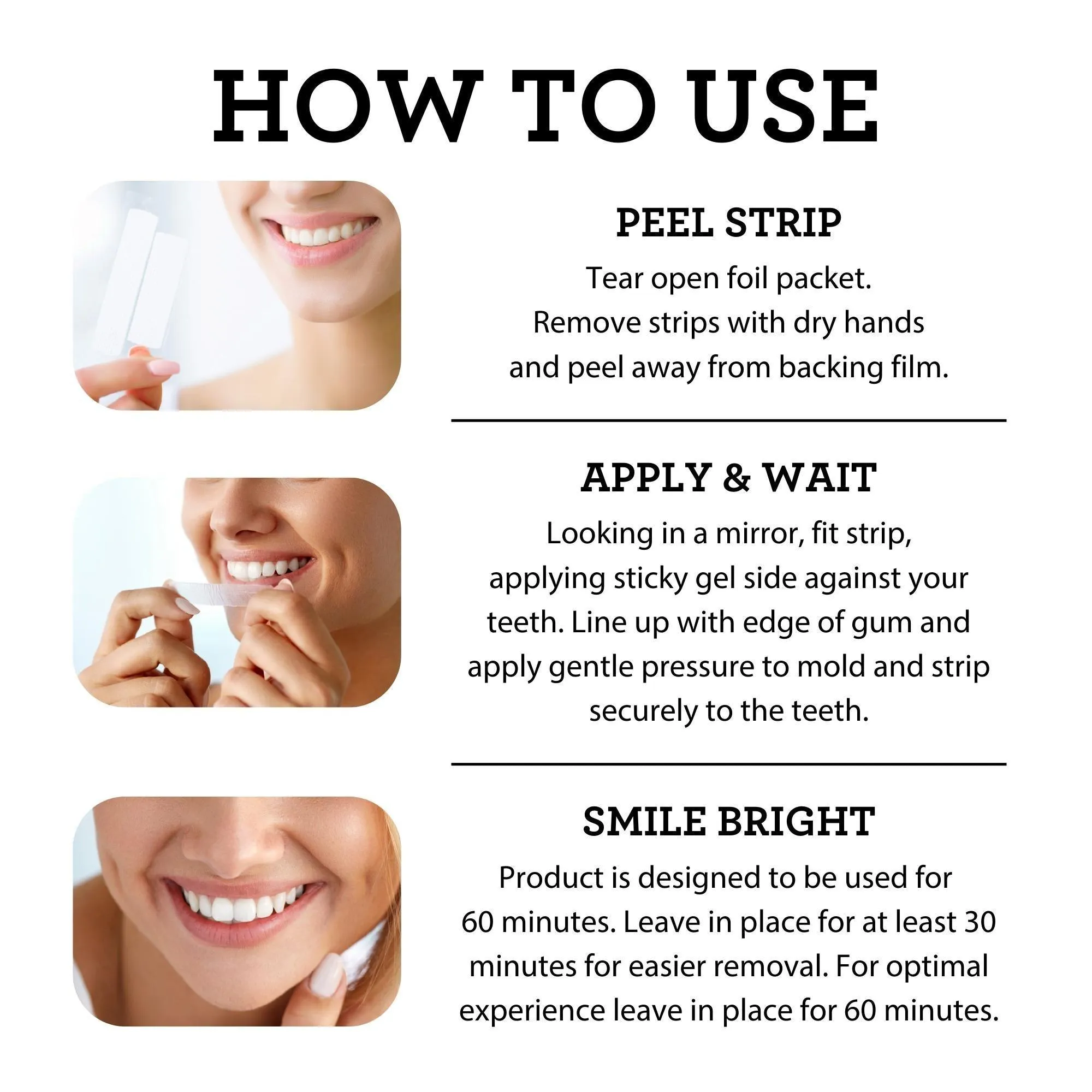
Using whitening strips correctly is crucial to achieving the desired results while minimizing the risk of side effects. Following a step-by-step approach ensures that you use the strips effectively and safely. Before starting, carefully read and understand the manufacturer’s instructions. Pay close attention to the recommended application time, frequency, and any specific instructions. This will help you avoid common mistakes and ensure that you get the most out of your whitening treatment. Always remember to consult with your dentist before starting any teeth whitening regimen, especially if you have any existing dental conditions or concerns.
Preparing Your Teeth
Before applying the whitening strips, it’s essential to prepare your teeth properly. Brush your teeth gently with a soft-bristled toothbrush to remove any surface debris or plaque. Make sure to rinse your mouth thoroughly to eliminate any toothpaste residue. Avoid brushing your teeth immediately before applying the strips, as this can sometimes increase tooth sensitivity. Ensure your teeth are dry before applying the strips, as a dry surface helps the strips adhere more effectively. You can gently pat your teeth with a clean, dry cloth or paper towel to remove excess moisture. This preparation ensures the whitening agent can effectively contact the tooth surface and provides the best possible results.
Applying the Strips Correctly

Careful application of the whitening strips is vital for achieving the best results. Peel the strips from their backing and align them with your teeth, ensuring that the gel side makes direct contact with your enamel. For the upper teeth, apply the longer strip to the upper set and the shorter strip to the lower set. Gently press the strips against your teeth, molding them to the contours of your teeth to avoid gaps or areas that are not covered. Fold the excess strip material over the back of your teeth to secure them in place. Be careful not to get the whitening gel on your gums, as this can cause irritation. If the gel does come into contact with your gums, wipe it off immediately.
Timing and Duration
Adhering to the recommended timing and duration is crucial for optimal results and safety. Carefully follow the instructions provided with your whitening strips regarding the recommended application time, which can vary depending on the product. Usually, the strips need to be applied for 30 minutes to an hour daily, depending on the product’s instructions. Set a timer to ensure you do not exceed the recommended time. Remove the strips after the specified time and discard them. Avoid leaving the strips on for longer than recommended, as this can increase the risk of tooth sensitivity or gum irritation. Consistency is key to achieving the desired results; maintain the whitening routine for the duration specified by the manufacturer, typically a couple of weeks.
Post-Treatment Care
After removing the whitening strips, rinse your mouth thoroughly with water to remove any remaining gel residue. Avoid swallowing the gel, as it is not meant to be ingested. Brush your teeth gently with a soft-bristled toothbrush to remove any remaining residue. Refrain from eating or drinking anything, except water, for at least 30 minutes after removing the strips. This allows the enamel to rehydrate and minimizes the risk of staining. Avoid consuming staining foods and beverages, such as coffee, tea, red wine, and dark-colored juices, for the first few hours after whitening. Maintaining good oral hygiene, including regular brushing and flossing, is essential for maintaining your brighter smile and preventing future discoloration.
Maximizing Your Results

To maximize the effectiveness of whitening strips, several strategies can be employed. Consistent use is key; follow the manufacturer’s instructions and maintain your whitening routine for the recommended duration. Be patient, as results may not be immediately visible, and it may take several days or weeks to achieve the desired level of whitening. Avoid consuming staining foods and beverages, such as coffee, tea, red wine, and dark-colored juices, as these can counteract the whitening process. Practice good oral hygiene, including regular brushing, flossing, and dental check-ups, to maintain your results and prevent new stains from forming. Consider using a whitening toothpaste or mouthwash to complement your whitening strip treatment. It is important to note that whitening strips are not effective on dental work such as crowns and veneers.
Tips For Optimal Whitening
Several simple tips can enhance the effectiveness of your whitening strip treatment. Before applying the strips, make sure to brush your teeth gently to remove any surface debris. Ensure your teeth are dry before applying the strips for better adhesion. Apply the strips evenly, molding them to the contours of your teeth to avoid gaps. Adhere strictly to the recommended application time to prevent any side effects. Avoid consuming staining foods and beverages during the whitening process. Stay hydrated by drinking plenty of water to help maintain your oral health and prevent dehydration, which can sometimes exacerbate sensitivity. Consider using a straw when drinking staining beverages to minimize contact with your teeth. Protect your newly whitened teeth by using a whitening toothpaste and mouthwash.
Avoiding Common Mistakes
Avoiding common mistakes is essential for achieving optimal results and preventing potential side effects. One of the most common mistakes is not following the manufacturer’s instructions carefully. Always adhere to the recommended application time, frequency, and any specific precautions. Another mistake is applying the strips to wet teeth, which can reduce their effectiveness. Ensure your teeth are dry before application. Avoid eating or drinking anything except water during the treatment, as this can reduce the effectiveness of the strips. Overusing the strips or exceeding the recommended application time can increase the risk of tooth sensitivity and gum irritation. Neglecting post-treatment care, such as rinsing your mouth and avoiding staining foods, can also diminish the results. Always store your whitening strips in a cool, dry place away from direct sunlight.
Maintaining Your Bright Smile

After achieving a brighter smile with whitening strips, maintaining those results is crucial. This involves a combination of good oral hygiene practices, dietary choices, and regular dental check-ups. These strategies will help you preserve your newly whitened teeth and prevent future discoloration. By establishing and adhering to a consistent oral care routine, you can enjoy your radiant smile for a long time. Make sure to consult your dentist if you need any other help regarding teeth whitening.
Oral Hygiene and Whitening
Practicing good oral hygiene is essential for maintaining your bright smile. Brush your teeth at least twice a day with a fluoride toothpaste and floss once a day to remove plaque and food particles. Consider using a whitening toothpaste to help remove surface stains. Rinse your mouth with an antimicrobial mouthwash to further reduce bacteria and freshen your breath. Replace your toothbrush every three to four months or sooner if the bristles become frayed. Consider using a tongue scraper to remove bacteria and debris from your tongue. Regular flossing removes plaque and food particles from between teeth, where a toothbrush cannot reach. A good oral hygiene routine not only maintains your bright smile but also improves overall oral health.
Regular Dental Check-ups
Regular dental check-ups are crucial for maintaining your bright smile and overall oral health. Visit your dentist for check-ups and professional cleanings at least twice a year. These check-ups allow your dentist to detect any early signs of decay, gum disease, or other oral health issues. During a professional cleaning, your dentist will remove plaque and tartar that cannot be removed by brushing and flossing alone. Your dentist may also provide a fluoride treatment to strengthen your enamel and protect your teeth from cavities. Discuss your teeth whitening treatment with your dentist, and they can assess your teeth’s condition and make any recommendations. Regular dental visits are an essential part of maintaining a healthy, bright smile for years to come.
Possible Side Effects and Solutions

While whitening strips are generally safe, some individuals may experience side effects such as tooth sensitivity and gum irritation. Understanding these potential side effects and knowing how to manage them is important for a positive whitening experience. Sensitivity and irritation are usually temporary and can be minimized by following the manufacturer’s instructions, avoiding overuse, and taking appropriate precautions. If side effects persist or worsen, consult your dentist for guidance. It is always better to seek professional advice if you are in doubt. This helps to ensure the health of your teeth and gums.
Sensitivity and How to Manage It
Tooth sensitivity is a common side effect of whitening strips, especially for individuals with sensitive teeth. If you experience sensitivity, you can take several steps to manage it. Reduce the frequency of application or shorten the application time. Use a toothpaste designed for sensitive teeth, which contains ingredients that help to block the nerve endings in the teeth. Avoid extremely hot or cold foods and beverages, as these can exacerbate sensitivity. Consider using a fluoride rinse to strengthen your enamel and reduce sensitivity. If sensitivity persists or becomes severe, consult your dentist, who can recommend additional treatments or alternative whitening options. Be patient; sensitivity usually subsides within a few days after the whitening treatment.
Other Considerations
Besides the common side effects, there are other factors to consider when using whitening strips. Whitening strips are not recommended for children under 12 years old. Individuals with dental work such as fillings, crowns, or veneers should be aware that the strips will not whiten these restorations. If you are pregnant or breastfeeding, consult your dentist before using whitening strips. Always store your whitening strips in a cool, dry place away from direct sunlight and out of reach of children. If you have any underlying dental conditions, such as tooth decay or gum disease, it’s important to address these issues before starting a whitening treatment. Always remember to consult with your dentist to make sure that the whitening strips are suitable for your individual needs and oral health condition.