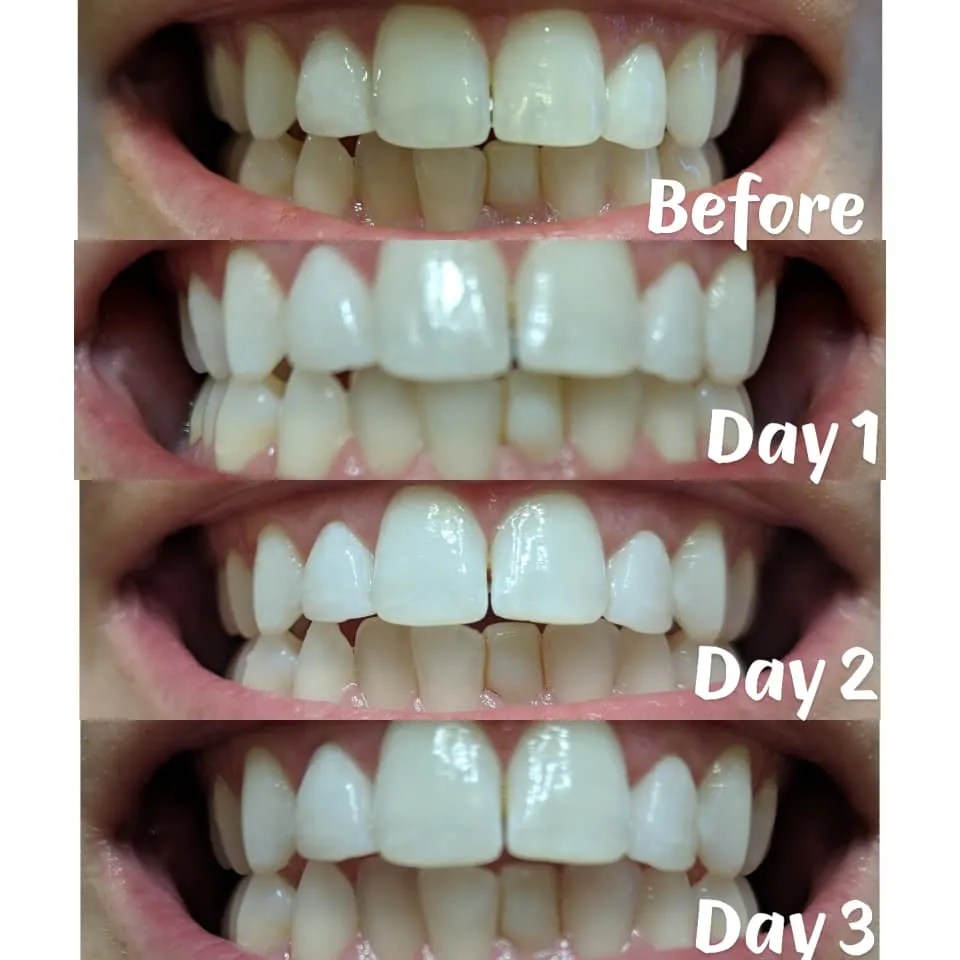
Understanding Whitening Strips
Whitening strips have become a popular and convenient method for achieving a brighter smile. These thin, flexible strips are coated with a whitening agent and are designed to adhere to the surface of your teeth. Unlike professional teeth whitening treatments, whitening strips are available over-the-counter, making them accessible to a wide range of consumers. They offer an easy-to-use, at-home solution for removing stains and discoloration caused by factors such as coffee, tea, wine, and tobacco. Understanding the basic principles of how whitening strips work, their ingredients, and the factors that influence their effectiveness is crucial for managing expectations and achieving the best possible results. This guide delves into the science behind whitening strips, providing a comprehensive overview of their use and what you can realistically expect from them.
How Whitening Strips Work
The primary mechanism of action for whitening strips involves the use of an oxidizing agent, typically hydrogen peroxide or carbamide peroxide. When the strip comes into contact with the tooth surface, the peroxide penetrates the enamel, breaking down the stain molecules. This process is known as oxidation, and it lightens the color of the tooth. The effectiveness of the process depends on several factors, including the concentration of the peroxide, the duration of contact, and the individual’s tooth structure and staining. The strips are designed to conform to the shape of your teeth, ensuring maximum contact between the whitening agent and the enamel. Regular use, as directed, helps to gradually reduce the appearance of stains, leading to a noticeably brighter smile. However, the process is not instantaneous; the time it takes to see results varies from person to person.
The Active Ingredients in Whitening Strips

The main active ingredients in most whitening strips are hydrogen peroxide and carbamide peroxide. Hydrogen peroxide is a strong oxidizing agent that directly breaks down stain molecules, while carbamide peroxide breaks down into hydrogen peroxide over time. The concentration of these ingredients can vary between different brands and products, and this can affect the speed and degree of whitening. Higher concentrations may produce quicker results but can also increase the risk of sensitivity. In addition to the whitening agents, most strips contain other inactive ingredients, such as adhesives to help the strip stick to the teeth, and flavoring agents to improve the taste. It is essential to check the product label for the specific ingredients and concentrations, especially if you have sensitive teeth or any known allergies. Understanding the role of each ingredient helps you make informed decisions about the best product for your needs and ensures you are aware of potential side effects.
Factors Affecting Whitening Strip Results
Several factors can influence how quickly and effectively whitening strips work. These include the type and severity of tooth staining, your existing tooth shade, the concentration of the active ingredients in the strips, and your adherence to the product instructions. Surface stains caused by coffee, tea, or wine tend to respond well to whitening strips, while deeper stains or those resulting from medication or trauma may be more resistant. The natural shade of your teeth also plays a role; those with naturally lighter teeth may see more dramatic results than those with darker teeth. The frequency and duration of strip application, as specified by the product, are also critical. Following these instructions consistently ensures the whitening agent has sufficient contact time with the teeth to break down the stain molecules. Individual differences in tooth enamel porosity and thickness can also affect the rate of whitening, influencing how long it takes to see a visible difference.
Tooth Staining and Discoloration
Tooth staining and discoloration can be caused by a variety of factors. Extrinsic stains, which affect the surface of the teeth, are often caused by foods and drinks with strong pigments, such as coffee, tea, red wine, and berries. Tobacco use is another significant contributor. Intrinsic stains, which occur within the tooth structure, can be caused by factors like aging, genetics, certain medications (such as tetracycline), and dental trauma. The type of stain influences the effectiveness of whitening strips. Surface stains are generally easier to remove, while deeper or intrinsic stains may require more aggressive whitening treatments or may not respond as well. Regular dental check-ups and professional cleanings can help remove surface stains and improve the effectiveness of at-home whitening treatments. Understanding the source of your tooth discoloration is key to setting realistic expectations about the results you can achieve with whitening strips.
Your Current Tooth Shade

Your starting tooth shade significantly impacts the noticeable whitening results you can expect. People with naturally lighter teeth may experience more dramatic improvements compared to those with darker or more yellow-toned teeth. Whitening strips are designed to lighten your existing shade, but they cannot change the fundamental color of your teeth. For instance, if your teeth are stained a deep shade of yellow, you may see a significant improvement in brightness, but you may not achieve a brilliant, ultra-white smile. The degree of whitening is also influenced by the thickness and porosity of your enamel. Thinner or more porous enamel allows the whitening agent to penetrate more easily, potentially leading to quicker results, but also increasing the likelihood of sensitivity. Before using whitening strips, it’s helpful to compare your current shade to a dental shade guide to assess how much improvement you can realistically anticipate.
The Type of Whitening Strips You Use
The market offers various types of whitening strips, each with different formulations and concentrations of active ingredients. Over-the-counter strips typically contain lower concentrations of hydrogen peroxide or carbamide peroxide compared to professional treatments. These lower concentrations often require longer treatment periods to achieve visible results, but they are generally safer for at-home use. Some strips are designed to be used once a day for a specific duration, such as 30 minutes, while others may require twice-daily applications for shorter periods. The material and design of the strips also vary; some are more flexible and adhere better to the teeth, ensuring optimal contact with the whitening agent. Choosing the right type of strip depends on your individual needs, the severity of your staining, and your tolerance for potential side effects such as sensitivity. Consulting product reviews and comparing different brands can help you choose a product that aligns with your expectations and preferences.
How Often to Use Whitening Strips
The frequency of use for whitening strips is a crucial factor in achieving the desired results. Most products recommend using the strips once or twice a day for a specified period, such as 30 minutes per application. It is essential to strictly follow the instructions provided with the product to maximize effectiveness and minimize the risk of side effects. Overusing whitening strips can lead to increased tooth sensitivity and irritation of the gums. Conversely, using them less frequently than recommended may prolong the time it takes to see visible results. Consistency is key; regular and consistent application helps to gradually lighten the teeth, removing stains and improving their overall appearance. Always adhere to the recommended duration of treatment, and do not exceed the manufacturer’s guidelines. If you have any concerns about how often to use the strips, consult your dentist for personalized advice.
Tips for Maximizing Whitening Strip Effectiveness

Several strategies can enhance the effectiveness of whitening strips. Before applying the strips, brush your teeth gently to remove surface debris and plaque, but avoid using a toothpaste with fluoride immediately before, as it may interfere with the whitening agent. Ensure your teeth are dry before applying the strips; this allows for better adhesion. Avoid eating or drinking anything, except water, while the strips are in place. This prevents the whitening agent from being diluted or diluted by food particles. Follow the recommended application time precisely, and avoid keeping the strips on for longer than directed. After removing the strips, rinse your mouth with water. Consider using a sensitivity toothpaste to minimize any discomfort. Maintain good oral hygiene habits throughout the whitening process, including regular brushing, flossing, and dental check-ups. By following these tips, you can optimize your whitening experience and achieve better results.
Preparing Your Teeth
Preparing your teeth before using whitening strips can improve their effectiveness. Begin by gently brushing your teeth to remove any surface debris or plaque. However, do not brush immediately before applying the strips; wait about 30 minutes after brushing. This allows your enamel to re-mineralize and reduces the chance of sensitivity. Flossing before applying strips is also recommended. It helps remove food particles and debris from between your teeth, ensuring the whitening agent can reach the entire tooth surface. If you have sensitive teeth, consider using a desensitizing toothpaste for a few weeks prior to starting the whitening treatment. This can help minimize any discomfort during and after the treatment. Ensure that your teeth are dry before applying the strips; this helps the strips adhere better and ensures better contact with the whitening agent. Properly preparing your teeth creates an optimal environment for the whitening process, leading to more effective results.
Proper Application Techniques
Correct application techniques are essential for maximizing the effectiveness of whitening strips. Carefully peel the strips from their backing, ensuring you handle them gently to avoid tearing. Apply the longer strip to your upper teeth and the shorter one to your lower teeth, aligning them with your gum line. Press the strips firmly onto the teeth, ensuring they are in good contact with the entire surface. Use a mirror to ensure the strips are properly placed and that all visible tooth surfaces are covered. Avoid overlapping the strips onto your gums as this can cause irritation. Follow the product instructions regarding the duration of application. Once the time is up, carefully remove the strips and dispose of them properly. Rinse your mouth with water to remove any residual gel. Consistent and correct application is critical for achieving the desired whitening results. Incorrect application can reduce the effectiveness of the treatment and may also lead to uneven whitening or increased sensitivity.
Maintaining Your Results

Maintaining the results achieved through whitening strips requires consistent oral hygiene and lifestyle adjustments. Regular brushing and flossing are fundamental to prevent new stains from forming. Using a whitening toothpaste can help maintain your bright smile by removing surface stains and preventing new ones. Limit your intake of staining foods and beverages, such as coffee, tea, red wine, and dark berries. When you do consume these items, drink water afterward to rinse your mouth. Avoid tobacco products, as smoking and chewing tobacco can cause significant discoloration. Regular dental check-ups and professional cleanings can help remove surface stains and maintain your results. Consider occasional touch-up treatments with whitening strips as needed to keep your smile bright. By combining good oral hygiene habits with these lifestyle adjustments, you can prolong the effects of your whitening treatment and maintain a radiant smile.
How Long Do Results Last?
The longevity of results from whitening strips varies depending on several factors. On average, the effects can last from a few months to a year or more. This duration is influenced by your oral hygiene habits, your diet, and whether you continue to consume staining foods and beverages. People who maintain excellent oral hygiene, limit staining foods, and avoid tobacco products can expect their results to last longer. Regular touch-up treatments with whitening strips can also help maintain the brightness of your smile. Over time, the effects of whitening will gradually fade, and the teeth may begin to revert to their original shade. Factors such as aging and changes in tooth structure can also affect the long-term durability of your results. To maximize the longevity of your whiter teeth, adhere to a comprehensive oral hygiene routine and make lifestyle choices that support your brighter smile.
Possible Side Effects
While whitening strips are generally safe, potential side effects can occur. The most common side effect is tooth sensitivity, which can range from mild discomfort to more intense pain. This sensitivity is usually temporary and subsides within a few days after discontinuing the treatment or reducing the frequency of use. Another potential side effect is gum irritation, which can manifest as redness, swelling, or tenderness of the gums. This irritation often occurs when the whitening agent comes into contact with the gums. In rare cases, some individuals may experience allergic reactions to the ingredients in the strips. If you experience severe pain, persistent sensitivity, or other adverse reactions, discontinue use and consult with your dentist. Understanding the potential side effects and taking precautions, such as using a sensitivity toothpaste and avoiding over-treatment, can help minimize discomfort and maximize the safety of the whitening process.
Sensitivity and Irritation

Tooth sensitivity and gum irritation are the most common side effects associated with whitening strips. Tooth sensitivity occurs because the peroxide in the whitening agent can penetrate the enamel and reach the dentin, causing the nerves to become irritated. Gum irritation happens when the whitening agent comes into contact with the soft tissues of the gums. To minimize sensitivity, use a toothpaste specifically designed for sensitive teeth for a few weeks before, during, and after the whitening treatment. Apply the strips carefully, ensuring they do not overlap onto your gums. Avoid over-whitening by adhering to the product instructions regarding the duration and frequency of use. If sensitivity persists or worsens, reduce the application time or frequency or consult with your dentist. For gum irritation, avoid direct contact between the strips and your gums. If irritation occurs, gently rinse your mouth with water and avoid using the strips until the irritation subsides.
Alternatives to Whitening Strips
Several alternatives to whitening strips are available for those seeking a brighter smile. Whitening toothpastes contain mild abrasives and sometimes small amounts of peroxide to remove surface stains. However, they are less effective for deep stains. Over-the-counter whitening gels and trays offer more control over the whitening process, as they can be customized to fit your teeth. Professional teeth whitening, performed by a dentist, provides the most potent whitening agents and delivers the most dramatic results in a controlled environment. This includes in-office bleaching treatments, which use high concentrations of hydrogen peroxide, and custom-fitted trays for at-home use with professional-strength formulas. Other options include veneers, which are thin shells bonded to the front of the teeth, and dental bonding, which involves applying a tooth-colored resin to the teeth to improve their appearance. The best option depends on your individual needs, the severity of staining, your budget, and your desired results. Consult with your dentist to determine the most appropriate and effective treatment for your specific situation.