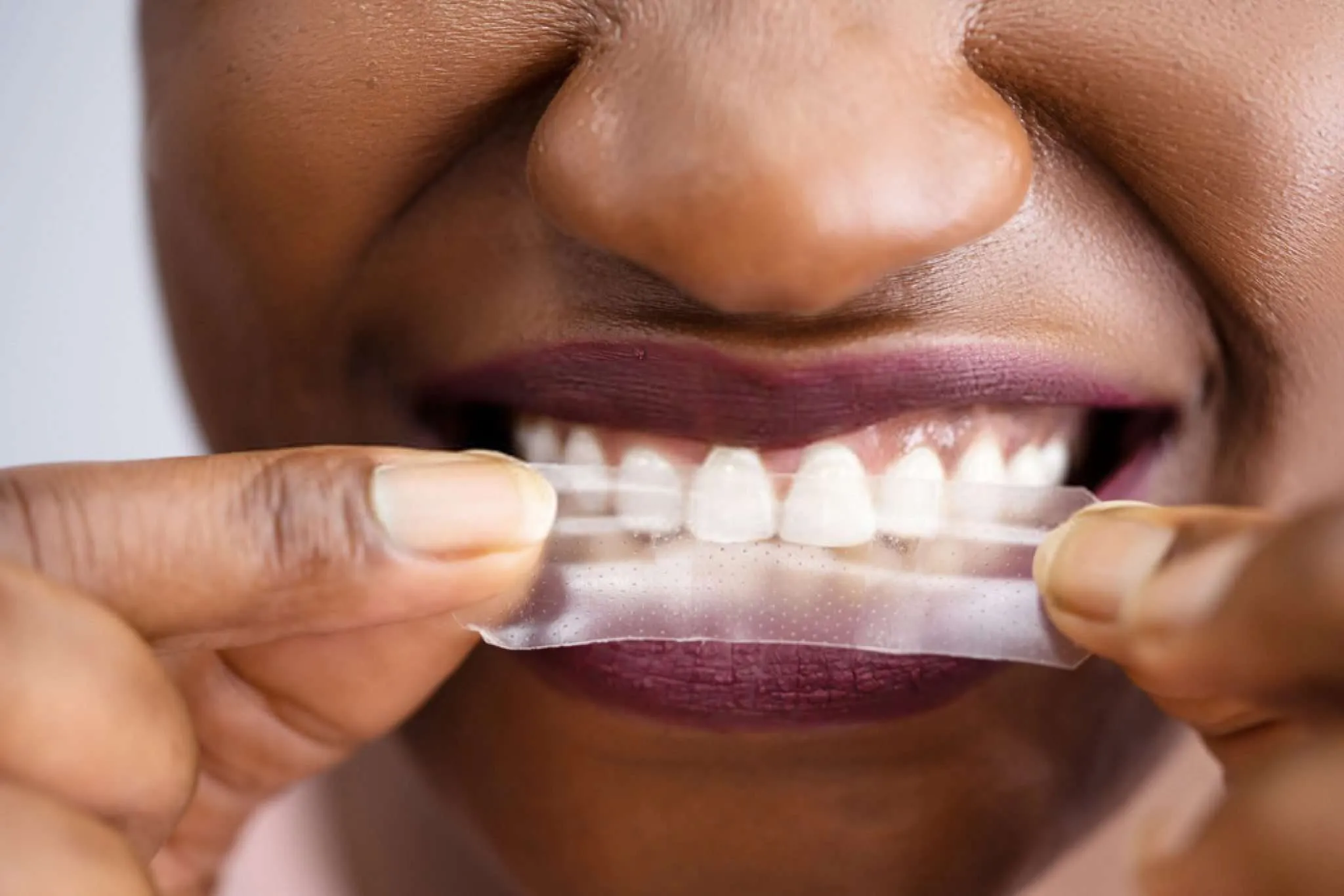
Whitening Strips Everyday Top 5 Facts
Whitening strips have become a popular at-home solution for achieving a brighter, more confident smile. These thin, flexible strips are coated with a whitening agent and are designed to be applied directly to your teeth. But with the increasing popularity comes a crucial question should you use whitening strips every day? This article dives deep into the top 5 facts you need to know before incorporating whitening strips into your daily oral hygiene routine, exploring the ingredients, potential side effects, effectiveness, and alternative options. Understanding these key aspects is essential for making informed decisions about your dental health and cosmetic goals. Let’s uncover the truth behind everyday whitening strip usage and determine if it’s the right choice for you.
Understanding Whitening Strips and Their Ingredients
To understand the impact of using whitening strips daily, it’s crucial to look under the hood. Whitening strips work through a chemical process, primarily relying on specific active ingredients that are designed to break down stains on the tooth surface. The effectiveness and safety of these strips are directly tied to the types and concentrations of these active components. Typically, the key ingredient is hydrogen peroxide, which acts as a bleaching agent. Other formulations may include carbamide peroxide, which breaks down into hydrogen peroxide when it comes into contact with water. Knowing these ingredients and how they function will give you the foundation to safely consider using whitening strips daily.
How Whitening Strips Work

Whitening strips work by adhering to the teeth and delivering a bleaching agent directly to the enamel. The active ingredient, usually hydrogen peroxide or carbamide peroxide, penetrates the enamel and breaks down the stain molecules. This process oxidizes the discolored compounds, effectively lightening the teeth. The strips are designed to maintain contact with the teeth for a specific duration, as indicated in the product instructions. The effectiveness can vary depending on the concentration of the active ingredients, the duration of application, and the individual’s oral health and the type of stains. The goal is to offer a non-invasive way to brighten teeth without visiting a dentist.
The Active Ingredients
The two primary active ingredients found in whitening strips are hydrogen peroxide and carbamide peroxide. Hydrogen peroxide is a potent bleaching agent that quickly breaks down stains. Carbamide peroxide is a slower-releasing form of hydrogen peroxide. As a result, it is commonly found in products intended for longer-term use, such as whitening strips. The concentration of these ingredients varies across different products, with higher concentrations typically resulting in faster but potentially more sensitive outcomes. These active ingredients react with the tooth enamel, and the efficacy of this process is critical to achieve the desired whitening outcome.
The Role of Hydrogen Peroxide
Hydrogen peroxide is the star player when it comes to whitening teeth. It’s an oxidizing agent that enters the porous enamel structure and breaks down the stain molecules. This process doesn’t remove the enamel; instead, it alters the structure of the stain compounds, making them less visible and thus making your teeth appear whiter. The concentration of hydrogen peroxide plays a crucial role in how quickly and effectively the whitening occurs. However, a higher concentration can also increase the likelihood of side effects, such as tooth sensitivity and gum irritation. The ultimate aim is to strike a balance between effectiveness and safety, creating a whitening experience that is both efficient and gentle.
Fact 1 Potential for Tooth Sensitivity

One of the most common side effects of using whitening strips is tooth sensitivity. The active ingredients, such as hydrogen peroxide, can penetrate the enamel and irritate the nerves inside the teeth. This sensitivity can manifest as sharp, sudden pain or discomfort, particularly when consuming hot or cold foods and drinks. The intensity of the sensitivity can vary depending on the concentration of the whitening agent, the duration of application, and the individual’s tooth sensitivity. If you already have sensitive teeth, using whitening strips every day could exacerbate this problem and cause considerable discomfort.
Why Sensitivity Occurs
Tooth sensitivity occurs because the whitening agents can pass through the enamel, which is the outer protective layer of the teeth. The bleaching agents can irritate the nerves inside the teeth or reach the dentin, a porous layer beneath the enamel, which has tiny tubules that lead directly to the nerves. This exposure causes the nerves to react more sensitively to temperature changes. The frequency of application is directly proportional to the risk. Daily use could make the teeth more sensitive because they’re constantly exposed to the chemicals, giving the enamel less time to recover and remineralize.
How to Manage Sensitivity
If you experience tooth sensitivity, there are several ways to manage it. Switching to a toothpaste designed for sensitive teeth, which contains ingredients like potassium nitrate or stannous fluoride, can help block the nerve signals and reduce discomfort. You can also adjust the frequency of whitening strip use, applying them less often or for shorter periods. Avoiding extremely hot or cold foods and drinks can also reduce sensitivity. If the sensitivity is severe or prolonged, consult with your dentist, who may recommend other treatments such as fluoride varnish or desensitizing agents.
Fact 2 Gum Irritation Risks

Besides tooth sensitivity, gum irritation is another potential side effect of using whitening strips, especially when used daily. The strong chemicals present in the strips can come into contact with the soft tissues of the gums, leading to inflammation, redness, and even blistering. This irritation is more likely to occur if the strips are not applied correctly, such as when they overlap the gums or are left on the teeth for longer than recommended. Daily use increases the exposure time to the chemicals, thus increasing the risk of gum irritation and discomfort. The overall health of your gums is a vital factor in your ability to use whitening strips without issues.
Causes of Gum Irritation
Gum irritation is usually caused by direct contact with the whitening agents, such as hydrogen peroxide. If the strips do not fit properly or if they extend beyond the teeth, these chemicals may seep into the gum tissues. Also, the chemicals might damage the delicate tissues of the gums, causing them to become inflamed and irritated. The frequency of use has a cumulative effect, so daily applications can repeatedly expose the gums to these irritants, increasing the likelihood of inflammation and discomfort. Proper application and adherence to product instructions are essential to minimize the risk of irritation.
Preventative Measures for Gum Health
To minimize the risk of gum irritation, it is crucial to apply whitening strips correctly. Make sure the strips cover only your teeth and avoid touching the gums. If the strips are too large, you can trim them to fit your teeth better. Always follow the product instructions carefully and avoid leaving the strips on for longer than the recommended time. After applying the strips, carefully rinse your mouth to remove any excess whitening agents. Regular dental check-ups are also essential for monitoring your gum health and addressing any potential issues early.
Fact 3 Effectiveness and Whitening Results

Whitening strips can be effective in lightening the shade of your teeth and removing stains. The extent of whitening varies depending on several factors, including the concentration of the active ingredients, the duration of application, and the type of stains present. Daily use might lead to faster and more noticeable results initially. However, the effectiveness of whitening strips is limited by the concentration of the active ingredients and the contact time with the teeth. Knowing what to expect will allow you to decide if daily usage is needed, and you can adjust accordingly. The results will vary, so knowing the variables will help manage your expectations.
Factors Influencing Whitening
Several factors influence the effectiveness of teeth whitening. The type and severity of stains play a significant role; surface stains from coffee, tea, or tobacco are usually easier to remove than intrinsic stains caused by medication or aging. The concentration of the whitening agent is a crucial factor, as higher concentrations often lead to faster results but increase the risk of sensitivity. The duration and frequency of application, as well as individual variations in enamel thickness and tooth structure, also affect the outcome. Understanding these variables is key to managing expectations and choosing a suitable whitening regimen.
Realistic Expectations for Results
It’s essential to have realistic expectations about the results you can achieve with whitening strips. These products can lighten your teeth by several shades, but they are not a permanent solution. The results are temporary, and the teeth will gradually darken over time due to everyday habits, such as consuming staining foods and beverages. Furthermore, the results vary from person to person. Understanding these limitations helps you make informed decisions about the frequency and duration of use. It helps you set reasonable goals and helps you keep your teeth healthy without overdoing it.
Fact 4 Duration and Frequency of Use

The recommended duration and frequency of using whitening strips vary depending on the product and the manufacturer’s instructions. Daily use is often suggested for a short period, such as a week or two, to achieve initial results. However, using whitening strips every day for extended periods is generally not recommended due to the increased risk of side effects. Many products recommend using the strips once or twice a day for a specified amount of time. Always adhere to the product’s instructions to ensure safety and maximize effectiveness. It’s essential to understand that more frequent use does not always equate to better results and may lead to adverse outcomes.
Following Product Instructions
The most crucial step in using whitening strips is to follow the product instructions precisely. These instructions are designed to ensure the safe and effective use of the product. Read the instructions carefully before you begin, and pay attention to the recommended application time, frequency, and any other guidelines provided by the manufacturer. Using the product incorrectly or for longer than recommended can increase the risk of side effects, such as tooth sensitivity and gum irritation. If you’re unsure about any part of the instructions, consult a dentist or other healthcare professional.
Avoiding Overuse
Avoiding overuse of whitening strips is essential for protecting your oral health. Overuse does not necessarily lead to better or longer-lasting results; instead, it significantly increases the risk of adverse effects. Do not exceed the recommended frequency or duration of use, and do not use multiple whitening products simultaneously unless specifically advised by a dentist. If you notice any signs of tooth sensitivity or gum irritation, stop using the strips immediately and consult with a dental professional. Taking care of your teeth is essential, and avoiding overuse of the product is crucial to keep your teeth healthy.
Fact 5 Alternative Whitening Methods

If you’re hesitant about using whitening strips every day or if you’re experiencing side effects, several alternative teeth-whitening methods are available. These options provide you with more control over your teeth-whitening routine while reducing the potential for side effects. Considering these alternatives is essential for people who want to achieve a brighter smile without exposing themselves to potential side effects. These alternatives can provide safer, more customized whitening solutions.
Professional Whitening Options
Professional teeth-whitening treatments performed by a dentist offer a safe and effective alternative to at-home whitening strips. These treatments often involve higher concentrations of whitening agents and can provide more dramatic results in a single visit. Your dentist can also provide customized whitening trays and solutions for at-home use, allowing for a more tailored approach. They can monitor your progress and address any potential side effects. Professional whitening ensures that the treatment is both safe and effective and that the results last longer than with at-home methods. Your dentist will also be able to address any issues or provide suggestions to keep your teeth healthy.
Home Remedies for Whitening
There are several home remedies that can help with teeth whitening, although their effectiveness may vary. Some people use baking soda and hydrogen peroxide, creating a paste that is applied to the teeth. Others use activated charcoal, which is believed to absorb stains. However, it’s essential to note that the evidence supporting these remedies is limited. You may want to consider some lifestyle adjustments as well. Brushing your teeth after consuming staining foods or beverages, such as coffee, tea, and red wine, can help prevent stains from setting. Using a straw can minimize the contact of these beverages with your teeth. Regular dental checkups and professional cleanings are also essential for removing surface stains and maintaining oral health.
In conclusion, while whitening strips can be an effective way to brighten your smile, the question of whether to use them every day requires careful consideration. The potential for tooth sensitivity and gum irritation, along with the importance of following product instructions, makes daily use generally unadvisable. Understanding the active ingredients, the factors that influence whitening, and the alternative options available will help you make an informed decision that prioritizes both the aesthetics of your smile and your long-term oral health. If you are still unsure, consult with a dental professional to determine the best teeth-whitening approach for your unique needs and oral health status.