What are Invisalign Attachments?
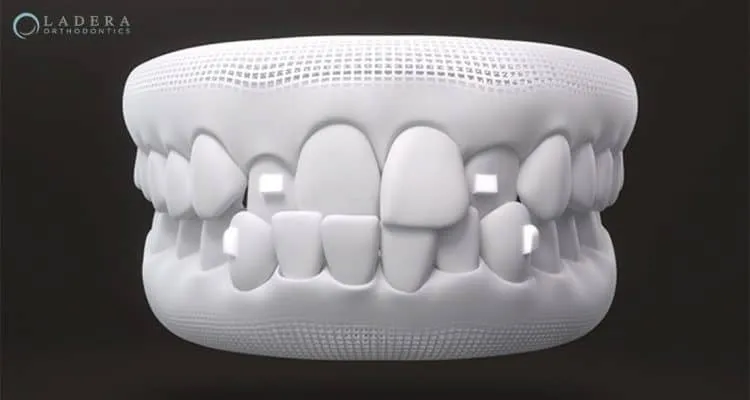
Invisalign attachments are small, tooth-colored bumps that are affixed to your teeth during Invisalign treatment. They act as anchors, providing additional grip for the aligners and facilitating the movement of teeth into the desired positions. These attachments are crucial for achieving the planned results of your orthodontic treatment. Typically made of composite resin, attachments are bonded to the teeth using a special adhesive. They are designed to blend in with your natural teeth, however, they can be susceptible to staining from various sources. These attachments help to ensure that the aligners apply the correct amount of force to the teeth in the right direction, enabling a more effective and predictable treatment outcome. They play a key role in complex tooth movements that aligners alone may not be able to achieve and are customized to fit each tooth and aligner design.
Why do Attachments Stain?
Invisalign attachments, made of composite resin, are porous and prone to staining. Their texture can easily trap pigments from food and drinks. The staining process is gradual and can be exacerbated by consuming highly pigmented items like coffee, tea, red wine, and certain foods. Furthermore, the attachments’ position on the teeth makes them vulnerable to staining, especially when they’re located in areas not easily cleaned by brushing. Poor oral hygiene practices can also contribute to staining, as food particles and bacteria can accumulate around the attachments, leading to discoloration. This discoloration can negatively affect the overall aesthetic outcome of your Invisalign treatment. Therefore, understanding the reasons behind attachment staining is essential for implementing effective preventive measures and maintaining a bright, confident smile throughout your treatment.
Foods and Drinks to Avoid
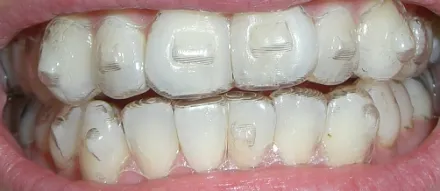
To minimize staining, it’s essential to be mindful of your diet. Certain foods and drinks are notorious for their staining properties, and limiting their consumption during your Invisalign treatment can help preserve the appearance of your attachments. Items like coffee, tea, and red wine are high on the list, as their dark pigments easily adhere to the porous surface of the attachments. Additionally, deeply colored foods such as berries, curries, and soy sauce can also contribute to staining. Being aware of these items and adjusting your diet accordingly can significantly reduce the risk of discoloration, ensuring your attachments and teeth remain as clear and bright as possible. This dietary caution is a crucial part of maintaining a beautiful smile throughout your Invisalign journey, helping you achieve the best aesthetic results from your treatment.
Foods that can Stain Attachments
Many foods contain natural or artificial pigments that can stain Invisalign attachments. Foods high in tannins, such as grapes and pomegranates, can cause discoloration. Similarly, deeply colored fruits like blueberries, blackberries, and cherries can leave stains if consumed frequently. Sauces like soy sauce, balsamic vinegar, and curry, which have concentrated pigments, are also major culprits. It’s best to limit these foods and rinse your mouth with water after consumption to help prevent staining. Regular consumption, especially without proper oral hygiene, can lead to noticeable changes in the attachments’ color, impacting the overall appearance of your smile during treatment. Therefore, careful consideration of these foods is a vital step in maintaining the clarity and effectiveness of your attachments.
Drinks that can Stain Attachments
Certain beverages are notorious for staining Invisalign attachments. Coffee and tea, both containing high levels of tannins, can quickly discolor the attachments, making them appear yellow or brown. Red wine, another common culprit, has intense pigments that can attach to the attachment surfaces. Dark-colored sodas and fruit juices, especially those with added dyes, can also contribute to staining. Even clear liquids can sometimes contain additives that lead to discoloration over time. To minimize staining, consider drinking these beverages through a straw to limit contact with your attachments. Regular rinsing and meticulous oral hygiene are essential to prevent the buildup of stains, maintaining the aesthetic outcome of your Invisalign treatment. Careful beverage choices are key to a bright, stain-free smile.
Whitening Methods for Attachments

Several methods can help whiten Invisalign attachments, ranging from simple at-home techniques to professional treatments. The effectiveness of each method depends on the severity of the staining and the type of attachments used. Understanding your options can help you maintain a bright, confident smile throughout your treatment. The choice of method should also consider the potential impact on your attachments and overall oral health. Consulting with your dentist is advisable to determine the best approach, ensuring it aligns with your treatment plan and minimizes any risks. The goal is to find a whitening solution that effectively addresses discoloration while safeguarding the integrity and appearance of your attachments. This careful approach is crucial for achieving optimal aesthetic results during your Invisalign journey, making it a worthwhile investment in your smile.
Whitening Toothpaste
Whitening toothpaste can be a simple and accessible method for addressing minor staining on Invisalign attachments. These toothpastes typically contain mild abrasives or chemical agents, like hydrogen peroxide, designed to remove surface stains. Regular use, alongside proper brushing technique, can help maintain the clarity of your attachments. However, it’s important to choose whitening toothpaste cautiously, as some products can be too abrasive and potentially damage the attachment surfaces or cause sensitivity. Look for toothpastes with lower levels of abrasives and consider consulting your dentist for a recommendation. While whitening toothpastes can be a helpful part of your oral hygiene routine, they may not be effective for severe stains. It’s also essential to use them as part of a comprehensive oral care plan that includes flossing and regular dental check-ups. Consistent use of the correct whitening toothpaste can help you keep your attachments looking fresh, maintaining a vibrant smile throughout your treatment.
Professional Whitening Options
Professional whitening treatments, performed by a dentist, offer the most effective solutions for removing stubborn stains from Invisalign attachments. These treatments often involve the use of stronger bleaching agents, like higher concentrations of hydrogen peroxide, which are applied directly to the teeth. The dentist can control the process, ensuring the safety and effectiveness of the treatment. In-office procedures are generally faster, providing immediate results, which are particularly beneficial for severe staining. Your dentist can also assess your teeth and attachments, determining the most suitable whitening method and minimizing any potential risks. These professional treatments can significantly improve the appearance of your attachments, restoring their original clarity and brightness. Though more expensive than at-home methods, professional whitening delivers more reliable and dramatic outcomes. Seeking professional help is a valuable investment in achieving a beautifully aligned and brilliantly white smile throughout your Invisalign journey.
Over-the-Counter Whitening

Over-the-counter whitening products, such as whitening strips and gels, are available for those seeking a convenient option for addressing attachment staining. These products often contain lower concentrations of bleaching agents compared to professional treatments, making them less potent but still capable of improving the appearance of your attachments. While they offer an accessible and affordable option, the results may vary, depending on the severity of the staining. It is crucial to follow the instructions carefully and avoid overuse, as this can lead to tooth sensitivity or other adverse effects. Always consult your dentist before using over-the-counter whitening products to ensure they are appropriate for your specific case and won’t negatively impact your attachments or teeth. Regular use, combined with good oral hygiene, can help maintain a brighter smile throughout your Invisalign treatment. Careful use is important to maximize effectiveness and minimize the risks associated with these products, giving you a boost in confidence during your Invisalign journey.
Maintaining Your Smile
Maintaining a bright smile throughout your Invisalign treatment requires consistent oral hygiene practices and preventive measures. Regular brushing with a non-abrasive toothpaste, flossing daily, and rinsing with an antimicrobial mouthwash are essential for preventing stains and removing food particles that can lead to discoloration. It is equally important to schedule and attend regular dental check-ups and professional cleanings. Your dentist can assess your attachments, remove any accumulated stains, and provide guidance on the best practices to maintain a healthy and attractive smile. These proactive steps will not only help keep your attachments clear and stain-free but also improve your overall oral health. Being diligent with your oral care routine and seeking professional help are key components in achieving the desired aesthetic results and maintaining a confident, radiant smile throughout your Invisalign journey, ensuring that your teeth move smoothly and efficiently.
Best Practices
Implementing best practices in your daily routine is critical for keeping Invisalign attachments stain-free. Brush your teeth thoroughly at least twice a day, paying special attention to the areas around your attachments to remove food particles and plaque. Floss daily to eliminate debris from hard-to-reach spots between your teeth. Rinse your mouth after meals and snacks with water or an antiseptic mouthwash to wash away potential staining agents. Regularly clean your Invisalign aligners to prevent bacteria build-up and ensure they fit snugly against your teeth. Avoid smoking and limit consumption of stain-causing foods and drinks. Consider using a straw for beverages that tend to stain. Routine dental check-ups and professional cleanings are vital for maintaining a clean and bright smile. These practices work together to minimize the risk of attachment staining, maximizing the clarity of your attachments and the beauty of your smile throughout your Invisalign treatment.
How to Prevent Staining

Preventing staining involves several proactive steps to safeguard your Invisalign attachments. The first line of defense is dietary control limiting the intake of stain-causing foods and drinks. Rinsing your mouth with water immediately after consuming these items is essential to minimize the impact of pigments on your attachments. Proper oral hygiene practices, including regular brushing, flossing, and the use of mouthwash, are crucial. Ensure the aligners fit properly and are cleaned regularly to prevent bacteria. Consider using a straw for beverages that can stain, reducing direct contact with the attachments. Regularly visit your dentist for check-ups and professional cleanings. Incorporating these steps into your daily routine can significantly reduce the chances of staining, maintaining the clarity of your attachments and the beauty of your smile throughout your Invisalign treatment, giving you the confidence to show off your new smile.
Frequently Asked Questions
Can I whiten my attachments at home?
Yes, you can try to whiten your Invisalign attachments at home, but the effectiveness varies. Over-the-counter whitening products, like strips and gels, are available, however, results may be less dramatic compared to professional treatments. It is important to consult with your dentist before using these products to ensure they are suitable for your specific situation. Proper oral hygiene, including regular brushing and flossing, can also help prevent staining and maintain the clarity of your attachments. Always follow the instructions provided with at-home whitening products, and discontinue use if you experience any sensitivity. If you have severe staining or desire more significant results, professional whitening is likely the best choice. Making informed decisions and consulting with your dentist allows you to choose the right approach for your needs, helping you achieve a brighter, more confident smile during your Invisalign treatment, giving you the smile you have always wanted.
Will whitening affect my attachments?

Whitening treatments can affect Invisalign attachments, but the impact depends on the method used. Professional whitening treatments often use stronger agents that may slightly alter the attachments’ appearance, but dentists usually take precautions to mitigate this. At-home whitening products might not significantly affect the attachments, but their effectiveness in removing stains can vary. Discuss the potential effects of whitening with your dentist before starting any treatment. They can advise you on the best methods for your specific attachments, ensuring they remain both effective and aesthetically pleasing. Careful consideration of the risks and benefits, along with professional guidance, is crucial for maintaining a clear and bright smile during your Invisalign treatment, letting you enjoy your journey to a straighter, more confident smile.
Conclusion
Maintaining the appearance of Invisalign attachments is an essential part of achieving a beautiful smile throughout your treatment. By understanding the causes of staining, employing preventative measures, and choosing the right whitening methods, you can keep your attachments clear and your smile radiant. Prioritizing proper oral hygiene, making informed dietary choices, and seeking professional guidance are key steps to success. Whether you opt for at-home remedies or professional treatments, consistent care and attention will ensure that your attachments remain as discreet as possible, and your smile continues to improve. Following these guidelines will help you achieve the desired results from your Invisalign journey, giving you the confidence to show off a brighter, straighter smile. Regular dental check-ups, coupled with proactive maintenance, are crucial for a successful outcome. This will help you look and feel your best throughout your Invisalign treatment.