
What is Whitening Cream?
Whitening creams, also known as skin lightening or skin brightening creams, are cosmetic products designed to reduce the concentration of melanin in the skin. Melanin is the pigment responsible for giving skin its color. These creams aim to lighten the skin tone, reduce the appearance of dark spots, age spots, and uneven skin tone. They achieve this by interfering with the production of melanin or by exfoliating the top layer of the skin to reveal lighter skin cells. The effectiveness of a whitening cream often depends on its active ingredients, the concentration of these ingredients, and the user’s skin type and the specific skin concerns being addressed.
The Science Behind Whitening Creams
The science behind whitening creams involves understanding melanogenesis, the process by which melanin is produced. Melanin is synthesized by melanocytes, specialized cells in the skin, through a complex series of biochemical reactions. Key enzymes like tyrosinase play a crucial role in this process. Whitening creams target this process in several ways. Some ingredients inhibit tyrosinase, thus reducing melanin production. Others may help to shed the outer layers of the skin, removing existing melanin. Additionally, certain ingredients act as antioxidants, protecting the skin from further damage that can trigger melanin production. The specific mechanisms of action vary widely depending on the active ingredients used in the formulation of the cream, and understanding these mechanisms is key to using these products effectively and safely.
How Whitening Creams Work

Whitening creams work through a variety of mechanisms to lighten the skin. The most common approach is to inhibit tyrosinase, an enzyme essential for melanin production. Ingredients like hydroquinone, kojic acid, and arbutin are tyrosinase inhibitors. Another mechanism involves exfoliating the skin’s surface to remove pigmented cells. Ingredients such as alpha-hydroxy acids (AHAs) and beta-hydroxy acids (BHAs) promote cell turnover, leading to a brighter complexion. Some creams contain antioxidants that protect the skin from environmental stressors that can trigger melanin production. Ultimately, the goal is to reduce the presence of melanin in the skin, leading to a lighter and more even skin tone. The effectiveness depends on the concentration of active ingredients, the type of skin, and consistency of use.
Top 7 Facts About Whitening Creams
Fact 1 Understanding the Ingredients
The efficacy and safety of a whitening cream heavily depend on its ingredients. Common active ingredients include hydroquinone, known for its potent skin-lightening effects, though it has potential risks and is regulated in certain regions. Other ingredients like kojic acid, derived from fungi, and arbutin, from plants, are gentler tyrosinase inhibitors. Vitamin C, a powerful antioxidant, can also help brighten skin and protect against further damage. When selecting a whitening cream, review the ingredient list carefully and research each component. It is essential to consider the concentration of active ingredients and any potential allergens or irritants that could impact skin health. Understanding the role of each ingredient ensures a more informed choice and minimizes potential side effects.
Fact 2 Types of Whitening Creams
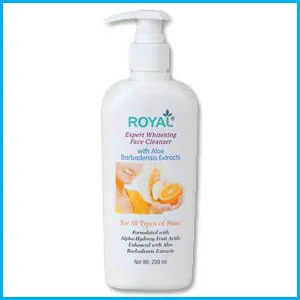
Whitening creams are available in several forms, each designed for different skin types and concerns. Creams are often suitable for general use, providing moderate hydration and effective ingredient delivery. Serums, with their lightweight formulations, are great for targeted treatments and are absorbed quickly. Lotions offer a balanced approach, suitable for larger body areas, and are often less concentrated than creams. Gels are ideal for oily or acne-prone skin, providing a light, non-greasy feel. Understanding the form and its benefits will help match the product to the skin’s needs. For instance, sensitive skin may benefit from a cream with soothing ingredients, while those targeting dark spots might prefer a serum with concentrated active ingredients.
Fact 3 Benefits of Whitening Creams
Whitening creams offer a range of benefits beyond simple skin lightening. Many are designed to address hyperpigmentation, reducing the appearance of dark spots and uneven skin tone. They can also help diminish age spots, sunspots, and acne scars, promoting a more even complexion. Some formulations include moisturizing agents, improving skin hydration and texture. The use of these creams can result in a brighter, more radiant skin appearance, which can improve self-confidence. The antioxidants present can offer protection against environmental damage. Additionally, they can be useful in managing conditions like melasma. Consistent and appropriate use can lead to a healthier, more vibrant skin appearance.
Fact 4 Risks and Side Effects
While whitening creams offer potential benefits, it’s crucial to be aware of potential risks and side effects. Common side effects include skin irritation, redness, and dryness, especially with stronger formulations. Long-term use of hydroquinone, a common ingredient, can lead to ochronosis, a condition causing the skin to turn a bluish-black color. Some creams can increase sensitivity to the sun, heightening the risk of sunburn and further damage. Always perform a patch test before widespread use to check for adverse reactions. Consult a dermatologist if you experience any concerning symptoms. Choosing products with fewer harsh chemicals can reduce the risk of side effects and ensure a safer experience.
Fact 5 Choosing the Right Whitening Cream for Your Skin

Selecting the right whitening cream requires careful consideration of your skin type, concerns, and the ingredients. If you have sensitive skin, opt for creams with gentle, plant-based ingredients like arbutin or kojic acid. Oily or acne-prone skin may benefit from lightweight serums or gels. Assess the areas you want to treat: dark spots may require a higher concentration of active ingredients, while overall lightening might need a more balanced formula. Always check the ingredient list for potential allergens or irritants. Reading reviews and consulting with a dermatologist can help you choose a cream that is effective and safe for your specific needs. Start with a lower concentration and gradually increase it as needed to minimize the risk of side effects.
Fact 6 How to Use Whitening Cream Effectively
Using whitening cream effectively involves following specific guidelines for optimal results. Always start with clean, dry skin. Apply a thin layer of the cream to the affected areas, and avoid applying it to the entire face unless specified. Consistency is key: apply the cream as directed by the product instructions, often once or twice daily. Pair it with a broad-spectrum sunscreen with an SPF of 30 or higher during the day to prevent further sun damage. Be patient, as results take time; often several weeks or months to become visible. Monitor your skin for any signs of irritation and adjust usage or consult a dermatologist as needed. Following these steps enhances the effectiveness and safety of your whitening cream regimen.
Fact 7 Maintaining Results
Maintaining the results achieved with whitening creams requires a comprehensive approach. Continue using the cream as directed to prevent the return of dark spots and uneven skin tone. Regularly apply sunscreen with a high SPF to protect the skin from further sun damage. Incorporate other skincare products that support your goals, such as antioxidants and gentle exfoliants. Consider regular professional treatments, like chemical peels or microdermabrasion, to enhance and maintain results. A healthy lifestyle, including a balanced diet and adequate hydration, contributes to overall skin health. Consistency, proper skincare, and sun protection will extend the benefits of your whitening cream and keep your skin radiant.
Expert Tips for Optimal Whitening Cream Usage

For optimal whitening cream usage, consider these expert tips. Always conduct a patch test before applying the cream widely. Start with a small amount on a less visible area, like the inner arm, to check for adverse reactions. Apply the cream consistently as directed to see results. Use sunscreen daily, as the sun can counteract the cream’s effects. Exfoliate your skin gently once or twice a week to enhance the cream’s penetration and effectiveness. Avoid combining multiple strong active ingredients without expert advice. Stay hydrated and eat a healthy diet to support skin health. If you’re unsure, always consult a dermatologist for personalized advice. By following these steps, you can maximize the benefits and minimize potential risks associated with whitening creams.
Comparing Different Whitening Cream Brands
Comparing different whitening cream brands requires evaluating several factors. Examine the active ingredients in each product and their concentrations. Research the brand’s reputation, reading customer reviews and checking for certifications. Consider the specific skin concerns each cream addresses – does it target dark spots, overall lightening, or both? Look for additional ingredients like moisturizers, antioxidants, or sunscreens that enhance the product’s benefits. Compare prices and product sizes to assess value. Consider your skin type and choose a brand that formulates products suited to your needs. It’s also helpful to check for any scientific studies or clinical trials that support the brand’s claims. Comparing different brands ensures you select a product that meets your skin goals and budget.
Potential Risks and Side Effects of Whitening Creams
Whitening creams can pose several potential risks and side effects. Hydroquinone, a common ingredient, can cause ochronosis, characterized by a bluish-black skin discoloration from long-term use. Other ingredients may cause skin irritation, redness, and dryness. Prolonged use of some creams can lead to increased sensitivity to sunlight, increasing the risk of sunburn and skin damage. Some products may also contain steroids, which can thin the skin, causing visible blood vessels and easy bruising. Always perform a patch test before widespread use and monitor your skin closely for any unusual changes. If you experience any adverse reactions, consult a dermatologist immediately. It is essential to be informed about potential risks to use whitening creams safely.
Alternatives to Whitening Creams
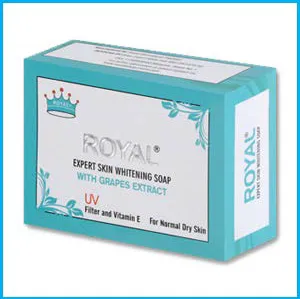
There are several effective alternatives to whitening creams that can help improve skin tone and reduce hyperpigmentation. Chemical peels, using AHAs or BHAs, exfoliate the skin, promoting cell turnover and reducing dark spots. Laser treatments, like IPL, target melanin to lighten the skin and reduce discoloration. Microdermabrasion gently exfoliates the skin’s surface, promoting a brighter complexion. Topical treatments containing retinoids, such as retinol, can also help with skin brightening and texture. Dietary changes, including increased intake of antioxidants, such as Vitamin C and E, can also support skin health. Consulting with a dermatologist is crucial to determine the best alternatives suited to your skin type and concerns.
Conclusion
Whitening creams can be valuable tools in achieving a brighter and more even skin tone when used correctly. Understanding the ingredients, how they work, and the potential risks associated with their use is crucial for making informed choices. Choosing the right product for your skin type, following expert tips, and maintaining results with consistent care will lead to positive outcomes. Remember to always prioritize skin health by using sun protection, consulting with dermatologists, and considering alternative options. With diligence and attention to detail, you can safely incorporate whitening creams into your skincare routine and achieve radiant, healthy skin.