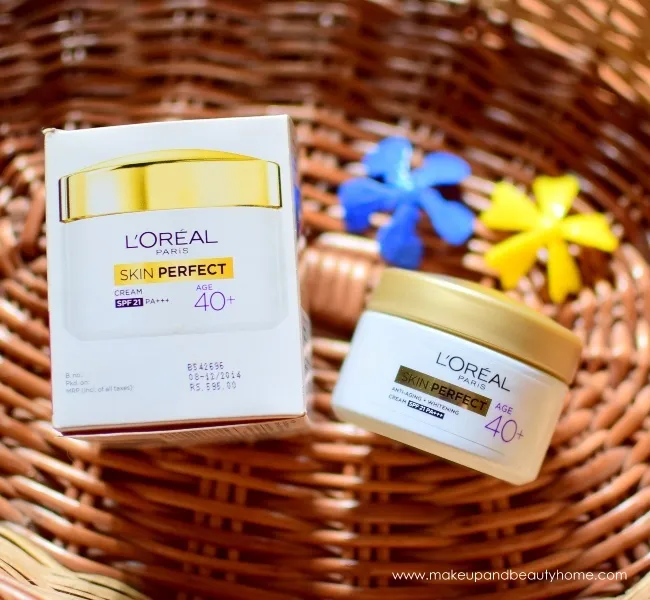
What is Whitening Cream?
Whitening creams, often marketed as skin-brightening or lightening creams, are designed to reduce the appearance of dark spots, uneven skin tone, and hyperpigmentation. These creams typically work by inhibiting melanin production, the pigment responsible for skin color. The goal is to achieve a more even and radiant complexion. Many people turn to these creams to address issues like sunspots, age spots, acne scars, or general dullness. However, it’s crucial to understand the ingredients and how they interact with your skin type before incorporating any whitening cream into your skincare routine.
How Does Whitening Cream Work?
Whitening creams typically contain active ingredients that target melanin production. Melanin is produced by melanocytes, cells in the skin. These creams work by interfering with the process that leads to melanin production, either by inhibiting the enzyme tyrosinase, which is essential for melanin synthesis, or by disrupting the transfer of melanin to the skin cells. The effectiveness of a whitening cream often depends on the concentration of the active ingredients, the formulation of the cream, and how consistently it is used. It is also important to combine these creams with other skincare practices, like using sunscreen, to prevent further damage.
Key Ingredients in Whitening Creams

A variety of ingredients are used in whitening creams, each with its mechanism of action. Understanding these ingredients is crucial to choosing the right product for your needs. Common active ingredients work differently. Some can be more irritating or effective, depending on the individual.
Understanding Active Ingredients
Some of the most effective ingredients include hydroquinone, a potent skin-lightening agent that inhibits melanin production; however, it’s often regulated due to potential side effects. Other options include Vitamin C, a powerful antioxidant that brightens skin and reduces melanin production; niacinamide, a form of vitamin B3 that helps reduce hyperpigmentation and improve skin tone; and arbutin, a natural compound that inhibits tyrosinase. Retinoids, such as retinol, can also be used, as they increase skin cell turnover, which helps to remove pigmented cells. These are just a few examples, and the effectiveness of each varies from person to person.
Common Ingredients to Avoid
While some ingredients are beneficial, it’s important to be aware of those that can be harmful or ineffective. Some whitening creams may contain mercury, a toxic heavy metal that can cause severe health problems. Always check the ingredient list and avoid products that list mercury or calomel. Additionally, some products may contain excessive amounts of harsh chemicals or bleaching agents that can irritate or damage the skin, making it more susceptible to sun damage and other problems. Always do a patch test before using a new product to ensure it does not cause any adverse reactions.
Top 5 Facts About Whitening Cream

Fact 1 It Reduces Dark Spots and Hyperpigmentation
One of the primary benefits of whitening creams is their ability to reduce the appearance of dark spots and hyperpigmentation. This includes sunspots, age spots, and acne scars. The active ingredients in these creams work by inhibiting melanin production, gradually fading the spots and evening out skin tone. Regular use can lead to a noticeable reduction in discoloration, resulting in a more uniform complexion.
Fact 2 It Improves Skin Tone and Brightness
Whitening creams can significantly improve the overall skin tone and brightness. By reducing melanin production and promoting cell turnover, these creams can unveil a more radiant complexion. The results are often a noticeable improvement in skin clarity, with skin appearing more luminous and healthy. This makes the skin look more youthful and vibrant. Continued use helps to maintain the brighter skin tone, providing a lasting glow.
Fact 3 It Protects Against Sun Damage

Some whitening creams contain ingredients with antioxidant properties that can help protect the skin from sun damage. Vitamin C, for instance, is a powerful antioxidant that neutralizes free radicals caused by UV exposure. This helps to prevent further darkening of the skin and reduces the risk of developing new dark spots. However, whitening creams are not a substitute for sunscreen. Sunscreen is essential for protecting the skin from the sun’s harmful rays. Make sure to use a broad-spectrum sunscreen with an SPF of 30 or higher daily.
Fact 4 It Enhances Skin Hydration
Many whitening creams are formulated with moisturizing ingredients that enhance skin hydration. Properly hydrated skin is more supple, radiant, and better able to absorb active ingredients. Some creams contain ingredients like hyaluronic acid or glycerin, which draw moisture into the skin, preventing dryness and flakiness. Proper hydration is essential for maintaining healthy skin and maximizing the effectiveness of the whitening cream.
Fact 5 It Evens Out Skin Texture
In addition to reducing dark spots and improving skin tone, whitening creams can help to even out skin texture. Some ingredients promote cell turnover, helping to remove dead skin cells and reveal a smoother, more refined complexion. This can lead to a reduction in the appearance of fine lines, wrinkles, and other imperfections. Using a whitening cream can result in skin that feels softer, smoother, and more even-toned, creating a more youthful look.
Choosing the Right Whitening Cream

Selecting the right whitening cream requires careful consideration of your skin type, skin concerns, and the ingredients in the product. The best cream for you will depend on your individual needs and goals. It is advisable to consult with a dermatologist to determine which products are most appropriate for your skin.
Factors to Consider
Before choosing a whitening cream, several factors should be taken into account. Consider your skin type. If you have sensitive skin, look for products that are fragrance-free and hypoallergenic. If you have oily skin, choose a lightweight, non-comedogenic formula to avoid clogging pores. Pay attention to the concentration of active ingredients, as higher concentrations can lead to better results but may also cause irritation. It is also vital to perform a patch test before applying the cream to your face to check for allergic reactions. Always read product reviews and consult with a dermatologist.
Skin Type
Your skin type plays a crucial role in determining which whitening cream is right for you. If you have dry skin, you’ll need a cream that provides ample hydration, while those with oily skin should opt for oil-free or gel-based formulas to prevent breakouts. For sensitive skin, choose products that are free from harsh chemicals, fragrances, and alcohol. Consider the ingredients carefully. Some ingredients like hydroquinone can be irritating for sensitive skin. Always check if the products are dermatologically tested and suitable for your skin type.
Skin Concerns

Address your specific skin concerns when selecting a whitening cream. Are you trying to reduce dark spots, hyperpigmentation, or general dullness? If you are targeting dark spots, creams containing hydroquinone, vitamin C, or niacinamide may be effective. For uneven skin tone and dullness, look for products with ingredients that promote cell turnover, such as retinol or alpha-hydroxy acids (AHAs). If you have acne-prone skin, choose non-comedogenic formulas that won’t clog pores. Considering your skin concerns will help you choose the most suitable and effective whitening cream.
Product Reviews and Recommendations
Researching product reviews and recommendations can provide valuable insights into the effectiveness of whitening creams. Look for reviews from users with similar skin types and concerns to get a better idea of how the product might work for you. Check online reviews, social media, and beauty forums for real-world experiences and feedback. Also, consider recommendations from dermatologists and skincare professionals, who can suggest products based on your individual needs. Reading reviews helps you to make an informed decision before investing in a whitening cream.
Tips for Using Whitening Cream Effectively
To maximize the benefits of your whitening cream and minimize potential side effects, proper application and consistent use are essential. Also, incorporating the cream into a comprehensive skincare routine enhances its effectiveness. Implementing these tips will help you get the best results and maintain healthy, radiant skin.
Applying the Cream

Apply the whitening cream to clean, dry skin. Start by washing your face with a gentle cleanser and patting it dry. Apply a small amount of the cream to the affected areas or your entire face, as directed by the product instructions. Gently massage the cream into your skin until it is fully absorbed. It is important to avoid applying the cream too close to your eyes or lips. Allow the cream to absorb completely before applying any other skincare products or makeup. Always wash your hands thoroughly after application.
Consistency is Key
Consistency is crucial for seeing results with any whitening cream. Use the cream regularly, as directed by the product instructions, typically once or twice daily. Be patient, as it usually takes several weeks or months to see noticeable improvements in skin tone and brightness. Missing applications or using the cream inconsistently can reduce its effectiveness and delay results. Make the use of your whitening cream part of your daily skincare routine to ensure the best results.
Pairing with Other Skincare Products
Pairing your whitening cream with other skincare products can enhance its effectiveness and protect your skin. Always apply a broad-spectrum sunscreen with an SPF of 30 or higher during the day to protect your skin from further sun damage. Consider using a gentle cleanser, a hydrating serum, and a moisturizer to support skin health and reduce irritation. Avoid using multiple products with strong active ingredients simultaneously, as this can lead to irritation or sensitivity. Consult a dermatologist if you are unsure about combining products in your skincare routine.