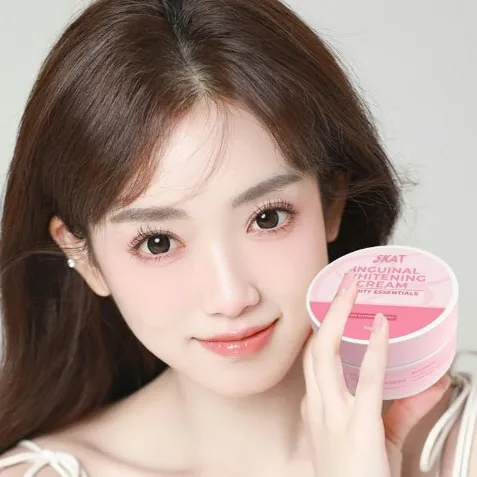
What is Whitening Cream for Private Parts
Whitening creams for private parts are topical products designed to lighten the skin in the genital and anal areas. The demand for these products has increased as individuals seek to address hyperpigmentation, which can be caused by various factors such as hormonal changes, friction, aging, and certain medical conditions. These creams typically contain ingredients that work to reduce the production of melanin, the pigment responsible for skin color. It’s crucial to understand that the effectiveness and safety of these products can vary greatly, and it is essential to approach their use with caution and informed decision-making, always keeping in mind your personal skin’s health and sensitivity. Consulting a dermatologist before use is highly recommended.
How Whitening Creams Work
Whitening creams work by targeting melanin production in the skin. Melanin is produced by cells called melanocytes, and its overproduction can lead to darker skin patches or an overall darker tone in the intimate areas. The active ingredients in these creams interfere with the processes that lead to melanin production. Some ingredients inhibit tyrosinase, an enzyme necessary for melanin synthesis, while others work to exfoliate the skin, removing the darkened surface cells. The goal is to reduce the concentration of melanin, thereby lightening the skin over time. However, the speed and degree of whitening depend on the specific ingredients, their concentration, and the individual’s skin type and response. Consistent use and adherence to product instructions are crucial for achieving desired results. Always consult a professional to understand the best approach for your skin.
The Best Ingredients in Whitening Creams

Several ingredients are commonly found in whitening creams, each with its specific mechanism of action and potential benefits. Understanding these ingredients is important for making an informed choice and assessing the potential risks and benefits. The effectiveness and safety of a product are largely determined by its ingredients.
Hydroquinone
Hydroquinone is a potent skin-lightening agent that works by inhibiting tyrosinase, the enzyme responsible for melanin production. It is often considered one of the most effective ingredients for skin whitening. However, it is also associated with potential side effects, including skin irritation, inflammation, and in rare cases, ochronosis (a permanent bluish-black discoloration of the skin). Due to these risks, hydroquinone is often available only by prescription in many countries, and its use should be closely monitored by a dermatologist. When used, it is usually for short periods to minimize the risk of adverse effects.
Kojic Acid
Kojic acid is a natural compound derived from various fungi. It functions as a tyrosinase inhibitor, reducing melanin production. It is generally considered gentler than hydroquinone, making it a popular ingredient in over-the-counter whitening creams. Kojic acid can be effective in lightening dark spots and overall skin tone, but it may cause skin irritation or sensitivity in some individuals. It is important to start with a low concentration and observe how the skin reacts. The effectiveness of kojic acid can also vary depending on the formulation and the concentration of the active ingredient.
Vitamin C

Vitamin C, particularly in the form of ascorbic acid, is a powerful antioxidant with skin-lightening properties. It inhibits melanin production and can also brighten the skin by promoting collagen synthesis and protecting against sun damage. Vitamin C is generally well-tolerated, making it a good option for those with sensitive skin. However, the effectiveness of Vitamin C depends on its concentration and the formulation. Look for products that contain a stable form of Vitamin C and are packaged in a way that protects the ingredient from light and air to maintain its potency. Regular use can lead to a brighter and more even skin tone.
Niacinamide
Niacinamide, a form of vitamin B3, offers multiple skin benefits, including skin lightening. It works by inhibiting the transfer of melanosomes (melanin-containing structures) to the skin cells. Niacinamide is generally considered safe and well-tolerated, making it suitable for various skin types. It can improve skin tone, reduce hyperpigmentation, and enhance the skin’s barrier function. The concentration of niacinamide in the product matters, and higher concentrations may provide better results. Regular use can lead to a more even complexion and improved skin health. It is an excellent ingredient for overall skin improvement, in addition to its whitening effects.
Top 5 Facts about Whitening Cream for Private Parts
Fact 1 The Effectiveness

The effectiveness of whitening creams for private parts varies significantly depending on the ingredients, concentration, and individual skin type. Some creams can produce noticeable results within a few weeks or months of consistent use, while others may have minimal impact. The key is to choose products with proven active ingredients and to manage expectations. It’s also important to remember that the intimate areas are often more sensitive than other parts of the body. Results may not be permanent, and maintenance may be required. Be realistic about the potential outcomes and consider consulting a dermatologist for a personalized assessment.
Fact 2 Possible Risks
Whitening creams can pose risks, including skin irritation, allergic reactions, and, in rare cases, more serious complications like ochronosis or other forms of skin damage. Some ingredients, such as hydroquinone, can cause adverse effects if used improperly or for extended periods. Always perform a patch test before applying the cream to a larger area, and monitor for any signs of irritation or sensitivity. Read the product label carefully and follow the instructions precisely. If you experience any adverse reactions, stop using the product immediately and consult a healthcare professional. Safety should always be a priority.
Fact 3 Proper Application
Proper application is essential for maximizing the effectiveness of whitening creams and minimizing risks. Always start with clean, dry skin. Apply a thin layer of the cream to the affected areas as directed by the product instructions. Avoid applying the cream to broken or irritated skin. Wash your hands thoroughly after application. Consistency is key; most creams require regular use to achieve desired results. Avoid using harsh soaps or exfoliants in the treated area, as they can increase sensitivity. Using sunscreen in the treated area is important, as the skin is more sensitive to the sun and can become easily irritated, or lead to hyperpigmentation.
Fact 4 Choosing the Right Product

Selecting the right whitening cream involves considering your skin type, the ingredients, and the potential risks. If you have sensitive skin, opt for products with gentler ingredients like vitamin C or niacinamide. Research the ingredients thoroughly and understand their potential side effects. Read reviews and check the product’s reputation. Avoid products with ingredients you are allergic to or that are known to cause irritation. Consulting a dermatologist is highly recommended to get personalized advice and guidance. Make sure the product is from a reputable source to ensure quality and safety. A patch test before full application is always a good idea.
Fact 5 Realistic Expectations
It’s important to have realistic expectations when using whitening creams. The results may not be immediate, and achieving a significant change in skin tone can take weeks or months of consistent use. The degree of whitening will vary depending on the individual’s skin type, the severity of the hyperpigmentation, and the product’s formulation. Not all products work the same for everyone. Remember, the goal is to improve the skin’s appearance and address hyperpigmentation, not to completely change your natural skin tone. Maintaining a healthy skincare routine and protecting the skin from sun exposure will also help to preserve the results. Be patient and consistent, and consult a professional if you have any concerns.
Risks and Side Effects
Whitening creams can cause several side effects. Common issues include skin irritation, redness, itching, and burning sensations. Some individuals may experience allergic reactions, which can manifest as rashes or hives. Prolonged use of creams containing hydroquinone may lead to ochronosis. The best way to minimize the risk of adverse reactions is to carefully read the product label, perform a patch test, and consult a dermatologist before use. Watch for signs of skin sensitivity, and discontinue use if any adverse reactions occur. Always prioritize your skin’s health and well-being.
Who Should Avoid Using Whitening Creams?

Certain individuals should avoid using whitening creams for private parts or should consult with a dermatologist before use. These include people with sensitive skin, those who are pregnant or breastfeeding (due to potential absorption of certain ingredients), and anyone with a history of allergic reactions to skincare products. Individuals with skin conditions such as eczema or psoriasis in the treatment area should also exercise caution, as whitening creams can potentially worsen these conditions. People with open wounds, infections, or other skin issues should avoid application. Always consult with a healthcare provider before starting any new skincare regimen.
Alternatives to Whitening Creams
Several alternatives can help improve the appearance of the skin in the private parts, including exfoliating, using gentle cleansers, and avoiding harsh chemicals and fabrics that can cause irritation. Laser treatments and chemical peels are available for professional skin lightening, but these can be costly. It’s always recommended to focus on a healthy lifestyle, maintaining good hygiene, and protecting the skin from sun exposure as the primary steps for maintaining good skin health. In certain cases, consulting a dermatologist can provide personalized recommendations based on your skin type and condition.
In conclusion, whitening creams for private parts can be a solution for addressing hyperpigmentation, but they also carry potential risks. By understanding the ingredients, potential side effects, and proper application techniques, individuals can make more informed decisions. Consulting with a dermatologist before use is crucial to ensure safety and effectiveness. Remember that maintaining overall skin health, practicing good hygiene, and choosing alternative treatments can also contribute to healthier skin.