What is Charcoal and How Does It Work
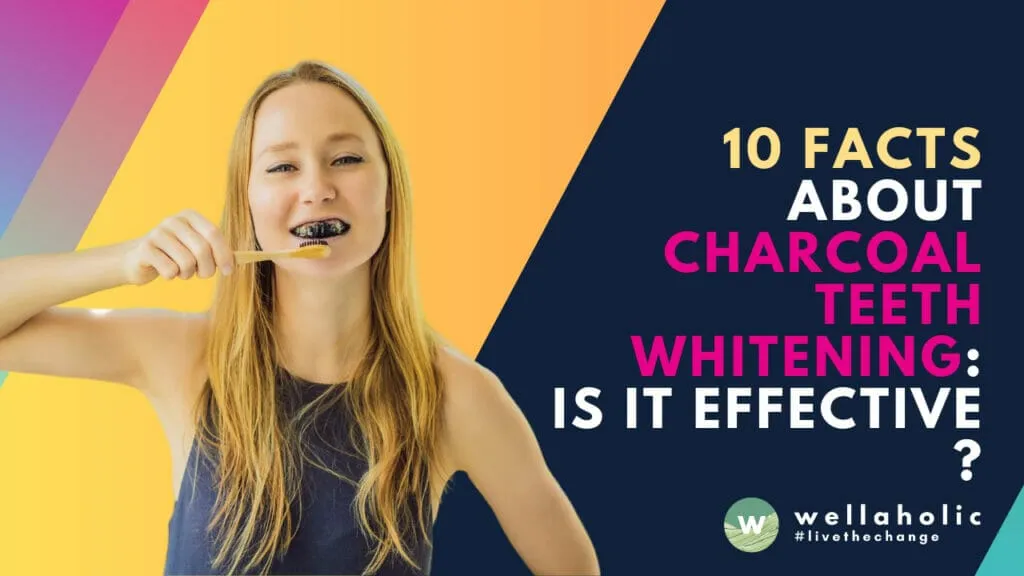
Charcoal, particularly activated charcoal, has become a popular natural remedy for teeth whitening. But what exactly is it, and how does it achieve its whitening effects? Activated charcoal is a fine, black powder made from various carbon-based materials like coconut shells, wood, or peat. The activation process involves heating the material in the presence of a gas, which creates tiny pores within the charcoal. These pores significantly increase the surface area of the charcoal, making it highly absorbent and capable of trapping impurities. In the context of teeth whitening, this absorbency is key. The porous structure of activated charcoal allows it to bind to stains and remove them from the surface of your teeth, leading to a brighter smile. This method is a natural alternative to chemical-based whitening products, gaining traction among those seeking natural and gentle approaches to dental care.
The Science Behind Charcoal’s Whitening Ability
The effectiveness of activated charcoal in teeth whitening lies in its unique physical properties. Unlike chemical bleaching agents, charcoal works through adsorption, not absorption. This means that the charcoal particles attract and hold onto stain molecules on the tooth surface. The tiny pores within the activated charcoal act like microscopic sponges, drawing in stains caused by coffee, tea, wine, and other food and drink. As you brush with charcoal, these adsorbed stains are gently lifted away, revealing a cleaner, brighter enamel. However, it’s important to note that charcoal primarily addresses surface stains. It doesn’t alter the intrinsic color of the teeth, which is determined by the dentin layer beneath the enamel. Therefore, charcoal is most effective for removing extrinsic stains and improving the overall appearance of your teeth, rather than fundamentally changing their natural shade.
Charcoal’s Role in Absorbing Stains

The process of stain absorption is central to charcoal’s teeth-whitening action. The porous nature of activated charcoal allows it to trap stain molecules that are often caused by everyday consumption of things like coffee, tea, and certain foods. These stains accumulate on the surface of the teeth and can make them appear dull or discolored. When charcoal comes into contact with these stains, it acts as a magnet, attracting and binding the stain molecules to its surface. During brushing, the charcoal particles, along with the adsorbed stains, are gently removed from the teeth. This leaves behind a cleaner tooth surface, resulting in a noticeable whitening effect. It is important to understand that charcoal is primarily effective on surface stains and does not penetrate the enamel to affect the color of the dentin.
Benefits of Using Charcoal for Teeth Whitening
Using charcoal for teeth whitening offers several potential benefits, making it an appealing option for many. The most significant advantage is its natural approach to whitening. Unlike chemical-based whitening products, activated charcoal is a natural substance, which appeals to those looking for a more holistic and gentle method. Charcoal is also effective in removing surface stains. It can help to eliminate discoloration caused by common culprits like coffee, tea, and certain foods. This can lead to a brighter and more aesthetically pleasing smile. Furthermore, activated charcoal may contribute to overall oral health. Some users report a feeling of cleaner teeth and fresher breath after using charcoal. However, these benefits are often related to the abrasive action of brushing, rather than any inherent properties of charcoal itself. It is important to note that while charcoal can be effective, the results may vary depending on the individual and the severity of the stains.
Effectively Removes Surface Stains
The ability of activated charcoal to remove surface stains is perhaps its most lauded benefit. The porous structure of charcoal allows it to effectively lift away stains caused by everyday consumables such as coffee, tea, and wine. These stains adhere to the enamel, and when brushed with charcoal, they are gently removed. This action leads to a visible improvement in tooth appearance. The abrasive nature of charcoal aids in this process, helping to dislodge stain particles from the tooth surface. Users often report a noticeable difference in the brightness of their smile after regular use. The effectiveness of charcoal, however, is mainly limited to surface stains. It does not alter the intrinsic color of the teeth or address deeper discoloration issues. This makes it most effective for those whose staining is primarily caused by dietary habits and external factors.
Enhances Overall Oral Health

Beyond its whitening properties, activated charcoal may contribute to overall oral health in several ways. When used correctly, brushing with charcoal can help remove plaque and bacteria from the teeth. This action can reduce the risk of cavities and gum disease. Furthermore, some users report a feeling of cleaner teeth and fresher breath after using charcoal. The abrasive action of charcoal, when combined with proper brushing techniques, can contribute to a more thorough cleaning of the teeth and gums. However, it’s crucial to note that the abrasive nature of charcoal can also be a drawback. Excessive or aggressive brushing can potentially wear down tooth enamel. Therefore, it’s important to use charcoal gently and in moderation, and always in conjunction with proper brushing techniques. Regularly consulting with a dentist is also recommended for maintaining optimal oral health.
Cost-Effective Whitening Solution
Activated charcoal offers a cost-effective alternative to other teeth-whitening methods. Compared to professional whitening treatments or over-the-counter products, activated charcoal is generally more affordable. A single jar of charcoal powder can last for several months, making it an economical choice for those seeking to improve their smile. The affordability of charcoal makes it accessible to a wider range of individuals, regardless of their budget. This is especially appealing to those who may not be able to afford expensive dental procedures. However, it’s important to consider the cost-benefit ratio. While charcoal is inexpensive, its effectiveness may be limited compared to professional treatments. Results can vary depending on the individual and the severity of the staining. Therefore, it’s essential to have realistic expectations and to weigh the cost savings against the potential whitening outcome.
How to Use Charcoal for Teeth Whitening
Using charcoal for teeth whitening is a relatively straightforward process. First, it’s essential to choose the right product – look for finely ground activated charcoal powder specifically designed for dental use. Begin by slightly moistening your toothbrush. Dip the bristles into the charcoal powder, ensuring they are lightly coated. Next, brush your teeth gently for about two minutes. Focus on all surfaces of your teeth, using small circular motions. Once you’re done brushing, rinse your mouth thoroughly with water until all the black residue is gone. You can also use a regular toothpaste after brushing with charcoal to remove any remaining charcoal particles and to freshen your breath. For optimal results, repeat this process once or twice a day. It is crucial to brush gently and avoid excessive force to prevent potential enamel wear. Consistent and correct usage is key to seeing the best results.
Choosing the Right Charcoal Product

Selecting the appropriate charcoal product is essential for effective and safe teeth whitening. Not all charcoal products are created equal, so it’s important to choose one specifically designed for dental use. Look for activated charcoal powder made from natural sources, such as coconut shells or wood. Avoid products that contain additives, artificial flavors, or sweeteners. The powder should be finely ground to ensure it is not too abrasive, which could potentially damage your enamel. You can also find charcoal toothpaste, which combines charcoal with other dental ingredients. When purchasing, check the product’s reviews and consider its reputation. Verify that the product is from a trusted brand that prioritizes quality and safety. If you have any concerns or specific oral health needs, consult with your dentist before using a charcoal product. They can provide guidance on what to look for and ensure that the product is suitable for your individual situation.
Step-by-Step Charcoal Whitening Guide
Here’s a detailed step-by-step guide to using charcoal for teeth whitening efficiently and safely. First, gather your supplies – a soft-bristled toothbrush, activated charcoal powder, and water. Lightly wet your toothbrush. Dip the bristles into the charcoal powder, ensuring they are coated but not overloaded. Gently brush your teeth using small, circular motions. Focus on all surfaces of your teeth, including the front, back, and chewing surfaces. Brush for about two minutes, applying minimal pressure to avoid damaging your enamel. After brushing, spit out the charcoal and rinse your mouth thoroughly with water. Repeat the rinsing process until the water runs clear. For added freshness and to remove any remaining charcoal, you can brush your teeth with regular toothpaste after rinsing. Clean your toothbrush thoroughly to remove any lingering charcoal residue. Repeat this process once or twice daily for best results, consistently and without excessive force. Keep an eye on the results and adjust the frequency based on your teeth’s sensitivity and whitening progress.
Proper Brushing Techniques with Charcoal
Correct brushing techniques are paramount when using charcoal for teeth whitening, as improper methods can lead to potential enamel damage. Always use a soft-bristled toothbrush to minimize abrasion. Apply gentle pressure; avoid aggressive scrubbing. This is especially important when using charcoal, as it can be more abrasive than regular toothpaste. Brush using small, circular motions, ensuring that you reach all surfaces of your teeth, including the front, back, and chewing surfaces. Spend about two minutes brushing your teeth, dedicating equal time to each area. After brushing with charcoal, rinse your mouth thoroughly with water. You may also choose to brush with regular toothpaste afterward to remove any remaining charcoal particles and freshen your breath. Be consistent with your brushing routine, and monitor your teeth for any signs of sensitivity or damage. If you experience discomfort, reduce the frequency of charcoal use or consult with your dentist. Proper technique is key to maximizing whitening benefits while minimizing risks.
Potential Risks and Considerations

While activated charcoal is generally considered safe for teeth whitening, certain risks and considerations should be acknowledged. The primary concern is the potential for enamel abrasion. Activated charcoal is slightly abrasive, and excessive or aggressive brushing can wear down the enamel over time. This can lead to increased tooth sensitivity and an increased risk of cavities. Another consideration is the lack of scientific evidence supporting charcoal’s long-term effectiveness and safety. Although it may remove surface stains, it doesn’t change the intrinsic color of teeth. Additionally, charcoal can be messy, staining clothing and bathroom surfaces. People with existing dental issues, such as cavities, gum disease, or sensitive teeth, should exercise caution and consult their dentist before using charcoal. They can advise whether it’s a suitable option and if any precautions are needed. Always use charcoal as directed and moderate its frequency, watching for any adverse effects.
Tooth Sensitivity and Charcoal Use
Tooth sensitivity is a common concern associated with the use of charcoal for teeth whitening. Due to its abrasive nature, activated charcoal can potentially erode the enamel, which protects the underlying dentin. When the enamel wears down, the dentin becomes exposed, leading to increased sensitivity to hot, cold, sweet, or acidic foods and drinks. If you experience tooth sensitivity while using charcoal, it’s important to take immediate action. Reduce the frequency of charcoal use or stop using it altogether. Brush gently and avoid excessive pressure, as this can exacerbate the problem. You can also try using a toothpaste designed for sensitive teeth, which can help to remineralize the enamel and reduce sensitivity. Consulting with your dentist is crucial. They can assess your oral health, determine the cause of the sensitivity, and provide appropriate recommendations. They might suggest alternative whitening methods or treatments to protect your teeth and relieve discomfort.
Consulting with a Dentist
Consulting with a dentist is a crucial step before incorporating activated charcoal into your oral hygiene routine. A dentist can assess the overall health of your teeth and gums, identifying any potential issues that might make charcoal use unsuitable. For example, if you have existing cavities, gum disease, or enamel erosion, a dentist can advise against charcoal or suggest modifications to its use. Dentists can also help manage expectations. They can explain what charcoal can realistically achieve in terms of teeth whitening and discuss alternative professional whitening treatments if needed. They will be able to check for the best charcoal and also the way it should be used. Your dentist can also guide you on proper brushing techniques, ensuring you use charcoal safely and effectively. During a dental checkup, a dentist can monitor your teeth for any signs of damage or sensitivity. If you experience any discomfort, they can provide appropriate advice and treatment. Regular dental checkups and professional cleanings are essential for maintaining optimal oral health, and your dentist can provide personalized guidance on how to best achieve a brighter, healthier smile.
Alternatives to Charcoal for Teeth Whitening

If activated charcoal isn’t the right fit for you, there are various alternative methods for teeth whitening. One common alternative is using over-the-counter whitening products, such as whitening strips, gels, and toothpastes. These products typically contain hydrogen peroxide or other bleaching agents to remove stains. Another option is to explore professional whitening treatments performed by a dentist. These treatments can range from in-office bleaching to custom-fitted whitening trays. These professional methods often provide more dramatic results than over-the-counter options. In addition to whitening treatments, consider lifestyle changes to reduce staining. This includes limiting coffee, tea, and red wine consumption, as well as avoiding smoking. Regular dental cleanings can also help remove surface stains and maintain a brighter smile. Each method has its benefits and drawbacks. Consider your budget, desired results, and oral health needs when choosing the right approach. Consulting with your dentist is important to determine the best option for your specific needs and to ensure the safety and effectiveness of any whitening treatment.
Professional Whitening Treatments
Professional teeth-whitening treatments, performed by a dentist, offer several advantages over at-home methods. These treatments typically use higher concentrations of bleaching agents, such as hydrogen peroxide, to achieve more dramatic and faster results. In-office whitening involves applying the whitening solution directly to your teeth, often combined with the use of a special light or laser to accelerate the process. This can lighten your teeth by several shades in just a single session. Another professional option is custom-fitted whitening trays. Your dentist will create a custom tray that fits your teeth perfectly, ensuring the whitening gel is applied evenly and effectively. They can also monitor the process closely and adjust the treatment as needed to minimize risks. Professional treatments are performed under the supervision of a dental professional, minimizing the risk of enamel damage and gum irritation. Furthermore, professional treatments offer a comprehensive approach, addressing both surface and intrinsic stains. The cost of professional whitening is generally higher than at-home alternatives, but the results are often more significant and longer-lasting. Consulting with your dentist is key to determining the best professional whitening option for your needs and oral health condition.
Over-the-Counter Whitening Options
Over-the-counter (OTC) teeth-whitening options offer a convenient and accessible way to brighten your smile. These products typically include whitening strips, gels, toothpastes, and mouthwashes. Whitening strips are a popular choice, as they are easy to use and can be applied directly to the teeth. Whitening gels are applied to the teeth using a tray, and they come in various concentrations to suit different needs. Whitening toothpastes and mouthwashes contain mild abrasive agents or bleaching ingredients to help remove surface stains. One of the main advantages of OTC products is their affordability and accessibility. They are readily available in drugstores and supermarkets, making them an easy option for many people. However, the effectiveness of OTC products may be limited compared to professional treatments. The concentration of bleaching agents is typically lower, resulting in less dramatic results. It’s important to carefully follow the instructions on the product and to be aware of potential side effects, such as tooth sensitivity or gum irritation. Always consult with your dentist before using any OTC whitening product, especially if you have sensitive teeth or other oral health concerns. They can provide guidance on which products are safe and effective for your specific needs.