Understanding the Power of Baking Soda for Teeth Whitening
Are you dreaming of a brighter, whiter smile? Many people turn to professional teeth whitening treatments, but these can be expensive and sometimes involve harsh chemicals. Fortunately, there’s a simple, affordable, and natural alternative: baking soda. This common household ingredient has been used for decades to help whiten teeth, and it’s easily accessible in most kitchens. But how exactly does baking soda work its magic, and is it safe? Let’s dive into the science behind baking soda and its effectiveness in teeth whitening, exploring its mechanisms and the reasons why it’s a popular choice for those seeking a brighter smile. Understanding the science behind baking soda can empower you to make informed decisions about your oral care.
How Baking Soda Works to Whiten Teeth
Baking soda, also known as sodium bicarbonate, offers a unique set of properties that contribute to its teeth-whitening abilities. It works through a combination of mechanical action and chemical reactions. Its gentle abrasive nature helps to remove surface stains, while its chemical properties help to neutralize acids in the mouth. This dual-action approach makes baking soda a promising ingredient for teeth whitening, making it a popular choice for many. To fully grasp how baking soda works, we must delve into its abrasive action and its ability to neutralize acids, which play pivotal roles in its effectiveness.
The Abrasive Action of Baking Soda

One of the primary ways baking soda helps whiten teeth is through its mild abrasive action. Baking soda has a slightly gritty texture that can help scrub away surface stains caused by things like coffee, tea, wine, and tobacco. These stains adhere to the enamel, the outer layer of your teeth, causing discoloration. When you brush with baking soda, the tiny particles gently polish the enamel, lifting and removing these stains. This action can significantly improve the appearance of your teeth by restoring their natural whiteness. It is important to note that, while abrasive, baking soda is generally considered safe when used properly, as it is not as harsh as some commercial whitening products.
Neutralizing Acids with Baking Soda
Beyond its abrasive qualities, baking soda also works by neutralizing acids in your mouth. Acids are produced by bacteria in the mouth as they feed on food particles, and they contribute to the erosion of tooth enamel. This erosion can make your teeth more susceptible to stains and cavities, ultimately affecting the whiteness and health of your smile. Baking soda is an alkaline substance, meaning it has the opposite effect of acids. When you use baking soda, it helps to balance the pH levels in your mouth, neutralizing the harmful acids. This creates a healthier oral environment, which can contribute to whiter teeth and overall improved oral health. This process helps protect your teeth from further damage and discoloration.
Why Baking Soda is a Popular Choice
Baking soda’s popularity stems from several factors, including its effectiveness, affordability, and accessibility. Unlike expensive professional treatments or commercial whitening products, baking soda is readily available in most households and is incredibly inexpensive. Its natural properties and gentle abrasive action make it a preferred choice for those seeking a natural and less aggressive approach to teeth whitening. Many people prefer baking soda as a gentler alternative to harsh chemicals found in other whitening products, as it poses fewer risks of tooth sensitivity or enamel damage. The combination of these benefits has solidified baking soda’s reputation as a go-to solution for achieving a brighter smile.
Advantages of Using Baking Soda

The advantages of using baking soda for teeth whitening are numerous. First and foremost, it is cost-effective, making it accessible to everyone. The process is also simple, often involving just mixing baking soda with water. Furthermore, it can be a natural alternative, free from harsh chemicals and additives found in some commercial products. The abrasive action can effectively remove surface stains, leading to a noticeable improvement in tooth whiteness. Finally, baking soda can help to neutralize acids in the mouth, promoting better oral health. These combined benefits make baking soda an attractive option for those seeking a brighter, healthier smile without breaking the bank or exposing themselves to harsh chemicals.
Disadvantages of Using Baking Soda
While baking soda offers several advantages, it’s important to be aware of its potential disadvantages. Overuse or excessive scrubbing can lead to enamel erosion, increasing tooth sensitivity and making your teeth more vulnerable to decay. The taste of baking soda can be unpleasant for some individuals, and it may not be as effective as professional treatments for deep-seated stains. Moreover, the whitening effects of baking soda can vary depending on individual factors, such as the type of stains and the natural color of your teeth. It is crucial to use baking soda in moderation and be mindful of its potential limitations. It is always a good idea to consult with your dentist to determine if baking soda is right for you and to ensure you are using it correctly.
The Simple Baking Soda Whitening Recipe
Using baking soda to whiten your teeth is straightforward and can be easily integrated into your daily oral hygiene routine. The basic recipe involves just a few simple ingredients, and the process is easy to follow. This method provides a convenient and accessible way to harness the teeth-whitening power of baking soda. This recipe is a great starting point for those new to using baking soda for teeth whitening. Remember, consistency and proper technique are crucial for achieving the best results. Let’s explore the ingredients, step-by-step instructions, and best practices for using this simple recipe.
Ingredients You Will Need

The simple recipe requires just two basic ingredients. First, you’ll need baking soda, which is readily available at any grocery store. Make sure to use pure baking soda, as it is free from additives. Secondly, you’ll need water. Tap water is fine, but filtered water is a good option if you prefer. These two ingredients are all you need to create a paste that can help you whiten your teeth. The simplicity of this recipe is one of the major appeals of using baking soda for teeth whitening, making it an accessible and cost-effective option for most people.
Step-by-Step Instructions
Creating the baking soda paste is a simple process. Begin by mixing one teaspoon of baking soda with enough water to form a paste. The consistency should be similar to that of regular toothpaste, not too runny or too thick. Next, wet your toothbrush and apply the paste. Gently brush your teeth using small, circular motions. Ensure you reach all surfaces of your teeth, and don’t forget the back. Brush for about two minutes, and then rinse your mouth thoroughly with water. The entire process should be done gently to avoid any potential harm to your enamel. Repeat this process no more than two to three times a week to avoid overuse.
Applying the Mixture
Once you have your baking soda paste ready, the application process is relatively simple. Dip your wet toothbrush into the paste, ensuring an even coating. Apply the paste gently to all surfaces of your teeth. Make sure you cover the front, back, and chewing surfaces of each tooth. Avoid using too much pressure, as excessive force can damage your enamel. The goal is to lightly scrub away stains rather than aggressively rub your teeth. This gentle application ensures effective cleaning while minimizing the risk of enamel erosion. A thin, even layer of the paste is usually sufficient for each brushing session.
Brushing Technique

Proper brushing technique is crucial when using baking soda. Use gentle, circular motions, covering each tooth’s surface thoroughly. Avoid scrubbing back and forth, which can be too abrasive. Be sure to angle your toothbrush toward the gum line to clean along the edges of your teeth. Brush for about two minutes, the same amount of time recommended by dentists for regular brushing. Consistent, gentle brushing with the baking soda paste will help maximize the whitening effect while minimizing potential risks to your enamel. Maintaining a good brushing technique is key to achieving the best results with baking soda.
Rinsing and Aftercare
After brushing with the baking soda paste, thoroughly rinse your mouth with water to remove all traces of the paste. Make sure you spit out all the remaining paste and water. You can then follow up with your regular oral care routine, such as using fluoride toothpaste or mouthwash. It’s best to use a fluoride toothpaste after brushing with baking soda to help remineralize your enamel, which may have been slightly weakened by the mild abrasion. Avoid eating or drinking anything for at least 30 minutes after brushing to allow the fluoride to fully absorb and protect your teeth. Proper rinsing and aftercare ensure the effectiveness of the baking soda treatment and help maintain your oral health.
Effective Baking Soda Whitening Methods
While the basic baking soda and water paste is a simple and effective method, there are other recipes that combine baking soda with additional ingredients to enhance its whitening properties. Adding other ingredients can potentially boost its effectiveness and offer other benefits for your teeth and gums. These combined methods offer variations that can be tailored to suit individual needs and preferences. Here are some popular and effective variations that people have successfully used to whiten their teeth.
Baking Soda and Water Paste

As mentioned earlier, the most basic method involves mixing baking soda with water to form a paste. This simple combination leverages the natural abrasive qualities of baking soda to gently remove surface stains. Mix one teaspoon of baking soda with enough water to create a thick paste. Apply the paste to your toothbrush and brush your teeth as usual, using gentle, circular motions. This method is a great starting point and is easy to incorporate into your existing oral hygiene routine. Regular use, a few times a week, can help maintain a bright smile without the use of harsh chemicals. The key is to brush gently to avoid damaging your enamel, and always remember to rinse thoroughly afterward.
Baking Soda and Lemon Juice
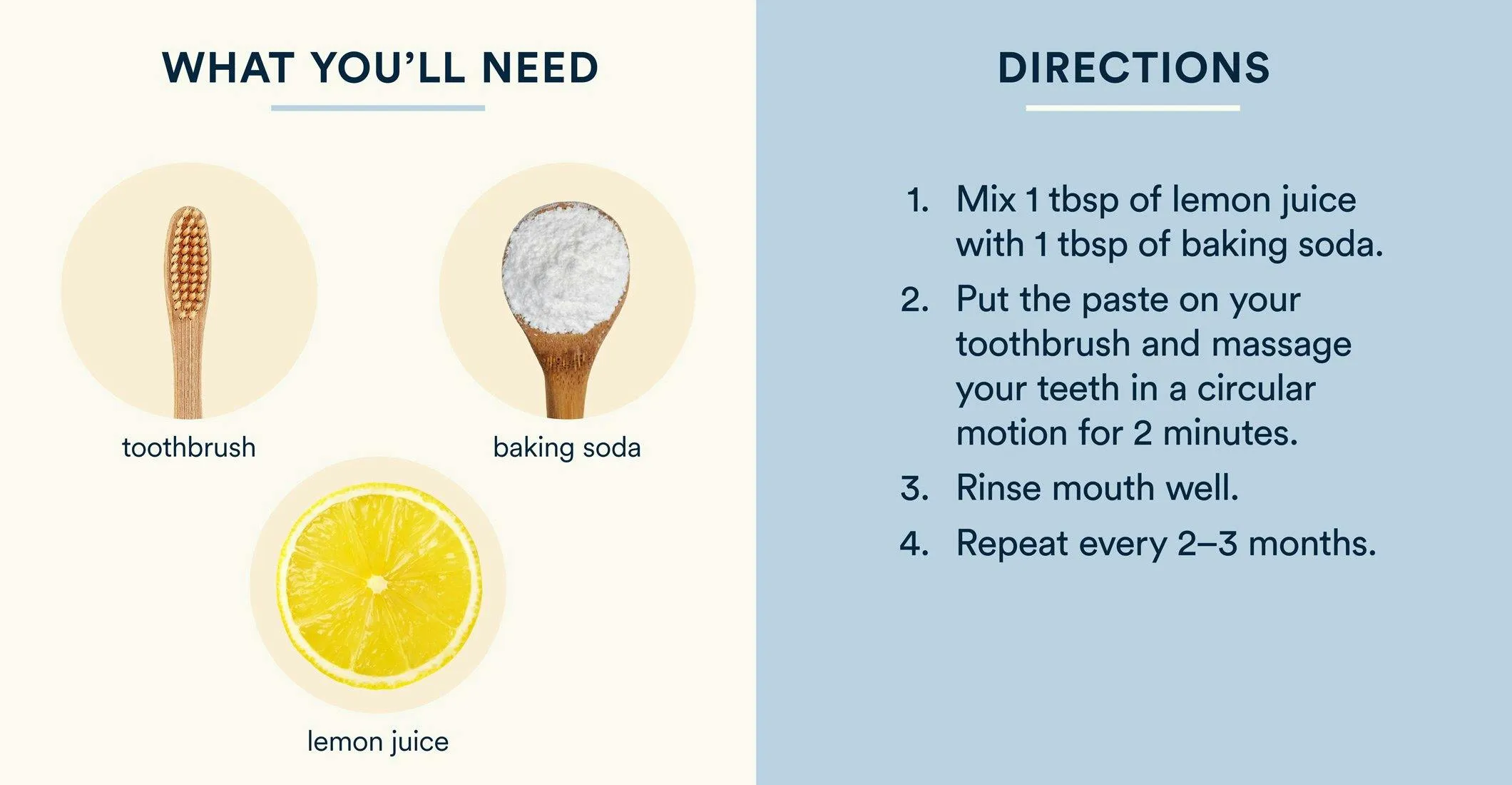
Combining baking soda with lemon juice is a popular variation, but it requires caution. Lemon juice contains citric acid, which can help whiten teeth, but it can also erode enamel if overused. To make this paste, mix baking soda with fresh lemon juice to create a paste-like consistency. Apply the paste to your teeth and let it sit for a minute or two. It is highly recommended to limit this treatment to once a week, due to the acidity of the lemon juice. After brushing, rinse your mouth thoroughly with water to remove any remaining acid. This method can provide a noticeable whitening effect, but it’s essential to use it sparingly and consult with your dentist, as excessive use can cause damage.
Baking Soda and Hydrogen Peroxide
Another effective combination is baking soda and hydrogen peroxide. Hydrogen peroxide is a mild bleaching agent that can help remove deeper stains on the teeth. Mix baking soda with 3% hydrogen peroxide to create a paste. Apply the paste to your teeth, brush gently, and rinse thoroughly. This combination can offer more significant whitening results compared to using baking soda alone. However, it’s crucial to use a low concentration of hydrogen peroxide (3%) and avoid frequent use to prevent potential sensitivity or enamel damage. Consult a dentist before trying this method.
Important Considerations and Tips

While baking soda can be a helpful tool for teeth whitening, it’s essential to approach its use with caution and awareness of potential risks. Certain factors can influence its effectiveness and safety, so it’s important to consider these aspects carefully. Understanding these factors and following appropriate guidelines will help you achieve the best results while minimizing any potential harm to your oral health. Always prioritize the long-term health of your teeth and gums, seeking professional advice when in doubt. Here are some important things to consider before you start using baking soda.
Frequency of Use
One of the most important considerations is the frequency of use. Overuse can lead to enamel erosion, making your teeth more sensitive and vulnerable to decay. It’s generally recommended to use baking soda for teeth whitening no more than two to three times a week. Monitor your teeth for any signs of increased sensitivity, and if you notice any, reduce the frequency. Consistency is important, but moderation is key. Using baking soda in the recommended frequency can help you achieve brighter teeth without the risk of damaging your enamel. Remember, it’s better to be cautious and patient rather than risk your oral health.
Potential Side Effects
Although baking soda is generally safe, it can cause side effects in some cases. The most common potential side effect is increased tooth sensitivity, especially if used too frequently or with excessive force. The abrasive nature of baking soda can wear down the enamel, making your teeth more vulnerable to hot and cold temperatures. Another potential side effect is irritation of the gums, which may occur if the baking soda paste is used too aggressively. If you experience any of these side effects, stop using baking soda immediately and consult with your dentist. Prioritizing your oral health is important, and addressing any adverse reactions promptly is crucial.
Consulting a Dentist

Before using baking soda for teeth whitening, it’s always a good idea to consult your dentist. Your dentist can assess the current health of your teeth and gums and determine if baking soda is a suitable option for you. They can also provide personalized advice and guidance based on your specific needs. A professional evaluation can help identify any underlying oral health issues that might make teeth whitening unsuitable or potentially harmful. Your dentist can also guide you on the correct usage and frequency of baking soda, ensuring that you achieve the best results while minimizing risks. Regular dental check-ups are essential for maintaining oral health and ensuring the safety and effectiveness of any teeth whitening methods.
Other Natural Teeth Whitening Options
If you’re looking for other natural teeth whitening options, several alternatives may help you achieve a brighter smile. These natural remedies offer a holistic approach to teeth whitening. Combining several of these options can contribute to a more comprehensive and effective teeth-whitening strategy, promoting a healthier, brighter smile. Here are some other natural alternatives that you can consider integrating into your oral hygiene routine.
- Oil Pulling Oil pulling with coconut oil can help remove bacteria and reduce plaque buildup, which can contribute to whiter teeth.
- Activated Charcoal Activated charcoal is another natural ingredient that can help remove surface stains due to its absorbent properties. Use activated charcoal, but be cautious to not overuse it.
- Apple Cider Vinegar Apple cider vinegar can help remove stains, but it’s acidic, so use it sparingly. Mix it with water and rinse your mouth after use.
- Eating Crunchy Fruits and Vegetables Eating crunchy fruits and vegetables like apples and carrots can help scrub your teeth and remove surface stains naturally.
In conclusion, baking soda can be a helpful and affordable way to whiten your teeth. However, it’s important to use it correctly and in moderation. Remember to always prioritize your oral health by consulting your dentist and following their advice. By combining baking soda with proper oral hygiene and potentially other natural methods, you can achieve a brighter, healthier smile. The journey to whiter teeth is a marathon, not a sprint, so be patient and consistent. With the right approach, you can enjoy a beautiful smile that you are proud to show off. Prioritize your oral health and enjoy the confidence that comes with a bright, white smile.