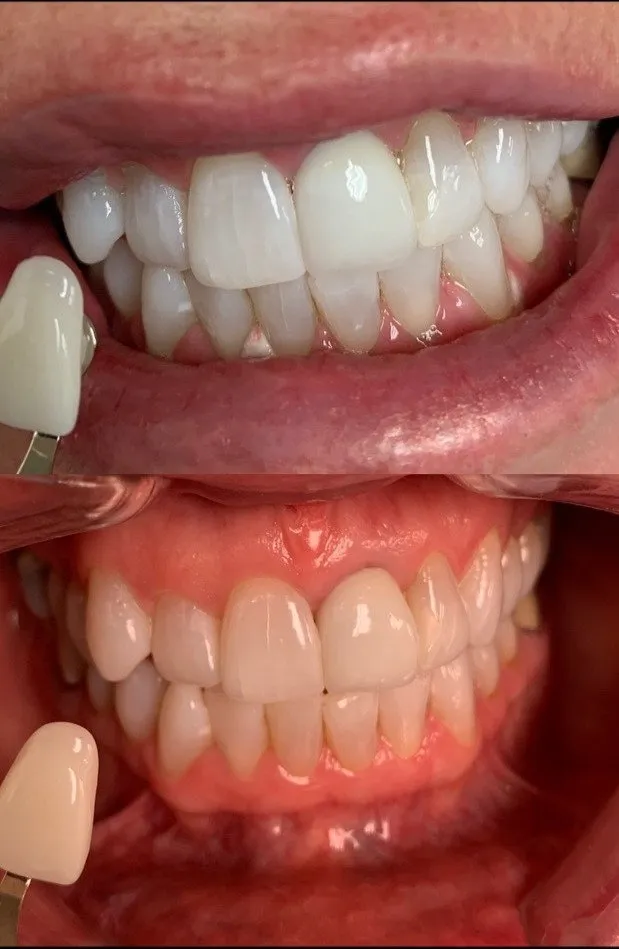
Understanding Teeth Whitening and Staining
Teeth whitening is a popular cosmetic procedure designed to brighten your smile. However, the results can be easily compromised by certain lifestyle choices, particularly the consumption of staining agents. The process of teeth whitening involves removing stains and discoloration from the enamel, the outermost layer of your teeth. This layer is porous, and thus susceptible to absorbing color from the foods and drinks you consume. Understanding the science behind both teeth whitening and staining is crucial for maintaining a bright, healthy smile. When you undergo teeth whitening, you’re essentially opening up the pores in your enamel. During this time, your teeth are more vulnerable to staining, and what you eat and drink can significantly impact the longevity of your whitening treatment. Therefore, being mindful of your diet and habits after whitening is essential to protect your investment and keep your smile radiant.
The Science Behind Teeth Whitening
Teeth whitening works by using bleaching agents, typically hydrogen peroxide or carbamide peroxide, to break down stain molecules within the enamel. These agents penetrate the enamel and react with the discolored compounds, causing them to become less visible. The effectiveness of whitening depends on several factors, including the concentration of the bleaching agent, the duration of the treatment, and the type of stains present. Professional whitening treatments, performed by dentists, usually involve higher concentrations of bleaching agents, providing faster and more dramatic results. Over-the-counter products, such as whitening strips and toothpastes, contain lower concentrations and may take longer to achieve noticeable whitening. After the whitening process, the enamel’s pores are more open, making it easier for staining substances to penetrate and re-stain the teeth. This increased permeability means that the things you consume can more easily affect the color of your teeth during the initial days and weeks following whitening.
Foods and Drinks That Stain Teeth

Many foods and drinks contain substances that can stain your teeth. These staining agents can adhere to the porous surface of the enamel and gradually discolor your teeth. Knowing which items pose the highest risk is crucial for preserving your newly whitened smile. The primary culprits are those with intense colors or high acidity, as both factors contribute to staining. Coffee and tea are notorious for their staining abilities due to the presence of tannins. Red wine is another well-known offender, with its deep color and tannins contributing to discoloration. Dark-colored sodas and fruit juices, particularly those made with berries, also pose a significant risk. Additionally, highly pigmented foods, such as berries, soy sauce, and curries, can leave stains on your teeth. Understanding these dietary risks allows you to make informed choices and protect your bright smile.
Why White Wine is a Concern
While it might seem surprising, white wine can also contribute to teeth staining, albeit in a different manner than red wine. Unlike red wine, which contains chromogens that directly stain teeth, white wine’s impact is primarily due to its acidity. The high acidity of white wine can erode the enamel, making it more porous and susceptible to stains from other foods and drinks. This means that even if white wine doesn’t directly stain your teeth, it can weaken the enamel, making your teeth more vulnerable to discoloration from other sources. The combination of the initial whitening treatment and the consumption of acidic beverages can increase the likelihood of your teeth re-staining quickly. Therefore, despite its lighter color, white wine needs to be approached cautiously following teeth whitening procedures. Minimizing its consumption, or taking precautions when drinking it, can help protect the results of your whitening treatment.
The pH Levels and Acidity of Wine
The pH level of a substance indicates its acidity or alkalinity. A lower pH indicates higher acidity, while a higher pH indicates greater alkalinity. White wine, on average, has a pH level between 2.8 and 3.8, making it highly acidic. This acidity can erode the enamel, which has a pH of approximately 5.5. When the enamel’s surface is softened by the acid in white wine, it becomes more porous. This increased porosity allows staining substances from other sources to more easily penetrate the enamel and cause discoloration. The acidity can also irritate the teeth, leading to increased sensitivity, particularly immediately after whitening. Therefore, considering the pH level of white wine is crucial for understanding its potential to negatively impact your teeth’s brightness. Choosing wines with a slightly higher pH or consuming them in moderation are strategies that can help to mitigate these effects and protect the results of your teeth whitening.
Tannins and Their Impact

Tannins are a type of polyphenol found in many plants, including grapes. They contribute to the bitterness and astringency of wine. While white wine has lower tannin levels compared to red wine, tannins can still affect the appearance of your teeth. Tannins act as a binding agent that helps other staining substances stick to the teeth’s surface. Even in white wine, the tannins can interact with your teeth, making them more susceptible to staining from other beverages or foods you consume afterward. The tannins in white wine can interact with the porous enamel, setting the stage for staining agents to latch onto the teeth’s surface more effectively. Additionally, the tannins can interact with the surface of the teeth, making them feel rougher, and increasing the ability for stains to stick. Minimizing the interaction of tannins with teeth can help maintain the benefits of your whitening treatment.
How Soon Can You Drink White Wine?
The general recommendation is to wait at least 48 to 72 hours after your teeth whitening treatment before consuming white wine. During this period, your teeth are particularly vulnerable to staining because the pores in your enamel are more open. However, the ideal waiting time can vary based on the type of whitening treatment you had and your dentist’s specific instructions. Professional whitening treatments might require a longer waiting period than over-the-counter products. Your dentist will provide specific guidelines to follow for the best outcome. It’s essential to adhere to these recommendations to avoid compromising your whitening results. After the initial waiting period, you can slowly reintroduce white wine, but be mindful of how your teeth respond. If you notice any changes in color, it’s advisable to minimize white wine consumption or take preventative measures.
Timing is Key for Optimal Results
The timing of white wine consumption relative to teeth whitening is critical. The immediate post-whitening period is when your teeth are most susceptible to staining. Therefore, it’s crucial to avoid white wine and other staining substances during the first few days after treatment. Planning your schedule around your whitening appointment can help ensure you don’t accidentally expose your teeth to staining agents. For instance, if you have a social event planned, it might be best to postpone your whitening treatment until after the event or to avoid white wine during that time. Additionally, consider the frequency of your white wine consumption. Even after the initial waiting period, limiting your intake can help maintain the brightness of your teeth. If you do choose to drink white wine, do so with moderation and follow additional precautions.
General Guidelines for Aftercare

Following proper aftercare instructions is essential for maintaining the results of your teeth whitening treatment. Along with avoiding white wine and other staining foods and beverages, there are several other guidelines you should follow. Maintain good oral hygiene. Brush your teeth gently with a soft-bristled toothbrush at least twice a day. Use a fluoride toothpaste to strengthen your enamel. Floss daily to remove plaque and food particles between your teeth. Regular dental check-ups and professional cleanings are crucial for maintaining your oral health and the brightness of your smile. Your dentist can remove any surface stains and ensure your teeth remain in top condition. Also, use a straw when drinking beverages to minimize contact with your teeth. Rinsing your mouth with water after consuming potentially staining foods or drinks can also help remove staining agents. Regular hydration and keeping your mouth moist helps prevent stains from setting in.
Tips for Minimizing Staining
While completely avoiding white wine might not be feasible, there are several strategies you can use to minimize staining if you choose to drink it. Always drink white wine in moderation. This limits the amount of acid and tannins your teeth are exposed to. Use a straw when drinking. This helps to bypass your teeth. Immediately rinse your mouth with water after drinking white wine to remove residual acid and tannins. This helps neutralize the acidity and minimizes the contact time with your enamel. You can also brush your teeth 30 minutes after drinking white wine. Be sure to wait at least 30 minutes after drinking wine before brushing to avoid damaging your enamel while it is softened by the acid. Consider using a remineralizing toothpaste to strengthen your enamel. By implementing these measures, you can enjoy white wine without compromising your teeth whitening results.
Proper Oral Hygiene
Maintaining excellent oral hygiene is fundamental for protecting the brightness of your teeth and ensuring long-lasting whitening results. Regular brushing and flossing are essential components of your daily routine. Brush your teeth at least twice a day, using a soft-bristled toothbrush and a whitening toothpaste. Make sure to brush gently to avoid damaging your enamel. Floss daily to remove plaque and food particles from between your teeth, which can lead to staining and decay. Use a mouthwash to rinse your mouth, helping to remove any lingering food particles and bacteria. Regular professional dental cleanings are also crucial. Your dentist or dental hygienist can remove any surface stains and plaque that you might miss at home. They can also evaluate the health of your teeth and gums, providing early detection and treatment for any potential problems. By combining consistent oral hygiene practices with regular professional care, you can keep your teeth bright and healthy.
Other Beverages and Foods to Avoid

Besides white wine, several other beverages and foods can stain your teeth and should be consumed with caution, or avoided altogether, after teeth whitening. Coffee and tea are notorious for their high tannin content and dark color, which can easily stain your teeth. Red wine, with its deep color and tannins, is another major culprit. Dark-colored sodas and fruit juices, especially those made with berries, should be avoided. Highly pigmented foods, like berries, soy sauce, curries, and balsamic vinegar, can also contribute to staining. To protect your bright smile, limit your intake of these staining agents and be mindful of the foods and drinks you consume. Drinking water after consuming these substances helps rinse away potential staining agents. Consuming these substances in moderation and practicing good oral hygiene will help minimize the impact they have on your teeth.
Alternatives to White Wine
If you’re trying to maintain the brightness of your teeth after whitening, there are several alternatives to white wine that you can consider. Clear or lightly colored beverages are generally safer options, as they are less likely to stain your teeth. Water is the best choice, as it helps keep your mouth hydrated and rinses away any potential staining agents. Clear spirits, such as vodka or gin, mixed with a clear mixer, can also be a good option, but consume them in moderation. If you’re looking for something with flavor, consider clear sodas or sparkling water with a splash of fruit juice, such as apple juice. Another option is to choose beverages that are known for promoting oral health. Green tea, for example, contains antioxidants that are beneficial for your gums. However, remember that some teas can stain, so moderation is key. When in doubt, sticking to water is always the safest and healthiest option for protecting your teeth.
Enjoying Wine Responsibly
If you choose to drink white wine after teeth whitening, it’s important to do so responsibly. Moderation is key. Limiting your consumption to one or two glasses, and spreading it out over a longer period, can help reduce the potential for staining. Be mindful of the types of white wine you choose. Some white wines have lower acidity and tannin levels than others, making them less likely to cause staining. Pair your wine with food. Eating food while you drink wine can help neutralize the acidity and reduce the contact time with your teeth. Drink plenty of water. Alternating between sips of wine and water can help rinse your mouth and keep it hydrated. Be aware of the signs of staining. If you notice any discoloration, reduce your wine consumption and focus on strengthening your oral hygiene routine. By drinking responsibly, you can enjoy white wine while still protecting the brightness of your smile.
Conclusion

Maintaining a bright smile after teeth whitening involves more than just the initial procedure. What you eat and drink, particularly white wine, plays a significant role in the longevity of your results. Understanding the science behind staining, the acidity of wine, and the impact of tannins are crucial for making informed choices. By following aftercare guidelines, practicing good oral hygiene, and drinking responsibly, you can protect your investment and keep your smile radiant. Remember to wait the recommended time before consuming white wine and to consider alternatives when possible. Be mindful of other staining agents and follow the tips to minimize their impact. With the right approach, you can enjoy a bright smile while still indulging in your favorite beverages, like white wine. Prioritize your oral health and take the steps necessary to maintain your dazzling smile for years to come.