Understanding Teeth Whitening Products
Teeth whitening products have become increasingly popular, with people seeking brighter, more radiant smiles. But with so many options available, understanding the basics is crucial before making a choice. These products work by removing stains and discoloration from the surface of your teeth, or by penetrating the enamel to lighten the underlying dentin. The effectiveness of a product depends on various factors, including the type of stain, the concentration of the active ingredient, and the duration of treatment. It’s essential to know what you’re dealing with to ensure you select the most suitable and effective product for your needs. This preliminary understanding sets the stage for a more informed decision, allowing you to choose products that will not only deliver on their promises but also prioritize your oral health.
Types of Teeth Whitening Products
The market offers a diverse array of teeth whitening products, each designed to cater to different needs and preferences. Broadly, these products can be classified into two main categories: over-the-counter (OTC) and professional treatments. OTC options are readily available at drugstores and supermarkets, providing convenience and affordability. Professional treatments, on the other hand, are administered by dental professionals and often deliver more dramatic and lasting results. Understanding the differences between these types of products is crucial for selecting the most appropriate solution for your specific needs. The following sections will dive deeper into the different subtypes within these categories, comparing their ingredients, application methods, and expected outcomes, empowering you to make the right choice for your teeth whitening journey.
Over-the-Counter Options

Over-the-counter (OTC) teeth whitening products provide accessible and convenient solutions for those looking to brighten their smiles without a dental visit. These products are available at most pharmacies and supermarkets and typically offer a more affordable alternative to professional treatments. The appeal of OTC options lies in their ease of use and the ability to begin whitening your teeth immediately. However, it’s important to recognize that the efficacy of these products may vary depending on the type and the specific ingredients used. Common OTC products include whitening toothpastes, strips, and gels. These products usually contain lower concentrations of bleaching agents than professional treatments, leading to more gradual results. Understanding the various options available and the ingredients they contain can help you choose the right OTC product to meet your teeth whitening goals effectively.
Whitening Toothpastes
Whitening toothpastes are a popular choice among individuals seeking to enhance the brightness of their teeth as part of their daily oral hygiene routine. These toothpastes typically contain mild abrasives or chemical agents designed to remove surface stains caused by food, drinks, and tobacco use. While whitening toothpastes can be effective at removing these surface stains, they usually do not alter the natural color of your teeth, which is a limitation compared to products that penetrate the enamel. The abrasive nature of some whitening toothpastes may also cause increased sensitivity or wear down the enamel over time. Therefore, choosing a toothpaste that balances effective stain removal with gentle ingredients is essential. Regular use, as directed, can help maintain a brighter smile and contribute to overall oral hygiene.
Whitening Strips
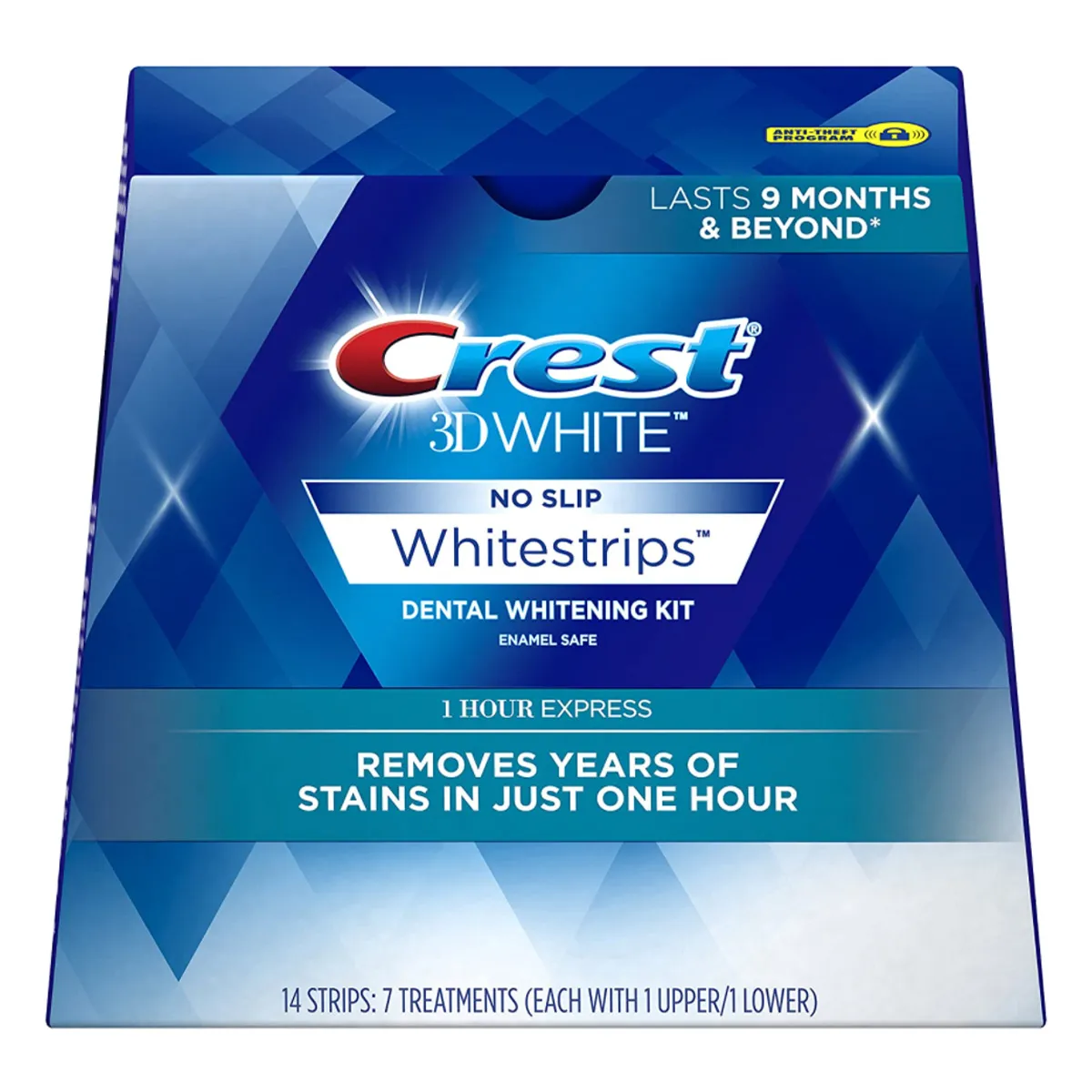
Whitening strips represent a convenient and effective option for teeth whitening, offering a straightforward application process that can be done at home. These flexible strips are coated with a whitening agent, typically hydrogen peroxide or carbamide peroxide, and are designed to adhere directly to the teeth. When applied correctly, the strips ensure the whitening agent is in direct contact with the tooth surface, allowing it to penetrate the enamel and lift away stains. The ease of use and relatively short treatment times make whitening strips a popular choice. However, it is crucial to follow the product instructions carefully to avoid any adverse effects, such as gum irritation or tooth sensitivity. Consistent use, as recommended, can yield noticeable improvements in teeth whiteness. This is one of the easiest and most straightforward way to get whiter teeth.
Whitening Gels

Whitening gels are another popular OTC option, often applied using a tray or brush directly onto the teeth. These gels typically contain a bleaching agent, similar to those found in whitening strips, but in a different formulation. The concentration of the active ingredient varies depending on the product, affecting the results and treatment time. Whitening gels offer more flexibility in terms of application, allowing users to target specific areas or teeth. They can be applied using custom-fit trays, which ensure more even coverage, or with pre-filled disposable trays. When using whitening gels, adhering to the instructions is crucial to avoid any complications. Some gels may be used in conjunction with LED light devices to enhance the whitening effect, although the effectiveness of these devices is still debated. The choice of whitening gel can be based on the user’s preference and the degree of whitening desired.
Professional Teeth Whitening
Professional teeth whitening provides the most effective and controlled approach to achieving a significantly brighter smile. These treatments are administered by a dental professional in a clinical setting, ensuring a safe and highly effective whitening process. Dentists use stronger bleaching agents, typically containing higher concentrations of hydrogen peroxide, than those available in OTC products. The use of these potent agents allows for faster and more dramatic results. Furthermore, professional treatments often include protective measures to minimize the risk of sensitivity and to ensure the safety of the surrounding gum tissues. Professional whitening offers the advantage of a personalized approach, where a dentist can assess your individual needs and tailor the treatment accordingly. For people seeking dramatic and lasting results, and who want the process managed by experts, professional teeth whitening remains the gold standard.
In-Office Whitening
In-office teeth whitening is a highly sought-after procedure that delivers immediate and dramatic results under the supervision of a dental professional. The process involves applying a high-concentration bleaching agent to the teeth, which is then often activated with a special light or laser to accelerate the whitening process. This method provides an efficient and powerful solution to remove deep-seated stains and discoloration, yielding significant improvements in just one or two appointments. The controlled environment ensures the safety of the gums and other soft tissues, minimizing the risk of side effects. The dentist can monitor the patient’s progress and adjust the treatment as needed. Following in-office whitening, patients are often given at-home maintenance kits to sustain the results. This combined approach delivers both immediate and long-lasting whitening effects, making it a premier option for those desiring a significantly brighter smile quickly.
At-Home Whitening Kits from Dentists

At-home whitening kits provided by dentists offer a convenient and effective middle ground between OTC products and in-office treatments. These kits combine the advantages of professional oversight with the convenience of home use. The dentist will typically create custom-fitted trays for the patient’s teeth, ensuring the whitening agent is applied evenly and effectively. These trays minimize the risk of gum irritation and maximize the contact between the teeth and the whitening gel. The strength of the whitening agent in these kits is generally higher than OTC products, providing better and faster results. The dentist will also provide specific instructions and recommendations, helping the patient achieve the best outcomes while minimizing the risk of sensitivity or other side effects. This approach strikes a balance between professional care and at-home convenience, making it a popular choice for achieving a brighter smile.
Factors to Consider When Choosing
Choosing the right teeth whitening product involves considering several crucial factors to ensure you achieve the best results while maintaining your oral health. It’s not just about selecting the product with the highest concentration of whitening agents or the one with the most enticing marketing. Understanding your specific needs, habits, and dental health condition will guide you toward the most appropriate choice. Furthermore, considering the long-term effects of each product and its potential impact on your oral hygiene is essential. This section highlights the key aspects to evaluate, empowering you to make an informed decision that promotes both a beautiful and healthy smile. This means understanding your current situation and thinking ahead.
Your Current Dental Health
Before starting any teeth whitening treatment, it’s essential to assess your current dental health. This includes identifying any existing dental problems, such as cavities, gum disease, or tooth sensitivity. Whitening products can exacerbate these issues, causing discomfort or complications. If you have cavities, whitening agents can penetrate the exposed areas and cause increased sensitivity. Similarly, people with gum disease may experience further irritation from the chemicals in whitening products. Consulting a dentist before starting any whitening treatment is highly recommended. Your dentist can evaluate your overall oral health, identify any underlying issues, and advise you on the safest and most appropriate whitening options. This assessment ensures that you can whiten your teeth without compromising your dental health. This step helps people make smart decisions and avoid problems.
The Severity of Staining

The degree of staining on your teeth plays a critical role in determining the effectiveness of different teeth whitening products. Surface stains, often caused by foods and drinks like coffee, tea, and wine, are typically easier to remove with over-the-counter whitening toothpastes or strips. Deeper stains, resulting from factors like aging, certain medications, or underlying dental issues, may require more potent treatments. If your staining is more severe, professional whitening treatments administered by a dentist may be the most effective option. During your consultation, your dentist can assess the nature and severity of the stains to recommend the most suitable approach. This may involve a combination of treatments or a more gradual whitening plan. Understanding the extent of the staining ensures that you choose a product with the appropriate strength and efficacy to achieve your desired results.
Your Budget
Your budget is a crucial factor in deciding which teeth whitening product to choose. The price of teeth whitening products varies widely, from relatively affordable over-the-counter options to more expensive professional treatments. OTC products, such as whitening toothpastes and strips, are generally more accessible and cost-effective, making them a good option for those on a budget. Professional treatments, including in-office whitening and dentist-provided at-home kits, can be significantly more expensive. However, they often deliver more dramatic and longer-lasting results. When making your decision, consider the initial cost and the potential for ongoing expenses, such as maintenance products or touch-up treatments. Evaluate the value you’re getting in terms of results, convenience, and the overall impact on your smile. Weighing these factors will ensure that your chosen product aligns with your financial constraints and offers the best value.
Your Lifestyle and Habits
Your lifestyle and daily habits can significantly influence the effectiveness and longevity of your teeth whitening results. Factors such as your diet, smoking habits, and oral hygiene routine play a critical role. Regularly consuming staining foods and drinks, such as coffee, tea, red wine, and berries, can gradually diminish the effects of whitening treatments. Smoking also contributes to discoloration and can make it harder to maintain a bright smile. Proper oral hygiene, including regular brushing, flossing, and dental check-ups, is essential to prolong the benefits of teeth whitening. If you have habits that tend to stain your teeth, you might need to consider more frequent touch-ups or choose products with stronger whitening agents. Being mindful of your lifestyle and habits, and making necessary adjustments, will help maximize the effectiveness of your teeth whitening efforts and keep your smile looking its best.
How to Use Teeth Whitening Products Safely

Using teeth whitening products safely is essential to prevent potential side effects and ensure a positive experience. This involves carefully following the product instructions, being aware of potential risks, and taking precautions to minimize any adverse effects. Proper application, adherence to the recommended treatment times, and understanding the warning signs are crucial for safe usage. It’s equally important to consider any pre-existing conditions or sensitivities that might make you more susceptible to side effects. By adopting a cautious and informed approach, you can enjoy the benefits of a brighter smile without compromising your oral health. Always consult your dentist before beginning any teeth whitening treatment, and follow their recommendations to ensure the best and safest results. This step can help you avoid dental problems and ensure your smile is healthy and vibrant.
Following Product Instructions
Strictly following the instructions provided with any teeth whitening product is paramount for both effectiveness and safety. Each product, whether it’s whitening strips, gels, or toothpastes, has its unique application guidelines, treatment duration, and usage frequency. Deviating from these instructions can diminish the product’s efficacy or increase the risk of adverse effects, such as gum irritation or tooth sensitivity. Carefully read the product label and any accompanying literature before starting the treatment. Pay close attention to the recommended application time, the frequency of use, and any precautions. If you are using a tray with a gel, be sure to apply the correct amount to avoid overflow or excessive contact with your gums. It’s important to note that using more product than recommended, or applying it more frequently, will not necessarily lead to better results. Instead, it is likely to increase the likelihood of side effects. The best way to protect your teeth is to follow the product’s instructions exactly.
Potential Side Effects
While teeth whitening products are generally safe, they can cause side effects in some individuals. The most common side effects include tooth sensitivity and gum irritation. Tooth sensitivity may manifest as a temporary discomfort or a sharp pain when consuming hot or cold foods and drinks. Gum irritation can appear as redness, swelling, or soreness. These side effects are usually temporary and subside once the treatment is stopped. If you experience severe or persistent symptoms, it’s crucial to consult your dentist immediately. Other, less common side effects may include changes in the enamel surface or allergic reactions. Understanding the potential side effects and being prepared to manage them is an essential part of using whitening products safely. This way, you can ensure the process delivers a brighter smile with minimal discomfort or health risks.
Managing Sensitivity

Tooth sensitivity is a common side effect of teeth whitening, but it can often be managed effectively. There are several strategies you can employ to minimize discomfort. The first is to use a toothpaste designed for sensitive teeth. These toothpastes contain ingredients that help to block the tubules in your teeth, reducing sensitivity. Consider taking breaks between whitening treatments. Reducing the frequency of use or shortening the duration of application can give your teeth a chance to recover. If the sensitivity is severe, your dentist may recommend a fluoride treatment to strengthen your enamel and reduce discomfort. Over-the-counter pain relievers, such as ibuprofen, can also help manage the pain. Always inform your dentist if you experience any sensitivity, as they can provide personalized advice and solutions. By using these methods, you can ensure your teeth stay healthy and comfortable.
Maintaining Your White Smile
Maintaining your newly whitened smile requires a conscious effort to adopt good oral hygiene practices and make lifestyle choices that prevent stains. Proper maintenance ensures that you continue to enjoy the benefits of teeth whitening and protects your investment in a brighter smile. This involves a combination of daily habits and occasional professional care. By prioritizing these practices, you can keep your teeth looking their best for an extended period. Remember that it is important to take care of your teeth so that they continue to look their best. A combination of home care and professional care is often needed.
Proper Oral Hygiene
Maintaining proper oral hygiene is essential for preserving the results of your teeth whitening treatment. This involves a combination of regular brushing, flossing, and dental check-ups. Brushing your teeth twice a day with a fluoride toothpaste helps remove plaque and prevent staining. Flossing daily removes food particles and bacteria from between your teeth, areas where staining can often occur. Scheduling regular dental check-ups and professional cleanings is crucial for maintaining good oral health. During these appointments, your dentist can remove any accumulated plaque and tartar, and provide you with personalized advice on maintaining a bright smile. Regular dental visits also allow for early detection of any dental problems. This complete approach to oral hygiene will help you preserve the results of your whitening treatment and keep your teeth healthy and bright.
Avoiding Staining Foods and Drinks

Avoiding staining foods and drinks is a key component of maintaining a bright smile after teeth whitening. Certain foods and beverages contain pigments that can stain your teeth, gradually reversing the effects of the treatment. Common culprits include coffee, tea, red wine, dark berries, and tomato-based sauces. Reducing your consumption of these items can help prevent stains. If you do consume these items, rinsing your mouth with water or brushing your teeth afterward can help minimize their impact. Using a straw for drinks can also help keep the staining liquid away from your teeth. Being aware of these foods and beverages, and adopting habits that protect your teeth, will significantly prolong the life of your newly whitened smile. This also ensures that your bright, white smile lasts as long as possible.