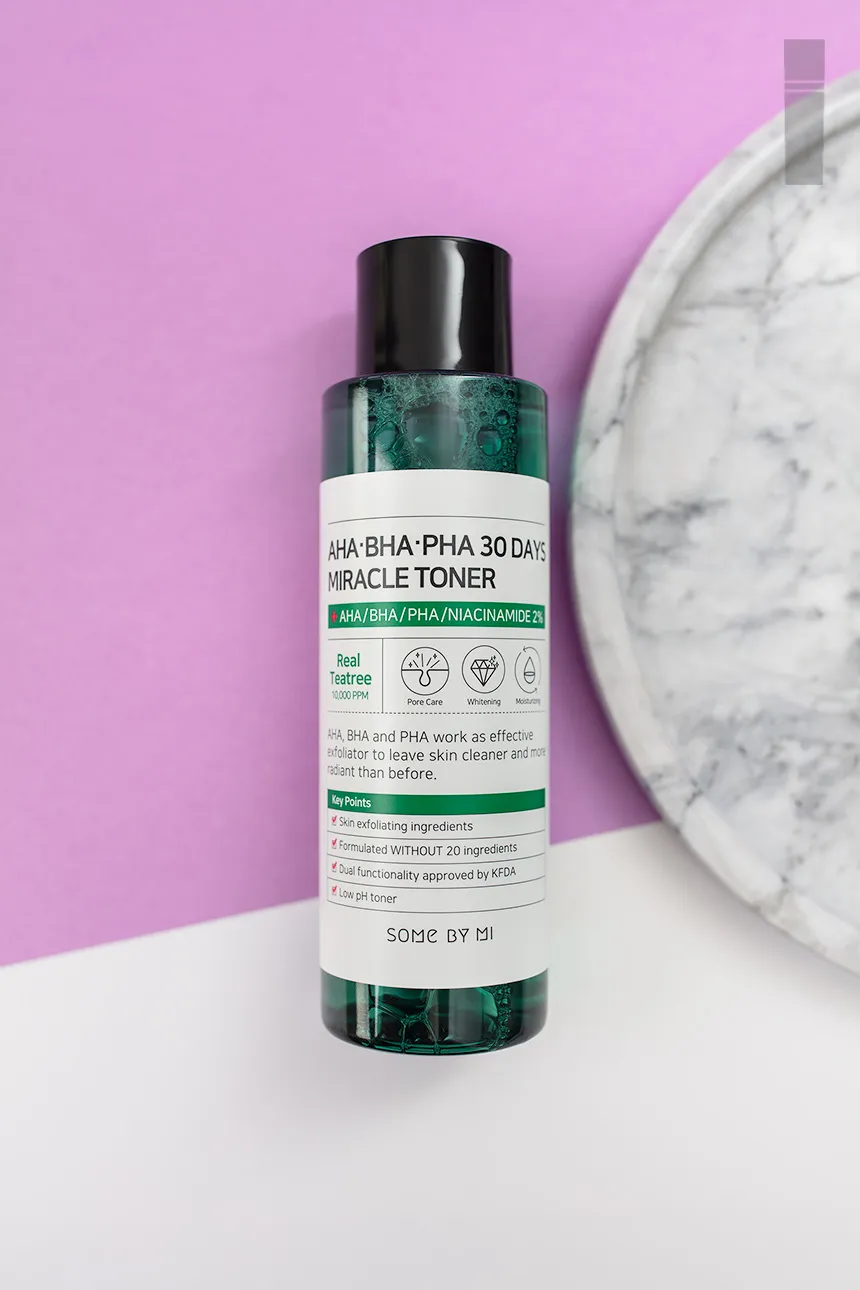
Introduction
The pursuit of flawless skin has led many individuals to explore skin whitening products. However, the quest for a lighter complexion can expose you to dangerous substances and health risks. Many skin whitening products contain harmful ingredients that can cause severe side effects and long-term health problems. This article explores some of the most dangerous skin whitening products to avoid, providing you with essential information to protect your health and make informed decisions. It is crucial to prioritize your well-being and choose safe skincare alternatives. By understanding the risks associated with these products, you can safeguard yourself from potential harm and maintain healthy skin.
Top 7 Dangerous Skin Whitening Products
The market is flooded with skin whitening products, but not all are safe. Many products contain dangerous ingredients that can cause severe health problems. The following are seven categories of dangerous skin whitening products that you should avoid. These products often promise quick results, but the price of using them can be your health. Always check the labels and research the ingredients before using any product to ensure your safety. Be aware that the regulations vary from region to region, so what is safe in one area might be dangerous in another. Prioritize your health by choosing products that are safe and proven to be effective.
Mercury Containing Products

Mercury is a highly toxic heavy metal that is sometimes found in skin whitening creams. It is used for its ability to inhibit melanin production, which leads to skin lightening. However, mercury can be absorbed through the skin and cause severe health problems. These products often do not list mercury on their labels, making it difficult for consumers to identify them. Look for products that explicitly state they are mercury-free. Exposure to mercury can cause skin rashes, neurological problems, kidney damage, and other serious health issues. It is crucial to avoid any product that may contain mercury to protect your health.
The Dangers of Mercury Exposure
The dangers of mercury exposure from skin whitening products are significant. Mercury can accumulate in the body over time, leading to chronic health issues. Symptoms of mercury poisoning include tremors, memory loss, neurological problems, and kidney damage. Pregnant women and children are especially vulnerable to the effects of mercury. It can pass through the placenta and harm the developing fetus. Exposure to mercury can also cause skin discoloration and scarring. If you suspect you have been exposed to mercury, seek medical attention immediately. Always avoid products that list mercury or calomel, mercuric chloride, or mercurous chloride on their ingredients list.
Hydroquinone Based Products
Hydroquinone is a skin-lightening agent that inhibits melanin production. While it can be effective, it poses several health risks. Many countries restrict the use of hydroquinone in cosmetic products. Over-the-counter products usually have a low concentration of hydroquinone, but stronger versions can be available by prescription. Long-term use can lead to ochronosis, a condition characterized by the darkening of the skin. Hydroquinone should be used under medical supervision to minimize risks. Always follow the recommended dosage and duration of use. If you experience any adverse side effects, discontinue use immediately and consult a healthcare professional. There are many safer alternatives that you can consider.
Side Effects of Hydroquinone

The side effects of hydroquinone can range from mild to severe. Common side effects include skin irritation, redness, and dryness. More serious side effects can include ochronosis, permanent skin discoloration, and increased sensitivity to sunlight. Ochronosis is a particularly concerning side effect, characterized by the formation of bluish-black patches on the skin. Hydroquinone can also cause allergic reactions in some individuals. If you experience any adverse effects, it is essential to stop using the product and seek medical advice. Proper usage and monitoring can minimize the risks, but safer alternatives should be considered if the risks outweigh the benefits.
Corticosteroid Creams
Corticosteroid creams are sometimes added to skin whitening products to provide a quick lightening effect. However, they are potent medications that can have several adverse effects. Prolonged use can lead to skin thinning, bruising, and stretch marks. They can also increase the risk of skin infections. These creams are typically used to treat inflammation, not to lighten the skin. They should only be used under medical supervision. Many unregulated products contain high concentrations of corticosteroids, increasing the risk of side effects. Always check the ingredients list and consult a dermatologist before using any product that contains corticosteroids.
Risks of Prolonged Corticosteroid Use
Prolonged use of corticosteroid creams can cause several health problems. Skin thinning is a common side effect, making the skin more vulnerable to damage. Prolonged use can also lead to telangiectasia, which is characterized by the appearance of small, dilated blood vessels on the skin. Other risks include acne, increased hair growth, and impaired wound healing. Corticosteroids can also be absorbed into the bloodstream, causing systemic side effects such as adrenal suppression. It is crucial to use these creams only as directed by a healthcare professional. Avoid using them for extended periods or on large areas of the body. If you notice any adverse effects, consult a doctor immediately.
Products with Bleach

Some skin whitening products contain bleach, such as sodium hypochlorite, a common household cleaning agent. Bleach can lighten the skin, but it can also cause severe damage. It is highly corrosive and can cause burns, irritation, and scarring. The use of bleach is not recommended for skin whitening purposes. Bleach can also remove the skin’s natural protective barrier, making it more susceptible to infections and sun damage. Always avoid any product that contains bleach to protect your skin. The potential harm from bleach far outweighs any perceived benefits. If you want to lighten your skin, opt for safer and more effective options.
The Hazards of Bleach on Skin
The hazards of using bleach on the skin are numerous and severe. Bleach can cause chemical burns, resulting in pain, blistering, and scarring. It can also lead to skin discoloration, leaving uneven patches. Exposure to bleach can irritate the skin and cause allergic reactions. Bleach can damage the skin’s natural barrier, increasing the risk of infections. Avoid any product that contains bleach. If you accidentally get bleach on your skin, rinse the area immediately with plenty of water and seek medical attention if necessary. Using bleach is a dangerous practice with no proven benefits for skin whitening.
Products with Tretinoin
Tretinoin is a form of vitamin A that can be used to treat acne and other skin conditions. While it can improve skin appearance, it has several side effects. Products with high concentrations of tretinoin can cause skin irritation, redness, and peeling. Tretinoin should only be used under medical supervision. It is also important to use sunscreen when using tretinoin, as it increases sensitivity to sunlight. Overuse can lead to skin thinning and other problems. The benefits of tretinoin are not always worth the potential risks. Always follow the instructions of a healthcare professional when using any product containing tretinoin.
Tretinoin Side Effects

Tretinoin can cause several side effects. Common side effects include skin irritation, redness, peeling, and dryness. Some individuals may experience more severe reactions, such as blistering or skin discoloration. Tretinoin can also make the skin more sensitive to sunlight, increasing the risk of sunburn. Pregnant or breastfeeding women should consult their doctor before using tretinoin. It is important to use a moisturizer and sunscreen while using tretinoin to minimize side effects. If you experience any severe side effects, discontinue use and seek medical advice. The potential benefits of tretinoin should be weighed against the risk of side effects.
Products with Kojic Acid
Kojic acid is a skin-lightening agent derived from fungi. While it can be effective, it can also cause skin irritation and allergic reactions. It is important to test the product on a small area of skin before applying it to larger areas. Products with high concentrations of kojic acid can cause contact dermatitis. Kojic acid can also increase sensitivity to sunlight. Always use sunscreen when using products that contain kojic acid. The effectiveness of kojic acid can vary, and it may not work for everyone. Before using any product, it is essential to research the ingredient and understand its potential risks.
The Risks of Kojic Acid
The risks of using kojic acid include skin irritation, redness, and allergic reactions. Prolonged use can lead to skin sensitivity and increased risk of sun damage. Kojic acid can also cause contact dermatitis, which can result in itchy, inflamed skin. Some individuals may experience burning or stinging sensations. It is essential to use kojic acid products with caution and to monitor your skin for any adverse reactions. If you experience any problems, stop using the product immediately and consult a healthcare professional. The risks of kojic acid use should be carefully considered. It’s crucial to test the product on a small area of skin first and use sunscreen to protect your skin from sun damage.
Products with Arbutin

Arbutin is a natural compound extracted from plants. It’s often promoted as a safer alternative to hydroquinone. However, some studies suggest that it can break down into hydroquinone under certain conditions. This is particularly true if the product is exposed to light or heat. The stability and effectiveness of arbutin can vary depending on the product formulation. Always purchase arbutin products from reputable sources and store them properly. While arbutin is considered safer than hydroquinone, it’s essential to be aware of the potential for it to break down and release hydroquinone. Be sure to carefully check the product’s ingredient list and instructions.
Arbutin Safety Concerns
Safety concerns with arbutin primarily revolve around its potential to break down into hydroquinone. Hydroquinone can cause skin irritation, ochronosis, and other side effects. The risk is higher if the product is not stored correctly or is exposed to light and heat. The effectiveness of arbutin can vary, and some products may not contain the stated concentration. If you have sensitive skin or are prone to allergic reactions, it’s best to do a patch test before applying arbutin products to a larger area. When considering arbutin, it’s crucial to choose reputable brands and to understand the potential risks. While arbutin is generally considered safer than hydroquinone, it is not without its safety concerns.
Conclusion
Avoiding dangerous skin whitening products is crucial for maintaining your health and well-being. These products often contain harmful ingredients such as mercury, hydroquinone, corticosteroids, bleach, tretinoin, kojic acid, and arbutin, which can cause severe side effects and long-term health problems. Prioritizing your health means educating yourself about the risks and making informed choices. When considering skin whitening products, always check the ingredients, research the product, and consult a healthcare professional. Opt for safe and effective skincare alternatives that promote healthy skin. Remember that your skin’s health is more important than a temporary change in appearance.