What is Tooth Whitening
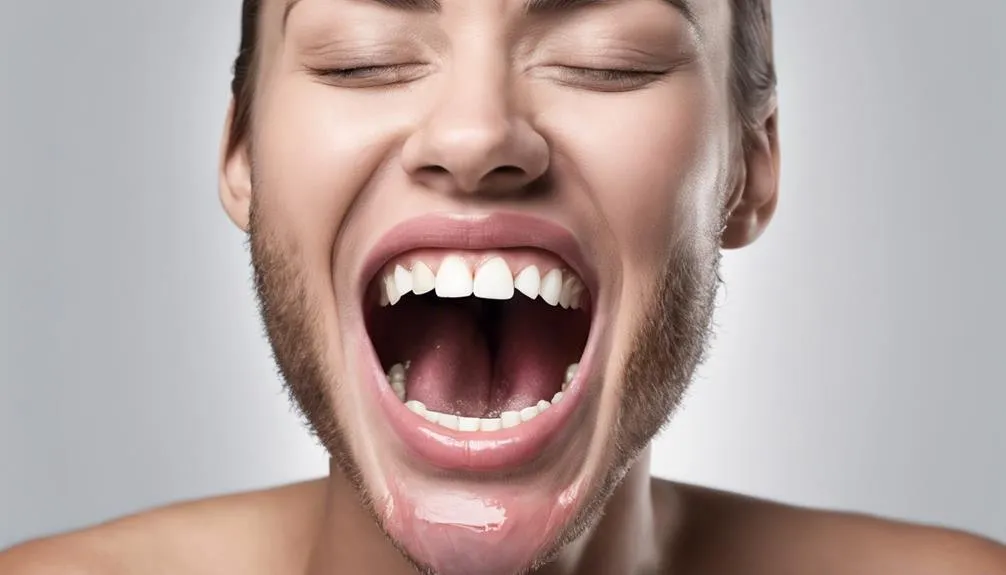
Tooth whitening is a popular cosmetic dental procedure designed to lighten the shade of your teeth and improve the brightness of your smile. It involves various methods to remove stains and discoloration that can result from factors like aging, genetics, diet, and lifestyle habits. The process works by using bleaching agents to break down the stain molecules within the tooth enamel, resulting in a visibly whiter appearance. Many people seek tooth whitening to boost their confidence, enhance their appearance, and achieve a more youthful and vibrant look. Understanding the basics of tooth whitening is the first step in determining which method is best for you and achieving your desired results. Remember that professional guidance from a dentist is always recommended to ensure the safety and effectiveness of any whitening treatment.
How Does Tooth Whitening Work
Tooth whitening typically works through the use of bleaching agents, most commonly hydrogen peroxide or carbamide peroxide. These agents penetrate the enamel and dentin layers of the tooth, breaking down the stain molecules that cause discoloration. As the bleaching agents react with the stain molecules, they cause them to become less concentrated, thereby lightening the overall shade of the tooth. The effectiveness of this process depends on the concentration of the bleaching agent, the duration of the treatment, and the type of stains present. Some methods may involve using a light or laser to accelerate the bleaching process. While tooth whitening can significantly improve the appearance of your smile, it’s important to consult with a dental professional to ensure it’s the right choice for you and to understand the potential risks and benefits.
Types of Tooth Whitening

There are several types of tooth whitening options available, each with its own benefits and considerations. Understanding these various methods is essential to making an informed decision about what suits your needs and preferences. These include both at-home and professional procedures, each varying in cost, convenience, and effectiveness. It’s vital to weigh these factors and consult a dentist to determine the best course of action for your specific situation. By exploring these options, you can take the first step towards a brighter, more confident smile, customized to your individual needs and expectations.
At-Home Tooth Whitening Methods
At-home tooth whitening methods offer convenience and affordability for those seeking to brighten their smiles. These methods typically involve using over-the-counter products such as whitening toothpastes, strips, and trays. Whitening toothpastes contain mild abrasives and chemicals that help remove surface stains, while whitening strips and trays use bleaching agents like hydrogen peroxide to lighten the tooth enamel. While these options are generally less potent than professional treatments, they can still provide noticeable results over time. It’s essential to follow product instructions carefully and be aware of potential side effects, such as tooth sensitivity. Additionally, consulting with a dentist can ensure the safety and effectiveness of at-home methods and help you avoid any potential risks associated with misuse.
Over-the-Counter Products
Over-the-counter (OTC) tooth whitening products are readily available and offer a convenient way to enhance the brightness of your smile. These products include whitening toothpastes, strips, and trays, each designed to remove stains and lighten teeth. Whitening toothpastes often contain mild abrasives that help remove surface stains, while whitening strips and trays use bleaching agents to penetrate the enamel and dentin, leading to a whiter appearance. The effectiveness of OTC products varies depending on the ingredients, concentration of active agents, and duration of use. It’s essential to follow the product instructions carefully to achieve the best results and to be mindful of potential side effects such as tooth sensitivity or gum irritation. Consult with a dentist to ensure these products are suitable for you.
Professional Tooth Whitening

Professional tooth whitening, performed by a dentist, offers the most effective and controlled method for achieving a brighter smile. These treatments use higher concentrations of bleaching agents than at-home methods, resulting in more dramatic and faster results. Professional whitening can be done in-office or through custom-fitted trays provided by your dentist. In-office treatments often involve the use of a special light or laser to accelerate the bleaching process, enhancing its effectiveness. The dentist carefully monitors the procedure to minimize side effects and ensure the safety of the treatment. While professional tooth whitening typically comes at a higher cost, the results are often more significant and longer-lasting compared to over-the-counter options, making it a preferred choice for many seeking a truly dazzling smile.
In-Office Whitening
In-office whitening is a professional dental procedure that delivers immediate and significant results in brightening your teeth. During this procedure, a dentist applies a high-concentration bleaching agent to your teeth, often enhanced with a special light or laser to accelerate the whitening process. The dentist carefully monitors the treatment to ensure its safety and effectiveness, minimizing the risk of side effects. In-office whitening typically involves multiple sessions, each lasting about an hour, during which your teeth are progressively lightened. While it’s more expensive than at-home methods, the benefits are immediately visible, providing a dramatic transformation of your smile. Many people prefer in-office whitening due to its rapid results and the professional oversight, ensuring a safer and more effective outcome. This is a perfect way to get a white smile.
Teeth Whitening Cost
The cost of teeth whitening varies depending on the method, the dentist’s fees, and your location. Over-the-counter products, such as whitening toothpastes and strips, are the most affordable, ranging from a few dollars to a hundred. At-home whitening kits prescribed by your dentist are usually more expensive but offer better results and professional guidance. Professional in-office whitening is the most costly option, often several hundred dollars per session. Factors influencing the cost include the concentration of bleaching agents, the number of treatments required, and the complexity of the procedure. While the initial investment might seem high, professional whitening can offer longer-lasting and more dramatic results. Always ask for a clear breakdown of costs and consider what fits within your budget. Keep in mind that insurance typically does not cover cosmetic dental procedures like teeth whitening.
Factors Affecting Tooth Whitening

Several factors can impact the effectiveness and longevity of tooth whitening treatments. Understanding these influences is key to setting realistic expectations and maintaining a bright, healthy smile. These include dietary habits, the presence of pre-existing dental conditions, and oral hygiene practices. By addressing these factors, you can maximize the benefits of tooth whitening and ensure that your investment lasts. Maintaining a balanced lifestyle, practicing good oral hygiene, and consulting with your dentist are crucial steps in preserving your newly whitened smile. Avoiding certain foods and habits will also contribute to your bright smile.
Diet and Staining
Diet plays a significant role in the appearance of your teeth, with certain foods and beverages causing stains and discoloration. Consuming items rich in tannins, such as coffee, tea, red wine, and berries, can contribute to staining. These substances contain chromogens, which bind to the enamel, leading to yellowing or darkening of the teeth. Acidic foods can also erode the enamel, making teeth more susceptible to staining. While tooth whitening can remove existing stains, it’s important to be mindful of your diet to prevent new stains from forming. Consider limiting the consumption of staining foods and beverages, and rinse your mouth with water after consuming them. Practicing good oral hygiene, including brushing and flossing, also helps minimize the impact of dietary habits on your teeth.
Smoking and Tobacco
Smoking and tobacco use are major contributors to tooth discoloration. Tobacco products contain nicotine and tar, which stain the teeth, causing them to turn yellow or brown. The chemicals in smoke not only stain the teeth but also damage the gums, increasing the risk of gum disease. Additionally, smoking reduces saliva production, which naturally cleans the teeth and protects them from staining. If you smoke and are considering tooth whitening, quitting is highly recommended to improve the treatment’s effectiveness and maintain your results. The benefits of quitting tobacco extend beyond just aesthetics; it significantly improves your overall oral health and reduces the risk of various health problems. Consult your dentist about the best ways to improve your overall oral hygiene.
Oral Hygiene
Proper oral hygiene is essential for maintaining a bright and healthy smile. This includes brushing your teeth twice a day for two minutes each time, flossing daily to remove plaque and food particles from between your teeth, and using an antimicrobial mouthwash to kill bacteria and freshen breath. Regular dental check-ups and cleanings are also crucial for preventing and addressing issues like cavities, gum disease, and staining. Good oral hygiene helps remove surface stains, prevents plaque buildup, and reduces the risk of further discoloration after tooth whitening. By consistently practicing these habits, you can enhance the effectiveness and longevity of your whitening treatment, and keep your smile looking its best for years to come. Remember to change your toothbrush every three months.
How to Maintain Whitened Teeth
Maintaining your newly whitened teeth requires consistent care and attention to prevent staining and preserve the results of your treatment. This involves adopting good oral hygiene habits, making mindful dietary choices, and attending regular dental check-ups. By implementing these strategies, you can enjoy a brighter smile for an extended period. Your efforts in maintaining your teeth will play a significant role in ensuring your smile stays radiant. Proper care ensures that your teeth remain sparkling and healthy. Incorporating these practices into your daily routine will protect your investment in tooth whitening and keep your smile looking its best.
Best Practices for Long-Lasting Results
To ensure long-lasting results from tooth whitening, it’s essential to adopt a consistent and comprehensive approach to dental care. This includes brushing and flossing regularly, as well as rinsing with an antimicrobial mouthwash. Use a soft-bristled toothbrush to avoid damaging the enamel, and consider using a whitening toothpaste to help maintain brightness. Limit the consumption of staining foods and beverages, and rinse your mouth with water after consuming them. Avoid smoking and tobacco products, and schedule regular dental check-ups and cleanings to address any potential issues and maintain your oral health. Regularly following these practices will not only extend the lifespan of your whitened smile but also contribute to your overall oral health.
Foods and Drinks to Avoid

Certain foods and drinks can stain your teeth and diminish the effects of tooth whitening. To maintain your bright smile, it is essential to limit or avoid items known for causing discoloration. Beverages like coffee, tea, red wine, and dark-colored sodas can contribute to staining. Similarly, highly pigmented foods such as berries, beets, and curries should be consumed in moderation. If you do consume these items, rinse your mouth with water or brush your teeth shortly afterward to minimize staining. Be aware that acidic foods can also erode the enamel, making teeth more susceptible to staining. By making informed dietary choices, you can help prolong the results of your tooth whitening treatment and keep your smile radiant.
Regular Dental Check-ups
Regular dental check-ups are crucial for maintaining your oral health and preserving the results of your tooth whitening treatment. During these visits, your dentist will examine your teeth and gums, identifying any potential issues such as cavities, gum disease, or staining. Professional cleanings remove plaque and tartar, which can contribute to discoloration. Your dentist can also provide advice on how to maintain your bright smile and recommend touch-up whitening treatments if necessary. Scheduling check-ups every six months, or as recommended by your dentist, is an investment in the longevity of your whitening results and the overall health of your smile. These checkups are an essential part of maintaining your sparkling teeth.