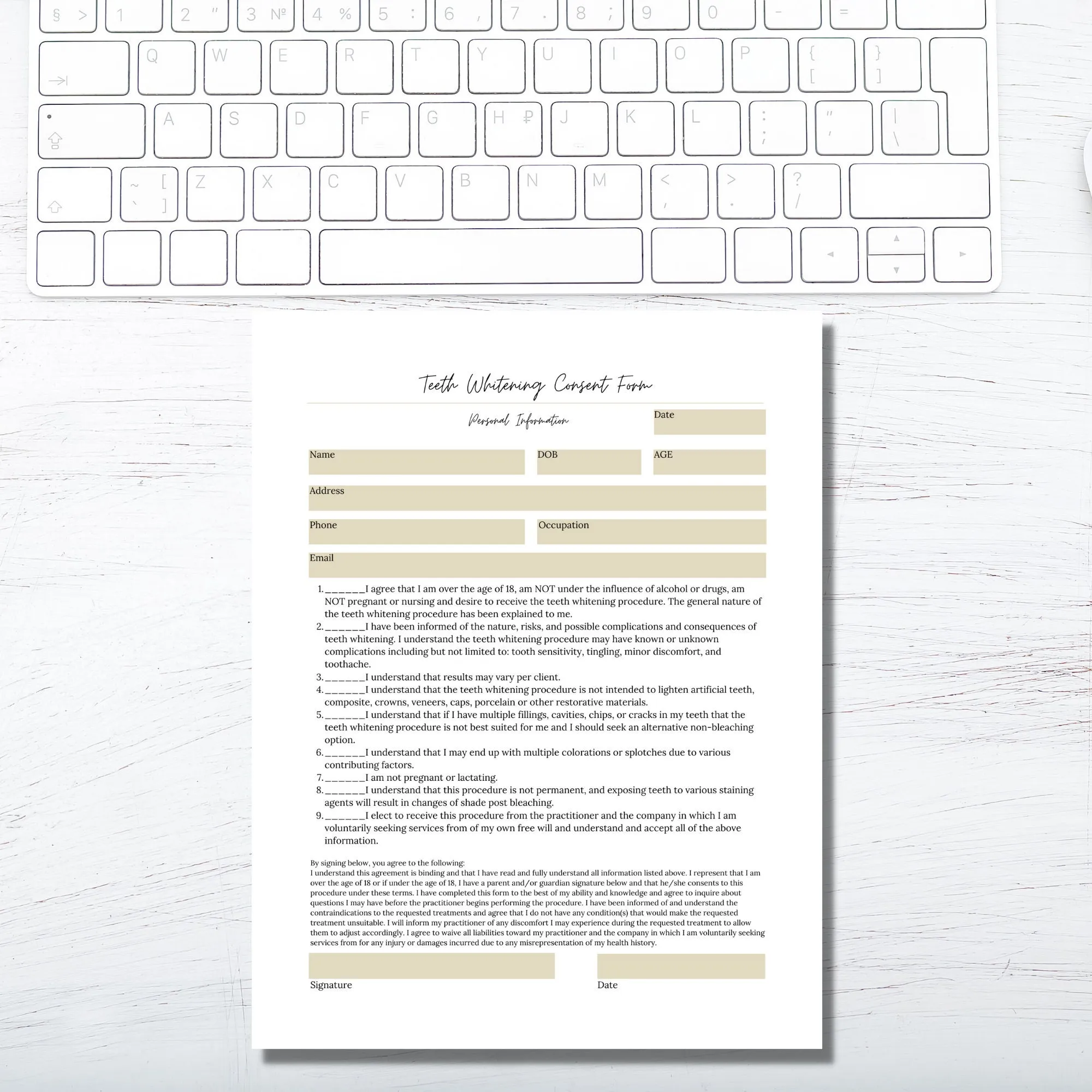
Understanding Tooth Whitening Consent Forms
A tooth whitening consent form is a critical document in any dental practice offering teeth whitening services. It serves as a legally binding agreement between the dentist and the patient, ensuring that the patient fully understands the procedure, potential risks, benefits, and alternatives. This form protects both the patient and the dental professional by documenting informed consent, a fundamental ethical and legal principle in healthcare. Creating a comprehensive and clear consent form is not just a matter of compliance it’s about building trust and fostering open communication with patients. Understanding the nuances of tooth whitening consent forms is crucial for any dental practice aiming to provide safe and effective teeth whitening treatments.
Importance of Consent Forms in Tooth Whitening
The significance of a tooth whitening consent form extends beyond mere paperwork. It’s a cornerstone of ethical dental practice, emphasizing patient autonomy and the right to make informed decisions about their healthcare. By providing a clear and concise explanation of the teeth whitening process, the form empowers patients to understand what to expect, weigh the potential benefits against the risks, and ask questions. This process fosters a strong patient-dentist relationship based on transparency and mutual respect. Without a proper consent form, a dental practice opens itself up to potential legal liabilities and ethical concerns, making it a non-negotiable element of the teeth whitening process. The form also serves as a record of the patient’s informed decision, protecting the dental professional in case of any unforeseen complications or misunderstandings during or after the procedure.
Legal and Ethical Considerations
Legally, a tooth whitening consent form is a crucial document that demonstrates adherence to informed consent principles, protecting dentists from potential lawsuits. Ethically, the form emphasizes patient autonomy, ensuring patients are fully aware of the treatment details before undergoing the procedure. The form must adhere to local and national regulations, including those related to patient privacy (like HIPAA in the United States). Failure to comply can result in legal repercussions, including malpractice claims and professional disciplinary actions. Dentists must ensure the consent form is current, reflecting the latest research, techniques, and any regulatory changes. The form’s language should be clear, avoiding technical jargon, and the patient should have ample opportunity to ask questions and receive satisfactory answers, solidifying the ethical and legal framework surrounding the practice.
Key Components of a Tooth Whitening Consent Form
A well-structured tooth whitening consent form covers several essential areas, providing a comprehensive understanding for the patient. Each section plays a critical role in ensuring informed consent and protecting both the patient and the dental practice. The form should be easy to understand, allowing patients to make informed decisions about their treatment, without feeling overwhelmed by complex terminology. It should also be tailored to reflect the specifics of the teeth whitening procedure offered by the dental practice, including the type of whitening treatment, the materials used, and the aftercare instructions.
Patient Information
The patient information section should collect essential details to identify the patient accurately. This includes the patient’s full name, date of birth, address, and contact information. It’s important to verify this information against the patient’s identification to prevent any errors or misunderstandings. This section may also include a brief medical history summary, especially if there are any relevant medical conditions or allergies that could impact the teeth whitening procedure. The form should clearly state that the patient has read and understood the information provided, confirming their identity and willingness to proceed with the treatment.
Treatment Details

This section provides a clear explanation of the teeth whitening procedure. It should describe the specific method used, such as in-office whitening or take-home kits, including details on the type of whitening agent, the concentration of the bleaching solution, and the duration of the treatment. A step-by-step overview of the procedure should be provided, outlining what the patient can expect during their appointment. Diagrams or illustrations of the process may also be included. The form must specify the number of sessions or the duration of the take-home treatment. This ensures that the patient has a realistic understanding of the time commitment and the process involved, which can lead to improved satisfaction and outcomes.
Risks and Side Effects
The risks and side effects section is one of the most critical parts of the consent form. It should comprehensively list all potential complications associated with teeth whitening. Common side effects, like tooth sensitivity and gum irritation, must be explained in detail. The form should describe the duration and severity of these effects and the measures the patient can take to alleviate them. Include less common but possible side effects, such as changes in tooth enamel and the possibility of uneven whitening. Emphasize that the dentist will take precautions to minimize risks, and highlight the importance of reporting any adverse reactions. Providing this detailed information empowers patients to make informed decisions, mitigating the potential for legal disputes and fostering trust.
Alternatives to Tooth Whitening
Offering alternatives to tooth whitening is a vital component of a comprehensive consent form, respecting the patient’s autonomy and ensuring informed choice. This section should outline different options for improving the appearance of teeth, alongside teeth whitening. Alternatives can include porcelain veneers, dental bonding, crowns, or simply maintaining good oral hygiene. Explain the benefits, risks, and costs associated with each alternative to allow the patient to make a well-informed decision that best suits their needs and preferences. Including information on alternatives demonstrates ethical practice and helps patients avoid procedures that are not suitable for their individual circumstances.
Consent and Agreement

The consent and agreement section is where the patient formally acknowledges their understanding of the information provided and agrees to proceed with the tooth whitening treatment. It includes a clear statement that the patient has read the form, had their questions answered to their satisfaction, and consents to the procedure. This part must include the patient’s signature, the date, and possibly the signature of a witness or the dentist, confirming the process. Any specific instructions or agreements regarding aftercare or follow-up appointments should be detailed here. This section legally binds the patient to the treatment plan, ensuring all parties are on the same page and understand the expectations.
Writing Your Tooth Whitening Consent Form
Creating an effective tooth whitening consent form requires careful attention to detail. The goal is to produce a document that is both legally sound and easily understandable for patients. Avoid using complicated jargon, and ensure the information is presented in a clear, concise, and organized manner. Regularly reviewing and updating the form to reflect advancements in dental technology and any changes in regulations is essential.
Gathering Necessary Information
Before writing the form, gather all the necessary information about the teeth whitening procedure offered in your practice. This includes specifics about the whitening agent used, the treatment process, the possible side effects, and the aftercare instructions. Research best practices in dental consent forms and consult legal and dental professionals for guidance. Consider your practice’s unique approach to teeth whitening, and tailor the form to match. This foundational information will ensure your consent form is comprehensive, accurate, and specifically designed for your patients.
Structuring the Form Clearly

Structure the form logically, with clear headings and subheadings. The form should flow in a manner that makes it easy for the patient to follow and comprehend. The key sections, like patient information, treatment details, risks, and alternatives, should be clearly demarcated. Use bullet points, numbered lists, and white space to break up text and improve readability. The layout should be user-friendly, avoiding clutter and ensuring that all crucial information stands out. A well-structured form makes it less intimidating and more accessible for patients to understand the complexities of the treatment and make an informed decision.
Using Simple and Understandable Language
Avoid using dental jargon that patients may not understand. Use plain language to explain the procedure, potential risks, and benefits. The goal is to communicate complex medical information in a way that’s accessible to anyone. Keep sentences short and clear, and avoid technical terms unless they’re absolutely necessary, and if so, include a brief definition. Consider having a non-dental professional review the form to ensure the language is straightforward and understandable. The success of the consent form relies on clear communication, enabling the patient to make a fully informed decision.
Reviewing the Form with Patients
Always review the consent form with the patient during a consultation, addressing any questions or concerns. Provide ample time for the patient to read the form and ask questions. Encourage them to ask questions about anything they don’t understand. Ensure the patient understands the treatment process, the expected outcomes, and the potential risks. Use visual aids like diagrams or illustrations to clarify the procedure. Documentation should note that all questions were answered satisfactorily and that the patient fully understands the treatment before they sign the form. This personal interaction confirms informed consent and enhances patient satisfaction.
Best Practices for Tooth Whitening Consent Forms

Implementing best practices is crucial for creating tooth whitening consent forms that protect both patients and dental practices. These practices cover the entire process, from the initial drafting of the form to its use in patient consultations and ongoing management. By following these guidelines, dentists can improve patient care, enhance legal compliance, and build trust with their patients.
Customization and Personalization
Tailor the consent form to reflect your specific dental practice and the whitening procedures you offer. Generic forms can be adapted, but they should be personalized to meet your practice’s unique standards. Include specific details about the products you use, the techniques you employ, and the aftercare instructions you provide. Address any specific patient concerns or preferences. This level of personalization ensures the form is relevant and comprehensive to the patient’s treatment. Personalization demonstrates a commitment to providing individualized care, enhancing patient satisfaction, and showing the patient that their specific needs and concerns are important.
Regular Updates
Regularly review and update your tooth whitening consent form to reflect changes in dental technology, treatment protocols, and legal regulations. Dental practices are constantly evolving, and the consent form needs to keep pace with these developments. Update the form at least annually or whenever there are changes in the whitening procedures, products, or relevant laws. Reviewing the form with legal counsel to ensure compliance with current regulations is a must. A current, up-to-date form demonstrates a commitment to providing the safest and most effective care and helps protect the dental practice against legal risks.
Storage and Record Keeping

Maintain organized and secure records of all signed consent forms. Store the forms in a secure location, either electronically or in paper format, ensuring patient confidentiality. Adhere to HIPAA regulations or other privacy laws. Make copies of the form available to the patient upon request. Proper record keeping protects both the patient and the dental practice, providing evidence of informed consent if any issues arise. Secure storage is essential for maintaining patient trust and complying with legal requirements.
Conclusion
Creating and using a well-crafted tooth whitening consent form is an essential aspect of providing ethical and legally sound teeth whitening services. It ensures patients fully understand the procedure, its risks, and potential benefits, supporting their autonomy and fostering a trusting relationship with the dental professional. By carefully including all the necessary components, using clear language, and following best practices, dentists can create consent forms that not only protect their practice but also enhance patient satisfaction and overall care. The ultimate goal is to empower patients to make informed decisions, ensuring a positive and successful tooth whitening experience.