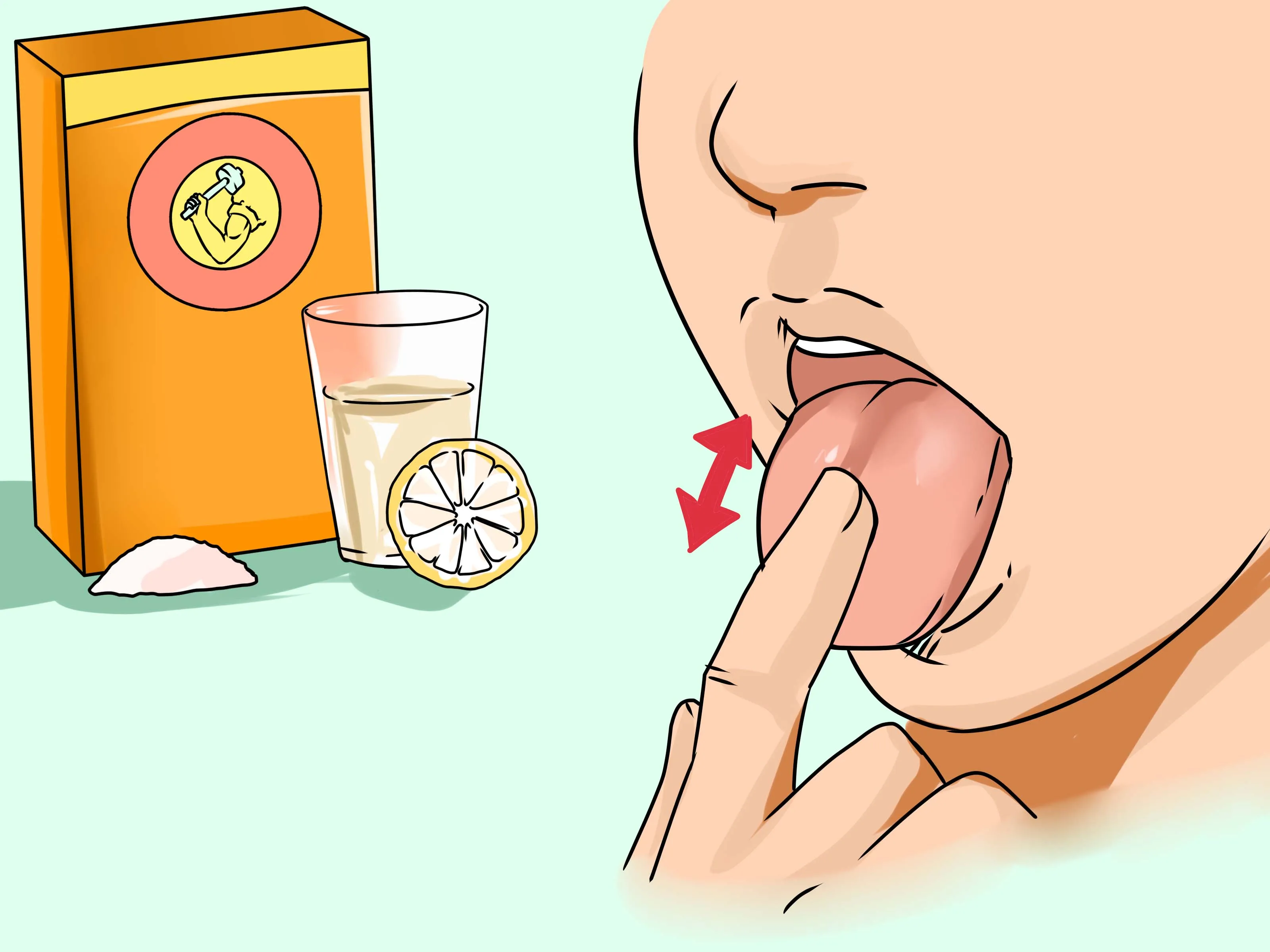
What is Tongue Whitening and Why Is It Important
Tongue whitening is the process of removing discoloration and buildup from the surface of your tongue, leading to a healthier and cleaner mouth. The tongue, a muscular organ covered in taste buds and papillae, can accumulate bacteria, food particles, and dead cells, causing a white or yellowish coating. This coating can not only affect your breath but can also impact your overall oral health. A clean, pink tongue is generally a sign of good health, while a discolored tongue can indicate various underlying issues, ranging from poor oral hygiene to more serious health concerns. Therefore, understanding the importance of tongue whitening goes beyond aesthetics; it’s a crucial step in maintaining optimal oral hygiene and overall well-being. Regular tongue cleaning can significantly improve breath freshness, enhance taste perception, and reduce the risk of dental problems.
Understanding the Causes of Tongue Discoloration
Several factors can contribute to tongue discoloration. Poor oral hygiene is a primary cause, as the tongue’s surface can trap food particles and bacteria, leading to a white or yellow coating. Certain foods and drinks, such as coffee, tea, and dark-colored berries, can also stain the tongue. Smoking and tobacco use are significant contributors, often causing a yellowish or brownish discoloration. Medical conditions, such as thrush (a fungal infection), can result in a white, patchy tongue. Dehydration can lead to a dry mouth, which can exacerbate coating on the tongue. In some cases, underlying health issues, such as vitamin deficiencies or digestive problems, may manifest as changes in tongue appearance. Recognizing these potential causes is the first step towards effective tongue whitening and improved oral health.
Top Tongue Whitening Methods

There are several effective methods for tongue whitening, ranging from simple at-home techniques to professional treatments. The best approach often involves a combination of methods to achieve optimal results. Regular tongue cleaning is the cornerstone of a healthy mouth. Methods such as tongue scraping, brushing, oil pulling, and dietary changes can help to reduce the buildup of bacteria and discoloration. Professional treatments from a dentist, such as specialized cleaning or the use of antibacterial agents, are often recommended for more stubborn cases. This section explores the top five effective tongue-whitening methods for you to achieve a cleaner and healthier mouth.
Method 1: Tongue Scraping
Tongue scraping is a simple and effective method for removing bacteria, food debris, and dead cells from the tongue’s surface. It helps reduce the white coating that causes bad breath and contributes to overall oral hygiene. A tongue scraper is a small, curved tool made of plastic or metal. It is designed to gently scrape the tongue’s surface, removing the accumulated buildup. Regular tongue scraping can significantly improve breath freshness, enhance taste perception, and reduce the risk of dental problems. It’s a quick and easy addition to your daily oral hygiene routine. This method is often recommended for its simplicity and effectiveness in promoting oral health.
How to Use a Tongue Scraper Effectively
Using a tongue scraper effectively is crucial for maximizing its benefits. First, choose a tongue scraper made of a material you find comfortable (plastic or metal). Begin by gently extending your tongue. Place the scraper at the back of your tongue. Apply gentle pressure and scrape forward, moving towards the tip of your tongue. Rinse the scraper after each stroke and repeat the process until you’ve covered the entire surface of your tongue. Be careful not to apply too much pressure, as this can cause discomfort or damage to your taste buds. Tongue scraping should be a painless process. Incorporate this method into your daily routine, ideally in the morning and before bed, for optimal results.
Method 2: Brushing Your Tongue

Brushing your tongue is another effective method for tongue whitening and maintaining oral hygiene. Using a toothbrush to gently scrub the tongue can remove bacteria and debris. This process helps to reduce the white coating that causes bad breath and contributes to overall oral health. Many toothbrushes now come with a tongue cleaner on the back of the brush head, which makes this process even more convenient. If your brush doesn’t have a tongue cleaner, you can use the bristles. This method can improve breath freshness, enhance taste perception, and reduce the risk of dental problems. Consistent tongue brushing can significantly contribute to a cleaner and healthier mouth.
Best Toothbrushes and Toothpastes for Tongue Whitening
When choosing a toothbrush and toothpaste for tongue whitening, look for options that prioritize gentle cleaning and effective antibacterial action. A toothbrush with soft bristles is essential to avoid irritating the tongue. Many toothbrushes now include tongue cleaners on the back of the brush head, which can enhance the effectiveness of your cleaning routine. As for toothpaste, opt for one that contains antibacterial agents like fluoride or those designed to combat bad breath. Avoid toothpastes with harsh abrasives that can damage the tongue’s surface. Look for products that promote overall oral health and freshness. A combination of a soft-bristled toothbrush, a tongue cleaner, and an effective toothpaste will significantly improve your tongue-whitening efforts.
Method 3: Oil Pulling
Oil pulling is an ancient Ayurvedic practice that involves swishing oil in your mouth to remove bacteria and toxins. This method has gained popularity as a tongue-whitening technique due to its ability to cleanse the mouth and reduce bacteria buildup. Typically, coconut oil is used, as it has natural antibacterial properties and a pleasant taste. When swished around the mouth, the oil binds with bacteria and debris, effectively pulling them away from the tongue and other oral surfaces. This process is a simple, natural way to promote oral hygiene and reduce tongue discoloration. While more research is needed, many people report positive results regarding the effectiveness of oil pulling for tongue whitening.
The Benefits of Oil Pulling for Tongue Whitening

The benefits of oil pulling extend beyond just tongue whitening. Oil pulling is known for its ability to reduce bacteria, improve breath freshness, and enhance overall oral health. By removing harmful bacteria, it can contribute to the prevention of cavities and gum disease. It can also help to improve the taste sensation and reduce inflammation in the mouth. Many users report a significant improvement in the appearance of their tongue and a reduction in bad breath after incorporating oil pulling into their daily routine. This method is a natural, holistic approach to oral care that offers a range of potential benefits. The use of coconut oil, which has antibacterial properties, can help to promote a cleaner and healthier mouth.
Method 4: Dietary Changes
Your diet plays a significant role in the appearance and health of your tongue. Certain foods and drinks can contribute to tongue discoloration, while others can help maintain a clean and healthy tongue. Making informed dietary choices can significantly impact tongue whitening. Avoiding foods that stain the tongue and incorporating those that promote oral health is crucial. This method is a natural approach to help achieve a whiter tongue. A balanced diet rich in vitamins and minerals can support overall oral health and contribute to a cleaner mouth. The choices you make about your diet can make a noticeable difference in the appearance of your tongue.
Foods to Avoid for a Whiter Tongue
Certain foods and drinks can stain the tongue, contributing to discoloration. Dark-colored beverages such as coffee, tea, and red wine can leave stains, while foods like berries, especially blueberries and blackberries, can also cause discoloration. Sugary foods and drinks can promote bacterial growth, leading to a buildup on the tongue. Smoking and chewing tobacco are major contributors to tongue discoloration and should be avoided. By limiting your intake of these staining agents, you can help to maintain a cleaner, whiter tongue. Being mindful of your dietary choices can help to prevent unwanted discoloration and support a healthier mouth. Making these adjustments will contribute to effective tongue whitening.
Foods That Can Help Whiten Your Tongue

Incorporating certain foods into your diet can naturally help to whiten your tongue. Crunchy fruits and vegetables, such as apples and celery, can act as natural abrasives, helping to remove buildup while you eat. Foods rich in Vitamin C, like citrus fruits, can support oral health and promote a healthy mouth environment. Probiotic-rich foods, such as yogurt and kefir, can help to balance the oral microbiome, reducing the likelihood of bacteria buildup. Drinking plenty of water helps to keep your mouth hydrated, preventing dryness and potential coating on the tongue. A balanced diet rich in vitamins and minerals is essential for overall oral health and can contribute to a cleaner, whiter tongue.
Method 5: Professional Treatments
In some cases, professional dental treatments may be necessary to effectively whiten the tongue. These treatments are often recommended for individuals with persistent or severe tongue discoloration that doesn’t respond to home remedies. A dentist can perform a professional cleaning of the tongue, using specialized tools to remove buildup and debris. In some cases, antibacterial agents or antifungal medications may be prescribed to address underlying infections. Professional treatments are often a more direct approach to achieving tongue whitening. These procedures can provide more immediate and noticeable results. Consulting with a dentist is the best way to determine the most appropriate treatment for your specific needs.
When to See a Dentist for Tongue Whitening
It’s important to consult with a dentist if you experience persistent tongue discoloration that doesn’t improve with home remedies. Any unusual changes in the appearance of your tongue, such as significant white patches, sores, or pain, should also prompt a visit. A dentist can diagnose the underlying cause of the discoloration and recommend the most appropriate treatment. If you experience persistent bad breath despite good oral hygiene, it could be a sign of an issue with your tongue. Regular dental checkups are essential for maintaining oral health and can help to detect potential problems early. If you’re concerned about the appearance of your tongue or have any symptoms, don’t hesitate to seek professional advice.
Maintaining a White Tongue and Overall Oral Health

Maintaining a white tongue and overall oral health requires consistent, diligent oral hygiene practices. This includes regular tongue scraping or brushing, along with brushing your teeth twice daily and flossing once a day. Schedule regular dental checkups and professional cleanings to catch any issues early. Avoid tobacco products and limit your consumption of staining foods and drinks. Drink plenty of water to stay hydrated and rinse your mouth after eating. Follow a balanced diet that supports oral health. By establishing a regular routine, you can maintain a cleaner, whiter tongue. Your dedication will contribute to a healthier mouth and improved overall well-being.