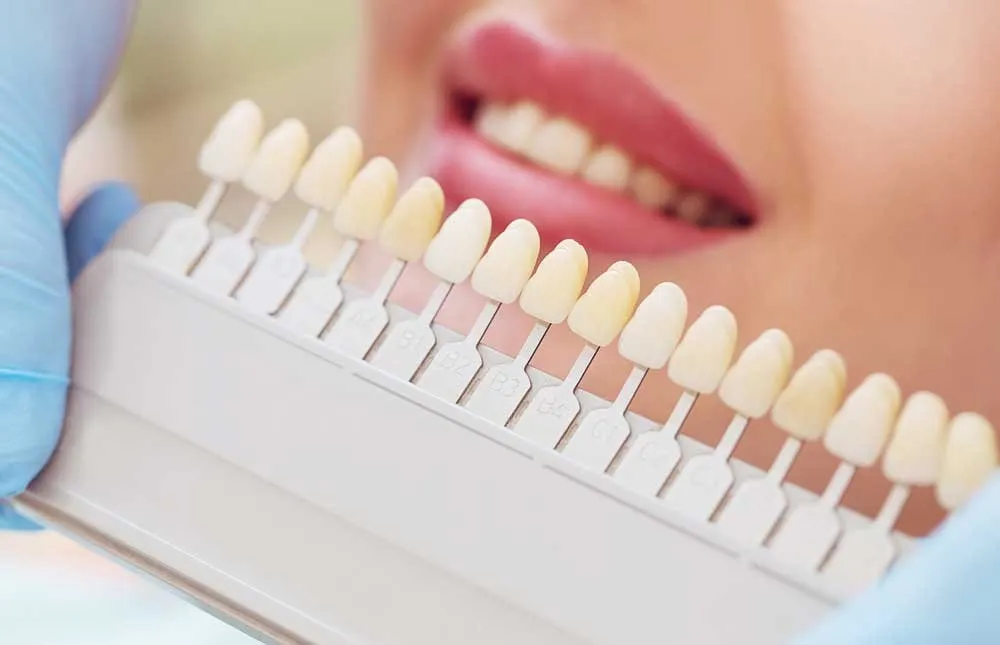
Are you considering teeth whitening but have veneers? Or perhaps you already have veneers and are wondering if teeth whitening is still an option? Understanding the relationship between teeth whitening and veneers is crucial for maintaining a bright, healthy smile. This article unveils five key facts about teeth whitening and veneers, providing you with essential insights to make informed decisions about your dental care. From how veneers react to whitening treatments to the best maintenance practices, we’ll cover everything you need to know to achieve and maintain your perfect smile. Let’s dive into the fascinating world of cosmetic dentistry and discover the secrets to a radiant smile!
Fact 1 Veneers Are Stain Resistant
One of the most significant advantages of porcelain veneers is their inherent stain resistance. Unlike natural tooth enamel, which is porous and can readily absorb stains from coffee, tea, wine, and other pigmented substances, porcelain veneers are made from a smooth, non-porous material. This composition significantly reduces the likelihood of staining, making them a long-lasting cosmetic solution. However, it’s important to note that while veneers are stain-resistant, they aren’t completely stain-proof. Over time, particularly with poor oral hygiene or exposure to highly staining agents, veneers can develop surface stains. Regular dental checkups and proper care, including brushing and flossing, are vital to maintain their pristine appearance.
Understanding Veneer Material Composition
Veneers are typically crafted from either porcelain or composite resin. Porcelain veneers are the more popular choice due to their superior aesthetic properties and durability. The porcelain used in veneers is specifically designed to mimic the translucency and light-reflecting characteristics of natural teeth, resulting in a seamless blend with your existing smile. Composite resin veneers, on the other hand, are often more affordable but may be more susceptible to staining and wear over time. The material’s composition is key to understanding how veneers react to teeth whitening treatments. The non-porous nature of porcelain prevents the whitening agents from penetrating the veneer, unlike natural teeth, where the whitening process can effectively lift stains.
Fact 2 Whitening Doesn’t Whiten Veneers

The primary purpose of teeth whitening treatments is to remove stains and discoloration from the enamel of natural teeth. These treatments typically involve the use of bleaching agents, such as hydrogen peroxide or carbamide peroxide, which penetrate the porous structure of the enamel to break down stain molecules. However, because veneers are made from a non-porous material, these whitening agents cannot penetrate or alter the color of the veneer. This means that teeth whitening will not lighten or brighten the color of your veneers. If your veneers were matched to a specific shade at the time of placement, that shade will remain unchanged regardless of any whitening treatment you undergo. This is a critical consideration for anyone with veneers contemplating teeth whitening, as the contrast between whitened natural teeth and unchanged veneers can sometimes be noticeable.
Why Veneers Remain Unchanged
The reason why veneers do not whiten is rooted in their material composition and surface properties. The smooth, non-porous surface of porcelain or composite veneers does not allow the whitening agents to penetrate and react with the internal structure of the veneer. Unlike natural teeth, which have microscopic pores that absorb stains and are therefore susceptible to whitening, veneers are resistant to this process. This resistance is an advantage in terms of stain resistance. However, it also means that if you desire a brighter smile, you’ll need to consider other options for your veneers, such as replacing them with new ones that match the shade of your whitened natural teeth. Consulting with your dentist about your aesthetic goals is essential to determine the best course of action.
Fact 3 Whitening Can Affect Adjacent Teeth
While teeth whitening won’t change the color of your veneers, it can certainly affect the natural teeth surrounding them. If you undergo a teeth whitening procedure, the bleaching agents will interact with the enamel of your natural teeth, lifting stains and making them appear brighter. This can lead to a noticeable difference in shade between the whitened natural teeth and the veneers, which remain the same color. This is particularly important if your veneers were matched to your teeth before whitening. In such cases, the natural teeth may become significantly lighter, while the veneers will stay the original shade, potentially creating a mismatched appearance. To avoid this, many dentists recommend whitening your natural teeth before getting veneers so that the veneers can be matched to the new, lighter shade.
Addressing Tooth Sensitivity

One potential side effect of teeth whitening is tooth sensitivity. The bleaching agents used in the process can sometimes irritate the nerves within the teeth, leading to temporary sensitivity. While this is usually a short-lived issue, it can be uncomfortable for some individuals. If you experience tooth sensitivity after whitening, your dentist may recommend using a toothpaste designed for sensitive teeth. Additionally, avoiding excessively hot or cold foods and drinks can help to minimize discomfort. It’s always advisable to discuss your teeth whitening plans with your dentist, especially if you have any existing dental issues, such as gum recession or tooth sensitivity. Your dentist can assess your oral health and recommend the safest and most effective whitening options for you.
Fact 4 Maintaining Veneers After Whitening
After undergoing teeth whitening and having veneers, it’s essential to maintain both the veneers and your newly whitened natural teeth. Proper oral hygiene practices are key to preserving your bright smile. This includes brushing your teeth at least twice a day with a fluoride toothpaste, flossing daily to remove plaque and debris from between your teeth, and using an antibacterial mouthwash to reduce the risk of decay and gum disease. Additionally, it’s crucial to avoid habits that can stain your teeth, such as smoking, and consuming excessive amounts of coffee, tea, and red wine. If you choose to drink these beverages, it’s a good idea to use a straw to minimize contact with your teeth.
Regular Dental Checkups
Regular dental checkups are vital for maintaining the health and appearance of your veneers and natural teeth. During these checkups, your dentist can assess the condition of your veneers, check for any signs of damage or wear, and provide professional cleaning to remove any surface stains that may have accumulated. They can also evaluate the overall health of your gums and identify any potential issues early on. Regular visits to the dentist, ideally every six months, are essential to ensure that your veneers remain in optimal condition and that your natural teeth stay healthy and bright. Professional cleaning is the best way to remove stubborn stains and keep your smile looking its best.
Fact 5 Veneers Lifespan & Whitening

The lifespan of porcelain veneers typically ranges from 10 to 20 years, depending on factors such as oral hygiene, diet, and habits like teeth grinding. Composite veneers usually have a shorter lifespan, often requiring replacement every 5 to 7 years. While teeth whitening doesn’t directly affect the longevity of veneers, it can indirectly influence your overall satisfaction with your smile. If you whiten your natural teeth after getting veneers, the veneers may no longer match the shade of your surrounding teeth. This can lead to a desire to replace the veneers to achieve a consistent, brighter look. Therefore, planning your whitening treatments and veneer placement in consultation with your dentist is important to ensure the longevity and aesthetics of your smile.
Ultimately, understanding how teeth whitening interacts with veneers is critical for anyone with these cosmetic enhancements. Teeth whitening won’t damage veneers, as they are stain-resistant and do not react to the bleaching agents. However, it can affect the appearance of your smile by altering the shade of your natural teeth while leaving the veneers unchanged. Regular dental checkups, proper oral hygiene, and consulting with your dentist are the best ways to ensure that you maintain a beautiful and healthy smile for years to come. By following these guidelines, you can confidently enjoy the benefits of both teeth whitening and veneers.