
Are you fascinated by the cosmetic dentistry field and looking for a rewarding career? Becoming a teeth whitening technician might be the perfect path for you. This guide will provide you with a comprehensive roadmap, detailing the steps, requirements, and opportunities that await you in this exciting profession. From understanding the core responsibilities to navigating training and certification, we’ll cover everything you need to know to launch your career in teeth whitening.
Understanding the Role of a Teeth Whitening Technician
A teeth whitening technician plays a crucial role in helping patients achieve brighter, more confident smiles. They work directly with clients, providing professional teeth whitening treatments and offering guidance on maintaining oral hygiene. This involves a blend of technical skills, interpersonal communication, and a strong understanding of dental health. The primary goal is to enhance a patient’s appearance and boost their self-esteem through cosmetic procedures. The job is hands-on and requires attention to detail, ensuring patient comfort and safety throughout the process. It is also important to stay updated on the latest techniques and products in the industry to deliver the best possible results.
Key Responsibilities and Duties
The core duties of a teeth whitening technician are diverse, encompassing various aspects of the whitening process. Technicians are responsible for assessing a patient’s teeth to determine their suitability for the treatment. They explain the procedure, addressing any concerns or questions the patient may have. They apply whitening agents, monitor the process, and ensure patient comfort throughout the session. Cleaning the teeth before the treatment, and providing post-treatment instructions are also common tasks. Maintaining a sterile and organized work environment is a priority. Furthermore, they may also assist with other cosmetic dental procedures and maintain accurate patient records. The technician must have a good eye to identify potential issues.
Daily Tasks and Procedures

A typical day involves setting up the treatment area, greeting patients, and reviewing their medical history. Technicians often take photos to document the initial tooth shade for comparison. They then prepare the patient’s mouth by cleaning the teeth and applying protective barriers. The whitening agent is applied, and the process is monitored for a specified duration, which can vary based on the product and the patient’s needs. Technicians may use specialized equipment like LED lights to enhance the whitening effect. After the treatment, they remove the agent, provide aftercare instructions, and schedule follow-up appointments. Thorough record-keeping, including notes on the patient’s progress and any reactions, is also a key part of the daily routine.
Essential Skills Needed
To excel as a teeth whitening technician, certain skills are essential. Excellent communication skills are vital to explain procedures clearly and address patient concerns. Manual dexterity is necessary for the precise application of whitening agents and the use of specialized tools. A keen eye for detail ensures accuracy and consistent results. A strong understanding of dental hygiene and oral health is crucial for patient education and safety. Additionally, technicians must possess strong interpersonal skills to build rapport with patients and provide a positive experience. Proficiency in record-keeping and basic computer skills are also beneficial for managing patient data and scheduling appointments. Moreover, the ability to work independently and as part of a team is important.
Education and Training Pathways
Embarking on a career as a teeth whitening technician involves specific educational and training pathways designed to equip you with the necessary skills and knowledge. While the requirements can vary slightly depending on the state and specific employer, a foundational understanding of the prerequisites and available training options is essential for success. This section will provide insights into the typical educational qualifications, certification courses, and practical experience required to enter this field.
High School Diploma or Equivalent

The most common requirement to start a career as a teeth whitening technician is a high school diploma or its equivalent, such as a GED. This educational foundation ensures that you have a basic level of literacy and a foundational understanding of science and math. Completing high school also shows a commitment to education and the ability to follow through on long-term goals, which are valuable attributes in any professional setting. While a high school diploma is often the entry point, it’s also important to note that additional training and certifications are usually necessary to gain practical skills and meet specific job requirements. A strong academic background can provide a solid base for the technical and interpersonal skills that are critical for this role.
Teeth Whitening Technician Certification Courses
Certification courses are designed to provide the specific training needed to perform teeth whitening procedures safely and effectively. These courses are typically offered by vocational schools, dental assisting schools, or online platforms. The curriculum covers a variety of topics, including dental anatomy, oral hygiene, whitening techniques, and safety protocols. Upon completion of the course, you usually receive a certificate of completion, which demonstrates that you have met the standards of education required to work as a teeth whitening technician. These courses can vary in length, with some lasting a few days and others taking several weeks, depending on the depth of the curriculum and the amount of hands-on training provided.
Specific Course Content and Curriculum
The curriculum includes a comprehensive overview of the relevant topics. Students will learn about the different types of teeth whitening procedures available, including in-office treatments, at-home kits, and over-the-counter options. Understanding the chemistry behind whitening agents and how they interact with tooth enamel is also covered. The course will provide training on how to assess a patient’s teeth to determine their suitability for treatment. This includes identifying any pre-existing conditions that might affect the outcome, and ensuring the patient’s safety. Hands-on training is a key component of most courses, allowing students to practice the techniques under supervision. Emphasis is also placed on patient communication, explaining the procedures, and providing aftercare instructions.
Hands-on Training and Clinical Experience

Clinical experience is a vital component of becoming a proficient teeth whitening technician. Many certification programs incorporate a practical element, where students gain hands-on experience under the guidance of experienced professionals. This clinical training gives you the opportunity to apply the theoretical knowledge learned in the classroom. It allows you to develop the manual dexterity and skills needed to perform the procedures accurately and safely. Practical experience helps you to build confidence, gain familiarity with the tools and equipment used, and refine your technique. Some courses may offer externships or internships at dental offices or cosmetic clinics, providing invaluable exposure to the professional environment. This hands-on experience is critical to prepare you for real-world scenarios.
Licensing and Certification Requirements
The requirements for licensing and certification for teeth whitening technicians vary by state and even by local regulations. Understanding these requirements is critical to ensuring that you are legally able to practice and to provide high-quality services to your patients. This section provides an overview of the regulatory landscape and explains what you need to do to obtain and maintain the necessary credentials. Compliance with these regulations is not only a legal requirement but also a reflection of your professionalism and commitment to patient safety.
State-Specific Regulations
State regulations vary significantly regarding teeth whitening procedures. Some states have specific licensing or certification requirements, while others may not. It’s crucial to research the specific rules in the state where you plan to practice. You should contact your state’s dental board or regulatory agency to inquire about the specific requirements. They can provide the most up-to-date information on certifications, permits, and any other credentials that are required. Regulations can change, so it’s important to stay informed of any updates. You can find the contact information for your state’s dental board on the American Dental Association (ADA) website or through a quick online search.
Applying for and Maintaining Certification
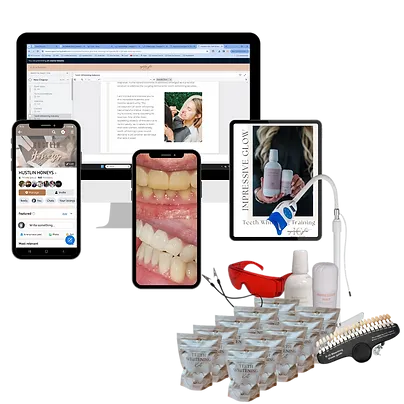
Once you have completed a certification course, the next step is to apply for any required licenses or certifications. This usually involves submitting an application to the relevant state agency along with proof of your training, any exam scores, and often, a fee. You may need to pass an examination to demonstrate your knowledge and skills. Once you have been granted certification or licensure, you will need to maintain it. This typically involves completing continuing education courses to stay current with the latest techniques, products, and regulations. The frequency and type of continuing education credits required will vary by state, so it’s crucial to stay informed. Maintaining your certification not only ensures compliance but also enhances your skills and keeps you competitive in the field.
Career Opportunities and Job Outlook
The job market for teeth whitening technicians offers several opportunities, as the demand for cosmetic dental services continues to grow. Understanding where you can work, the growth potential, and the salary expectations will help you to plan your career path effectively. This section provides an overview of the career prospects in this field, the different employment settings, and what you can expect in terms of job growth and compensation.
Where Teeth Whitening Technicians Can Work
Teeth whitening technicians have diverse options for employment. They often work in dental offices, where they assist dentists and provide whitening treatments as part of a broader range of dental services. Many technicians find employment in cosmetic dentistry clinics that specialize in aesthetic procedures. Some may work in spas or wellness centers that offer teeth whitening as part of their cosmetic services. Others may choose to work in mobile teeth whitening businesses, bringing their services directly to clients. In addition, some technicians may be self-employed, offering their services on a contract basis or setting up their own practices. The specific setting will influence the daily tasks, the patient base, and the overall work environment.
Job Market Trends and Growth Potential

The job market for teeth whitening technicians is generally positive, reflecting the increasing popularity of cosmetic dentistry. As people become more aware of the importance of their smiles, the demand for whitening treatments is likely to grow. This trend presents good opportunities for new technicians. Factors such as advances in whitening technologies, increased disposable incomes, and a greater emphasis on appearance have all contributed to this growth. The job market is competitive, so staying up-to-date with training, building a strong professional network, and offering excellent customer service are important to boost your career. While specific growth rates can vary based on the location and economic conditions, the overall outlook for the industry remains promising.
Salary Expectations and Compensation
The salary of a teeth whitening technician can vary based on several factors, including experience, location, and the type of employment. Entry-level technicians can expect to earn a competitive salary, with potential for growth as they gain more experience and skills. Salaries are often influenced by the cost of living in the area, with higher compensation typically found in metropolitan areas. Technicians who work in specialized clinics or those with advanced certifications may command higher salaries. Self-employed technicians have the potential to earn more, depending on their ability to attract and retain clients. It is crucial to research local salary ranges and negotiate your compensation based on your qualifications and the current market rates. Staying updated on industry benchmarks will help you make informed decisions throughout your career.
Tips for Starting Your Career
Starting your career as a teeth whitening technician involves several steps to help you succeed. Building a strong foundation, networking with professionals, and preparing for interviews are crucial steps. This section will help you to navigate the early stages of your career, offering practical tips and strategies to help you thrive in this field.
Building Your Professional Network

Building a strong professional network is essential for career success. Attend industry events, workshops, and seminars to meet other professionals in the field. Connect with dental offices, cosmetic clinics, and other potential employers. Use social media platforms, such as LinkedIn, to connect with other technicians and professionals in the industry. Seek out mentorship opportunities from experienced technicians who can provide valuable guidance and insights. Networking not only provides job opportunities but also helps you to stay informed about industry trends and best practices. Staying engaged with your professional community will enhance your career prospects and help you build a supportive network.
Resume and Cover Letter Writing
A well-crafted resume and cover letter are crucial for making a strong first impression. Highlight your relevant skills, certifications, and experience, focusing on what you can offer to a potential employer. Use keywords from the job descriptions to tailor your application. Proofread your resume and cover letter carefully to eliminate errors. Include a professional summary that describes your career goals. In your cover letter, express your enthusiasm for the role and explain why you are a good fit for the company. Demonstrate your knowledge of the company and the industry, and describe your relevant achievements and contributions. A well-written application can significantly increase your chances of getting an interview.
Interview Preparation and Techniques
Preparing for interviews involves researching the company, practicing common interview questions, and preparing thoughtful answers. Dress professionally and arrive on time for your interview. Be prepared to discuss your skills, experience, and career goals. Practice answering behavioral questions, such as questions that ask you to describe a situation, your actions, and the outcome. Prepare questions to ask the interviewer to demonstrate your interest and to gain more information about the role and the company. Be confident, enthusiastic, and showcase your passion for teeth whitening. Following up with a thank-you note after the interview is a professional courtesy. Good interview preparation can significantly increase your chances of landing your desired role.
In conclusion, becoming a teeth whitening technician offers a fulfilling career in the growing field of cosmetic dentistry. By following the steps outlined in this guide, from obtaining the necessary education and certification to building a strong professional network and preparing for job interviews, you can set yourself up for success. The demand for teeth whitening services is on the rise, creating numerous opportunities for skilled and dedicated technicians. Embrace the journey, stay committed to continuous learning, and enjoy helping patients achieve brighter, more confident smiles. Good luck as you embark on this exciting career path.