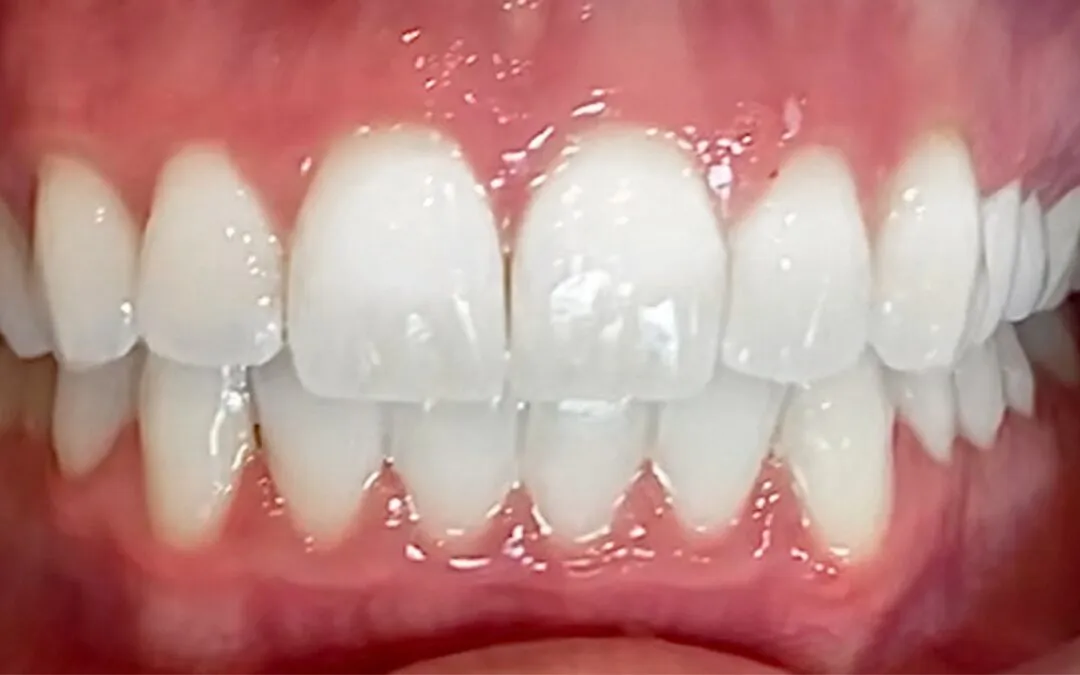
What is Teeth Whitening Sensitivity
Teeth whitening is a popular cosmetic dental procedure that can dramatically improve your smile, boosting both your confidence and your appearance. However, a common side effect of teeth whitening is temporary tooth sensitivity. This sensitivity typically manifests as a sharp, sudden pain or discomfort in your teeth when exposed to cold air, cold drinks, or even sweets. While usually transient, understanding the causes and duration of this sensitivity is crucial for anyone considering teeth whitening. Sensitivity arises because the whitening agents, often containing hydrogen peroxide or carbamide peroxide, penetrate the enamel and dentin of your teeth. This process irritates the nerves within the teeth, leading to the sensation of sensitivity. It’s important to remember that sensitivity doesn’t mean the whitening process is damaging your teeth, it’s simply a temporary response to the chemicals involved, which is why understanding the causes and how long it will last are so important.
The 5 Main Causes of Teeth Whitening Sensitivity
While tooth sensitivity can be unpleasant, knowing the common causes can help you understand and manage the issue more effectively. Several factors contribute to the onset and severity of sensitivity during teeth whitening. Recognizing these factors can help you take preventative measures and make informed decisions about your whitening process.
Hydrogen Peroxide Concentration

The concentration of hydrogen peroxide in the whitening product is a significant factor. Higher concentrations, often found in professional whitening treatments performed by dentists, tend to cause greater sensitivity. These stronger solutions are designed to deliver faster results but can also lead to more intense nerve irritation. Over-the-counter products generally have lower concentrations, which may result in less sensitivity but can also take longer to achieve the desired whitening effect. The choice between professional and at-home treatments often involves balancing the trade-off between speed, effectiveness, and the likelihood of experiencing sensitivity. If you’re concerned about sensitivity, discussing the appropriate concentration with your dentist is very helpful.
Tooth Enamel Thinness
The thickness and condition of your tooth enamel also play a crucial role. Enamel acts as a protective barrier for the underlying dentin, which contains nerve fibers. If your enamel is thin or has been worn down due to factors like aging, aggressive brushing, or acid erosion from foods and drinks, the whitening agents can more easily penetrate the dentin, leading to increased sensitivity. People with naturally thinner enamel or those with existing enamel erosion are more susceptible. Before starting any whitening treatment, your dentist may assess the condition of your enamel and recommend suitable precautions or alternative approaches to minimize sensitivity. Consider using a soft toothbrush to help protect your enamel.
Gum Recession
Gum recession exposes the roots of your teeth, which are not protected by enamel. The roots are covered by a softer tissue called cementum, which is much more porous and allows for easier penetration of whitening agents. This means that if you have receding gums, the whitening agents can more readily reach the nerves in the roots, causing significant sensitivity. Factors such as aggressive brushing, gum disease, and aging can contribute to gum recession. Dentists often recommend treating gum recession or using sensitivity toothpaste before starting a teeth whitening procedure to minimize discomfort. Maintaining excellent oral hygiene to prevent gum recession is also extremely important to maintain healthy teeth.
Existing Dental Issues

If you have pre-existing dental issues such as cavities, cracks, or leaky fillings, teeth whitening can exacerbate sensitivity. These issues create pathways for the whitening agents to reach the nerves within the tooth, leading to heightened discomfort. The whitening process itself doesn’t cause these issues, but it can make existing problems more noticeable. Before undergoing teeth whitening, it’s essential to have any dental issues addressed. Your dentist will typically examine your teeth for any signs of cavities, cracks, or other problems and recommend appropriate treatment, such as fillings, before starting the whitening procedure. This ensures that the whitening process is safe and effective.
Improper Application
Incorrect use of at-home whitening products can also lead to increased sensitivity. For example, using more whitening gel than recommended, leaving the trays in for longer than directed, or failing to properly fit the whitening trays can all contribute to sensitivity. Properly fitted trays are crucial for minimizing contact between the whitening gel and the gums. If the gel leaks onto the gums, it can cause irritation and increase sensitivity. It’s important to follow the instructions provided with the whitening kit carefully, and if using custom trays, ensure they fit snugly. If you’re unsure about how to use the product, consult your dentist for guidance and to ensure the application is safe and effective.
How Long Does Teeth Whitening Sensitivity Last
The duration of teeth whitening sensitivity varies depending on several factors, including the type of whitening treatment, individual tooth sensitivity levels, and oral hygiene practices. Understanding the typical timelines can help you manage your expectations and minimize any discomfort.
The Short-Term Duration

In most cases, teeth whitening sensitivity is temporary. Sensitivity typically peaks within 24 to 48 hours after a whitening treatment. For at-home treatments, this peak usually occurs during the first few days of use. The sensitivity generally subsides within a few days to a couple of weeks. This short-term duration is a normal part of the whitening process and usually resolves as the nerves within the teeth adapt to the whitening agents. You can often alleviate this temporary discomfort by using sensitivity toothpaste, avoiding very hot or cold foods and drinks, and using fluoride treatments.
The Long-Term Duration
In rare cases, sensitivity can persist for a more extended period. If sensitivity lasts longer than a few weeks, it’s important to consult your dentist. Prolonged sensitivity could indicate underlying issues, such as untreated cavities, enamel erosion, or other dental problems. The dentist can assess your teeth and gums to determine the cause and recommend appropriate treatment. Persistent sensitivity might also be related to the type of whitening treatment you’re using or the concentration of the whitening agent. Adjustments to the whitening regimen may be needed to reduce discomfort and ensure the safety of your teeth.
Factors Influencing Sensitivity Duration
Several factors influence how long your teeth whitening sensitivity will last. Understanding these factors can help you prepare for the experience and manage your sensitivity more effectively.
Type of Whitening Treatment

The type of whitening treatment you choose significantly impacts the duration and intensity of sensitivity. Professional in-office treatments, which use higher concentrations of whitening agents, often cause more immediate and intense sensitivity that may last for a shorter duration. At-home whitening kits, on the other hand, typically use lower concentrations, which may result in less initial sensitivity but could lead to prolonged mild discomfort. The method you select, whether a single in-office visit or a series of at-home applications, influences the overall experience. Your dentist can provide advice on the best option for you, taking into account your sensitivity level and desired results.
Tooth Sensitivity Levels
Your natural level of tooth sensitivity also plays a role. Individuals who already have sensitive teeth, perhaps due to thin enamel, gum recession, or previous dental work, are more likely to experience significant sensitivity during teeth whitening. Those with less sensitivity may experience minimal discomfort. If you’re prone to sensitivity, it’s a good idea to discuss this with your dentist. They may recommend pre-treatment with sensitivity toothpaste or other strategies to minimize discomfort during the whitening process. Understanding your own tooth sensitivity is key to preparing for and managing the whitening experience effectively.
Oral Hygiene Practices
Your oral hygiene habits can significantly impact how long sensitivity lasts. If you maintain good oral hygiene practices, your teeth and gums are generally healthier, and you’re less likely to experience prolonged sensitivity. Brushing with a soft-bristled toothbrush, flossing daily, and using sensitivity toothpaste can help minimize the impact of whitening. Regular dental check-ups and cleanings are also important, as they help identify and address any underlying dental issues that could contribute to sensitivity. Following your dentist’s recommendations for oral care will help you navigate the whitening process more comfortably and maintain long-term oral health.
How to Manage Teeth Whitening Sensitivity

Fortunately, there are several effective strategies to manage teeth whitening sensitivity. These methods can help you minimize discomfort and enjoy the benefits of a brighter smile. Incorporating these techniques into your routine can significantly improve your experience.
Using Sensitivity Toothpaste
Sensitivity toothpastes, which contain ingredients such as potassium nitrate or stannous fluoride, are designed to block the tubules in your teeth that lead to the nerves, thereby reducing sensitivity. Using this type of toothpaste for a few weeks before starting the whitening process can help desensitize your teeth and minimize any discomfort. Continue using it throughout the whitening process and afterward, as needed. These toothpastes can provide significant relief, making the experience much more pleasant. Follow the instructions on the toothpaste packaging and be patient, as it may take a few weeks to experience the full effect.
Avoiding Acidic Foods
Acidic foods and drinks, such as citrus fruits, sodas, and vinegar-based dressings, can exacerbate tooth sensitivity. These items can temporarily erode the enamel, making your teeth more vulnerable to irritation. During and immediately after your teeth whitening treatment, it’s best to avoid or limit your consumption of these items. Opting for a diet rich in non-acidic foods, such as dairy products, vegetables, and lean proteins, can help protect your teeth and minimize discomfort. If you do consume acidic items, it’s helpful to rinse your mouth with water afterward to neutralize the acid. Paying attention to your diet can significantly improve your comfort during the whitening process.
Applying Fluoride Treatments

Fluoride treatments can strengthen tooth enamel and reduce sensitivity. Your dentist may recommend applying fluoride varnish or prescribing a high-fluoride toothpaste. These treatments can help remineralize your enamel, making your teeth less susceptible to the effects of the whitening agents. Fluoride can also block the tubules in your teeth, reducing nerve irritation. In-office fluoride treatments provide a concentrated dose of fluoride, offering immediate relief. Following your dentist’s recommendations for fluoride treatments can significantly reduce your sensitivity and support the overall health of your teeth. Consider incorporating fluoride into your daily oral hygiene routine to help.
Consulting Your Dentist
Before starting any teeth whitening treatment, it’s important to consult your dentist. They can assess the condition of your teeth and gums, identify any pre-existing issues, and recommend the most appropriate whitening method for your needs. Your dentist can also provide personalized advice on managing sensitivity and suggest strategies such as sensitivity toothpaste, fluoride treatments, or other measures. They can help you understand the potential risks and benefits of teeth whitening and ensure you have realistic expectations. Regular check-ups and professional guidance are invaluable in achieving a bright, healthy smile safely and comfortably.
When to Seek Professional Help
While teeth whitening sensitivity is usually temporary, there are situations when it’s necessary to seek professional help. If your sensitivity is severe, persistent, or accompanied by other symptoms, it could indicate an underlying issue that requires attention. For instance, if the sensitivity lasts longer than a few weeks, it’s essential to consult your dentist. Additionally, if you experience sharp, shooting pains, or if your gums become inflamed or bleed, it’s crucial to seek professional help promptly. Your dentist can examine your teeth and gums to determine the cause of the problem and recommend appropriate treatment. Do not hesitate to seek professional help to ensure your teeth and gums remain healthy.
Understanding the causes and duration of teeth whitening sensitivity, as well as knowing how to manage it, can help you achieve a brighter smile with minimal discomfort. By following the advice of your dentist and taking appropriate precautions, you can confidently embark on your teeth whitening journey and enjoy the benefits of a beautiful, healthy smile.