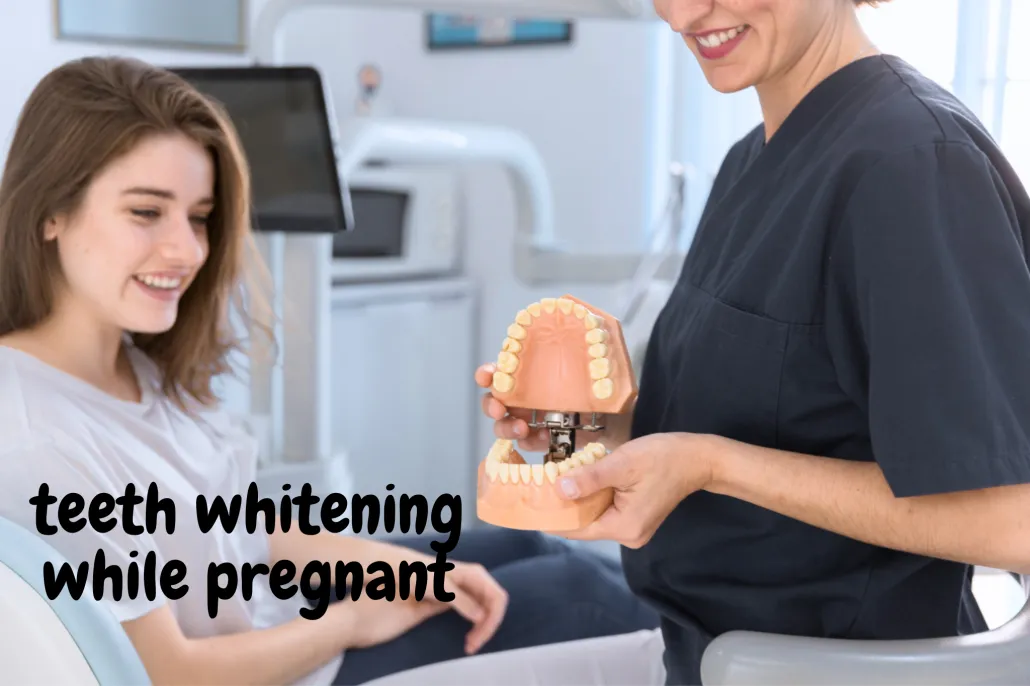
Teeth Whitening During Pregnancy Overview
Pregnancy brings about numerous changes in a woman’s body, and maintaining good oral health is crucial during this time. Many expectant mothers are concerned about the safety of various dental procedures, including teeth whitening. This article aims to explore the facts about teeth whitening and its potential effects while pregnant, providing insights into safe practices and alternatives. The goal is to equip expecting mothers with the necessary knowledge to make informed decisions about their dental care, ensuring both their well-being and the health of their developing baby. Understanding the risks, benefits, and alternatives is essential for navigating the complexities of oral hygiene during pregnancy.
The Science Behind Teeth Whitening
Teeth whitening works by using bleaching agents to break down stains on the enamel surface of the teeth. The most common active ingredient is hydrogen peroxide or carbamide peroxide. These chemicals penetrate the enamel, oxidizing the stain molecules and making them less visible. The effectiveness of the whitening process depends on the concentration of the active ingredient and the duration of its contact with the teeth. Various factors, such as the type and severity of stains, the natural shade of the teeth, and the individual’s oral health, can influence the results. Understanding the science behind teeth whitening is crucial to comprehend the potential risks and benefits, especially during pregnancy.
How Teeth Whitening Works

The process of teeth whitening typically involves applying a bleaching agent to the teeth. In professional settings, dentists often use higher concentrations of hydrogen peroxide, activating the bleaching process with a special light or laser. At-home kits usually contain lower concentrations, applied through custom-fitted trays or strips. The active ingredient penetrates the enamel and dentin, the layer beneath, breaking down the stain-causing molecules. The duration of the treatment varies depending on the method used, from a single in-office session to several weeks of at-home application. Regardless of the method, the primary goal is to lighten the teeth and remove discoloration, improving the overall appearance of the smile.
Potential Risks of Teeth Whitening
While teeth whitening is generally considered safe for the general population, it carries potential risks, including tooth sensitivity and gum irritation. The bleaching agents can temporarily make teeth more sensitive to hot and cold temperatures. Gum irritation, characterized by inflammation and redness, can occur if the bleaching agent comes into contact with the gums. In rare cases, overuse or misuse of teeth whitening products can lead to enamel damage. During pregnancy, the body undergoes significant hormonal changes, potentially increasing sensitivity and susceptibility to side effects. Therefore, it is essential to consider these risks and consult with a dental professional before undergoing teeth whitening while pregnant.
Ingredients to Avoid While Pregnant
During pregnancy, it’s critical to be mindful of the ingredients in dental products, especially those used for teeth whitening. High concentrations of hydrogen peroxide, the active ingredient in many whitening treatments, should be approached with caution. Although there is limited research on the direct effects of hydrogen peroxide on a developing fetus, the potential for absorption and systemic exposure warrants consideration. Additionally, avoid products containing harsh chemicals or abrasive agents that can irritate the gums, particularly during pregnancy when the gums are more sensitive. Always consult with a dentist or healthcare provider before using any dental products to ensure they are safe for both the mother and the baby. Prioritizing gentle, pregnancy-safe products is the best approach.
Fact 1 Does Teeth Whitening Pose Risks to the Fetus?

The primary concern with teeth whitening during pregnancy revolves around the potential risks to the developing fetus. While there is no definitive research confirming that teeth whitening is harmful to the fetus, the lack of extensive studies makes it difficult to assert its complete safety. The chemicals used in teeth whitening, such as hydrogen peroxide, can be absorbed into the bloodstream. While the amount absorbed may be minimal, the potential impact on fetal development is a key consideration. As a precaution, many dentists recommend avoiding teeth whitening during pregnancy to minimize any potential risks. Expectant mothers should always discuss this with their healthcare providers.
Understanding Fetal Development
Fetal development is a complex process that is highly susceptible to external influences, especially during the early stages of pregnancy. The first trimester is a critical period for organogenesis, when the major organs and systems of the baby are forming. Exposure to certain chemicals or substances can potentially disrupt this development, leading to adverse outcomes. The placenta serves as a barrier between the mother and the fetus, but it does not provide complete protection against all substances. Therefore, the potential for chemicals from teeth whitening products to cross the placenta and affect fetal development is a legitimate concern. Expectant mothers should be aware of these stages and prioritize their baby’s health.
Impact of Chemicals on Fetal Development
The impact of chemicals on fetal development can vary depending on the substance, the dosage, and the stage of pregnancy. Some chemicals may cause birth defects, while others may affect growth or cognitive development. The primary concern with teeth whitening products is the potential for chemicals to enter the fetal bloodstream and interfere with normal development. While hydrogen peroxide is generally considered safe in small amounts, the higher concentrations used in teeth whitening raise concerns. The lack of comprehensive studies on the effects of teeth whitening products on fetal development necessitates caution. Expectant mothers should weigh the risks and benefits, considering the potential for adverse effects on their baby.
Fact 2 The Effects of Hydrogen Peroxide

Hydrogen peroxide is the primary active ingredient in most teeth whitening products. It works by oxidizing stain molecules, effectively breaking them down and lightening the teeth. However, during pregnancy, there are potential concerns associated with its use. While the amount of hydrogen peroxide absorbed from teeth whitening products is generally considered low, the potential for systemic exposure is a concern. The absorption rate can vary depending on the concentration of the product, the duration of application, and the individual’s oral health. Expectant mothers should be informed about the potential effects of hydrogen peroxide and consider safer alternatives.
How Hydrogen Peroxide Works
Hydrogen peroxide works by penetrating the enamel and dentin of the teeth and breaking down stain molecules. The process of oxidation changes the structure of these molecules, making them less visible and resulting in a brighter smile. The concentration of hydrogen peroxide determines the effectiveness of the whitening process. Higher concentrations yield faster results, but they also increase the risk of side effects like tooth sensitivity and gum irritation. In professional teeth whitening, dentists can use higher concentrations due to their controlled environment and expertise. At-home products contain lower concentrations for safety, requiring more prolonged application. It is essential to understand how hydrogen peroxide works to make informed decisions about teeth whitening.
Hydrogen Peroxide and Pregnancy
The use of hydrogen peroxide during pregnancy requires careful consideration. Although the potential risk of harm to the fetus is considered low, there is a lack of definitive research to guarantee its complete safety. Some studies suggest that hydrogen peroxide can be absorbed into the bloodstream, which raises concerns about its impact on the developing fetus. During pregnancy, the body undergoes hormonal changes, and the gums are more sensitive. This can increase the likelihood of gum irritation from hydrogen peroxide. Many dentists advise against teeth whitening during pregnancy as a precautionary measure. Expectant mothers should consult their healthcare providers to assess the risks and make informed decisions.
Fact 3 Professional vs At-Home Whitening

When considering teeth whitening during pregnancy, it is important to differentiate between professional and at-home treatments. Professional teeth whitening is performed by a dentist in a controlled environment, usually involving higher concentrations of hydrogen peroxide and the use of special lights or lasers to enhance the whitening effect. At-home whitening typically uses lower concentrations of peroxide applied through custom-fitted trays or strips. The safety profile and potential risks can vary depending on the method. Professional treatments may offer quicker results but could also pose a higher risk of sensitivity or gum irritation. At-home methods may be gentler, but it’s important to follow instructions carefully and be aware of any potential side effects. The choice between the two should be made in consultation with a dentist, taking into account individual circumstances and pregnancy status.
Professional Teeth Whitening Procedures
Professional teeth whitening procedures involve a series of steps performed by a dentist or dental hygienist. These procedures typically start with a thorough cleaning to remove plaque and surface stains. The dentist then applies a high-concentration hydrogen peroxide gel to the teeth, often isolating the gums with a protective barrier to minimize irritation. A special light or laser may be used to activate the bleaching agent, accelerating the whitening process. The procedure usually takes about an hour and can significantly lighten the teeth in a single session. While professional whitening can be effective, the higher concentrations of hydrogen peroxide increase the risk of tooth sensitivity and gum irritation. Pregnant women should discuss the risks and benefits with their dentist before considering professional teeth whitening.
At-Home Teeth Whitening Kits
At-home teeth whitening kits offer a convenient alternative to professional procedures, but they require careful attention and adherence to instructions. These kits typically include custom-fitted trays or pre-filled strips containing a lower concentration of hydrogen peroxide or carbamide peroxide. The trays are designed to be filled with the whitening gel and worn for a specified period, usually for a few hours each day or overnight. Strips are applied directly to the teeth and left in place for a shorter duration. While at-home kits are generally considered safer due to the lower concentrations of active ingredients, it is essential to follow the instructions precisely to minimize the risk of side effects. Pregnant women should always consult with their dentist before using any at-home whitening product to ensure it is safe for them and their baby.
Fact 4 Safer Alternatives to Teeth Whitening

During pregnancy, opting for safer alternatives to teeth whitening is often recommended to minimize potential risks. Several options can help maintain a bright smile without using harsh chemicals. Maintaining excellent oral hygiene practices is essential, including brushing twice daily with fluoride toothpaste and flossing daily. Avoiding stain-causing foods and beverages, such as coffee, tea, and red wine, can also help prevent discoloration. Professional teeth cleaning can remove surface stains and improve the overall appearance of the teeth. Using over-the-counter whitening toothpastes with low concentrations of whitening agents may also be considered, but it is crucial to consult a dentist before using any whitening products during pregnancy. Prioritizing these alternatives can help maintain a healthy and bright smile while ensuring the safety of the mother and the baby.
Oral Hygiene Practices
Maintaining excellent oral hygiene is crucial during pregnancy, not only for the health of the teeth but also for overall health. This includes brushing teeth twice a day with fluoride toothpaste, flossing daily to remove plaque and food particles from between the teeth and under the gumline, and using mouthwash to freshen breath and reduce bacteria. Regular dental check-ups and professional cleanings are also essential for preventing and treating dental problems like gingivitis, which can be more common during pregnancy. Proper oral hygiene helps remove surface stains, prevent cavities, and keep the gums healthy. Expectant mothers should prioritize their oral hygiene to protect their teeth and gums and support their overall health.
Natural Teeth Whitening Methods
For pregnant women who want to improve the appearance of their teeth without using harsh chemicals, there are several natural teeth whitening methods. Some popular options include brushing with baking soda and water, which can help remove surface stains. However, baking soda is abrasive and should be used sparingly. Rinsing the mouth with hydrogen peroxide diluted with water may also help lighten teeth, but it is important to use it cautiously and in low concentrations. Certain fruits, like strawberries, contain malic acid, which can help remove stains. Rubbing the teeth with a slice of strawberry, followed by brushing, may offer some whitening benefits. It is vital to consult a dentist before trying any natural teeth whitening methods to ensure they are safe and effective.
Fact 5 When to Consult a Dentist

Consulting a dentist is paramount before undergoing any teeth whitening procedure, especially during pregnancy. Dentists can assess the individual’s oral health, evaluate the risks, and recommend the safest approach. They can provide personalized advice based on the patient’s specific needs and circumstances. Before teeth whitening, the dentist will conduct a thorough examination of the teeth and gums to check for cavities, gum disease, or other issues that could affect the safety and effectiveness of the whitening treatment. They can also discuss the potential risks and benefits of professional versus at-home whitening options and suggest appropriate alternatives. The dentist will also be able to answer any questions or concerns about teeth whitening and provide guidance to maintain healthy oral hygiene.
Why Dental Consultation is Crucial
A dental consultation is crucial because dentists have the expertise to assess individual oral health and provide personalized recommendations. They can identify potential risks and ensure that the chosen teeth whitening method is safe and appropriate. Dentists consider factors like the overall health of the teeth and gums, any existing dental work, and the specific type of staining present. They can also discuss the potential side effects of teeth whitening, such as tooth sensitivity and gum irritation, and provide tips on minimizing these effects. During pregnancy, hormonal changes can increase sensitivity and the risk of complications. Therefore, a dental consultation is essential to ensure both the mother’s safety and the baby’s health. A dental professional can recommend the best course of action.
Importance of Regular Dental Check-ups
Regular dental check-ups are crucial for maintaining oral health, especially during pregnancy. Dental visits allow the dentist to monitor the health of the teeth and gums, detect any potential problems early, and provide necessary treatments. During pregnancy, women are more susceptible to certain dental issues, such as gingivitis, due to hormonal changes. Regular check-ups enable the dentist to identify and address these issues promptly. The dentist can also provide guidance on proper oral hygiene practices and recommend appropriate products for the individual’s needs. Routine dental check-ups are an essential part of prenatal care, ensuring the health and well-being of both the mother and the developing baby. They are an integral part of maintaining good overall health during pregnancy.