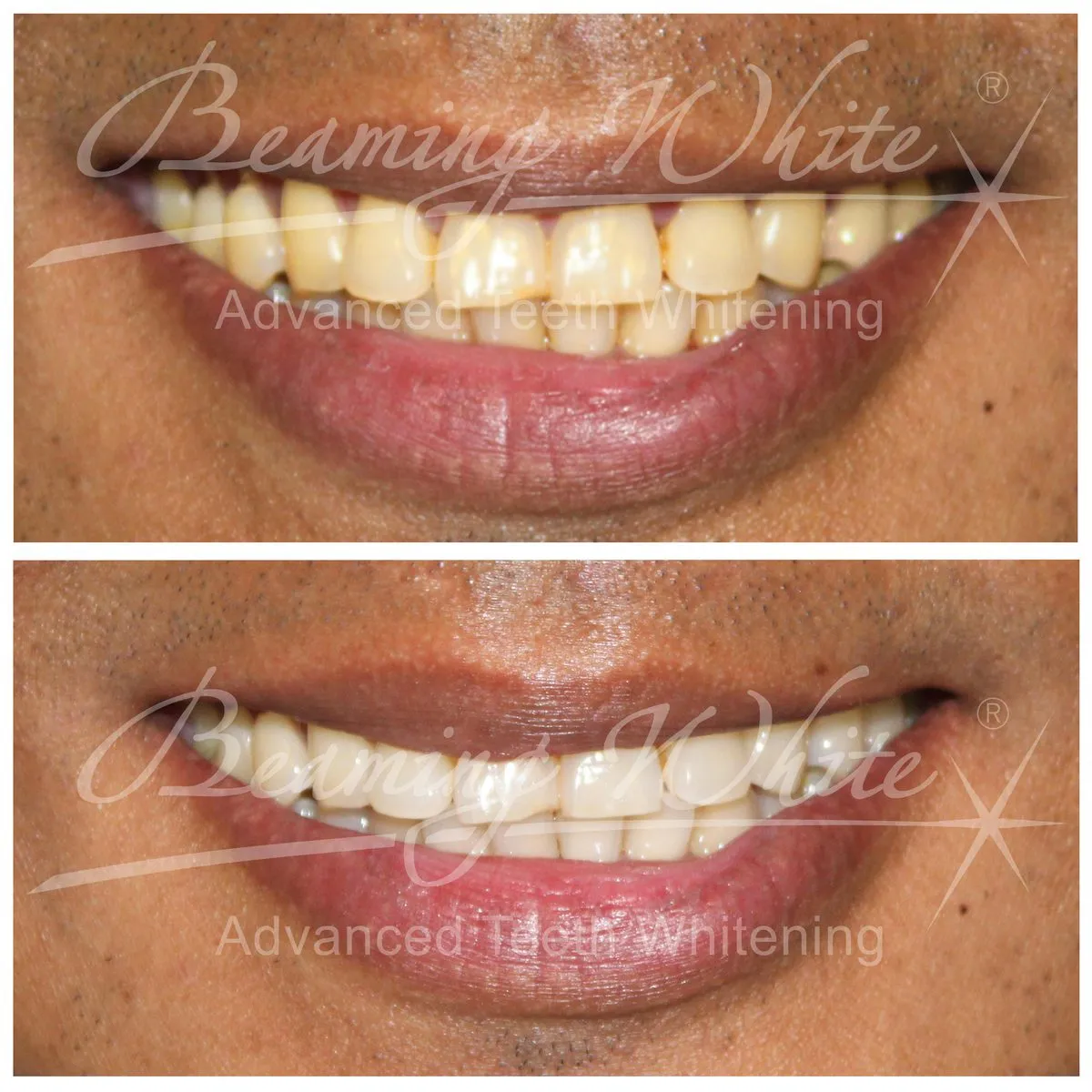
Teeth Whitening Real Results Top 5 Facts
Achieving a brighter, more confident smile is a common goal, and teeth whitening has become a popular cosmetic procedure. But what are the real results you can expect? This article delves into the top 5 facts about teeth whitening, providing a comprehensive understanding of the process, effectiveness, and what you should know before taking the plunge. From understanding the causes of tooth discoloration to the various whitening methods available, we’ll explore essential aspects to help you make informed decisions about your dental health and cosmetic goals. This information will provide you with the necessary tools to navigate the world of teeth whitening.
Fact 1 What Causes Tooth Discoloration
Before you can effectively whiten your teeth, it’s essential to understand the underlying causes of discoloration. Tooth discoloration can stem from a variety of factors, impacting both the enamel and the dentin (the layer beneath the enamel). Understanding these factors will help you determine the most appropriate whitening methods and manage your expectations. The causes range from lifestyle choices to natural processes within your body. Identifying these causes allows for a more targeted approach to achieving the desired results.
Types of Stains

There are primarily two types of stains: extrinsic and intrinsic. Extrinsic stains affect the surface of the enamel, often caused by the pigments in food, drinks, and tobacco products. Intrinsic stains, on the other hand, originate from within the tooth structure, usually due to factors like aging, genetics, certain medications, or trauma. These stains are generally more difficult to remove and may require professional treatments. The ability to differentiate between these two types will aid in choosing the right whitening solutions.
Dietary Choices and Habits
What you consume significantly impacts your teeth’s color. Coffee, tea, red wine, and dark-colored berries are notorious for staining teeth. Smoking and tobacco use also contribute significantly to discoloration. These substances contain chromogens, which are pigment-producing substances that adhere to the enamel surface. Minimizing your intake of these staining agents, or practicing good oral hygiene after consuming them, can help maintain a brighter smile. The cumulative effect of these habits can drastically influence your need for teeth whitening.
Aging and Genetics
As we age, the enamel on our teeth naturally thins, revealing more of the yellowish dentin underneath. This is a normal process and a significant factor in age-related discoloration. Genetics also play a role; some people are simply predisposed to having lighter or darker teeth. These inherent factors can influence the effectiveness and longevity of any teeth whitening treatments you pursue. Consulting with a dentist can help you understand how your individual circumstances impact your teeth whitening journey.
Fact 2 Professional Teeth Whitening vs At Home

The world of teeth whitening offers a spectrum of options, from in-office professional treatments to various at-home kits. Each method has its advantages and disadvantages. Understanding the differences between professional and at-home options is critical for choosing the most suitable path for your needs. Considerations include cost, convenience, and the level of results you want to achieve. Both options utilize bleaching agents, but the concentration and application methods differ significantly.
Professional Whitening Procedures
Professional teeth whitening, performed by a dentist, offers the most dramatic and immediate results. These procedures typically involve a higher concentration of bleaching agents, such as hydrogen peroxide, applied directly to the teeth. The dentist may also use special lights or lasers to accelerate the whitening process. These treatments are often completed in a single visit, making them ideal for those seeking quick results. While they are more expensive than at-home methods, they offer the advantage of professional supervision and can provide a more predictable outcome.
At Home Whitening Kits
At-home whitening kits, available over-the-counter or prescribed by your dentist, provide a more affordable and convenient alternative. These kits typically include trays, bleaching gel, and instructions for use. The concentration of the bleaching agent is lower than that used in professional treatments, so results may take longer to appear. While convenient, it is important to follow the instructions carefully to avoid gum irritation or uneven whitening. Consistent use, as directed, is key to achieving noticeable results. The kits vary widely, so consulting with your dentist before use is advisable.
Fact 3 Effectiveness of Whitening Ingredients

The efficacy of teeth whitening largely hinges on the active ingredients used in the bleaching process. Understanding the role of these ingredients, their concentration, and how they work is important. The two most commonly used agents, hydrogen peroxide and carbamide peroxide, break down stains and lift discoloration, leaving you with a brighter smile. The effectiveness also depends on the type of stains present and the overall health of your teeth. Always consult with a dental professional to determine which ingredients are best suited for your needs and ensure the safety of the procedure.
Hydrogen Peroxide
Hydrogen peroxide is a powerful oxidizing agent and the primary bleaching agent in many teeth whitening products. It works by penetrating the enamel and dentin, breaking down the stain molecules and lightening the tooth’s color. The concentration of hydrogen peroxide varies in professional and at-home treatments. Higher concentrations used in-office provide faster and more pronounced results, while lower concentrations in at-home kits offer a safer, albeit slower, process. The efficacy can also vary based on the type of discoloration, with extrinsic stains often responding better than intrinsic ones.
Carbamide Peroxide
Carbamide peroxide is another common bleaching agent found in teeth whitening products. It breaks down into hydrogen peroxide and urea, providing a slower release of the active bleaching agent. Because it releases the peroxide more gradually, it is often used in at-home whitening kits. Carbamide peroxide can be gentler on the teeth and gums than higher concentrations of hydrogen peroxide, but it may require more frequent applications to achieve similar results. Its effectiveness depends on the concentration and the duration of use, so following the instructions carefully is essential.
Fact 4 Maintenance and Aftercare

Maintaining your newly whitened smile requires diligent aftercare and a commitment to certain lifestyle changes. The longevity of your results depends on your habits and the choices you make. Proper maintenance helps in preventing new stains and ensuring that the teeth whitening effects last. This includes dietary modifications, oral hygiene practices, and regular dental check-ups. With the proper care, you can enjoy a brighter smile for an extended period. Aftercare is as important as the whitening procedure itself.
Avoiding Staining Foods and Drinks
Immediately following teeth whitening, your teeth are more susceptible to staining. Avoiding foods and drinks known for their staining properties is crucial during this period. This includes coffee, tea, red wine, dark sodas, and deeply colored fruits and vegetables. Limiting your exposure to these substances can help prevent the absorption of staining pigments. As time goes on, you can gradually reintroduce these items in moderation. Proper oral hygiene after consuming such items is key.
Regular Dental Check ups
Regular dental check-ups and cleanings are essential for maintaining a healthy and bright smile. Your dentist can remove surface stains and assess your overall oral health. Professional cleanings can also help prolong the effects of your teeth whitening treatment. During your check-ups, your dentist can also recommend touch-up treatments and offer personalized advice on maintaining your results. Regular visits ensure your teeth remain healthy and your smile continues to shine.
Fact 5 Realistic Expectations and Limitations

While teeth whitening can significantly improve your smile, it is important to have realistic expectations about the results. The outcome depends on several factors, including the type and severity of stains, the natural shade of your teeth, and the whitening method used. It’s also important to understand the limitations of teeth whitening. Some types of discoloration may not respond as well to whitening, and the results may not be permanent. Consulting your dentist will help you gain realistic expectations and develop a plan that matches your specific needs.
Factors Influencing Results
Several factors influence the final results of teeth whitening. The type and severity of the stains play a major role, as do the concentration of the bleaching agent and the duration of treatment. The natural shade of your teeth also matters; some people’s teeth whiten more effectively than others. Certain dental work, such as fillings or crowns, will not whiten in the same way as your natural teeth. Understanding these factors helps you to align your expectations with the potential outcome of the procedure. Your dentist can assess these aspects during your initial consultation.
Consulting a Dentist
Before undergoing any teeth whitening treatment, it is always advisable to consult with your dentist. Your dentist can assess your oral health, identify the causes of discoloration, and recommend the most suitable whitening options for your specific needs. They can also inform you about potential risks, such as tooth sensitivity, and provide personalized guidance. Professional guidance ensures the safety and effectiveness of the treatment. A dentist’s expertise will help you to achieve the best possible outcome and maintain a healthy and beautiful smile.
In conclusion, teeth whitening can deliver real results, but success relies on understanding the process, choosing the right method, and practicing diligent aftercare. By knowing the facts about causes of discoloration, professional and at-home methods, whitening ingredients, maintenance, and realistic expectations, you can make informed decisions and achieve a brighter, more confident smile. Remember to consult with your dentist to ensure safe and effective teeth whitening. A radiant smile is within reach with the right approach.