Understanding Teeth Discoloration
Teeth discoloration is a common concern, affecting people of all ages. Understanding why your teeth might not be as bright as you’d like is the first step toward finding effective solutions. Staining can range from surface-level blemishes to deeper changes within the tooth structure. The color of our teeth is influenced by a combination of factors, including genetics, age, and lifestyle choices. The natural color of teeth varies from person to person, ranging from a yellowish hue to grayish-white. As we age, the enamel, the hard, protective outer layer of our teeth, wears down, revealing more of the yellowish dentin underneath. This can make teeth appear darker over time, but there are many things that can be done to help whiten teeth.
Causes of Tooth Staining
Tooth staining can be attributed to a variety of factors, both internal and external. Identifying these causes is crucial for choosing the right teeth whitening method. Extrinsic stains are those that affect the surface of the tooth, such as those caused by foods and drinks. Intrinsic stains originate within the tooth structure itself, often due to factors like aging, trauma, or certain medications. A combination of both can also occur, making the teeth appear even more discolored. The following sections will delve deeper into the primary causes, providing a comprehensive understanding of what leads to stained teeth and how to combat the issue.
Dietary Factors

What we eat and drink has a significant impact on the color of our teeth. Certain foods and beverages contain pigments called chromogens, which can stick to the tooth enamel and cause staining. Coffee, tea, and red wine are notorious for their staining potential. These drinks contain tannins, which help the chromogens adhere to the teeth. Similarly, deeply colored fruits and vegetables like berries, beets, and pomegranates can also contribute to staining. The acidity in these foods and drinks can also erode enamel, making teeth more susceptible to staining. Additionally, sugary foods and drinks can increase the risk of tooth decay, indirectly leading to discoloration due to bacterial activity.
Lifestyle Choices
Lifestyle choices significantly influence the color and health of our teeth. Smoking and tobacco use are major culprits, as they introduce tar and nicotine, which readily stain teeth. Nicotine itself is colorless, but when it combines with oxygen, it turns yellowish-brown, leading to noticeable discoloration. Poor oral hygiene exacerbates the problem. Inadequate brushing, flossing, and regular dental check-ups allow stains to accumulate on the tooth surface, making the teeth appear dull and discolored. Certain medications, like tetracycline antibiotics, can cause intrinsic staining, especially if taken during childhood. Excessive fluoride intake, particularly during tooth development, can also lead to fluorosis, a condition that causes white or brown spots on the enamel. These lifestyle choices underscore the importance of a proactive approach to dental care.
Top 7 Home Remedies for Teeth Whitening
If you are looking to whiten your teeth, there are many at-home remedies that can help. Here are some simple, effective, and accessible solutions for teeth whitening. Home remedies offer a cost-effective way to brighten your smile without the need for professional treatments. However, it’s crucial to use these methods with care and moderation to avoid potential side effects. Always consult with your dentist before starting any new teeth whitening regimen to ensure it’s safe for your oral health. When used properly, these at-home remedies can noticeably improve the brightness of your teeth.
Oil Pulling for a Brighter Smile

Oil pulling is an ancient Ayurvedic practice that has gained popularity for its potential oral health benefits, including teeth whitening. This method involves swishing oil in your mouth to remove bacteria, toxins, and plaque. While the whitening effect is gradual, many users report a noticeable improvement in the brightness of their teeth. The oil pulls away bacteria and debris, reducing inflammation and promoting healthier gums, which can contribute to a brighter smile. Regular oil pulling can also freshen breath and improve overall oral hygiene. To be the most effective it must be done on a consistent basis.
How it Works
The mechanism behind oil pulling is relatively simple. As the oil is swished around the mouth, it attracts and traps bacteria, toxins, and debris. These substances are then removed when you spit out the oil, leading to a cleaner mouth and potentially whiter teeth. The oil acts as a solvent, helping to dissolve plaque and bacteria that can cause staining. Additionally, oil pulling can reduce inflammation in the gums, contributing to a healthier oral environment. The process helps to reduce bad breath and improve overall oral hygiene. By removing harmful substances, oil pulling can contribute to a naturally brighter smile over time.
Step-by-Step Guide
Start with one tablespoon of oil, typically coconut oil, sesame oil, or sunflower oil. Swish the oil in your mouth for 15-20 minutes. Make sure the oil reaches all areas of your mouth, including between your teeth. Spit the oil into a trash can, as it can clog drains. Rinse your mouth thoroughly with water and brush your teeth as usual. For best results, oil pull once a day, preferably in the morning before eating or drinking anything. Regular practice can lead to a noticeable improvement in the brightness of your teeth and overall oral health.
Baking Soda and Hydrogen Peroxide

Baking soda and hydrogen peroxide is a popular combination for teeth whitening. Both have properties that can help remove stains and brighten teeth. Baking soda acts as a gentle abrasive that can scrub away surface stains, while hydrogen peroxide has a mild bleaching effect. This combination is frequently used to create a paste that is applied to the teeth for a short period. Many people find this a cost-effective and accessible way to whiten their teeth at home. It is important to use this method carefully to avoid damaging the enamel. When used in moderation, it can be a helpful addition to your oral hygiene routine.
The Whitening Power of the Mixture
Baking soda’s slightly abrasive texture helps to gently scrub away surface stains caused by food and drinks. Hydrogen peroxide acts as a mild bleaching agent, penetrating the enamel to lighten the color of your teeth. The combination of these two ingredients can effectively remove stains and brighten your smile. When mixed, baking soda and hydrogen peroxide create a chemical reaction that releases oxygen, which helps to lift stains. This makes it a popular choice for those looking to enhance their smile at home. The effectiveness can vary, but many users report noticeable improvements.
Application and Precautions
Mix one tablespoon of baking soda with two tablespoons of hydrogen peroxide to create a paste. Gently brush your teeth with the paste for about two minutes. Rinse your mouth thoroughly with water. Use this method no more than twice a week to avoid enamel erosion. Avoid swallowing the mixture. If you experience any sensitivity or irritation, discontinue use and consult your dentist. It’s best to consult with your dentist before using this method, especially if you have sensitive teeth or existing dental work. Always use a low concentration of hydrogen peroxide, typically 3%.
Activated Charcoal for Stain Removal

Activated charcoal is a highly absorbent substance that is effective at removing stains from teeth. It works by binding to the stains and impurities on the surface of the teeth. Derived from sources like coconut shells or wood, activated charcoal is processed to increase its porosity, making it excellent at absorbing substances. When used for teeth whitening, activated charcoal helps to remove stains caused by coffee, tea, wine, and other foods. It’s a popular choice for its natural origin and effectiveness. Many people are turning to this method for its simplicity and accessibility.
How to Use Charcoal
Wet your toothbrush and dip it into activated charcoal powder. Brush your teeth gently for about two minutes. Rinse your mouth thoroughly with water until all the charcoal is removed. Follow up with regular brushing using your usual toothpaste. Use activated charcoal 1-2 times per week for optimal results. Some people find that activated charcoal can be messy, so be careful to avoid spills. It’s important to select a product specifically designed for dental use. Activated charcoal products are widely available in health food stores and online. Some people also add a small amount to their toothpaste.
Potential Benefits and Risks
Activated charcoal can effectively remove surface stains and leave your teeth feeling smoother. Some users report a noticeable brightening effect. However, the abrasive nature of charcoal can potentially wear down enamel, especially with frequent use. It’s crucial to use it sparingly and avoid excessive pressure when brushing. Always consult with your dentist before using activated charcoal, especially if you have sensitive teeth or existing dental work. The long-term effects of activated charcoal on dental health are still being studied. Using it as directed will lessen the risk of any negative side effects.
The Power of Lemon and Baking Soda

Lemon juice and baking soda is another home remedy that has been used for teeth whitening. This combination uses the acidity of lemon juice and the abrasive qualities of baking soda to help remove stains. Lemon juice contains citric acid, which can act as a natural bleaching agent. When combined with baking soda, the mixture can effectively scrub away surface stains. However, it’s essential to use this method with caution, as the high acidity of lemon juice can erode tooth enamel if used excessively. The strength of this combination requires moderation to avoid causing harm to your teeth. Always be mindful of the potential risks associated with this method.
Precautions for this Remedy
Mix a small amount of lemon juice with baking soda to create a paste. Apply the paste to your teeth for no more than one minute. Rinse your mouth thoroughly with water. Use this method no more than once a week to avoid enamel erosion. Lemon juice is highly acidic and can weaken enamel. Avoid using this method if you have sensitive teeth or any existing dental problems. The acidity can lead to increased sensitivity and potential damage. Always consult with your dentist before using lemon and baking soda to whiten your teeth. If you notice any increased sensitivity, stop using this remedy immediately.
Strawberry Paste for Teeth Whitening
Strawberries contain malic acid, a natural compound that can help remove surface stains from teeth. While not as powerful as other whitening agents, strawberries can contribute to a brighter smile. The combination of strawberries and baking soda is frequently used to create a paste that is applied to the teeth. This method is a natural and relatively gentle option for those looking to enhance their teeth’s appearance. Many people find this an accessible method to their oral hygiene routine. The fruit’s natural properties make it a popular choice.
How to Prepare and Apply

Mash a fresh strawberry into a pulp. Mix the mashed strawberry with a small amount of baking soda to create a paste. Apply the paste to your teeth and let it sit for about five minutes. Gently brush your teeth and rinse thoroughly with water. Use this method once or twice a week for best results. The mild abrasive action of baking soda helps to remove surface stains, while the malic acid in strawberries can contribute to the whitening effect. The combination is a gentle way to enhance the brightness of your smile. This method can be incorporated as a safe addition to regular oral hygiene.
Apple Cider Vinegar for Oral Health
Apple cider vinegar (ACV) has gained popularity for its potential health benefits, including oral hygiene. ACV is believed to help whiten teeth and improve overall oral health. Its acidic properties can assist in removing stains and bacteria. It’s important to use ACV cautiously and diluted to avoid damaging tooth enamel. While not as strong as other whitening agents, ACV can contribute to a cleaner mouth and potentially brighter teeth. Always be mindful of the potential risks associated with the acidic nature of apple cider vinegar and use it with care and moderation. Many people find that this remedy is a good addition to their oral care regime.
Dilution and Usage
Mix one teaspoon of apple cider vinegar with a cup of water. Swish the diluted solution around your mouth for about 30 seconds. Rinse your mouth thoroughly with water after swishing. Use this method a few times a week. It’s essential to dilute apple cider vinegar to reduce the risk of enamel erosion. Avoid using undiluted ACV, and always consult your dentist before using it. Ensure you are gentle when using this treatment so that you don’t damage your teeth.
Turmeric for Whitening and Anti-Inflammatory Benefits

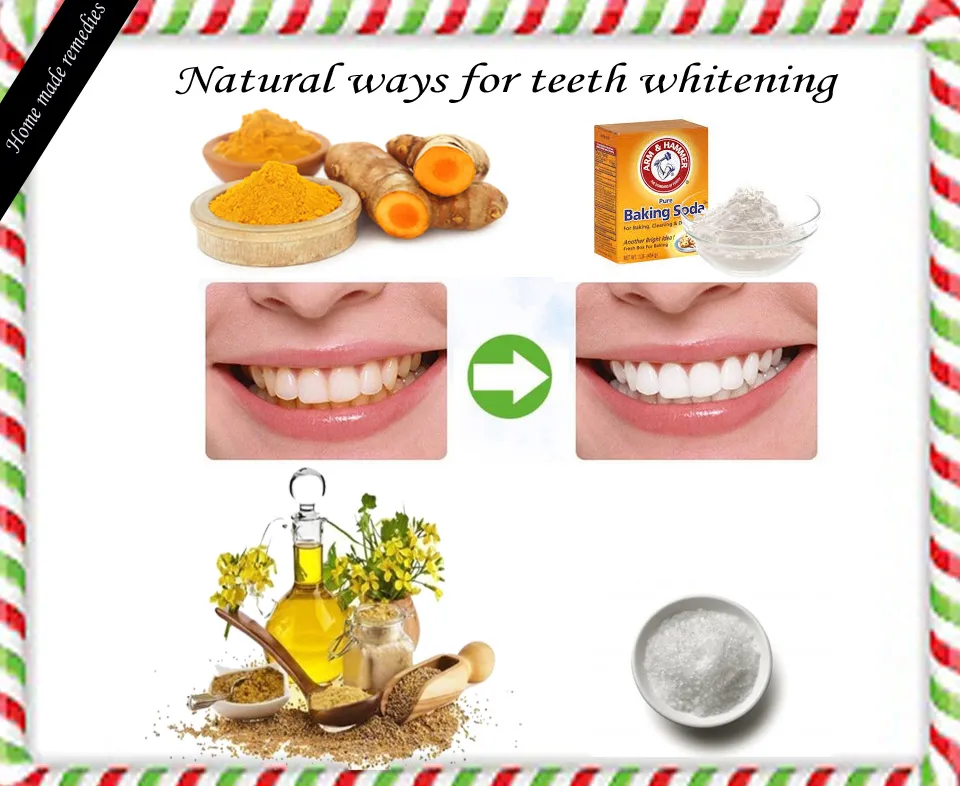
Turmeric, a spice known for its vibrant yellow color and anti-inflammatory properties, is also used for teeth whitening. The curcumin in turmeric has anti-inflammatory and antioxidant effects, potentially promoting healthier gums. While turmeric may not be as strong as other whitening agents, it can contribute to a brighter smile. Many people are using turmeric for its health benefits. Regular use can contribute to overall oral health. Always consult your dentist if you have any concerns.
How to Use Turmeric Effectively
Mix turmeric powder with a small amount of water to make a paste. Brush your teeth gently with the paste for about three minutes. Rinse your mouth thoroughly with water. You can also mix turmeric with coconut oil for added benefits. Use turmeric once or twice a week. Turmeric can stain toothbrushes and clothing, so be careful during application. Choose a high-quality turmeric powder to ensure you are getting the best results. Remember to clean your teeth gently when using this method.
Over-the-Counter Whitening Products vs Home Remedies
When it comes to teeth whitening, you have a variety of options to choose from. Over-the-counter (OTC) whitening products and home remedies each have their pros and cons. OTC products, such as whitening strips and toothpastes, often contain mild bleaching agents like hydrogen peroxide. Home remedies, as discussed earlier, use natural ingredients to help whiten teeth. It is helpful to understand the differences between these methods to make an informed decision. The most suitable choice depends on your budget, the level of whitening you desire, and your oral health condition. Consulting your dentist will assist in your choice.
Pros and Cons of Each Method
OTC whitening products are readily available and convenient, and they offer noticeable results. They are generally more potent than home remedies, which can lead to faster whitening. However, some OTC products may cause tooth sensitivity or gum irritation. Home remedies are usually more affordable and use natural ingredients, reducing the risk of adverse reactions. However, the results may be less dramatic, and some remedies can potentially damage enamel if used improperly. Consider your priorities and the state of your oral health before making a decision. Your dentist can help guide you.
Maintaining Your White Smile
Achieving a brighter smile is only half the battle; maintaining it requires consistent effort. Following a good oral hygiene routine, avoiding stain-causing foods and drinks, and scheduling regular dental check-ups are essential steps. These practices ensure that your teeth remain healthy and white for a long time. The following tips will help you keep your smile bright and healthy. Take these steps to protect your investment in your teeth.
Oral Hygiene Tips
Brush your teeth twice a day for two minutes each time. Use a fluoride toothpaste to strengthen your enamel. Floss daily to remove plaque and food particles from between your teeth. Rinse your mouth with an antibacterial mouthwash to kill bacteria and freshen breath. Consider using a tongue scraper to remove bacteria and debris from your tongue. Proper oral hygiene is the foundation of a healthy, bright smile. These tips will ensure your teeth stay healthy.
Regular Dental Check-ups
Schedule regular dental check-ups and cleanings, ideally every six months. Your dentist can remove plaque and tartar that brushing and flossing can’t reach. Professional cleanings can also remove surface stains and help maintain the brightness of your teeth. During your check-up, your dentist can also identify and address any potential dental problems early. Regular visits ensure your oral health is in the best condition. These check-ups are essential to maintaining a healthy and bright smile.
In conclusion, achieving a whiter smile doesn’t always require expensive professional treatments. Numerous home remedies provide effective and affordable options for brightening your teeth. Whether you choose oil pulling, baking soda and hydrogen peroxide, or activated charcoal, it’s essential to approach these methods with care and moderation. Always prioritize your oral health and consult with your dentist before starting any new whitening regimen. By combining home remedies with proper oral hygiene and regular dental check-ups, you can confidently achieve and maintain a dazzling, healthy smile.