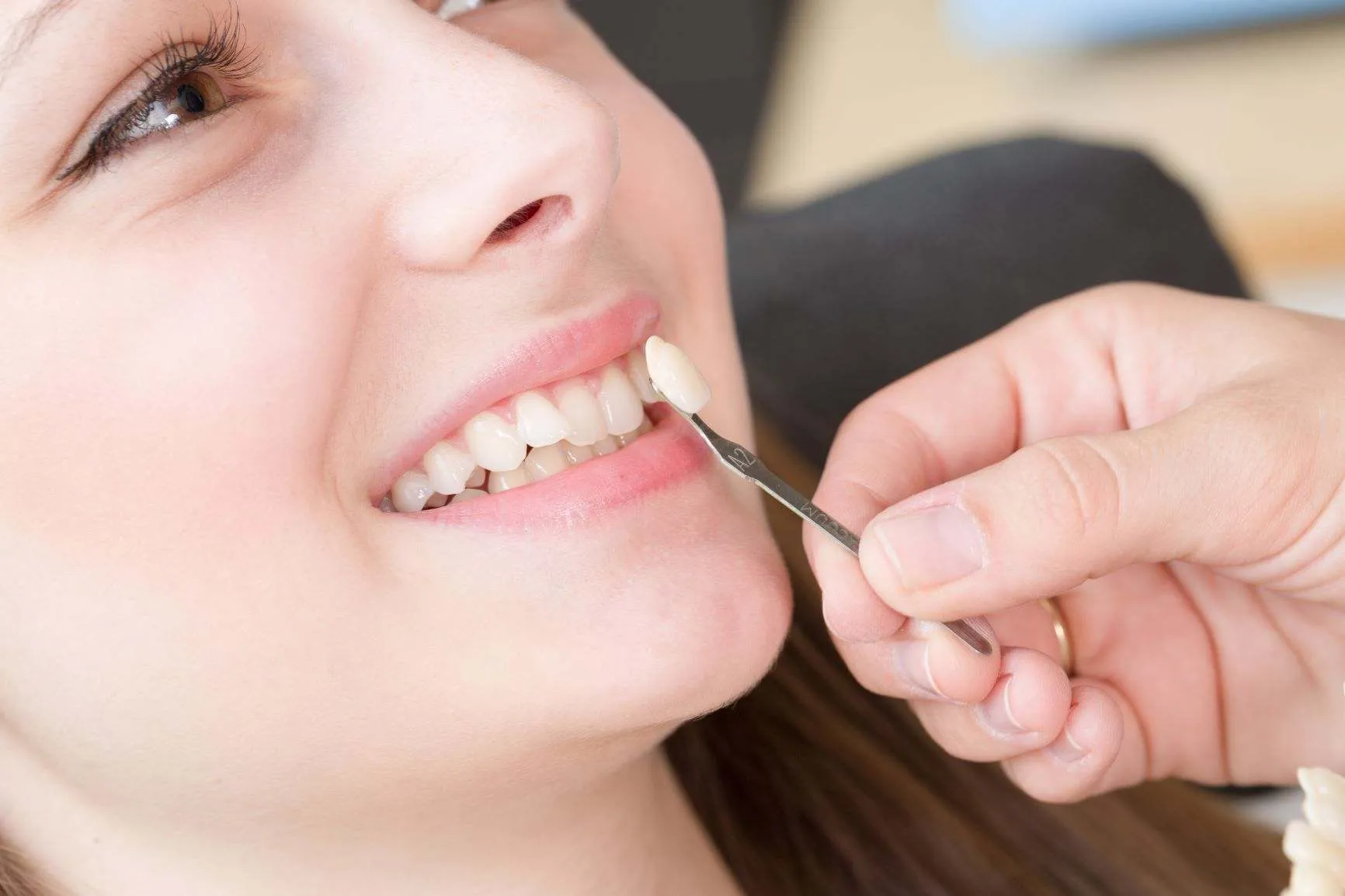
The Agony of Teeth Whitening Pain
Teeth whitening has become a popular cosmetic procedure, promising a brighter, more confident smile. However, the pursuit of pearly whites isn’t always painless. Many individuals experience some degree of discomfort after undergoing teeth whitening treatments. This pain, ranging from mild sensitivity to sharp, throbbing sensations, can be a significant deterrent for those considering or already undergoing the process. Understanding the underlying causes of this pain is crucial for managing it effectively and ensuring a more comfortable experience. Several factors contribute to the pain, and recognizing them can help individuals make informed decisions and take proactive steps to alleviate the discomfort.
Enamel Sensitivity The Culprit
One of the primary reasons for pain after teeth whitening is increased tooth sensitivity. This sensitivity is often linked to the effect of whitening agents on the enamel, the outermost protective layer of our teeth. Enamel, while incredibly strong, is porous and contains tiny tubules that lead to the tooth’s inner layers, including the dentin. When these tubules are exposed or irritated, the nerves within the tooth become more susceptible to stimuli, such as temperature changes or pressure, leading to sensitivity. This sensitivity can manifest as a sharp, shooting pain or a dull ache, making everyday activities like eating or drinking challenging.
Understanding Enamel Structure

Enamel’s role as a protective barrier is essential. It shields the sensitive inner parts of the tooth from external factors. The porous nature of enamel allows it to absorb stains but also makes it vulnerable to the effects of whitening agents. The microscopic tubules within the enamel play a crucial role in transmitting sensations. When these tubules are exposed or irritated, they allow the whitening agents to penetrate more deeply, leading to heightened sensitivity and pain. Maintaining enamel health is therefore critical for minimizing discomfort during and after teeth whitening.
Whitening Agents The Irritants
The active ingredients in teeth whitening products are primarily responsible for the pain experienced. These agents, typically hydrogen peroxide or carbamide peroxide, work by breaking down stain molecules within the tooth enamel. However, these chemicals can also cause irritation and sensitivity. The concentration of the whitening agent, the duration of exposure, and the frequency of treatments all influence the level of discomfort. Different individuals also have varying levels of sensitivity, making the experience subjective. Understanding how these agents affect the teeth is key to managing potential pain.
Hydrogen Peroxide A Closer Look
Hydrogen peroxide is a potent oxidizing agent commonly used in professional teeth whitening treatments. Its higher concentrations can effectively remove stains but also carry a greater risk of causing sensitivity. When hydrogen peroxide comes into contact with the teeth, it can penetrate the enamel and irritate the nerves within. The intensity of the pain often depends on the concentration of the peroxide and the duration of the treatment. While effective, professional treatments using hydrogen peroxide require careful monitoring to minimize discomfort.
Carbamide Peroxide The Reaction

Carbamide peroxide is another common whitening agent, often found in at-home whitening kits. It breaks down into hydrogen peroxide when it comes into contact with water. Although generally milder than professional treatments, carbamide peroxide can still cause sensitivity, particularly with prolonged use or higher concentrations. The release of hydrogen peroxide from carbamide peroxide is gradual, which can result in sustained exposure and potential irritation. Following the instructions carefully and consulting a dentist are crucial when using carbamide peroxide-based products.
Gum Irritation Another Source of Pain
Besides tooth sensitivity, gum irritation can also contribute to pain after teeth whitening. Whitening agents can come into contact with the gums, causing inflammation and discomfort. This irritation can manifest as redness, swelling, and tenderness. The impact of whitening trays and the bleaching products themselves play a role in gum irritation. Proper tray fit and careful application of the whitening product are crucial for minimizing gum contact and preventing irritation. For those with sensitive gums, taking extra precautions is essential.
The Impact of Whitening Trays
Ill-fitting whitening trays can exacerbate gum irritation. If the trays do not fit snugly against the teeth, the whitening agent can leak out and come into contact with the gums. This prolonged exposure can lead to inflammation and pain. Custom-fitted trays, often provided by dentists, offer a better fit and help minimize gum contact. Using the correct amount of whitening product is also important, as too much can overflow the trays and cause irritation.
Bleaching Products and Gum Sensitivity

The bleaching agents themselves can also cause gum irritation. The chemicals in the whitening products can be harsh, especially at higher concentrations. Individuals with sensitive gums are particularly vulnerable. Choosing products designed for sensitive teeth or using lower concentrations of whitening agents can help reduce irritation. Additionally, rinsing thoroughly after each treatment can help remove any residual product that might cause further discomfort. Consulting a dentist about the best options for sensitive gums is advisable.
Pre-existing Dental Issues
Underlying dental problems can significantly increase the likelihood of experiencing pain after teeth whitening. Cracks, cavities, and other pre-existing conditions can make teeth more susceptible to sensitivity. The whitening agents can penetrate these areas more easily, irritating the nerves and causing pain. Addressing any existing dental issues before whitening is essential to ensure a comfortable experience. A thorough dental check-up can identify and treat any problems before the whitening process begins.
Cracks and Cavities The Hidden Dangers
Cracks and cavities in the teeth provide direct pathways for whitening agents to reach the sensitive inner layers. Even small cracks can allow the chemicals to penetrate and cause intense pain. Cavities, in particular, expose the dentin and nerve endings, leading to extreme sensitivity. Before undergoing teeth whitening, any cracks or cavities should be treated. Filling cavities and repairing cracks can prevent discomfort and ensure the whitening process is safe and effective.
The Role of Dental Fillings

Dental fillings, while restoring the structure of a tooth, can also contribute to pain after whitening. Fillings, particularly older ones, may not always seal perfectly, allowing whitening agents to seep underneath. This can irritate the underlying tooth structure and cause sensitivity. Fillings can also be affected by the whitening process, potentially changing color. Dentists often recommend replacing old fillings before teeth whitening to ensure a uniform result and minimize the risk of pain. Careful assessment of existing fillings is important for planning the whitening treatment.
Over-Whitening A Common Problem
Excessive or improper use of teeth whitening products can lead to over-whitening, exacerbating pain and sensitivity. Following the instructions carefully and avoiding overuse is crucial for a comfortable experience. Whitening more frequently than recommended or using products with high concentrations of whitening agents can damage the enamel and increase sensitivity. Patience is key; achieving the desired results gradually and safely is more effective than rushing the process.
Recognizing the Signs of Overuse
The signs of over-whitening include increased tooth sensitivity, gum irritation, and a noticeable change in the appearance of the teeth. Teeth may appear translucent or have a bluish hue. If any of these signs are present, it is important to stop the whitening process and consult a dentist. Allowing the teeth to recover and using sensitivity-reducing products can help alleviate the discomfort. Regular dental check-ups can also help monitor the condition of the teeth and prevent over-whitening.
Choosing the Right Whitening Method

Selecting the appropriate teeth whitening method is crucial for minimizing pain and maximizing results. There are various options available, including professional treatments, at-home kits, and over-the-counter products. Consulting with a dentist can help determine the most suitable method based on individual needs and sensitivity levels. Professional treatments often involve stronger whitening agents but are administered under the supervision of a dentist, who can monitor for any adverse effects. At-home kits offer convenience, but following the instructions carefully is essential to avoid overuse and potential pain. Making an informed choice can lead to a more comfortable and successful whitening experience.
In conclusion, understanding the reasons behind teeth whitening pain empowers individuals to make informed decisions and take proactive steps to minimize discomfort. Factors such as enamel sensitivity, the concentration of whitening agents, and pre-existing dental issues all contribute to the potential for pain. By selecting the right whitening method, following instructions carefully, and consulting with a dentist, individuals can achieve a brighter smile while prioritizing their oral health and comfort. Addressing any underlying dental problems before whitening is also essential for a safe and enjoyable experience.