Understanding Teeth Whitening Pain
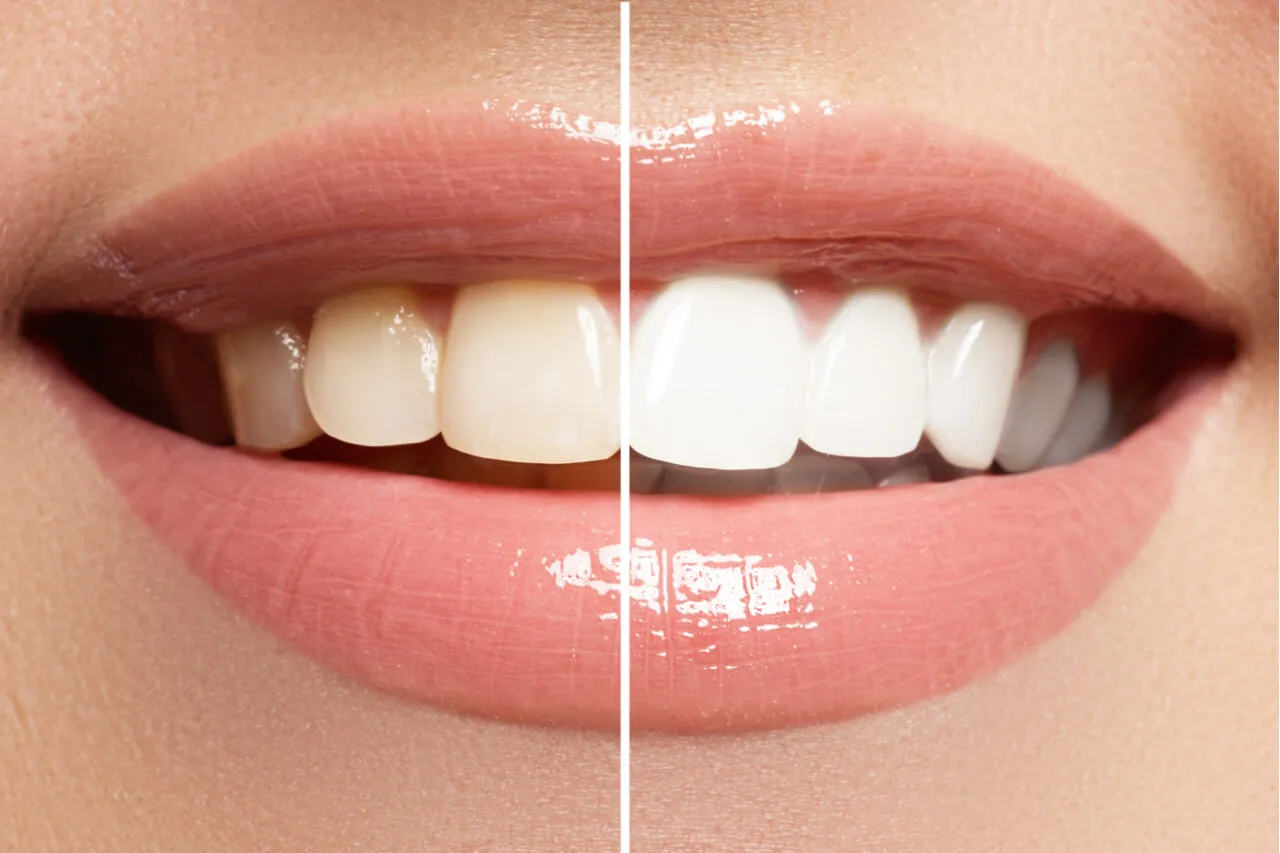
Teeth whitening is a popular cosmetic procedure that can dramatically improve your smile. However, it’s not always a pain-free experience. Many individuals experience some level of discomfort or sensitivity during and after the process. Understanding the causes of this pain is the first step in finding effective relief. This article explores the common reasons behind teeth whitening pain and offers practical tips to minimize discomfort, ensuring you can achieve a brighter smile without unnecessary suffering. It is crucial to be well-informed about the potential side effects and available solutions before undergoing teeth whitening, enabling you to make informed decisions and enjoy a positive experience.
Common Causes of Teeth Whitening Pain
Teeth whitening pain can stem from several factors, each affecting individuals differently. Knowing the underlying causes can help you anticipate and manage the discomfort more effectively. The most frequent culprits include the bleaching agents used in the whitening process, irritation of the gums, and heightened sensitivity to temperature changes. These issues, while usually temporary, can range from mild to moderately uncomfortable. Factors such as the concentration of the bleaching agent, the duration of the treatment, and your individual oral health all contribute to the intensity of the pain experienced.
Sensitivity from Bleaching Agents

The primary cause of teeth whitening pain is often the bleaching agents themselves. These agents, typically hydrogen peroxide or carbamide peroxide, work by penetrating the enamel and breaking down stains. However, in doing so, they can also irritate the nerves in your teeth, leading to sensitivity. This sensitivity can manifest as sharp, sudden pains, especially when exposed to cold or hot temperatures, sweet or sour foods, or even air. The strength of the bleaching agent used during professional treatments can be more intense, potentially leading to greater discomfort compared to at-home kits.
Gum Irritation and Inflammation
Gum irritation is another common side effect of teeth whitening. The bleaching agents can sometimes come into contact with the gums, causing inflammation, redness, and soreness. This irritation is more likely to occur if the whitening trays don’t fit properly or if the bleaching agent is applied incorrectly. Furthermore, individuals with pre-existing gum issues, such as gingivitis or periodontitis, might experience heightened sensitivity and discomfort. Taking precautions to protect your gums during the whitening process and maintaining good oral hygiene are vital for minimizing this type of pain.
Temperature Sensitivity
Temperature sensitivity is a frequent complaint following teeth whitening. Your teeth may become extra sensitive to hot and cold foods and drinks. This happens because the bleaching agents can temporarily make your teeth more porous, allowing stimuli to reach the nerves more easily. This sensitivity can last for a few days to a couple of weeks after the whitening treatment. The intensity varies from person to person, but even short exposure to temperature extremes can trigger discomfort. Avoiding extremely hot or cold foods and drinks can help minimize this sensitivity.
Top 5 Pain Relief Tips After Teeth Whitening

Fortunately, several effective strategies can help alleviate the pain associated with teeth whitening. Implementing these tips can significantly reduce your discomfort and enhance your overall experience. From over-the-counter remedies to professional dental care, you have several options at your disposal to manage and minimize pain. Always follow your dentist’s advice and instructions, and if pain persists or worsens, seek professional guidance. The key is to understand your options and adopt a proactive approach to pain management.
Use Over the Counter Pain Relievers
Over-the-counter pain relievers, like ibuprofen or acetaminophen, can be highly effective in managing pain after teeth whitening. These medications help reduce inflammation and block pain signals, providing relief from discomfort. Follow the dosage instructions on the packaging and avoid exceeding the recommended amount. Consult your dentist or doctor if you have any underlying health conditions or are taking other medications. Taking pain relievers before your whitening session can also help mitigate pain, ensuring a more comfortable experience. Always prioritize safety and follow medical advice when using over-the-counter medications.
Applying Fluoride Products
Fluoride is a mineral known for its ability to strengthen tooth enamel and reduce sensitivity. Applying fluoride products after teeth whitening can help remineralize your teeth, making them less susceptible to pain. Your dentist may recommend a fluoride treatment or prescribe a high-fluoride toothpaste. Using a fluoride rinse can also be beneficial. These products work by creating a protective barrier on the tooth surface, reducing the permeability of the enamel and preventing pain. Regular fluoride application, as advised by your dentist, can contribute significantly to reducing sensitivity and maintaining your bright smile.
Using Desensitizing Toothpaste

Desensitizing toothpastes are specifically designed to reduce tooth sensitivity. They typically contain ingredients like potassium nitrate, which works by blocking pain signals to the nerves in your teeth. Start using desensitizing toothpaste a few weeks before your teeth whitening procedure to prepare your teeth. Continue using it during and after whitening to minimize discomfort. Apply a small amount of toothpaste to the sensitive areas and gently brush. Regular use of desensitizing toothpaste can make a significant difference in reducing pain and allowing you to enjoy your newly whitened teeth without discomfort. Ask your dentist for recommendations on the best desensitizing toothpaste for you.
Avoiding Trigger Foods
Certain foods and beverages can trigger pain after teeth whitening. Avoiding these trigger foods can help minimize discomfort and promote healing. Common culprits include very hot or cold drinks, such as coffee, tea, ice water, and ice cream. Also, steer clear of acidic foods, such as citrus fruits and juices, tomatoes, and vinegar. Sugary and sticky foods can also exacerbate sensitivity. Sticking to a bland diet for a few days after your whitening treatment can make a noticeable difference in your comfort level. Pay attention to what you eat and drink, and make adjustments as needed to avoid pain.
Consulting Your Dentist
If you experience persistent or severe pain after teeth whitening, it’s essential to consult your dentist. They can assess your situation and determine the cause of the discomfort. Your dentist might recommend additional treatments, such as a prescription-strength fluoride varnish or a desensitizing agent. They can also ensure that no underlying dental issues are causing the pain. Regular dental checkups can help identify potential problems early and prevent them from interfering with your teeth whitening experience. Your dentist is your best resource for personalized advice and support in managing teeth whitening pain.
Other helpful tips

Importance of proper aftercare
Proper aftercare is crucial for maximizing the benefits of teeth whitening and minimizing any discomfort. This includes following all instructions provided by your dentist or the whitening kit. After your teeth whitening session, avoid smoking, as it can stain your teeth and increase sensitivity. Maintain good oral hygiene by brushing gently with a soft-bristled toothbrush and flossing daily. Use lukewarm water when rinsing and brushing. Consider using a mouthwash recommended by your dentist. Taking good care of your teeth after whitening helps preserve the results and promotes overall oral health.
When to seek professional help
While some level of sensitivity is common, it’s important to know when to seek professional help. If you experience severe pain that doesn’t subside after a few days, consult your dentist. Additionally, if you notice any signs of infection, such as swelling, excessive bleeding, or pus, contact your dentist immediately. Persistent or worsening pain could indicate an underlying dental problem. Regular dental checkups are essential for monitoring your oral health. Your dentist can provide personalized advice and treatment to ensure a healthy and comfortable teeth whitening experience.
Conclusion

Achieving a brighter smile through teeth whitening shouldn’t come at the expense of your comfort. By understanding the causes of pain and implementing these top 5 relief tips, you can minimize discomfort and enjoy the benefits of a dazzling smile. Remember to consult your dentist for personalized advice and to address any concerns you may have. Prioritize proper aftercare and maintain good oral hygiene to preserve your results. With the right approach, you can achieve the radiant smile you desire without suffering. Enjoy your journey to a brighter and more confident you!