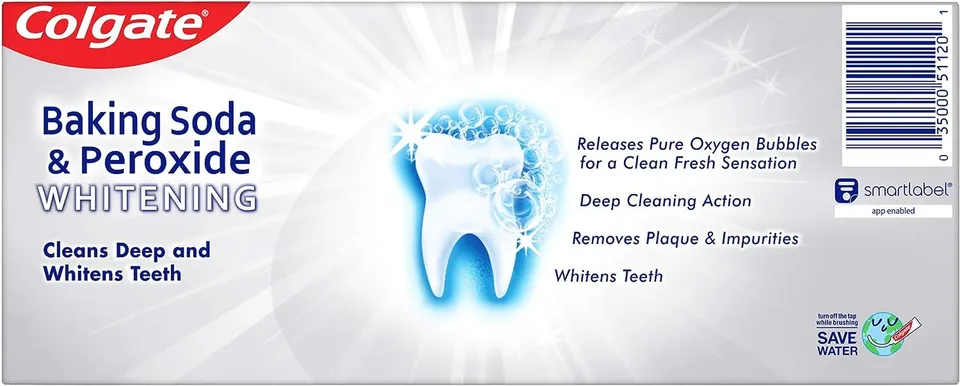
Achieving a brighter, whiter smile is a common goal for many individuals. The market is saturated with teeth whitening products, from professional treatments to over-the-counter options. Among the do-it-yourself methods, teeth whitening using hydrogen peroxide and baking soda has gained popularity. This article delves into the science, techniques, and safety considerations associated with this approach, providing a comprehensive guide for those looking to enhance their smile at home. Understanding the principles behind this method is crucial for safe and effective application.
What is Teeth Whitening with Peroxide and Baking Soda
Teeth whitening with peroxide and baking soda is a DIY method that combines the chemical properties of these two common household items to remove stains and brighten teeth. Hydrogen peroxide acts as a bleaching agent, breaking down the discoloration caused by food, drinks, and other factors. Baking soda, on the other hand, acts as a mild abrasive, helping to scrub away surface stains and plaque. This combination is a cost-effective alternative to professional treatments, but it’s essential to understand the science behind it to use it safely and effectively. Proper usage is key to avoiding potential side effects.
The Science Behind Peroxide and Baking Soda
How Peroxide Works

Hydrogen peroxide is a chemical compound with oxidizing properties, meaning it releases oxygen molecules. These oxygen molecules penetrate the enamel of the teeth and react with the stain molecules, breaking them down. This process reduces the concentration of stain molecules, leading to a lighter appearance of the teeth. The effectiveness of hydrogen peroxide depends on its concentration; higher concentrations can produce faster results but also carry a higher risk of side effects. Always use the recommended concentrations for safe and effective results. The process requires a certain amount of time to work, so patience is essential.
How Baking Soda Works
Baking soda (sodium bicarbonate) is a mild abrasive that helps to remove surface stains from the teeth. Its slightly alkaline nature also helps neutralize acids in the mouth, which can erode enamel. While it is a gentle abrasive, excessive use can potentially damage the enamel over time. The abrasive action helps to polish the teeth, making them appear smoother and brighter. Always mix baking soda with water or peroxide to avoid causing excessive abrasion. Proper technique is crucial to maximizing benefits while minimizing risks.
The Combined Effect
The combination of hydrogen peroxide and baking soda offers a dual-action approach to teeth whitening. Peroxide provides the bleaching action, while baking soda aids in stain removal and polishing. Together, they can effectively reduce the appearance of stains and brighten the teeth. However, it is important to note that this combination is most effective on surface stains and may not work on intrinsic stains (those within the tooth structure). The effectiveness can vary based on the type of stains and the individual’s oral hygiene. Maintaining good oral hygiene is essential for optimizing the results.
How to Prepare Peroxide and Baking Soda for Teeth Whitening

Materials You’ll Need
To prepare your teeth whitening solution, you’ll need a few simple items: 3% hydrogen peroxide (available at most pharmacies), baking soda, a small bowl, a toothbrush, and water. Ensure that the hydrogen peroxide is the correct concentration (3%) to avoid causing any harm. You might also want a measuring spoon to get the correct proportions. Be sure to have clean water readily available for rinsing your mouth after application. These materials are inexpensive and readily accessible, making this a cost-effective option. Make sure to use a toothbrush with soft bristles to minimize abrasion.
Step-by-Step Instructions
Mixing the Ingredients

In a small bowl, mix one teaspoon of baking soda with enough 3% hydrogen peroxide to form a paste. The consistency should be thick enough to adhere to your teeth without being too runny. If the mixture is too thick, add a few more drops of peroxide. If it’s too thin, add a bit more baking soda. It is vital to create the right consistency for effective and safe application. Using the correct ratio ensures optimal results. The preparation should be fresh each time you whiten your teeth, avoiding any possibility of bacterial contamination.
Application Techniques
Apply the paste to your toothbrush and brush your teeth gently for about two minutes, using small, circular motions. Ensure that you cover all surfaces of your teeth, including the front, back, and chewing surfaces. Avoid applying excessive pressure, as this can damage the enamel. After brushing, allow the mixture to sit on your teeth for about a minute to maximize the whitening effect. Then, rinse your mouth thoroughly with water. Make sure to remove all traces of the paste to prevent any irritation. Rinse your toothbrush thoroughly after each use.
How Often to Apply
It is crucial to limit the frequency of use to avoid damaging your enamel and gums. Generally, this method should be used no more than once or twice a week. Overuse can lead to increased sensitivity and gum irritation. Monitor your teeth for any signs of sensitivity and reduce the frequency if needed. Consistency is key to noticing results over time; however, moderation is paramount to preventing any damage. If you experience any adverse effects, discontinue use immediately and consult a dentist. Remember that a slow and steady approach is always best to ensure you preserve the health of your teeth and gums.
Tips for Effective Teeth Whitening

Oral Hygiene Before Whitening
Before starting the whitening process, ensure your teeth are clean and free of plaque and food debris. Brush your teeth thoroughly with regular toothpaste and floss to remove any surface impurities. A clean surface allows the whitening agents to work more effectively. Regular dental check-ups and professional cleanings can also enhance the whitening results. Maintain a consistent oral hygiene routine, including brushing, flossing, and using mouthwash. This will help remove any surface stains, which would impede the whitening process. Good oral hygiene is the foundation of any teeth whitening attempt.
Techniques for Application
When brushing with the peroxide and baking soda paste, use gentle, circular motions to avoid damaging your enamel. Focus on covering all surfaces of your teeth. Avoid aggressive scrubbing. Ensure the paste is evenly applied to all areas that require whitening. After brushing, it is advisable to let the paste sit on your teeth for a minute or two to allow the peroxide to do its work. Then, rinse your mouth thoroughly with water to remove the paste completely. Applying the paste too roughly or for too long can cause sensitivity.
Important Safety Precautions

Always use 3% hydrogen peroxide to minimize the risk of side effects. Avoid swallowing the paste. If you experience any irritation, stop using the mixture immediately and consult a dentist. Do not use this method if you have sensitive teeth, gum disease, or other dental issues without consulting your dentist first. This method is not suitable for everyone, and a dentist can provide a professional opinion on the best teeth whitening approach for your specific needs. It’s essential to listen to your body and stop if something does not feel right. Consider professional advice before beginning any teeth whitening regime.
Potential Side Effects and How to Manage Them
Sensitivity
Increased tooth sensitivity is a common side effect of teeth whitening, including the use of hydrogen peroxide and baking soda. If you experience sensitivity, reduce the frequency of your whitening sessions. You can also use toothpaste designed for sensitive teeth. Avoid extremely hot or cold foods and drinks, which can exacerbate the sensitivity. Make sure to hydrate adequately to keep your mouth from drying. The goal is to minimize discomfort while still achieving the desired whitening effect. If sensitivity persists, discontinue use and consult a dentist.
Gum Irritation

Some people may experience gum irritation or inflammation. This can happen if the whitening solution comes into contact with your gums for extended periods. To prevent gum irritation, apply the paste carefully and avoid getting it on your gums. Rinse your mouth thoroughly after brushing. If irritation occurs, discontinue use and consult a dentist. Ensure you brush gently and don’t scrub too hard, which can worsen the irritation. Regularly observe your gums for any signs of inflammation or changes. Consult with a dentist if your gums are sensitive or if you have existing gum problems.
Taste and Gag Reflex
The taste of hydrogen peroxide and baking soda can be unpleasant for some individuals, which may trigger a gag reflex. To manage this, try using a smaller amount of the paste. Rinse your mouth frequently with water. You can also try adding a drop of peppermint extract to the mixture to improve the taste. If the taste is a significant problem, this may not be the best whitening method for you. Finding a method you can tolerate is essential for maintaining consistency. Consider alternative whitening methods if the taste is too bothersome.
Alternatives to Peroxide and Baking Soda
Professional Teeth Whitening

Professional teeth whitening performed by a dentist is one of the most effective ways to whiten your teeth. Dentists use stronger concentrations of whitening agents and can provide customized treatments. They can also address any underlying dental issues that may be contributing to tooth discoloration. Professional whitening typically involves in-office treatments or custom-fitted trays for at-home use. Although it is more expensive than DIY methods, professional whitening is often safer and produces more dramatic results. If you are serious about whitening your teeth, consult a dentist to discuss your options.
Over-the-Counter Whitening Products
A variety of over-the-counter (OTC) teeth whitening products are available, including whitening toothpaste, strips, and gels. These products are generally milder than professional treatments and can be a good option for those looking for a less expensive alternative. However, the results may not be as dramatic, and it’s essential to follow the instructions carefully to avoid any side effects. When selecting an OTC product, look for those approved by dental associations to ensure safety and efficacy. Some OTC products are more effective than others, so research and compare products before making a choice. Consider your sensitivity level and choose a product that suits your needs.
Maintaining Your White Smile
Maintaining a bright smile requires ongoing care and attention. Regular brushing and flossing are essential. Limit your consumption of staining foods and drinks, such as coffee, tea, red wine, and berries. Use a straw when drinking these beverages to reduce their contact with your teeth. Regular dental check-ups and professional cleanings are also important to remove surface stains and maintain your overall oral health. Consider using a whitening toothpaste or mouthwash as part of your daily routine. Be consistent with your oral hygiene routine, and you will enjoy a brighter, healthier smile for years to come.
In conclusion, teeth whitening with peroxide and baking soda can be a viable option for those seeking a cost-effective, at-home method to brighten their smiles. However, it’s critical to approach this method with caution, understanding the science, following the instructions carefully, and being aware of potential side effects. Regular oral hygiene, moderation, and awareness of your teeth’s sensitivity are keys to success. If you want a brighter smile, you have to take care to maintain that smile. Consulting with a dental professional is recommended for personalized advice.