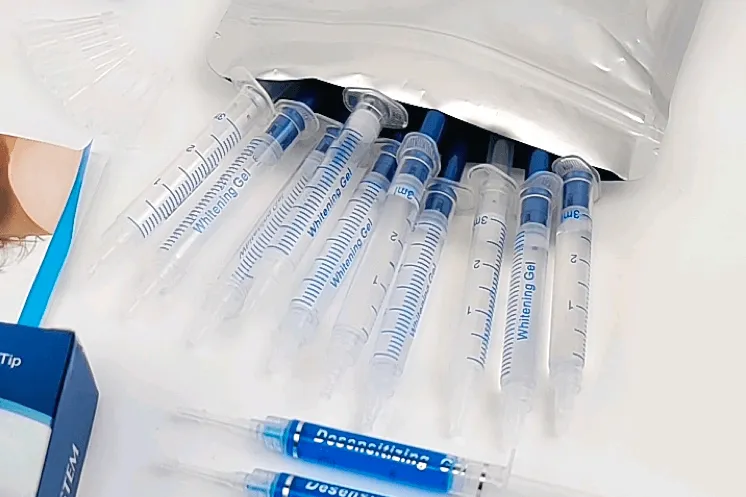
Understanding 6% Hydrogen Peroxide for Teeth Whitening
Achieving a brighter, whiter smile is a common desire, and 6% hydrogen peroxide is a frequently discussed option for teeth whitening. This guide provides detailed instructions on how to use 6% hydrogen peroxide safely and effectively for teeth whitening. It’s essential to understand the properties of this solution, the necessary precautions, and the step-by-step process to achieve the desired results. This information empowers you to make informed decisions and maintain good oral health while pursuing a whiter smile. Always prioritize your oral health by consulting with a dentist before starting any teeth whitening treatment, including the use of 6% hydrogen peroxide.
What is 6% Hydrogen Peroxide
Hydrogen peroxide is a chemical compound with the formula H2O2. It’s a mild antiseptic used in various applications. The concentration of hydrogen peroxide plays a crucial role in its effectiveness and potential risks. 6% hydrogen peroxide is a relatively potent solution, often used in professional teeth whitening treatments by dentists. This concentration is higher than what is typically found in over-the-counter products and can deliver noticeable results faster. However, due to its strength, it also carries a higher risk of side effects, emphasizing the need for careful application and adherence to safety guidelines.
Why 6% Hydrogen Peroxide is Effective

The effectiveness of 6% hydrogen peroxide in teeth whitening lies in its oxidizing properties. The compound releases oxygen molecules that penetrate the enamel and dentin of your teeth. These molecules break down the stain-causing compounds, effectively lightening the color of your teeth. The higher concentration of 6% hydrogen peroxide compared to lower concentrations means that it can achieve faster and more noticeable results. This is why it’s often preferred in professional settings. However, the increased potency also means the potential for increased sensitivity and other side effects, making it crucial to use it cautiously and under proper guidance.
Important Safety Precautions
Safety should always be the top priority when using 6% hydrogen peroxide for teeth whitening. Never swallow the solution, as it can be harmful. Avoid contact with your gums, lips, and tongue to prevent irritation or chemical burns. Always store hydrogen peroxide in a cool, dark place, away from children and pets. Use the solution in a well-ventilated area. If you experience any adverse effects, such as excessive sensitivity, stop using the product immediately and consult your dentist. It’s also crucial to follow all the instructions provided by your dentist or the product manufacturer to ensure the safest and most effective use of the product.
Consult Your Dentist First
Before starting any teeth whitening treatment, including the use of 6% hydrogen peroxide, it’s essential to consult with your dentist. A dentist can assess your oral health, identify any underlying issues, and determine if teeth whitening is suitable for you. They can also provide personalized advice and recommendations based on your specific needs and dental condition. Your dentist can also guide you on the correct application techniques and monitor your progress to minimize potential risks and complications. Professional guidance ensures the safety and effectiveness of the whitening process. The dentist can also advise on the appropriate concentration of hydrogen peroxide for your teeth and overall oral health.
Potential Side Effects

Using 6% hydrogen peroxide for teeth whitening can cause side effects. Tooth sensitivity is a common side effect, which may range from mild to severe, particularly after the initial application. Gum irritation or inflammation is another possible side effect, especially if the solution comes into contact with your gums. In rare cases, prolonged or improper use can lead to chemical burns or damage to the enamel. Discomfort and changes in taste are also possible. If you experience any of these side effects, it’s essential to stop the treatment and consult your dentist for guidance. They can help determine if the treatment is causing harm or advise on how to manage the side effects.
Step-by-Step Instructions for Teeth Whitening
Preparation and Materials Needed
Gather all the necessary materials before you begin. You will need 6% hydrogen peroxide solution, a soft-bristled toothbrush, a small container, and a mirror. Consider using a protective barrier like petroleum jelly to protect your gums. Make sure your teeth are clean by brushing and flossing before the whitening process. It’s also helpful to have a timer to monitor the application time. Ensure that you have everything ready to avoid any interruptions during the procedure. Properly preparing ensures you can focus on the whitening process efficiently.
Application Process

Apply a small amount of petroleum jelly to your gums to act as a protective barrier. Dip your toothbrush into the hydrogen peroxide solution, ensuring you don’t overload the brush. Gently brush your teeth, focusing on the stained areas. Avoid contact with your gums. Follow the time recommended by your dentist or the product instructions, usually a few minutes. After brushing, rinse your mouth thoroughly with water. Do not swallow any of the solution. Observe your teeth for any signs of sensitivity or irritation during and after the process. Repeat the process as advised, usually no more than once a day or as directed by your dentist.
Aftercare Tips for Optimal Results
After teeth whitening with 6% hydrogen peroxide, taking proper care of your teeth is vital for achieving and maintaining the best results. Avoid consuming highly pigmented foods and beverages, such as coffee, tea, red wine, and berries, for a few days after treatment. These can stain your teeth. Use a toothpaste designed for sensitive teeth to minimize any discomfort. Continue to brush and floss regularly to maintain oral hygiene. It’s also essential to schedule regular dental check-ups and cleanings to ensure your teeth remain healthy and your smile stays bright. Proper aftercare maximizes the effectiveness of the treatment and extends the life of your whiter smile.
Maintaining Your Bright Smile
To keep your teeth looking their whitest, adopt a good oral hygiene routine. Brush your teeth at least twice a day and floss daily. Use a whitening toothpaste as part of your routine. Consider using a straw when drinking beverages that can stain your teeth. Schedule regular dental cleanings to remove surface stains and maintain your bright smile. Regular maintenance will not only keep your teeth white but also contribute to overall oral health. Avoid smoking and chewing tobacco products, which can stain teeth and harm your oral health.
Dietary Considerations

The foods and drinks you consume significantly impact the brightness of your teeth. Certain foods and beverages, like coffee, tea, red wine, berries, and soy sauce, can stain your teeth. Minimize consumption of these items, especially immediately after teeth whitening. Consume foods rich in calcium, such as dairy products and leafy greens, to strengthen your teeth. Drink plenty of water throughout the day to rinse away food particles and help maintain a clean mouth. Be mindful of the impact of your diet on your teeth’s appearance to prolong the whitening results. A balanced diet with limited staining agents will support your oral health.
Oral Hygiene Routine
A consistent oral hygiene routine is essential for overall oral health and maintaining the results of teeth whitening. Brush your teeth at least twice a day for two minutes each time, using a fluoride toothpaste. Floss daily to remove plaque and food particles from between your teeth. Consider using an antiseptic mouthwash to reduce bacteria and freshen breath. Schedule regular dental check-ups and cleanings. This routine will help keep your teeth healthy, prevent staining, and ensure your bright smile lasts longer. Consistency is key to achieving and maintaining optimal oral health.
Alternative Teeth Whitening Methods
If 6% hydrogen peroxide isn’t the right fit for you, or if you prefer other methods, several alternative teeth whitening options are available. Over-the-counter whitening toothpastes and strips are readily available. Professional teeth whitening treatments offered by dentists, such as in-office whitening and custom-fitted trays, can provide more dramatic results. Other options include natural remedies like oil pulling with coconut oil or using baking soda and lemon juice (though caution is advised with the latter due to potential enamel erosion). Always consult your dentist to determine the best teeth whitening method for your individual needs and oral health.