Teeth Whitening Licensing Overview
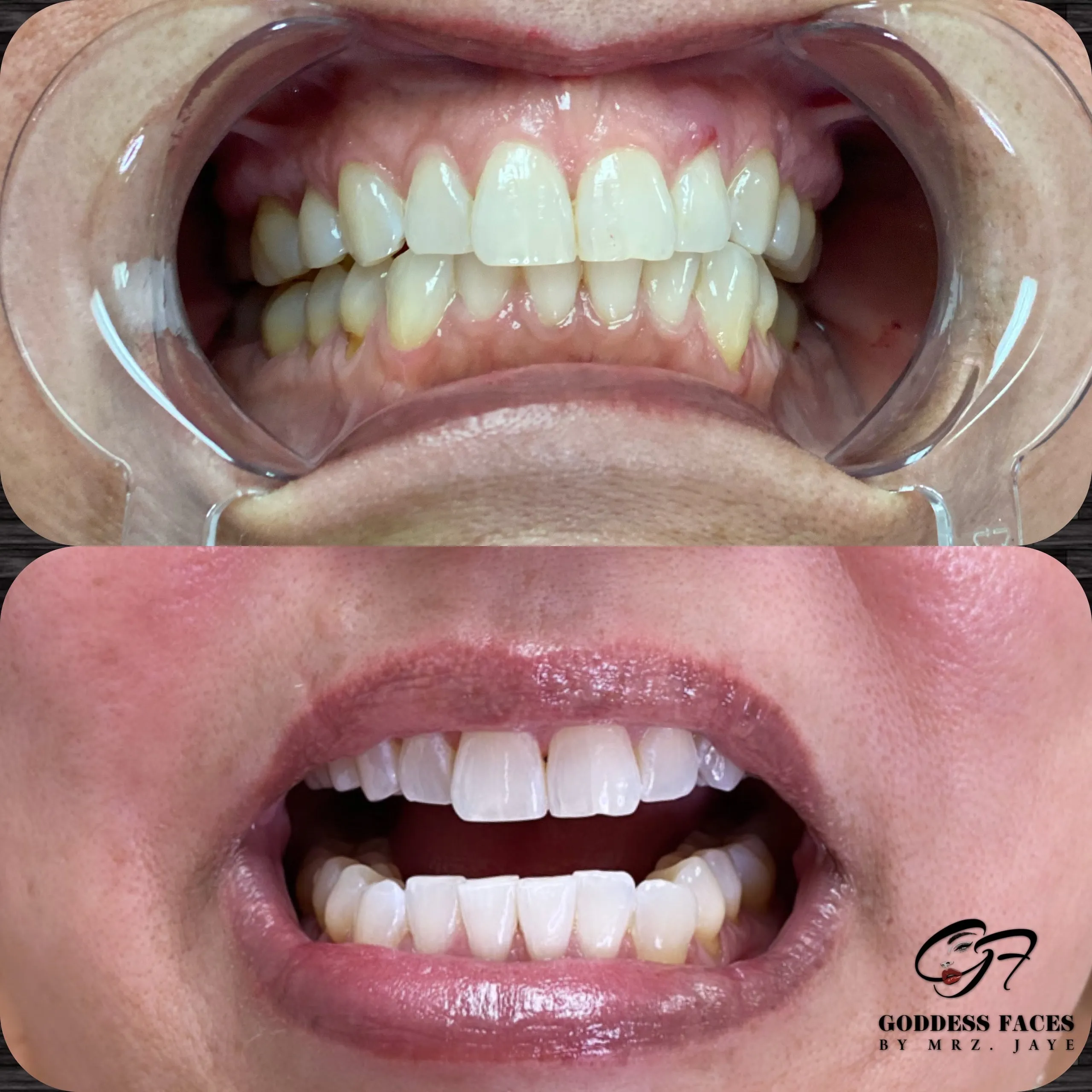
Teeth whitening has become a popular cosmetic procedure, with numerous individuals seeking brighter smiles. However, the practice of teeth whitening is subject to various regulations, varying from state to state and depending on who is performing the procedure. Understanding these licensing requirements is crucial for both practitioners and individuals looking to undergo teeth whitening treatments. This article provides a comprehensive guide to navigating the complexities of teeth whitening licensing, ensuring that you are well-informed and compliant with the law. The licensing landscape ensures the safety and efficacy of teeth whitening services, protecting both the public and professionals involved. Regulations are in place to dictate the scope of practice, and ensure the use of safe products and techniques.
Who Needs a Teeth Whitening License
The need for a teeth whitening license primarily depends on the professional’s role and the specific regulations of the state. Generally, the level of required licensure is directly related to the invasiveness of the procedure and the potential risks involved. Dental professionals, such as dentists and dental hygienists, often have a clear scope of practice that includes teeth whitening, while non-dental professionals may have different requirements or restrictions.
Dental Professionals

Dentists and dental hygienists are typically licensed to perform teeth whitening procedures as part of their broader scope of practice. They have undergone extensive education and training in dental health, anatomy, and the use of dental materials. This training equips them with the knowledge to safely and effectively administer teeth whitening treatments. Dental professionals must adhere to stringent standards of care and are subject to regular continuing education to maintain their licenses and stay updated on the latest advancements in dental practice. Their licenses are issued by state dental boards, which oversee compliance with dental practice acts and ensure the safety and well-being of patients. This licensing helps ensure that treatments are performed by qualified individuals who understand the health implications and can provide appropriate care.
Non-Dental Professionals
Non-dental professionals who wish to offer teeth whitening services may face varying levels of regulation. Some states may allow non-dental professionals to perform teeth whitening under the direct supervision of a licensed dentist, while others may restrict the practice to licensed dental professionals only. The requirements often hinge on the type of products used, the methods employed, and the level of risk involved. Non-dental professionals typically must obtain specific certifications or permits, or they may be prohibited from performing teeth whitening altogether. It is imperative for non-dental professionals to research and comply with the local laws to avoid legal repercussions. The goal is to ensure that all teeth whitening procedures are performed safely and ethically, protecting consumers from potential harm.
License Requirements and Regulations
The licensing requirements for teeth whitening vary considerably depending on the state or local jurisdiction. These requirements are designed to ensure that practitioners are adequately trained, knowledgeable about the procedures, and capable of ensuring patient safety. Understanding the specific prerequisites, including educational qualifications, examinations, and continuing education, is essential for anyone seeking to offer teeth whitening services.
Educational Prerequisites

Educational prerequisites often differ depending on the type of license sought. For dental professionals, this includes completing a dental degree (DDS or DMD) or a dental hygiene program. These programs provide a comprehensive education in oral health, dental procedures, and patient care. For non-dental professionals, the educational requirements may be less extensive but often include specific training courses or certifications in teeth whitening techniques and safety protocols. These courses typically cover the fundamentals of teeth whitening, product knowledge, and infection control. Completing the appropriate education is a critical step in meeting the licensing requirements and ensuring that practitioners have the necessary skills and knowledge to perform teeth whitening procedures safely and effectively.
Examination and Certification
After completing the required education, candidates must often pass examinations to demonstrate their competency. Dental professionals must typically pass state or national board examinations to become licensed. These exams assess their knowledge of dental science, clinical skills, and ethical practices. Non-dental professionals may need to pass certification exams offered by accredited training programs. The purpose of these examinations is to ensure that practitioners meet a minimum standard of knowledge and skill. Obtaining certifications confirms that an individual has completed the required training and has the foundational knowledge to perform teeth whitening treatments competently. Passing these exams is a critical component in the licensing process, ensuring the practitioner meets the requirements set by their respective jurisdictions.
Continuing Education
Licensing is not a one-time event; it is an ongoing process that requires continued professional development. Licensed dental professionals and other practitioners are typically required to complete continuing education (CE) courses to maintain their licenses. These courses ensure that practitioners stay informed about the latest advancements, techniques, and safety protocols in teeth whitening and general dental care. CE requirements may include courses on new products, updated protocols, and current regulations. Regular participation in CE demonstrates a commitment to ongoing professional development. Staying current with the latest information and techniques is essential to ensure that practitioners can provide safe, effective, and compliant teeth whitening services. The specific CE requirements vary by state and licensing board, so it is vital to stay informed about your local regulations.
State-Specific Licensing
The legal landscape for teeth whitening licensing is highly variable, making it essential to understand and comply with local regulations. Each state has its own set of laws, requirements, and enforcement practices regarding teeth whitening. Therefore, practitioners must research the specific regulations in their state or locality to ensure full compliance. These regulations often include requirements for licensing, training, product use, and supervision. Understanding these differences is vital to avoid legal issues and to provide safe and compliant services.
Researching Local Regulations
The first step in complying with state-specific regulations is to research and understand the local laws. This can be achieved by visiting the state’s dental board or relevant licensing agency website. These websites typically provide detailed information on licensing requirements, application processes, and any restrictions on teeth whitening services. It is also important to consult with legal professionals who specialize in dental or cosmetic regulations. These professionals can provide guidance and ensure that you fully comply with the law. Staying informed and updated on changes to regulations is crucial, as laws may evolve. Regularly checking with the licensing agencies and seeking legal advice will help you stay compliant and avoid legal problems.
Key Differences between States
States differ significantly in their approach to teeth whitening regulations. Some states may permit non-dental professionals to perform teeth whitening without direct supervision, while others may strictly limit the practice to licensed dental professionals. Specific requirements can include the level of training required, types of products that can be used, and the specific procedures authorized. Some states may also have different rules regarding the use of laser whitening or the duration of treatment. Staying informed about these specific distinctions is critical if you plan to offer teeth whitening services in multiple states. Recognizing the variations in each state helps practitioners operate legally and ethically and protects the health and safety of their patients.
Consequences of Working Without a License

Operating without the required license can lead to serious legal and health-related repercussions. Failure to comply with licensing regulations carries significant risks, impacting both the practitioner and the clients they serve. The consequences can range from fines to criminal charges, as well as potential health and safety risks for patients.
Legal Ramifications
Practicing teeth whitening without the proper license can lead to substantial legal penalties. The exact consequences vary by state but may include significant financial fines, cease-and-desist orders, and even criminal charges. In some instances, unlicensed practice is considered a misdemeanor or felony, depending on the severity and the local laws. In addition to these penalties, unlicensed practitioners may face lawsuits from clients who experience adverse effects from the teeth whitening treatments. These legal battles can lead to significant legal expenses, reputational damage, and the loss of business. Staying compliant with all licensing regulations is paramount to avoid legal trouble and to protect your business.
Health and Safety Risks
Practicing teeth whitening without the required training and licenses can expose clients to various health and safety risks. Without proper training, practitioners may not be able to identify underlying dental issues or contraindications to teeth whitening, leading to complications like gum irritation, tooth sensitivity, or even damage to enamel. Using unsafe products or incorrect application methods further elevates these risks. Licensed professionals undergo extensive training to ensure they can perform the procedures safely and address any issues that may arise. Clients who receive teeth whitening from unlicensed individuals are at an increased risk of adverse reactions. Proper licensing ensures that practitioners possess the necessary expertise to safeguard the health and well-being of their clients.
How to Obtain a Teeth Whitening License

Obtaining a teeth whitening license involves following a specific set of steps designed to ensure that practitioners meet the required standards of competence and safety. These steps typically include completing an accredited training program, passing examinations, and submitting the necessary documentation to the relevant licensing authorities. The application process can be detailed, and it is crucial to be thorough and accurate when completing each step to avoid delays or complications. This section outlines the typical steps involved in obtaining a teeth whitening license, ensuring you are well-prepared to begin the process.
Finding Accredited Programs
The first step in obtaining a teeth whitening license is to find an accredited training program. These programs ensure that you receive the necessary education and training to meet the licensing requirements. Accreditation validates that the program meets specific educational standards and provides a comprehensive curriculum. When selecting a program, research its curriculum, instructors, and reputation. Check whether the program is approved by relevant licensing boards in your state. Ensure the program covers all required topics, including teeth whitening techniques, product knowledge, safety protocols, and infection control. Completing an accredited program is essential to ensure that you meet the educational prerequisites for licensure and gain the skills and knowledge required to perform teeth whitening procedures competently and safely.
Application Process and Documentation
Once you have completed the required education, you must submit an application to the relevant licensing board. The application process typically involves filling out forms, providing supporting documentation, and paying the necessary fees. The documentation required may include proof of education, examination results, and any required certifications. Accurate and complete documentation is crucial, so carefully review the application instructions and ensure all necessary items are included. After submitting the application, you may be required to undergo a background check or fingerprinting. Once your application is approved, you will receive your teeth whitening license, allowing you to legally offer these services. Following all application procedures is vital to ensure the timely and successful issuance of your license.
Renewal and Maintenance

A teeth whitening license is not a one-time event; it requires ongoing maintenance and renewal to remain valid. The renewal process typically involves submitting a renewal application, paying renewal fees, and providing proof of continuing education credits. The number of continuing education hours required varies by state. The purpose of continuing education is to keep practitioners updated on the latest advancements, techniques, and safety protocols in teeth whitening. It is essential to stay informed about renewal deadlines, CE requirements, and any other stipulations that may apply. Maintaining your license ensures that you are able to continue offering teeth whitening services legally and ethically, while demonstrating your ongoing commitment to professional development and patient safety. Failing to meet renewal requirements can result in the suspension or revocation of your license, so it is crucial to stay compliant.
Frequently Asked Questions
Understanding the common questions and concerns related to teeth whitening licensing can assist you in your compliance journey. Here are some frequently asked questions to help you better understand the requirements and process.
What are the main differences between a dental professional’s license and a non-dental professional’s certification for teeth whitening? Dental professionals have a broader scope of practice and have completed extensive education, allowing them to perform a wider range of dental procedures. Non-dental professionals typically have a more limited scope and may require supervision or specific certifications. Is a specific certification required for non-dental professionals? Yes, the requirement for certification depends on the state laws. Always check the specific regulations of the state. What happens if I work without a license or certification? Working without a license can lead to legal penalties, including fines and potential lawsuits. It can also put your clients at risk. How often is continuing education required? Continuing education requirements vary by state and licensing board, but it’s typically required every one or two years. It is crucial to stay updated on the local regulations. Where can I find accredited teeth whitening programs? Accredited programs can be found through your state’s dental board or by researching programs online. Always ensure that the program is accredited by a recognized authority.
By understanding and adhering to these guidelines, you can ensure that you’re operating legally and ethically, providing a safe and effective service while protecting your clients and yourself. Staying informed and updated about the latest regulations and practices is the cornerstone of success in the teeth whitening industry.