What is Teeth Whitening?
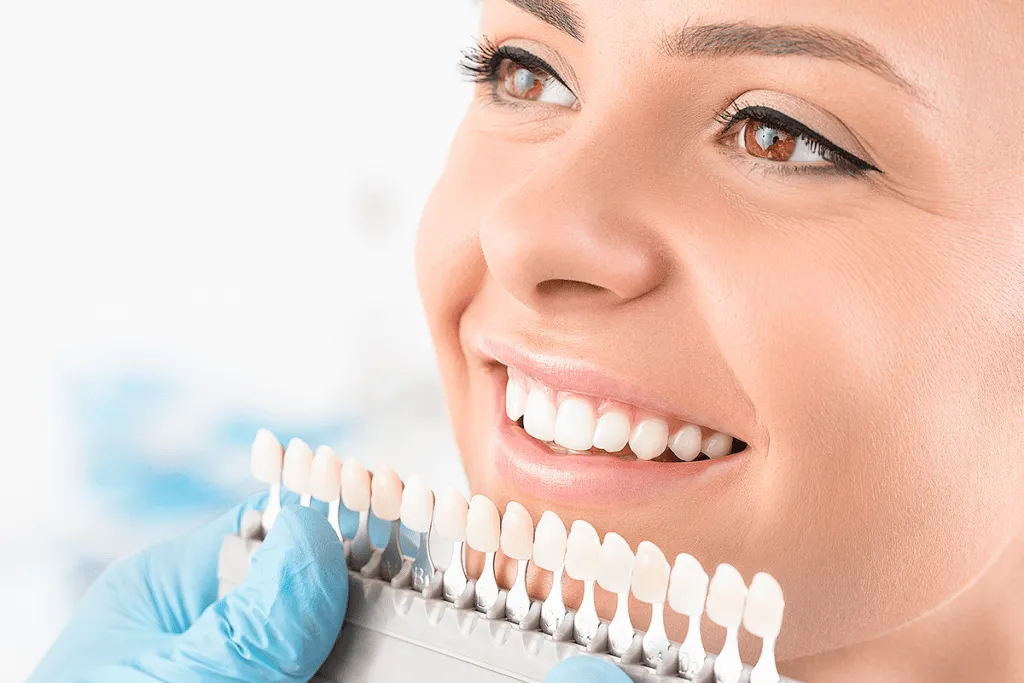
Teeth whitening, also known as bleaching, is a popular cosmetic dental procedure designed to lighten the color of your teeth and remove stains. It involves using bleaching agents to break down the discoloration on the enamel, resulting in a brighter, more radiant smile. This process can significantly enhance your overall appearance, boosting your confidence and making you feel more self-assured. The procedure is relatively safe and effective, making it a go-to solution for many individuals seeking a brighter smile. Different methods are available, each with its own set of instructions and aftercare guidelines, which are essential for achieving and maintaining the desired results. Understanding the basics of teeth whitening is the first step in ensuring a successful and satisfying experience.
Types of Teeth Whitening
There are primarily two main categories of teeth whitening procedures professional in-office treatments and at-home kits. Professional whitening involves a dentist applying a high-concentration bleaching agent to your teeth under controlled conditions. This method often yields quicker and more dramatic results, as the process is carefully monitored to ensure both effectiveness and safety. At-home kits, on the other hand, typically include custom-fitted trays and a lower concentration of bleaching gel, allowing you to whiten your teeth at your convenience. These kits are often more affordable and provide a gradual whitening effect. The choice between these two methods depends on your budget, time constraints, and the degree of whitening desired. Consulting with your dentist can help you determine which option is best suited for your specific needs and oral health status.
In-Office Whitening Procedures

In-office teeth whitening is performed by a dental professional in a clinical setting. This method offers the advantage of using stronger bleaching agents and specialized equipment, which can accelerate the whitening process and achieve significantly brighter results in a shorter period. The procedure typically involves applying a protective barrier to your gums and lips before the bleaching agent is applied to your teeth. A special light or laser may then be used to activate the whitening agent, further enhancing its effectiveness. One of the primary benefits of in-office whitening is the immediate and noticeable improvement in your smile’s appearance. However, it can be more expensive compared to at-home kits and may cause temporary tooth sensitivity. The entire process is usually completed in a single visit, making it a convenient option for those seeking quick results.
At-Home Whitening Kits
At-home teeth whitening kits provide a more flexible and budget-friendly alternative to in-office procedures. These kits generally include custom-fitted trays designed to fit your teeth and a bleaching gel containing a lower concentration of hydrogen peroxide or carbamide peroxide. You fill the trays with the gel and wear them for a specified amount of time each day, as directed by your dentist or the product instructions. The main advantage of at-home kits is their convenience and lower cost, allowing you to whiten your teeth in the comfort of your home. It’s essential to follow the instructions carefully to avoid any potential side effects, such as tooth sensitivity or gum irritation. The results may take longer to appear compared to in-office treatments, but with consistent use, at-home kits can effectively brighten your smile.
Post-Whitening Eating Guidelines
Following a specific diet after teeth whitening is crucial for maintaining your newly brightened smile and preventing stains. The enamel of your teeth is porous, and during the whitening process, it becomes even more susceptible to absorbing colors from the food and drinks you consume. Therefore, adhering to the recommended dietary guidelines can significantly impact the longevity and effectiveness of your whitening treatment. It is essential to be mindful of what you eat and drink for the first few days, as this is when your teeth are most vulnerable. Avoiding certain foods and beverages is critical, while incorporating others can support your results. This guide provides detailed information on the dietary restrictions and recommendations to ensure your teeth stay dazzling for as long as possible.
Immediate Post-Whitening Diet

The immediate post-whitening period is the most critical phase for following dietary restrictions. During the first 24 to 72 hours after the procedure, your teeth are highly susceptible to staining. This is because the pores in the enamel are open, allowing pigments from food and beverages to easily penetrate and discolor your teeth. Therefore, it is crucial to strictly adhere to a ‘white diet’ during this time, consuming only foods and drinks that are clear or white in color. This will minimize the risk of staining and help preserve the results of your whitening treatment. Making informed choices about what you consume immediately after the procedure will set the foundation for a successful outcome and long-lasting bright smile.
Foods to Avoid Immediately
To ensure your teeth remain stain-free immediately after whitening, it’s crucial to avoid foods and drinks that contain strong colors or pigments. This includes coffee, tea, red wine, dark sodas, and fruit juices. Berries, such as blueberries, raspberries, and blackberries, should also be avoided, as they can stain your teeth easily. In addition, you should steer clear of brightly colored sauces, such as soy sauce, tomato sauce, and curry. These foods can quickly reverse the whitening effects, leaving you with disappointing results. It’s important to be diligent about checking the ingredients in packaged foods, as even seemingly harmless items might contain colorants that could negatively impact your teeth. Sticking to a strict list of approved foods will help you to protect your investment in teeth whitening.
Foods to Eat Immediately
During the immediate post-whitening period, focus on consuming only clear or white-colored foods. This may include foods such as white rice, pasta, plain chicken or turkey, and white fish. Dairy products, such as milk, yogurt, and cheese, are generally acceptable, but be sure to avoid any varieties with added colors or flavors. It is also safe to consume clear beverages like water and milk. You can also include clear broths. These food choices will minimize the risk of staining your teeth and ensure that the whitening process is effective. Remember, the goal is to keep your teeth as free as possible from any pigments that could undo the whitening process.
Short-Term Dietary Restrictions

After the initial 24 to 72 hours, the dietary restrictions become slightly less stringent, but it is still essential to remain cautious for a few weeks. During this short-term period, you can gradually reintroduce certain foods and beverages, but it’s crucial to do so carefully. This will further protect the whitening results and help you transition back to a regular diet without compromising your bright smile. Being mindful of what you eat and drink will help maintain the beauty of your whitened teeth, ensuring your investment in the procedure pays off. This gradual reintroduction allows your teeth to readjust while minimizing any risk of unwanted staining. This period requires a balance between enjoyment and caution.
Foods to Avoid in the Short Term
Even though you can broaden your food choices in the short term, it’s crucial to continue avoiding foods and drinks known to cause staining. This includes coffee, tea, and red wine. Dark-colored juices, such as grape juice and cranberry juice, should also be avoided. Additionally, limit the consumption of highly pigmented fruits, like berries and cherries. Be cautious about dark sauces, such as soy sauce and balsamic vinegar. As a general rule, if a food or drink would stain a white shirt, it can also stain your teeth. Being selective about what you consume during this time will help to prolong the whitening effects and maintain your bright smile. Also, you should avoid smoking and using tobacco products, as these are notorious for staining teeth.
Foods to Eat in the Short Term
In the short term, you can start to reintroduce some foods that are not heavily pigmented. This includes white and light-colored vegetables like cauliflower, potatoes, and cooked onions. You can also enjoy light-colored fruits, such as bananas and apples, as well as clear or light-colored drinks like water, milk, and clear juices. Lean proteins like chicken, turkey, and fish are safe choices. When selecting what to eat, be aware of the color and the potential for staining. You can gradually broaden your diet as time passes, carefully observing how your teeth react to different foods. If you notice any staining, it is best to avoid that food or drink for a while. Choosing food items that are light and neutral in color will help to maintain the effect of the teeth whitening.
Long-Term Dietary Considerations

Maintaining a white smile requires long-term dietary awareness. Even after the initial post-whitening period, certain foods and drinks can gradually diminish the results. While you can eventually return to your regular diet, it’s wise to be mindful of what you consume and adopt practices to minimize staining. This ongoing care is key to protecting your investment in teeth whitening and enjoying a bright, confident smile for years to come. By making informed food choices and practicing good oral hygiene, you can keep your teeth looking their best, ensuring your investment in teeth whitening pays off in the long run. These considerations promote healthy habits that not only improve the appearance of your smile but also contribute to overall dental wellness.
Foods That Stain Teeth
Several foods and drinks are notorious for staining teeth, even in the long term. Coffee and tea, due to their dark pigments, are major culprits. Red wine is another common offender, as its tannins can easily stain tooth enamel. Dark sodas and fruit juices, especially those with dark colors, also contribute to staining. Berries, such as blueberries, blackberries, and raspberries, are known for their strong pigments, which can stain teeth. Additionally, sauces like soy sauce, balsamic vinegar, and curry can leave stains. Regular consumption of these items can gradually diminish the brightness of your teeth over time. Becoming aware of these staining agents and adjusting your consumption habits is crucial for keeping your teeth white.
Maintaining Your White Smile
Maintaining a white smile extends beyond dietary restrictions. A comprehensive approach involving good oral hygiene practices and regular dental check-ups is essential. These practices help remove surface stains, prevent further discoloration, and maintain the overall health of your teeth and gums. Implementing these strategies will ensure that your teeth whitening efforts are long-lasting. Taking care of your oral health not only maintains a bright smile but also supports your overall well-being, preventing potential dental issues. Regular routines are key to your success and satisfaction in keeping your teeth white.
Oral Hygiene Practices

Proper oral hygiene is fundamental to maintaining a white smile. Brush your teeth at least twice a day with a whitening toothpaste that contains fluoride to help remove surface stains and strengthen enamel. Flossing daily removes plaque and food particles from between your teeth, preventing stains and cavities. Consider using a mouthwash specifically formulated for whitening, but be mindful of any staining ingredients it might contain. Regular and thorough brushing and flossing can significantly reduce the build-up of stains. Implementing these simple practices can make a huge difference in maintaining your smile’s brightness. Proper oral hygiene is a continuous effort that will protect your investment.
Regular Dental Check-ups
Regular dental check-ups are vital to maintaining your white smile. During these visits, your dentist can professionally clean your teeth, removing stains and plaque that regular brushing may not eliminate. They can also assess your overall oral health, identify any potential problems, and provide personalized advice on maintaining your bright smile. Regular check-ups can also include touch-up whitening treatments to maintain the results of your initial whitening. Scheduling these appointments every six months is generally recommended, but your dentist may suggest a different frequency based on your individual needs. By combining professional care with your diligent home care practices, you can ensure a radiant and healthy smile for the long term.