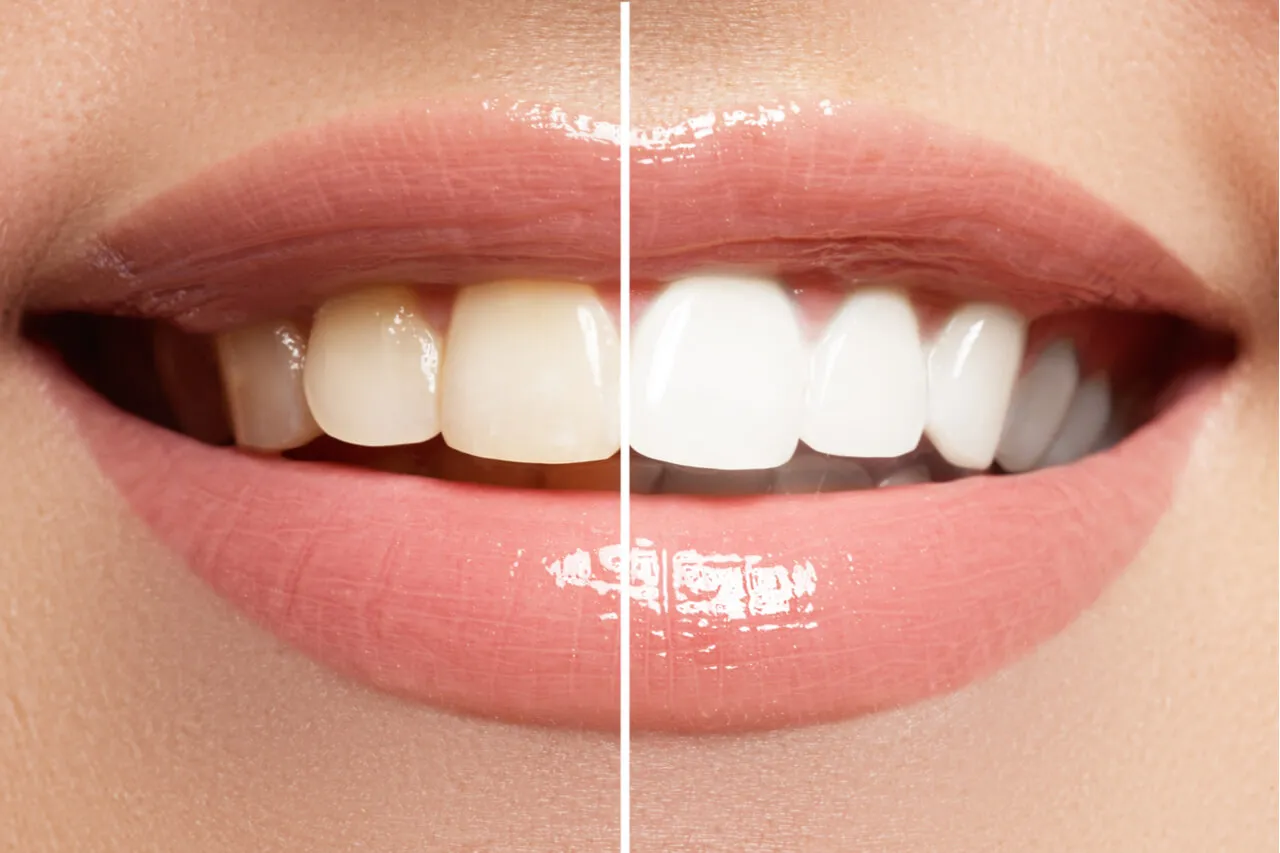
Why Teeth Whitening? Understanding the Benefits
Teeth whitening has become a popular cosmetic procedure, and for good reason. It goes beyond mere aesthetics, offering a range of benefits that can significantly improve your quality of life. A brighter, whiter smile can have a profound impact on your self-esteem and social interactions. The ability to smile confidently, without feeling self-conscious about the appearance of your teeth, can open doors in both personal and professional settings. It projects an image of health, vitality, and approachability, making you more likely to connect with others and seize opportunities.
Beyond the social advantages, teeth whitening can also contribute to better oral hygiene habits. When you invest in improving the appearance of your teeth, you’re more likely to prioritize their care. This includes regular brushing, flossing, and dental check-ups, all of which are essential for maintaining long-term oral health. By understanding the benefits of teeth whitening, you can make an informed decision about whether it’s the right choice for you.
Boosting Confidence with a Whiter Smile
The impact of a brighter smile on your self-confidence is undeniable. Many people report feeling more self-assured and outgoing after undergoing teeth whitening. This newfound confidence can spill over into various aspects of your life, from your professional endeavors to your personal relationships. Feeling good about your appearance allows you to focus on your strengths and engage with the world more fully. It’s a powerful tool for self-improvement, enabling you to pursue your goals with greater enthusiasm and conviction. A brighter smile is often perceived as a sign of youthfulness and vitality, which can further enhance your self-image.
The Science Behind Teeth Whitening

Understanding the science behind teeth whitening provides insight into how various treatments work. Tooth enamel, the outermost layer of your teeth, is porous. Over time, microscopic stains from food, drinks, and tobacco products can penetrate these pores, leading to discoloration. Teeth whitening treatments utilize bleaching agents, typically hydrogen peroxide or carbamide peroxide, to break down these stain molecules. The process involves oxidizing the stain particles, effectively making them less visible and restoring the natural whiteness of your teeth. The concentration of the bleaching agent and the duration of the treatment influence the degree of whitening achieved. It is crucial to understand that teeth whitening only works on natural tooth enamel and will not affect the color of fillings, crowns, or veneers.
How Whitening Works
The whitening process is relatively straightforward but highly effective. The active ingredient in most whitening products, hydrogen peroxide or carbamide peroxide, penetrates the enamel and dentin layers of your teeth. These bleaching agents release oxygen molecules, which react with the stain molecules embedded within the tooth structure. This reaction breaks down the stain molecules, dispersing them and making your teeth appear whiter. The effectiveness of the treatment depends on several factors, including the concentration of the bleaching agent, the duration of the treatment, and the type of stains present. Professional treatments often use higher concentrations of bleaching agents, leading to faster and more dramatic results compared to at-home methods. The science ensures the methods are effective and safe, providing a healthier, whiter smile.
Common Causes of Tooth Discoloration
Tooth discoloration can arise from a variety of factors, many of which are within our control. Identifying the causes can help you prevent future staining and make informed choices about teeth whitening. The most common culprits are dietary habits, including consumption of coffee, tea, red wine, and dark-colored berries. These foods and drinks contain pigments that can adhere to the tooth enamel, causing stains over time. Tobacco use, whether through smoking or chewing, is another significant contributor to tooth discoloration. The nicotine and tar in tobacco products not only stain teeth but can also lead to other oral health problems. Understanding these causes will help you maintain a brighter smile for a longer period.
Dietary Factors and Habits

Your diet plays a crucial role in the color of your teeth. Certain foods and beverages contain strong pigments that can stain tooth enamel. Coffee and tea, for example, are notorious for their staining abilities, leaving behind dark residues that gradually discolor teeth. Red wine, with its deep hues, can also contribute to staining. Similarly, dark-colored berries like blueberries and blackberries contain pigments that can stain teeth. Regular consumption of these items, without proper oral hygiene, can accelerate the staining process. Consider these factors in deciding the best practices for your oral hygiene for a brighter smile.
Aging and Natural Tooth Changes
As we age, our teeth naturally undergo changes that can affect their color. The enamel, the protective outer layer of the tooth, gradually thins over time. This thinning exposes the underlying dentin, which is naturally yellow in color. Additionally, the dentin itself can darken with age. These changes contribute to an overall darkening of the teeth. In addition to natural aging, wear and tear on the teeth can also affect their appearance. The accumulation of small cracks and fissures in the enamel can trap stain-causing particles, further contributing to discoloration. This is normal. With the right teeth whitening strategies, a whiter smile is more than possible.
Types of Teeth Whitening Treatments
There is a wide range of teeth whitening options available, each with its own benefits and drawbacks. These treatments can be broadly categorized into professional in-office whitening, at-home whitening kits, and over-the-counter products like whitening toothpastes and mouthwashes. Professional treatments offer the fastest results and often utilize higher concentrations of bleaching agents. At-home kits provide a more convenient and cost-effective solution, while over-the-counter products offer a more gradual whitening effect. Choosing the right treatment depends on your individual needs, budget, and the degree of whitening you desire. A consultation with a dentist is essential to determine the best course of action and ensure the safety and effectiveness of the chosen treatment.
Professional In-Office Whitening
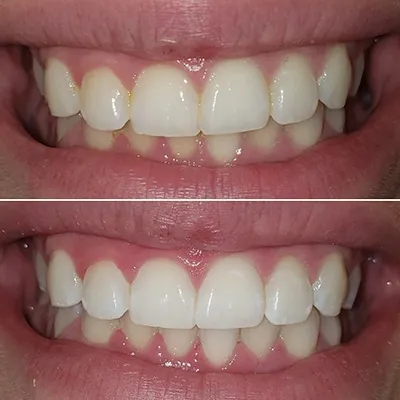
Professional in-office teeth whitening is performed by a dentist in a clinical setting. This method offers several advantages, including faster results and the use of stronger bleaching agents. The dentist will apply a high-concentration hydrogen peroxide gel to your teeth, which is then activated using a special light or laser. The entire procedure typically takes about an hour, and you can achieve several shades of whitening in a single session. Professional treatments also provide the benefit of professional oversight, ensuring the safety and effectiveness of the procedure. Your dentist can assess your oral health, identify any potential issues, and monitor your progress throughout the treatment. You’ll have a brighter smile in no time.
At-Home Whitening Kits
At-home whitening kits offer a convenient and cost-effective alternative to professional treatments. These kits typically include custom-fitted trays and a bleaching gel, which you apply to your teeth for a specified period each day. The trays are designed to fit snugly over your teeth, ensuring that the bleaching agent comes into contact with the enamel evenly. At-home kits generally use lower concentrations of bleaching agents than professional treatments, so the whitening process takes longer. However, they can still provide significant improvements in the appearance of your teeth over a few weeks. It is important to follow the instructions carefully and consult with your dentist to ensure the kit is appropriate for your needs.
Whitening Toothpastes and Mouthwashes
Whitening toothpastes and mouthwashes are readily available over-the-counter and offer a more gradual whitening effect. These products typically contain mild abrasives or chemical agents that help remove surface stains. Whitening toothpastes can gently polish away stains, while whitening mouthwashes can help freshen your breath and further prevent new stains from forming. While these products can contribute to a brighter smile, they are generally not as effective as professional treatments or at-home whitening kits. They are a good option for maintaining your results and preventing future staining. Make sure to select reputable brands and follow the usage instructions to avoid any potential adverse effects.
Choosing the Right Treatment for You

Selecting the right teeth whitening treatment depends on your individual needs and preferences. Consider the degree of whitening you desire, your budget, and the amount of time you’re willing to invest. Professional in-office treatments offer the fastest results and are ideal if you need a quick and dramatic change. At-home kits provide a more convenient and cost-effective solution, suitable for those who want to whiten their teeth gradually. Over-the-counter products, like whitening toothpastes and mouthwashes, are best for maintaining your results and preventing future staining. Consulting with a dentist is essential to assess your oral health, determine the best treatment option, and address any underlying issues. The dentist can provide expert guidance and recommendations tailored to your unique situation, ensuring the best possible outcome.
Assessing Your Teeth and Needs
Before choosing a teeth whitening treatment, it’s crucial to assess your teeth and needs. Consider the current condition of your teeth, including any existing fillings, crowns, or veneers. Teeth whitening treatments only work on natural tooth enamel and will not change the color of artificial dental work. Also, evaluate the extent of the staining. Surface stains are easier to remove than intrinsic stains, which are embedded within the tooth structure. Think about your budget and the time you’re willing to commit to the treatment. Professional treatments are more expensive but offer faster results, while at-home kits are more affordable and require a longer treatment duration. Understanding your individual needs will help you make an informed decision and achieve the desired outcome.
Consulting with a Dentist
Consulting with a dentist is an essential step in the teeth whitening process. Your dentist can assess your oral health, identify any potential issues, and recommend the most appropriate treatment option. They can check for cavities, gum disease, and other dental problems that could impact the effectiveness of the whitening treatment. Your dentist can also take impressions of your teeth to create custom-fitted trays for at-home whitening kits. During the consultation, your dentist can discuss the different treatment options, their pros and cons, and potential side effects. They can also provide professional advice on how to maintain your results and prevent future staining. A dental consultation ensures the safety and effectiveness of the teeth whitening process.
Step-by-Step Guide to Teeth Whitening

Here is a general guide to what you can expect during your teeth whitening journey. Whether you opt for in-office treatment or an at-home kit, understanding the process can help you prepare and achieve the best results. This overview covers each step of the process, from preparation to post-treatment care. Remember to always follow your dentist’s instructions and product guidelines for optimal safety and effectiveness. This way, you can enjoy the benefits of a brighter, more confident smile with minimal stress and worry.
Preparing Your Teeth for Treatment
Before undergoing any teeth whitening treatment, proper preparation is key. Your dentist may recommend a professional cleaning to remove any plaque and tartar buildup, allowing the whitening agent to penetrate the enamel more effectively. If you have any existing dental work, such as fillings or crowns, your dentist will assess their condition and determine if they need to be replaced to match the new shade of your teeth. It’s also essential to address any underlying dental issues, such as cavities or gum disease, before starting the whitening treatment. Preparing your teeth ensures the best possible outcome and minimizes the risk of complications. You can achieve the dazzling smile of your dreams.
The Whitening Process
The specific steps of the teeth whitening process depend on the chosen treatment. For professional in-office whitening, the dentist will apply a protective barrier to your gums and lips. Then, they will apply a high-concentration bleaching agent to your teeth and activate it with a special light or laser. This process is typically repeated several times during a single session. For at-home whitening kits, you will fill custom-fitted trays with a bleaching gel and wear them for a specified period each day. The duration of the treatment can vary from a few days to several weeks, depending on the kit and the desired results. It’s important to follow the instructions carefully and avoid any potential hazards.
Post-Treatment Care and Maintenance

Once you’ve completed your teeth whitening treatment, proper post-treatment care is essential to maintain your results and prevent future staining. Following a few simple guidelines can help you prolong the effects of your treatment and keep your smile looking its best. This includes paying attention to your diet, practicing good oral hygiene, and attending regular dental check-ups. By following these steps, you can enjoy a brighter, more confident smile for years to come.
Maintaining Your Bright Smile
To maintain your bright smile, it’s important to follow some key practices. Regular brushing and flossing are essential for removing food particles and plaque, which can contribute to staining. Use a soft-bristled toothbrush and brush your teeth at least twice a day. Floss daily to remove plaque and food debris from between your teeth. Consider using a whitening toothpaste or mouthwash to help maintain your results. Avoid smoking or chewing tobacco, as these habits can significantly stain your teeth. Attend regular dental check-ups and cleanings to maintain oral health and address any staining issues. These are essential steps.
Foods and Drinks to Avoid
Certain foods and drinks can stain your teeth and undermine the results of your whitening treatment. To maximize the longevity of your bright smile, it’s best to limit or avoid these items. Coffee, tea, red wine, and dark-colored juices are notorious for their staining properties. Try to reduce your consumption or use a straw when drinking these beverages. Dark-colored berries, such as blueberries and blackberries, can also stain your teeth. Be mindful of sauces, such as soy sauce and balsamic vinegar, which can also contribute to staining. By avoiding these foods and drinks, you can protect your investment in your teeth whitening and keep your smile looking its best.
Oral Hygiene Practices

Maintaining good oral hygiene is crucial for preserving your bright smile and overall oral health. Brush your teeth at least twice a day for two minutes each time, using a soft-bristled toothbrush and fluoride toothpaste. Floss daily to remove plaque and food debris from between your teeth, where your toothbrush can’t reach. Consider using an antimicrobial mouthwash to help control bacteria and freshen your breath. Regular dental check-ups and cleanings are also essential. Your dentist can remove plaque and tartar buildup, assess your oral health, and provide personalized advice on maintaining your bright smile. By following these practices, you can ensure that your teeth stay healthy and your smile continues to shine. A beautiful smile will come with good practices.
Potential Risks and Side Effects
While teeth whitening is generally safe, it’s important to be aware of potential risks and side effects. The most common side effects are tooth sensitivity and gum irritation. Understanding these potential issues can help you make an informed decision and take steps to mitigate any discomfort. Always consult with your dentist before undergoing any teeth whitening treatment to ensure it is safe and appropriate for your individual needs. With the help of professional guidance, you can minimize the risk of side effects and enjoy the benefits of a brighter smile with confidence.
Tooth Sensitivity
Tooth sensitivity is a common side effect of teeth whitening. The bleaching agents can temporarily irritate the nerves in your teeth, causing sensitivity to hot and cold temperatures. The degree of sensitivity can vary, but it usually subsides within a few days after the treatment. To manage sensitivity, your dentist may recommend using a toothpaste designed for sensitive teeth or applying a fluoride treatment. Avoid extremely hot or cold foods and beverages during the treatment period. Over-the-counter pain relievers, such as ibuprofen, can help alleviate any discomfort. Inform your dentist about any sensitivity you experience so that they can provide appropriate guidance and support.
Gum Irritation
Gum irritation is another potential side effect of teeth whitening. If the bleaching agent comes into contact with your gums, it can cause irritation, redness, and inflammation. This is more likely to occur with at-home whitening kits, where the trays may not fit perfectly or if the gel is applied incorrectly. To minimize gum irritation, ensure that the trays fit properly and that the bleaching gel is only applied to your teeth. Avoid overfilling the trays and wipe away any excess gel that comes into contact with your gums. If you experience gum irritation, stop using the whitening product and consult with your dentist. They may recommend a different product or technique to reduce the risk of irritation.
When to Seek Professional Advice
It’s important to know when to seek professional advice regarding teeth whitening. If you experience severe tooth sensitivity or gum irritation that does not subside within a few days, consult your dentist immediately. Any persistent discomfort or changes in your oral health should be reported to your dentist promptly. If you are considering teeth whitening and have existing dental work, such as fillings or crowns, consult your dentist before starting the treatment. They can assess the condition of your dental work and advise you on whether it needs to be replaced to match the new shade of your teeth. Regular dental check-ups and cleanings are crucial for maintaining your oral health and preventing any potential problems. A professional can give you the best advice.
Conclusion Achieving a Brighter, More Confident You
Teeth whitening can significantly improve your smile, boost your self-esteem, and enhance your overall quality of life. By understanding the benefits, different treatment options, and potential risks, you can make an informed decision and achieve a brighter, more confident you. Remember to consult with your dentist to assess your oral health, discuss the best treatment option for your needs, and ensure the safety and effectiveness of the procedure. With the right approach, teeth whitening can be a transformative experience, allowing you to smile more often and with greater confidence. Embrace a brighter future and enjoy the many benefits of a dazzling smile.