
Understanding Teeth Whitening
Teeth whitening is a popular cosmetic dental procedure designed to lighten the shade of your teeth. It’s a process that can significantly enhance your smile and boost your confidence. However, it’s essential to understand how this process works and the best practices to ensure optimal results and maintain the health of your teeth. This comprehensive guide will delve into the intricacies of teeth whitening, providing you with the knowledge you need to make informed decisions and care for your pearly whites effectively. It will cover the science behind teeth whitening, various treatment options, and critical aftercare instructions to maximize the longevity of your brighter smile.
How Teeth Whitening Works
Teeth whitening typically involves the use of bleaching agents, most commonly hydrogen peroxide or carbamide peroxide. These agents penetrate the enamel of your teeth and break down the stains and discoloration that have accumulated over time. The process essentially removes stains from the tooth’s surface and deep within the enamel. The effectiveness of the whitening process depends on the concentration of the bleaching agent, the duration of the treatment, and the type of stains being addressed. Professional treatments often use higher concentrations, yielding quicker results, while at-home kits offer a more gradual approach. Understanding the science behind the process helps you appreciate the importance of following aftercare instructions carefully.
Types of Teeth Whitening Treatments

There are various teeth whitening treatments available, each with its own set of advantages and considerations. Professional whitening, performed by a dentist, often involves in-office treatments using high-concentration bleaching agents. These treatments offer dramatic results in a relatively short amount of time. At-home whitening kits, on the other hand, provide a more convenient and affordable option. These kits typically include custom-fitted trays or strips containing a lower concentration of bleaching agents. Over-the-counter whitening products, such as whitening toothpastes and strips, are readily available but generally offer more subtle results. The choice of treatment depends on your individual needs, budget, and desired outcome. Consulting with a dentist is always recommended to determine the most suitable option for you.
Immediate Post-Whitening Care
Following the right aftercare practices is essential for protecting your newly whitened teeth and achieving lasting results. The immediate post-whitening period is particularly crucial, as your teeth are more susceptible to staining during this time. This section of the guide will provide detailed instructions on how to care for your teeth immediately after whitening, covering important considerations like brushing, dietary restrictions, and other oral hygiene practices. By adhering to these guidelines, you can safeguard your investment in a brighter smile and maintain your teeth’s whiteness for a longer duration. Being mindful of what you eat, drink, and how you care for your teeth can make a big difference.
The Golden Rule Brushing
The most common question is, ‘Can you brush your teeth after whitening?’ The general recommendation is to wait a specific period before brushing. This is because the pores in your enamel are temporarily open after whitening, making your teeth more vulnerable to stains. Brushing immediately after can potentially introduce pigments from your toothpaste into the enamel. Always follow your dentist’s specific instructions, but the general advice is to wait at least 30 minutes to an hour before brushing. This waiting period allows the enamel to re-mineralize and close the pores, minimizing the risk of staining. It’s important to use a soft-bristled toothbrush and a toothpaste specifically recommended by your dentist during this period.
Why Wait to Brush
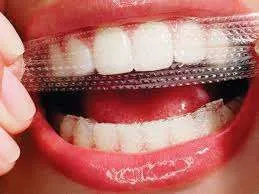
Waiting to brush after teeth whitening is crucial due to the temporary porousness of your enamel. The whitening process opens up the pores, making your teeth more susceptible to staining. Toothpaste, containing various compounds and potentially abrasive ingredients, could contribute to staining if brushed too soon. Waiting allows your teeth to settle, minimizing the risk of absorbing unwanted pigments. It’s a preventative measure to protect the results of your whitening treatment. Brushing too early could compromise the whitening outcome, leaving your teeth more vulnerable to discoloration. Adhering to the waiting period ensures that you are taking the necessary precautions to maintain a bright and healthy smile.
How Long to Wait Before Brushing
The recommended waiting period before brushing after teeth whitening is generally between 30 minutes and an hour. However, it’s always best to adhere to the specific instructions provided by your dentist or the product manufacturer. This waiting time allows your enamel to re-mineralize and the pores to close, minimizing the risk of staining. During this period, avoid consuming any food or drinks that could stain your teeth, such as coffee, tea, red wine, and darkly colored juices. If you feel the need to freshen your breath, consider using an alcohol-free mouthwash. Following these guidelines will help you preserve the whitening results and maintain your bright smile.
Best Practices for Oral Hygiene After Whitening
Maintaining excellent oral hygiene after teeth whitening is essential for preserving your results and keeping your teeth healthy. This involves adopting good brushing and flossing habits, choosing the right oral care products, and adhering to dietary recommendations. By following these practices consistently, you can maximize the longevity of your brighter smile and minimize the risk of future staining or discoloration. Regular dental check-ups and cleanings also play a crucial role in maintaining your oral health and the appearance of your teeth. Proper oral hygiene is not just about aesthetics; it is integral to your overall health.
Choosing the Right Toothbrush

Selecting the right toothbrush is a key aspect of oral hygiene after whitening. Opt for a soft-bristled toothbrush, as it is gentler on your enamel and reduces the risk of abrasion. Aggressive brushing with hard bristles can damage the enamel and potentially lead to sensitivity and staining. Electric toothbrushes can also be a great choice, often featuring pressure sensors that alert you if you’re brushing too hard. Replace your toothbrush every three months or sooner if the bristles become frayed. During the initial days after whitening, consider using a toothbrush specifically recommended by your dentist, as some toothbrushes are designed to be particularly gentle on sensitive teeth.
Selecting the Right Toothpaste
The toothpaste you choose can significantly impact the longevity of your whitening results. Avoid toothpastes with harsh abrasives, as they can erode the enamel and make your teeth more susceptible to staining. Look for toothpastes that are specifically designed for sensitive teeth or whitening aftercare. These toothpastes often contain fluoride to strengthen your enamel and gentle cleaning agents to remove surface stains without damaging the enamel. Your dentist may recommend a specific toothpaste, particularly in the initial days after your whitening treatment. Be mindful of the ingredients and opt for toothpastes that are free of harsh chemicals and excessive whitening agents.
Flossing and Mouthwash
Flossing and mouthwash are essential components of a comprehensive oral hygiene routine, especially after teeth whitening. Flossing removes food particles and plaque from between your teeth, where your toothbrush can’t reach. Regular flossing helps prevent stains from forming in these hard-to-reach areas. Mouthwash can further enhance your oral hygiene. However, it’s crucial to choose an alcohol-free mouthwash after whitening, as alcohol can dry out your mouth and potentially increase sensitivity. Look for a mouthwash that contains fluoride to strengthen your enamel and protect against cavities. Use mouthwash as directed by your dentist or the product label, typically after brushing and flossing, for optimal results.
Foods and Drinks to Avoid After Whitening

Your diet plays a crucial role in maintaining the results of your teeth whitening treatment. Certain foods and drinks can stain your teeth and reverse the whitening process, especially in the immediate aftermath. During the initial days after whitening, it’s essential to be mindful of what you consume. This section provides detailed guidance on which foods and drinks to avoid to protect your newly whitened smile. Following these dietary recommendations will help you maximize the lifespan of your whitening results. Remember that the more diligently you adhere to these guidelines, the longer your teeth will remain bright.
Foods That Can Stain Your Teeth
Many foods can stain your teeth, but some are particularly notorious for their staining potential. These foods often contain strong pigments that can easily penetrate the enamel, particularly after teeth whitening when your teeth are more porous. Examples include berries (blueberries, blackberries, raspberries), soy sauce, balsamic vinegar, curries, and tomato-based sauces. While it’s not necessary to eliminate these foods from your diet entirely, it’s wise to consume them in moderation and be extra vigilant in your oral hygiene after eating them. Rinsing your mouth with water or brushing your teeth (after the recommended waiting period) can help minimize staining.
Drinks That Can Stain Your Teeth
Certain beverages are notorious for staining teeth, making it crucial to moderate their consumption after whitening. The worst offenders include coffee, tea (especially black tea), red wine, and dark-colored juices (such as cranberry juice and grape juice). These drinks contain pigments that can easily adhere to your enamel. Carbonated beverages, like cola, can also contribute to staining and erode enamel due to their acidity. Consider substituting these drinks with clear alternatives like water, milk, or clear soda. If you do consume staining drinks, rinse your mouth with water immediately afterward or use a straw to minimize contact with your teeth.
Maintaining Your White Smile Long-Term

Maintaining a bright smile after teeth whitening involves a combination of good oral hygiene practices, a healthy diet, and regular dental check-ups. This section provides valuable insights into how to sustain your results over an extended period. By integrating these habits into your daily routine, you can enjoy a long-lasting, radiant smile. These tips ensure that your investment in teeth whitening yields the best and most lasting results. Long-term maintenance is all about consistent care and preventative measures.
Regular Dental Check-ups and Cleanings
Regular dental check-ups and professional cleanings are essential for maintaining your oral health and the brilliance of your whitened teeth. During your check-up, your dentist can assess the condition of your teeth and gums and identify any potential issues early on. Professional cleanings remove plaque and tartar, which can cause staining and discoloration. Your dentist may also recommend a touch-up whitening treatment to maintain the desired shade of your teeth. Schedule check-ups every six months or as recommended by your dentist. These appointments are critical for preserving your oral health and the longevity of your bright smile.
Touch-up Whitening Treatments
Over time, your teeth may naturally lose some of their whiteness. Touch-up whitening treatments can help you maintain the desired shade and address any new staining or discoloration. These treatments can be done at home, using whitening strips or trays, or in the dentist’s office. The frequency of touch-up treatments depends on your lifestyle, diet, and oral hygiene habits. Discuss the best touch-up options with your dentist to ensure that you maintain a bright and healthy smile for years to come. Regular touch-ups can keep your teeth looking their best and help you feel confident about your smile.