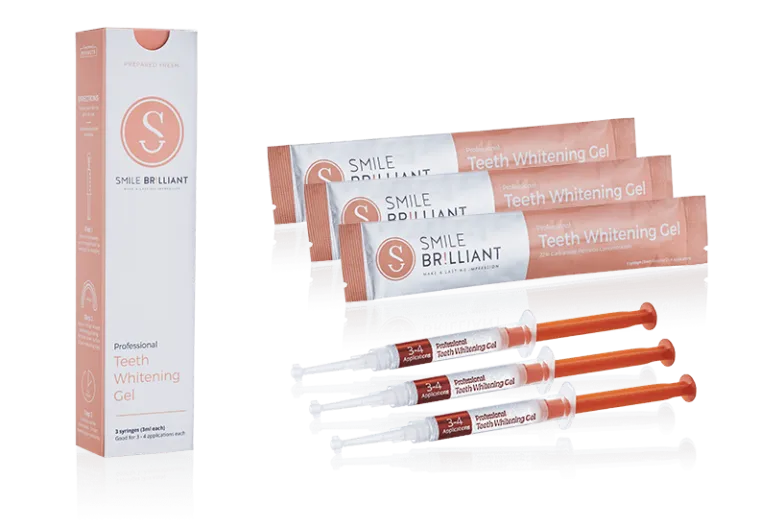
Teeth whitening is a popular cosmetic procedure, but sometimes, users experience teeth whitening gel fizzing. This phenomenon can be a cause for concern, but understanding why it happens can help you address it effectively. Fizzing is often a normal part of the process, but excessive fizzing might indicate an issue. This guide will delve into the causes behind teeth whitening gel fizzing, helping you understand what’s happening and what you can do about it. From the chemical reactions to the impact of your oral health, we’ll explore the key factors contributing to this common occurrence, ensuring you can achieve a brighter smile with confidence.
What Causes Teeth Whitening Gel to Fizz
The fizzing you observe when using teeth whitening gel is primarily due to a chemical reaction. Understanding this reaction is key to understanding the process. Several factors contribute to this phenomenon, ranging from the ingredients in the gel to the condition of your teeth and oral environment. Let’s explore these factors to better understand the science behind teeth whitening and why that sometimes leads to fizzing.
Hydrogen Peroxide and Its Role
The primary active ingredient in most teeth whitening gels is hydrogen peroxide. This compound is a powerful oxidizing agent. When it comes into contact with organic material like the stains on your teeth, it breaks down into water and oxygen. This oxygen release is what causes the fizzing sensation you might experience during the teeth whitening process. The amount of fizzing can vary based on the concentration of hydrogen peroxide and the condition of your teeth.
The Chemistry of Fizzing

The chemical reaction that leads to fizzing involves hydrogen peroxide (H2O2) breaking down into water (H2O) and oxygen (O2). This reaction is accelerated when hydrogen peroxide interacts with the organic molecules that make up stains on your teeth. The oxygen released in this process creates bubbles, resulting in the fizzing sensation. This is a natural part of the teeth whitening process, showing the gel is working to break down stains and brighten your smile.
Concentration of the Whitening Agent
The concentration of hydrogen peroxide or carbamide peroxide (which converts to hydrogen peroxide) significantly impacts the fizzing. Higher concentrations tend to produce more fizzing. The stronger the gel, the more actively it works to break down stains, and the more oxygen is released. This doesn’t necessarily mean a higher concentration is better; the best concentration depends on your individual needs and the sensitivity of your teeth.
High vs. Low Concentrations
Teeth whitening gels are available in varying concentrations, often expressed as a percentage of hydrogen peroxide or carbamide peroxide. Gels with higher concentrations, typically used in professional treatments, can produce more noticeable fizzing. Lower concentration gels, often available over-the-counter, might produce less fizzing but may require more applications to achieve the desired results. Your dentist can recommend the optimal concentration based on your specific needs.
The Impact of Sensitivity

Tooth sensitivity can play a significant role in how you perceive fizzing. People with sensitive teeth might experience the fizzing as more intense or uncomfortable, even if the reaction is the same as someone without sensitivity. The whitening agents can sometimes irritate the nerves within the teeth, especially if there are any micro-cracks or exposed dentin. Using a desensitizing toothpaste a few weeks before and during whitening can help manage sensitivity.
Interaction with Other Substances
Besides the chemical reaction of hydrogen peroxide, other substances in your mouth can influence the amount of fizzing you experience. Your oral environment, what you consume, and even the condition of your teeth all play a role in the whitening process. Being aware of these factors can help you manage your teeth whitening experience more effectively and minimize any discomfort.
Saliva and Oral Environment
Saliva is a natural component of your oral environment and can affect the fizzing. Saliva contains various enzymes and compounds that can react with the whitening gel. While saliva helps to neutralize some of the hydrogen peroxide, it can also cause some additional fizzing, especially if the gel comes into contact with a larger surface area. The more saliva present, the more interaction the gel has, leading to more fizzing.
Food and Beverages

Certain foods and beverages can also affect the fizzing process. Consuming acidic foods or drinks can lower the pH in your mouth, potentially increasing the reaction rate of hydrogen peroxide. This can result in more pronounced fizzing. Moreover, these substances can sometimes interact with the gel directly, altering its effectiveness. It’s usually recommended to avoid highly acidic foods and drinks for at least an hour after whitening.
Pre-existing Conditions
Your oral health plays a crucial role in the teeth whitening process. Certain pre-existing conditions can influence the way the whitening gel interacts with your teeth, sometimes leading to more or less fizzing. Understanding these conditions can help you manage your expectations and take appropriate precautions to protect your oral health.
Enamel Micro-cracks
If your teeth have micro-cracks in the enamel, the whitening gel can penetrate these areas more easily, leading to increased fizzing. Micro-cracks can be caused by various factors, including teeth grinding, trauma, or simply wear and tear over time. Because the gel penetrates these cracks, the reaction can seem more intense in those areas, and the user might feel more sensitivity during this time.
Gum Recession

Gum recession can also influence the teeth whitening experience. When gums recede, they expose more of the tooth’s root, which is covered by cementum and dentin, both less resistant to the whitening agents than enamel. This can cause the gel to react more aggressively in these areas, resulting in increased fizzing and sensitivity. Individuals with gum recession should consult their dentist before whitening their teeth.
Proper Use and Application
How you apply the teeth whitening gel and the fit of your trays play significant roles in how much fizzing you experience. Improper application can lead to excessive gel use and poor contact with the teeth, affecting both the effectiveness of the whitening and the amount of fizzing. Following the instructions carefully and ensuring a good fit can help to minimize these issues.
Applying Too Much Gel
Using too much teeth whitening gel is a common mistake. Excess gel can overflow from the trays and come into contact with the gums and other soft tissues in your mouth, which can cause increased fizzing and possible irritation. Always use a small amount of gel, just enough to cover the front surfaces of your teeth as directed by your dentist or the product instructions.
Incorrect Tray Fit

The fit of your teeth whitening trays is crucial. If the trays don’t fit snugly, the gel might spread unevenly, leading to more intense fizzing in some areas and inadequate whitening in others. Ill-fitting trays can also cause the gel to leak, resulting in gum irritation. Ensure your trays fit properly, or consult your dentist to have custom trays made for a more comfortable and effective whitening experience.
How to Minimize Fizzing
While some fizzing is normal during teeth whitening, you can take steps to minimize it and ensure a more comfortable experience. Choosing the right product, consulting your dentist, and monitoring for sensitivity can all make a significant difference. These measures will not only help to reduce fizzing but also optimize the whitening process, leading to better and more consistent results.
Choosing the Right Product
Select teeth whitening products carefully. Over-the-counter products often contain lower concentrations of hydrogen peroxide, which may lead to less fizzing. If you’re prone to sensitivity, look for products specifically designed for sensitive teeth. These often contain ingredients to help reduce irritation. Always read reviews and choose products from reputable brands that provide clear instructions.
Consulting a Dentist

Consulting a dentist before starting any teeth whitening treatment is highly recommended. A dentist can assess your oral health, identify any underlying issues that might cause excessive fizzing or sensitivity, and recommend the most suitable treatment for your needs. Professional treatments often use higher-strength gels, but your dentist can supervise the process and take steps to minimize discomfort.
Monitoring for Sensitivity
Pay close attention to how your teeth feel during the whitening process. If you experience excessive fizzing, discomfort, or sensitivity, take a break from the treatment. Using a desensitizing toothpaste before and after whitening can help reduce sensitivity. If the sensitivity persists, consult your dentist for advice and to rule out any underlying issues that might be contributing to it. Monitoring your teeth and gums is essential to ensure a comfortable and successful whitening experience.
In conclusion, the fizzing of teeth whitening gel is a common occurrence, primarily caused by the chemical reaction of hydrogen peroxide with the stains on your teeth. While some fizzing is normal, excessive fizzing might indicate issues like sensitivity, micro-cracks, or improper application. By understanding the causes and taking appropriate measures, you can minimize the fizzing and achieve a brighter, more confident smile. Always consult your dentist for personalized advice and to ensure a safe and effective teeth whitening experience.