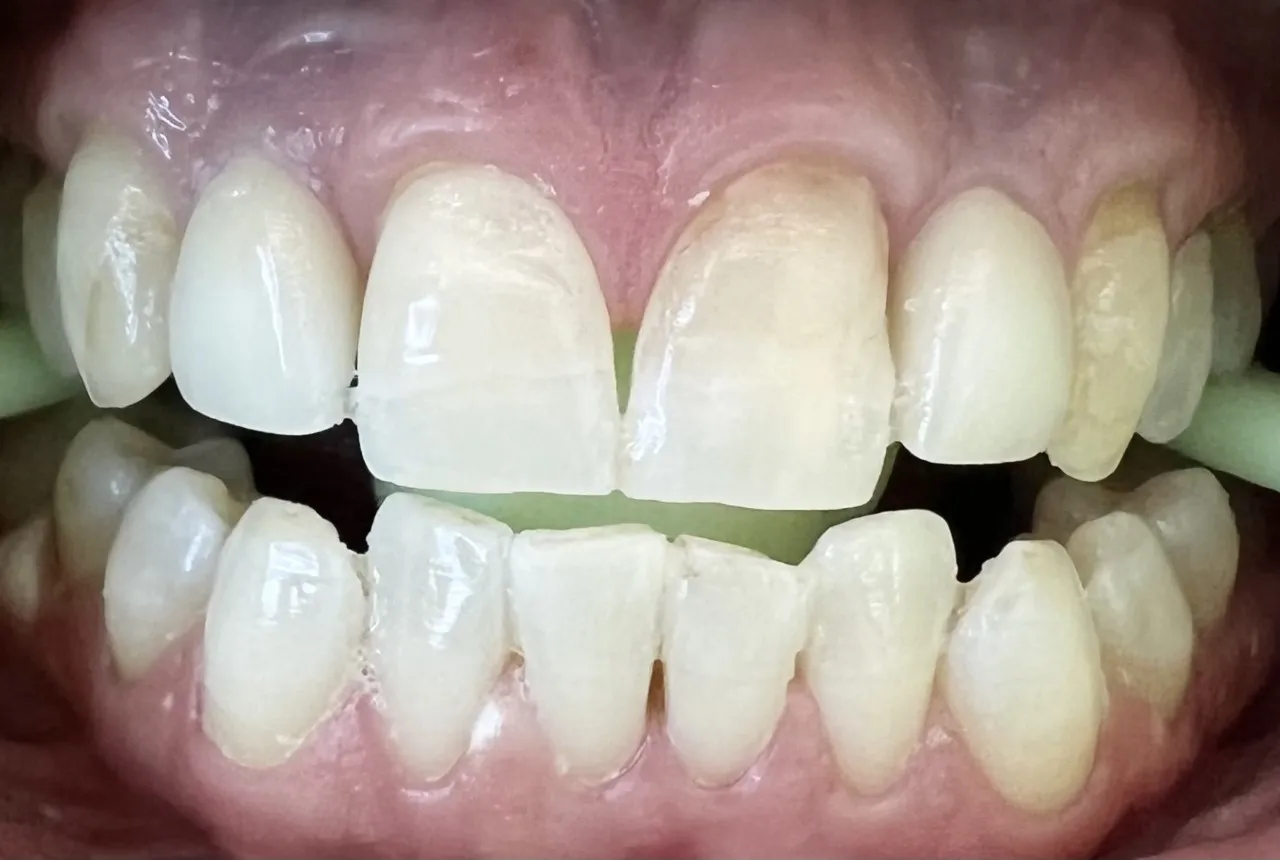
What is Teeth Porosity?
Teeth porosity refers to the presence of microscopic spaces or pores within the enamel and dentin of your teeth. These pores are naturally occurring, but their size and number can be influenced by various factors, including dental treatments like teeth whitening. Understanding teeth porosity is crucial for anyone considering or undergoing teeth whitening, as it significantly impacts the procedure’s effectiveness and the potential for side effects. The level of porosity affects how easily substances penetrate the tooth structure, influencing both the whitening process and the tooth’s susceptibility to staining and sensitivity.
The Science Behind Teeth Porosity
Tooth enamel, the outermost layer of the tooth, is the hardest substance in the human body, but it is not completely solid. It contains tiny pores that allow for the exchange of minerals and fluids. Dentin, the layer beneath the enamel, is also porous, containing tubules that connect to the tooth’s pulp, where nerves and blood vessels reside. The size and number of these pores can vary depending on individual genetics, diet, and oral hygiene habits. Furthermore, the natural aging process can affect tooth porosity, with older teeth often being more porous than younger ones. This natural porosity is a key factor in how whitening agents work, as they penetrate these spaces to remove stains.
How Teeth Whitening Affects Porosity

Teeth whitening treatments, whether performed at home or in a dental office, typically involve the use of bleaching agents, most commonly hydrogen peroxide or carbamide peroxide. These agents work by penetrating the porous enamel and dentin to break down stain molecules. During the whitening process, the bleaching agents can temporarily increase the porosity of the teeth. This is because the chemicals open up the pores, allowing the whitening agents to reach the stain molecules more effectively. The degree to which the teeth become porous depends on the concentration of the whitening agent, the duration of the treatment, and the individual’s tooth structure. It is important to note that this increased porosity is usually temporary, but it can make the teeth more susceptible to staining immediately after treatment.
Understanding the Whitening Process and Its Impact
The impact of teeth whitening on porosity is a key consideration. The goal of whitening is to remove stains trapped within the porous structure of the teeth, but the process itself can temporarily alter the porosity. Initially, the bleaching agents penetrate the enamel, and as the stain molecules break down, the teeth become slightly more porous. This increased porosity is not always visible, but it can make the teeth more vulnerable to absorbing new stains from food and beverages. The length of time the teeth remain in this state varies, depending on the specific whitening method and post-treatment care. Understanding this temporary increase in porosity is crucial for making informed decisions about the whitening process and aftercare.
Factors Influencing Teeth Porosity After Whitening
Several factors influence how long teeth remain porous after whitening. These factors include the concentration of the whitening agent used, the duration of the treatment, and individual oral health characteristics. Higher concentrations of peroxide in whitening products can lead to a more significant and longer-lasting increase in porosity. The frequency of whitening treatments also plays a role; more frequent treatments may lead to cumulative effects on tooth porosity. In addition, individual tooth structure and genetics influence the natural porosity of teeth and, therefore, how they respond to whitening. These factors collectively determine the duration of the increased porosity period and the susceptibility of the teeth to staining after whitening.
Whitening Agent Strength and Its Influence

The strength of the whitening agent is a critical factor in determining the degree and duration of increased porosity. Professional whitening treatments often use higher concentrations of hydrogen peroxide compared to over-the-counter products. This higher concentration can lead to more dramatic whitening results but can also cause a more significant and prolonged increase in porosity. For home-use whitening kits, the concentration of the active ingredient is typically lower, which may reduce the impact on porosity but could also require more applications to achieve desired results. Understanding the concentration of the whitening agent and its potential effects on tooth porosity is crucial for making informed choices about treatment options.
Frequency of Whitening Treatments
The frequency of teeth whitening treatments significantly impacts tooth porosity. Frequent whitening sessions, whether using professional or at-home methods, can lead to a cumulative effect on the enamel. Each whitening treatment slightly increases porosity, and repeated treatments without sufficient recovery time can potentially lead to prolonged periods of increased porosity. It’s essential to follow the recommended guidelines for the specific whitening product or treatment, including the frequency of use and the necessary intervals between sessions. Overuse can increase the risk of sensitivity and staining, so moderation is key to maintaining both a white smile and healthy teeth.
Individual Tooth Structure and Genetics
Individual tooth structure and genetics play a crucial role in how teeth respond to whitening and the duration of any increased porosity. People have varying degrees of enamel thickness and density, which can influence how readily whitening agents penetrate the tooth surface. Those with naturally thinner or less dense enamel may experience greater porosity changes after whitening compared to those with thicker enamel. Furthermore, genetic factors influence the natural porosity of teeth, affecting both the whitening process and the potential for post-treatment sensitivity and staining. Therefore, it’s essential to consider individual differences when planning and undergoing teeth whitening treatments, and consulting with a dentist can help determine the best approach based on your unique oral health profile.
Top 5 Things to Know About Teeth Porosity and Whitening

Fact 1 Teeth Become More Porous
The most important thing to know is that teeth do become more porous after whitening. This is a temporary effect of the bleaching agents penetrating the enamel and dentin to break down stains. The degree of increased porosity depends on the whitening method and the concentration of the active ingredients, like hydrogen peroxide or carbamide peroxide. This increased porosity is what allows the whitening agents to work, but it also makes the teeth more susceptible to staining immediately after treatment.
Fact 2 Temporary Sensitivity May Occur
Increased porosity can lead to increased tooth sensitivity. As the pores in the enamel open up, they can allow stimuli, like hot or cold food and drinks, to reach the nerves inside the teeth. This can result in temporary sensitivity, which usually subsides within a few days or weeks after whitening. Using desensitizing toothpaste and avoiding extreme temperatures can help manage this sensitivity. If sensitivity persists or becomes severe, consult your dentist.
Fact 3 Avoid Staining Foods and Drinks

During the period of increased porosity, teeth are more prone to staining. Therefore, it is crucial to avoid or limit the consumption of staining foods and drinks immediately after whitening. This includes coffee, tea, red wine, dark sodas, berries, and other highly pigmented foods and beverages. Following a white diet for a few days or weeks after whitening can help maintain your new, brighter smile and prevent stains from setting in.
Fact 4 Proper Oral Hygiene is Crucial
Maintaining excellent oral hygiene is essential both before and after teeth whitening. This includes brushing at least twice a day with fluoride toothpaste, flossing daily, and using mouthwash. Regular dental check-ups and professional cleanings are also critical for removing plaque and surface stains that can dull your smile. Proper oral hygiene helps to protect the teeth from decay and further staining while preserving the results of your whitening treatment.
Fact 5 Consult Your Dentist for Guidance
Before undergoing any teeth whitening treatment, it is important to consult with your dentist. A dental professional can assess your oral health, determine if you are a good candidate for whitening, and recommend the most appropriate method for your needs. They can also provide personalized advice on how to minimize the risks associated with whitening, such as sensitivity and increased porosity. Your dentist can also monitor your progress and address any concerns during or after the whitening process.
Maintaining Your White Smile and Minimizing Porosity

Maintaining your white smile and minimizing the effects of increased porosity requires a comprehensive approach that includes dietary adjustments, good oral hygiene practices, and regular professional dental care. Following these guidelines can help to preserve your whitening results and keep your teeth healthy and bright for longer. This combination of practices supports both the aesthetic and health aspects of your teeth, contributing to a confident and beautiful smile.
Dietary Recommendations for Healthy Teeth
Your diet plays a significant role in maintaining the health and appearance of your teeth. To minimize staining and maintain your white smile, it’s important to limit the consumption of staining foods and beverages, such as coffee, tea, red wine, and dark-colored sodas. Incorporate plenty of calcium-rich foods, like dairy products or fortified alternatives, to strengthen your enamel. Eating crunchy fruits and vegetables can help to naturally clean your teeth and stimulate saliva production, which neutralizes acids and washes away food particles. A balanced diet that is low in sugars and starches is crucial for preventing decay and supporting overall oral health. Consider including water with meals to help rinse away food debris and acids.
Best Practices for Oral Hygiene
Practicing proper oral hygiene is essential for preserving the results of teeth whitening and maintaining healthy teeth. Brush your teeth at least twice a day for two minutes each time, using a soft-bristled toothbrush and fluoride toothpaste. Be sure to brush all surfaces of your teeth, including the front, back, and chewing surfaces. Floss daily to remove plaque and food particles from between your teeth, where a toothbrush cannot reach. Use an antibacterial mouthwash to further reduce plaque and freshen your breath. Consider using an electric toothbrush, as it can be more effective at removing plaque than a manual toothbrush. Regular oral hygiene habits are key to minimizing the risk of staining and maintaining your bright smile.
Professional Dental Care and Follow-Up

Regular professional dental care is a crucial component of maintaining a white smile and minimizing tooth porosity. Schedule regular check-ups and professional cleanings with your dentist at least twice a year. During these visits, your dentist will assess your oral health, identify any potential issues, and remove plaque and tartar buildup that can cause staining and decay. Professional cleanings can also help to remove surface stains that may have developed over time, helping to maintain the results of your teeth whitening treatment. Your dentist can also provide personalized advice on oral hygiene practices and recommend additional treatments to support your oral health, such as fluoride treatments.