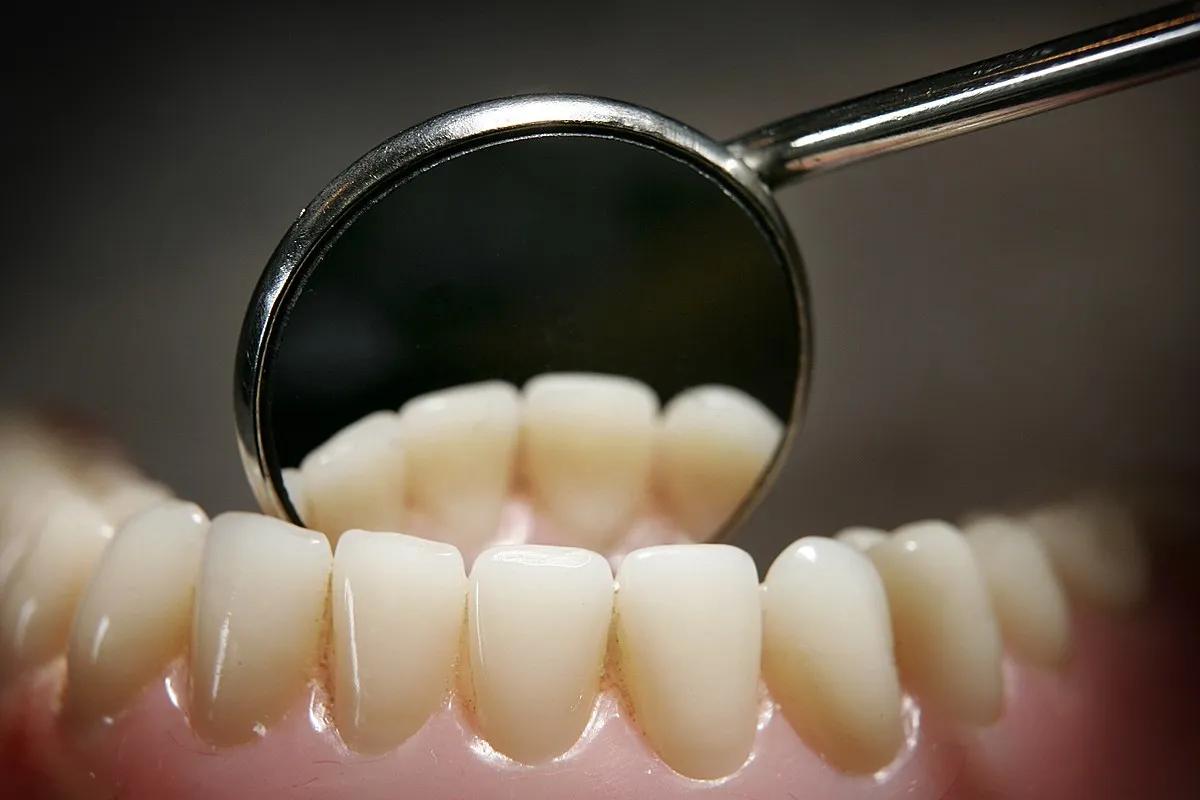
Understanding Teeth Whitening and Enamel
Teeth whitening is a popular cosmetic procedure that aims to lighten the shade of your teeth, enhancing your smile and boosting confidence. However, concerns often arise regarding its impact on the health of your teeth, particularly on the protective outer layer known as enamel. This article delves into the intricacies of teeth whitening, exploring its effects on enamel, the different methods available, and how to ensure the safety of your teeth throughout the process. We will address the common question Does teeth whitening weaken enamel? and provide a comprehensive understanding of the topic.
What is Tooth Enamel?
Tooth enamel is the hardest, most mineralized substance in the human body, forming the outermost layer of your teeth. It primarily consists of calcium phosphate, which gives it its incredible strength and resilience. Enamel acts as a protective shield, guarding the sensitive inner layers of the tooth, such as dentin and the pulp, from damage caused by bacteria, acids, and physical wear. Its translucent nature also allows the underlying dentin to show through, contributing to the overall color of your teeth. Maintaining the integrity of your enamel is crucial for long-term oral health and preventing issues like cavities and sensitivity. (tooth-enamel-anatomy.webp)
The Role of Enamel in Oral Health

Enamel plays a pivotal role in maintaining overall oral health. It provides a robust barrier against the constant barrage of bacteria and acids present in your mouth, which are the primary culprits behind tooth decay. The smooth surface of enamel also makes it easier to clean and reduces the likelihood of plaque and tartar buildup. Furthermore, enamel helps regulate the temperature within your teeth, preventing extreme sensitivity to hot or cold foods and drinks. Without healthy enamel, your teeth become more susceptible to damage, decay, and ultimately, tooth loss. Proper care and protection of enamel are therefore essential for a healthy, long-lasting smile.
How Teeth Whitening Works
Teeth whitening procedures typically involve the use of bleaching agents, such as hydrogen peroxide or carbamide peroxide, which penetrate the enamel and break down the stain molecules that cause discoloration. These stains can be caused by various factors, including food, drinks (coffee, tea, red wine), tobacco use, and aging. The bleaching agents release oxygen radicals that oxidize the stain molecules, breaking them into smaller, less noticeable components, thus lightening the overall color of the teeth. The effectiveness of whitening depends on the concentration of the bleaching agent, the duration of the treatment, and the type of stains present. (teeth-whitening-overview.webp)
The Chemistry of Whitening Agents
The active ingredient in most teeth whitening products is hydrogen peroxide or carbamide peroxide, which breaks down into hydrogen peroxide when it comes into contact with water. Hydrogen peroxide acts as an oxidizing agent, meaning it donates oxygen atoms to stain molecules. These oxygen atoms break the bonds of the stain molecules, causing them to become less visible and, thus, whitening the teeth. The concentration of the peroxide determines the speed and intensity of the whitening process. Higher concentrations used in professional treatments can produce quicker results, but also pose a higher risk of enamel sensitivity and potential damage. (whitening-agents.webp)
Common Teeth Whitening Methods

Teeth whitening methods vary in their approach and intensity, catering to different needs and preferences. They can generally be categorized into in-office procedures and at-home treatments. Each method utilizes different concentrations of bleaching agents and application techniques. Understanding these differences is crucial for making an informed decision about which method is best for you, taking into account both the desired results and the potential risks involved. The choice often depends on the severity of the discoloration, the desired level of whitening, and the patient’s overall oral health. Here’s an overview:
In-Office Whitening Procedures
In-office whitening, also known as professional teeth whitening, is performed by a dentist in a controlled clinical setting. This method typically involves the use of a high concentration of hydrogen peroxide, which is applied to the teeth. A special light or laser may be used to accelerate the whitening process. In-office procedures often provide dramatic results in a single visit, making them a popular choice for those seeking immediate improvement. The dentist can also monitor the process and take measures to minimize any potential side effects, such as sensitivity. (in-office-whitening.webp)
At-Home Whitening Kits
At-home whitening kits are readily available over the counter or can be prescribed by a dentist. These kits typically include whitening strips, trays with whitening gel, or whitening toothpastes. The concentration of hydrogen peroxide in at-home products is generally lower than in-office treatments, leading to a slower but often gentler whitening experience. At-home methods require consistent use over several days or weeks to achieve noticeable results. It’s essential to follow the instructions carefully and to consult with a dentist before starting any at-home whitening treatment, especially if you have existing dental issues. (at-home-whitening.webp)
Does Teeth Whitening Weaken Enamel?

The primary concern surrounding teeth whitening is its potential effect on tooth enamel. While teeth whitening is generally considered safe, it’s essential to understand that the bleaching agents can have some impact on the enamel structure. High concentrations of hydrogen peroxide, used in some professional treatments, can temporarily dehydrate the enamel and make it more porous. This can lead to increased sensitivity and potentially make the teeth more susceptible to staining. However, most studies show that these effects are usually temporary, and the enamel can remineralize over time with proper care. The key is to choose a method that minimizes risk and follow the dentist’s instructions carefully.
The Impact of Whitening Agents on Enamel
Whitening agents can affect enamel in several ways. Hydrogen peroxide, the active ingredient, can cause slight demineralization, meaning the loss of minerals from the enamel surface. This can make the teeth temporarily more porous and increase sensitivity. However, the extent of this effect depends on the concentration of the bleaching agent, the duration of the treatment, and the individual’s oral health. Some studies suggest that certain whitening products can also lead to changes in the enamel’s surface structure, although these changes are often microscopic and reversible. Overall, the impact is usually minimal if the procedure is done correctly and under professional supervision.
Scientific Studies and Findings
Numerous scientific studies have investigated the effects of teeth whitening on enamel. Many studies suggest that while some changes to the enamel surface may occur, they are often temporary and reversible. Research has shown that enamel can remineralize over time, restoring its strength and integrity. Studies on different whitening methods, concentrations, and application durations provide valuable insights into the safety and efficacy of teeth whitening. Overall, the consensus is that teeth whitening is generally safe when performed under the guidance of a dental professional and with appropriate precautions. However, it’s crucial to stay informed about the latest research and consult with your dentist to address any concerns.
Factors Affecting Enamel Erosion

Several factors can influence the potential for enamel erosion during teeth whitening. The concentration of hydrogen peroxide is a significant factor, with higher concentrations potentially causing more significant changes to the enamel. The duration of the whitening treatment also plays a role; longer treatments may increase the risk. Individual factors, such as the thickness and mineral composition of the enamel, can also affect the teeth’s susceptibility. Moreover, the presence of existing dental issues, like cavities or enamel erosion from other causes (acidic foods/drinks, etc.), can make teeth more vulnerable to the effects of whitening agents. Proper oral hygiene practices, including the use of fluoride toothpaste, can help to strengthen enamel and minimize any potential damage.
Protecting Your Enamel During Whitening
There are several measures you can take to protect your enamel during teeth whitening. Choosing a whitening method recommended by your dentist is a crucial step. They can assess your oral health and determine the most appropriate and safest treatment option. Using a toothpaste that contains fluoride can help remineralize and strengthen your enamel. Following the instructions carefully and not exceeding the recommended treatment duration is also essential. Avoiding acidic foods and drinks during and immediately after whitening can help to minimize enamel erosion. Additionally, using desensitizing toothpaste can help alleviate any temporary sensitivity. (enamel-protection.webp)
Choosing the Right Whitening Method
The best whitening method depends on your individual needs and oral health. Consulting with your dentist is the first and most important step in selecting the right approach. They can assess your teeth and recommend the safest and most effective option for you. If you have sensitive teeth or a history of enamel erosion, they may recommend a lower concentration of hydrogen peroxide or a shorter treatment duration. Consider the level of whitening you desire and your time constraints. In-office whitening offers quick results, while at-home kits provide more gradual but potentially gentler whitening. The choice should always prioritize the health and safety of your enamel.
Pre-Whitening Dental Checkups

Before undergoing teeth whitening, a dental checkup is essential. Your dentist will examine your teeth and gums to ensure they are healthy and free from any underlying issues, such as cavities or gum disease. They can also assess the thickness and condition of your enamel. Addressing any existing dental problems before whitening is important because the whitening agents can exacerbate them. Your dentist can also provide personalized advice on the best whitening method for your specific situation, minimizing potential risks. A professional cleaning is often recommended before whitening to remove any plaque or surface stains that might interfere with the process. (dental-checkup.webp)
Post-Whitening Care and Maintenance
After teeth whitening, proper care is crucial to maintain your results and protect your enamel. Avoid consuming highly staining foods and drinks, such as coffee, tea, red wine, and berries, for at least a few days after the treatment. Use a fluoride toothpaste to help remineralize your enamel and reduce sensitivity. Practice good oral hygiene habits, including brushing twice a day and flossing daily. Consider using a whitening toothpaste or mouthwash to maintain your brighter smile, but always consult with your dentist first. Regular dental checkups and cleanings are essential for monitoring your oral health and addressing any potential issues.
Alternative Teeth Whitening Options
If you’re looking for alternatives to traditional teeth whitening methods, there are several options to consider. These include natural whitening methods and professional dental cleaning. Natural methods often involve using ingredients like baking soda or activated charcoal, but their effectiveness can vary, and some can be abrasive to enamel. Professional dental cleaning, or prophylaxis, performed by a dentist or hygienist, removes surface stains and plaque, making your teeth appear brighter. The best alternative depends on your specific needs and desired results; consulting with your dentist can help you make an informed decision.
Natural Whitening Methods

Natural teeth whitening methods utilize ingredients found in nature to remove stains and brighten teeth. These methods typically involve using substances like baking soda, activated charcoal, or certain fruits. Baking soda can act as a mild abrasive, helping to scrub away surface stains. Activated charcoal is believed to absorb stains and impurities. Some fruits, like strawberries, contain malic acid, which may help whiten teeth. However, the effectiveness of natural methods can vary, and some can be abrasive and potentially harmful to enamel if used incorrectly. It’s crucial to research and consult with your dentist before trying any natural whitening method.
Professional Dental Cleaning
Professional dental cleaning, performed by a dentist or dental hygienist, is a crucial part of maintaining good oral hygiene and can also improve the brightness of your smile. During a cleaning, the dental professional removes plaque and tartar buildup, which can trap stains and dull the appearance of your teeth. Polishing the teeth after cleaning removes surface stains and leaves a smoother surface, making the teeth appear brighter. Regular professional cleanings are an essential part of preventative dental care and can contribute to a healthier and more radiant smile. Your dentist or hygienist can also provide personalized advice on oral hygiene practices to help keep your teeth clean and bright.
Conclusion
While teeth whitening can have a temporary impact on enamel, causing some degree of porosity and potential sensitivity, the risks are generally minimal when the procedure is performed by a dental professional and proper precautions are taken. The key is to understand the process, choose the right method for your needs, and follow your dentist’s instructions carefully. Protecting your enamel through proper oral hygiene practices, pre- and post-whitening care, and regular dental checkups is essential. By taking these steps, you can enjoy a brighter smile while maintaining the health and integrity of your enamel for years to come. Remember to always consult with your dentist to ensure the best approach for your unique needs.