Understanding Teeth Whitening at the Dentist
Embarking on a journey to a brighter smile often begins with understanding the various options available. Teeth whitening at the dentist’s office has become increasingly popular, offering a safe and effective way to combat tooth discoloration and enhance your overall appearance. This process goes beyond mere aesthetics; it boosts confidence and contributes significantly to oral health. Professional teeth whitening, provided by a dentist, ensures that the procedure is carried out with expertise, using advanced techniques and materials designed to deliver optimal results. Considering the vast array of methods available, gaining insight into the process empowers you to make informed decisions, paving the way for a radiant, healthy smile.
What is Professional Teeth Whitening?
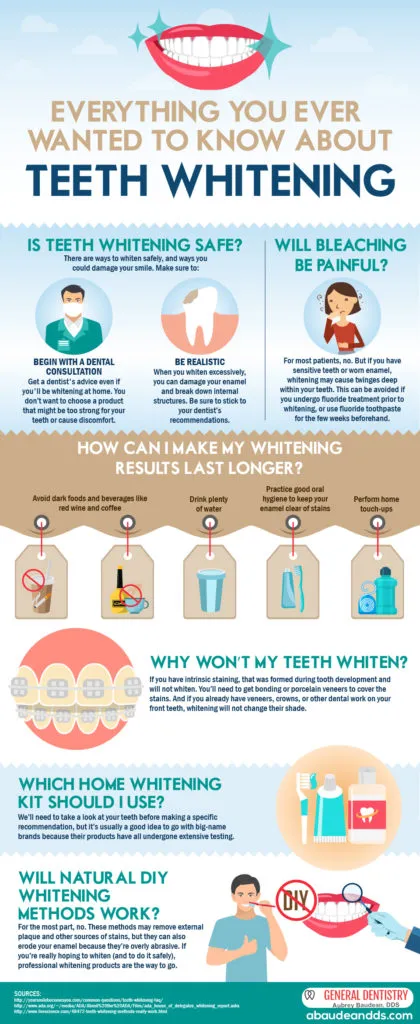
Professional teeth whitening, also known as dental bleaching, is a cosmetic dental procedure designed to lighten the shade of your teeth. Unlike over-the-counter products, this method is administered and supervised by a dental professional, ensuring both safety and efficacy. The process typically involves the application of a concentrated bleaching agent, usually hydrogen peroxide or carbamide peroxide, to the teeth. This agent breaks down stains and discoloration, lifting them from the enamel. Dentists have access to stronger whitening solutions and specialized equipment, which can produce dramatically brighter results in a shorter amount of time. Moreover, professional whitening includes a comprehensive oral examination to identify and address any underlying issues that could affect the outcome.
Types of Teeth Whitening Procedures

Professional teeth whitening procedures can be broadly categorized into two main types in-office and take-home whitening kits, both offered by your dentist. Each method comes with its own set of advantages and is suited for different needs and lifestyles. Your dentist assesses your oral health and discusses your goals to determine the best option for you. Understanding the differences between these procedures empowers you to make an informed decision that aligns with your expectations and dental health requirements. Your dentist will help you select the procedure that best suits your needs.
In-Office Whitening
In-office whitening, also known as chair-side bleaching, is a procedure performed entirely in your dentist’s office. This method typically involves applying a high-concentration bleaching agent to your teeth, which is then activated using a special light or laser. The entire process, including preparation, application, and aftercare instructions, usually takes about an hour. This is ideal for those seeking immediate results and a more intensive treatment. The dentist protects your gums and soft tissues before applying the whitening agent. The treatment usually involves multiple applications of the bleaching agent, and the results are visible immediately after the procedure. This can give a noticeable improvement in the shade of your teeth.
Take-Home Whitening Kits
Take-home whitening kits are custom-fitted trays provided by your dentist, along with a bleaching gel that you apply at home. The dentist will first take impressions of your teeth to create these trays, ensuring a comfortable and precise fit. You’ll then fill the trays with the whitening gel and wear them for a specified amount of time each day, as directed by your dentist. This method offers greater flexibility, allowing you to whiten your teeth at your convenience. The strength of the bleaching agent in take-home kits is usually lower than in-office treatments, making them a gentler option. Results may take longer to appear, but this approach can be very effective for a gradual and natural-looking whitening effect. Your dentist will monitor your progress and provide guidance throughout the process.
Benefits of Choosing a Dentist

Opting for professional teeth whitening offers several benefits that over-the-counter methods cannot match. Dentists possess the knowledge, experience, and resources to ensure the procedure is safe and effective. They can assess your oral health, identify any underlying issues like cavities or gum disease, and address them before starting the whitening process. Furthermore, dentists use stronger whitening agents, leading to more dramatic results in a shorter time. Choosing a dentist provides you with personalized care and guidance throughout the process. This personalized approach ensures that the treatment aligns with your unique needs and goals, resulting in a healthier and brighter smile. A dentist can also manage any potential side effects, like tooth sensitivity, with appropriate treatments and advice.
Safety and Effectiveness
Safety and effectiveness are paramount when it comes to teeth whitening, and professional procedures provided by a dentist offer both. Dentists are trained to use whitening agents safely, protecting your gums and soft tissues from irritation. They can also monitor for any adverse reactions, such as tooth sensitivity, and provide appropriate solutions. Professional whitening treatments utilize effective agents, resulting in noticeable and lasting improvements to your smile. The controlled environment of a dental office ensures that the treatment is carried out with precision and expertise. Dentists’ understanding of dental anatomy and physiology allows them to deliver optimal results. They also provide post-whitening care advice to ensure the longevity of the results.
Personalized Treatment Plans
Every mouth is unique, and a dentist understands that. Professional teeth whitening starts with a thorough examination of your teeth and gums. The dentist assesses your oral health and determines the best whitening method for your specific needs. They consider factors such as the type and extent of staining, your desired level of whitening, and any existing dental work. Based on this assessment, the dentist creates a personalized treatment plan. This plan includes the choice of whitening procedure, the concentration of the bleaching agent, and the duration of treatment. Personalized treatment plans maximize the effectiveness of the whitening process and minimize any potential risks. They also ensure that you achieve the best possible outcome for your smile.
Addressing Discoloration Causes

Understanding the causes of tooth discoloration is crucial to making informed decisions about teeth whitening. Stains can originate from various sources, including dietary habits, lifestyle choices, and even genetics. Identifying the underlying causes can help you choose the most appropriate whitening method and make lifestyle adjustments to maintain your bright smile. Your dentist can provide valuable insights into the causes of your specific tooth discoloration. This information will help you manage and prevent future staining, ensuring a long-lasting, radiant smile.
Common Causes of Tooth Discoloration
Tooth discoloration can occur due to a variety of factors. Extrinsic stains affect the tooth surface and can be caused by the consumption of staining foods and beverages, such as coffee, tea, and red wine. Intrinsic stains, on the other hand, originate from within the tooth structure. These can be caused by factors like aging, genetics, certain medications, and trauma to the teeth. Understanding the type of staining you have is essential, as different types of stains respond differently to whitening treatments. Your dentist can help you identify the specific causes of your discoloration and recommend the most effective solutions. Identifying the source of discoloration can also prevent further staining.
Foods and Drinks
Certain foods and beverages are notorious for staining teeth. Coffee, tea, and red wine are common culprits due to their high concentration of tannins, which can bind to the tooth enamel and cause discoloration. Dark-colored soft drinks and fruit juices can also contribute to staining. Consuming these items frequently can significantly affect the brightness of your smile. Eating foods with bright colors like berries or curries can also lead to stains. After professional teeth whitening, it is important to limit the intake of these items for a period. You can protect your teeth from staining by practicing good oral hygiene, including brushing and flossing after meals, and rinsing your mouth with water.
Smoking and Tobacco Use

Smoking and the use of other tobacco products are significant contributors to tooth discoloration. The nicotine and tar present in tobacco leave yellowish or brownish stains on the teeth. These stains are difficult to remove and can lead to a dull, unattractive smile. Additionally, smoking and tobacco use can also increase the risk of other dental problems, such as gum disease and tooth loss. If you are a smoker, quitting is the best way to prevent and reverse tobacco-related staining. Your dentist can provide you with guidance and resources to help you quit smoking, improving both your oral health and overall well-being. Quitting smoking is essential not only for the appearance of your teeth but also for your overall health.
Aging and Genetics
Aging and genetics also play a role in tooth discoloration. As we age, the enamel on our teeth naturally thins, revealing more of the underlying dentin, which has a yellowish hue. Genetic factors can also influence the color and thickness of your tooth enamel. Some individuals may be predisposed to having naturally darker teeth. Furthermore, genetics can affect the tooth’s response to whitening treatments. While you cannot change your genes, understanding these factors can help you manage your expectations regarding whitening results. Regular dental check-ups and professional whitening treatments can help you maintain a brighter smile, regardless of age or genetics. Your dentist can offer personalized advice on achieving and maintaining the best possible results.
Maintaining Your Bright Smile
Maintaining your bright, white smile after professional teeth whitening requires consistent care and attention. A combination of good oral hygiene practices and mindful lifestyle choices will help you preserve the results and prevent future discoloration. Understanding and following your dentist’s recommendations will ensure that you enjoy your beautiful, radiant smile for a long time. Making small changes to your daily routine can make a big difference in the longevity of your whitening results. Be proactive in your oral care and lifestyle habits to keep your smile looking its best.
Post-Whitening Care

Following your dentist’s post-whitening care instructions is essential for preserving your bright smile. The dentist will typically recommend avoiding highly pigmented foods and drinks for the first few days after treatment. This is because your teeth are more susceptible to staining immediately after whitening. They may also suggest using a desensitizing toothpaste to minimize any sensitivity. Regularly brushing, flossing, and attending dental check-ups will help maintain your results. Your dentist will provide you with detailed instructions tailored to your specific treatment and needs. Adhering to these guidelines is crucial for getting the most out of your teeth whitening procedure and keeping your smile vibrant.
Oral Hygiene Practices
Good oral hygiene is fundamental in preserving your bright smile. Brushing your teeth twice daily with fluoride toothpaste, flossing once a day, and using an antibacterial mouthwash are essential. These practices help remove plaque, bacteria, and surface stains that can dull your teeth. Regular dental check-ups and professional cleanings are also crucial. Your dentist can remove any stubborn stains and plaque that you might miss at home. They can also detect and address any potential problems early, preventing further discoloration. Consistent oral hygiene not only keeps your teeth white but also promotes overall dental health.
Avoiding Staining Foods and Drinks
To maintain your bright smile, be mindful of your diet and lifestyle. Limit your intake of staining foods and drinks, such as coffee, tea, red wine, and dark-colored soft drinks. If you consume these items, consider rinsing your mouth with water or brushing your teeth shortly afterward. Smoking and using tobacco products will significantly stain your teeth, so quitting these habits is beneficial. Be aware of any potential staining ingredients in your favorite foods and beverages. Making informed choices about your diet and lifestyle can prevent future discoloration and extend the lifespan of your whitening results. Your dentist can provide helpful advice on minimizing your intake of staining substances.