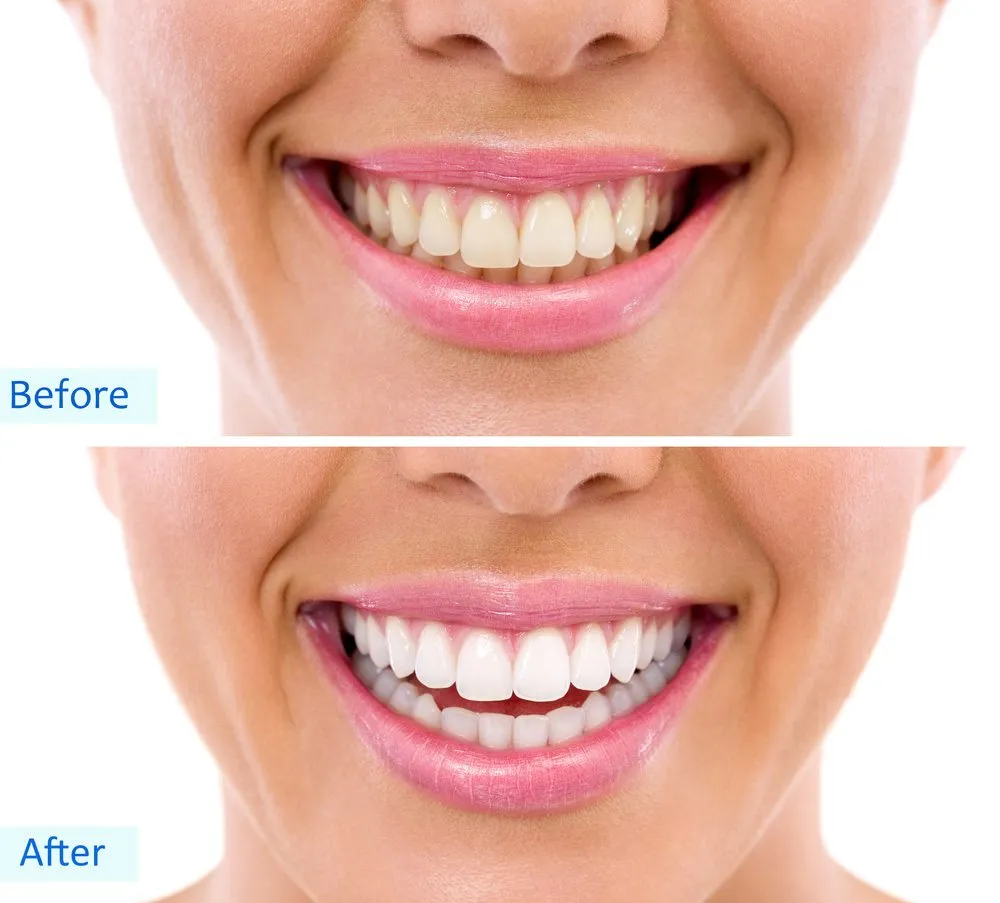
What is Teeth Whitening
Teeth whitening, also known as teeth bleaching, is a cosmetic dental procedure designed to lighten the color of your teeth. The process involves removing stains and discoloration, resulting in a brighter and more aesthetically pleasing smile. Stains can be caused by various factors, including the consumption of staining foods and drinks like coffee, tea, and red wine, as well as tobacco use. Furthermore, the natural aging process can cause teeth to darken over time. Teeth whitening treatments use bleaching agents to break down these stains and restore your teeth’s natural whiteness. There are numerous options available, ranging from professional treatments at a dentist’s office to over-the-counter products designed for at-home use. The effectiveness and cost of each method vary, and this guide aims to provide comprehensive information to help you make an informed decision about the best teeth whitening option for you.
Types of Teeth Whitening Treatments
There are two primary categories of teeth whitening treatments professional treatments performed by a dentist and at-home treatments. Each category offers different methods, levels of effectiveness, and associated costs. Understanding the options available is crucial in selecting the most suitable treatment for your needs. Professional treatments typically offer faster and more dramatic results due to the higher concentrations of bleaching agents used and the expertise of dental professionals. At-home options, such as whitening strips and trays, are more affordable and convenient, but they may take longer to achieve noticeable results. Both methods utilize different types of bleaching agents, primarily hydrogen peroxide or carbamide peroxide, which work by oxidizing the stains on your teeth. Let’s delve into the specifics of each of these treatment types.
In-Office Teeth Whitening Treatments

In-office teeth whitening, also known as professional teeth whitening, is performed by a dentist in a clinic setting. This method provides the most effective and immediate results, often lightening teeth several shades in a single session. The process typically involves the dentist applying a high-concentration bleaching agent to the teeth, followed by the use of a special light or laser to accelerate the whitening process. The entire procedure usually takes about an hour to an hour and a half. One of the primary advantages of in-office whitening is the control and safety provided by a dental professional, who can monitor the process and minimize any potential side effects, such as tooth sensitivity. Furthermore, professional treatments can address more severe staining and discoloration compared to at-home options. However, the higher cost is a significant factor to consider.
Professional Teeth Whitening Cost
The cost of professional teeth whitening can vary significantly depending on several factors. Generally, you can expect to pay a few hundred dollars, but the actual amount depends on your geographic location, the dentist’s experience and reputation, and the specific whitening procedure used. In-office treatments are typically more expensive than at-home options due to the expertise required, the use of advanced technology, and the higher concentration of bleaching agents. Costs can range from $500 to $1,000 or more. Some dental practices offer package deals that include pre-whitening checkups and post-whitening care. While the initial investment may seem high, the immediate and dramatic results, along with the safety and supervision provided by a dentist, make professional teeth whitening a popular choice for many. Be sure to ask your dentist for a detailed cost breakdown, including any potential follow-up appointments or maintenance treatments.
At-Home Teeth Whitening Options
At-home teeth whitening offers a more affordable and convenient alternative to professional treatments. Several options are available, including over-the-counter products like whitening strips, trays, and toothpastes, as well as custom-fitted trays provided by your dentist. These methods typically use lower concentrations of bleaching agents, resulting in a gradual whitening process. The primary advantage of at-home treatments is their affordability and accessibility. They allow you to whiten your teeth in the comfort of your own home, fitting into your daily routine without requiring a dental visit. However, at-home options may take longer to achieve the desired results, and the effectiveness can vary depending on the product and the severity of your stains. It’s essential to follow the instructions carefully to ensure the safe and effective use of these products.
Over-the-Counter Whitening Products

Over-the-counter (OTC) teeth whitening products are readily available at most drugstores and supermarkets. These include whitening strips, trays with bleaching gels, and whitening toothpastes. Whitening strips are a popular choice; they are thin, flexible strips coated with a peroxide-based bleaching agent that you apply directly to your teeth. Whitening trays typically involve filling a tray with a whitening gel and wearing it for a specified time. Whitening toothpastes contain mild abrasives and chemicals that help remove surface stains, but they are less effective for deeper discoloration. OTC products are generally the most affordable option, with prices ranging from $20 to $100. The results, however, are often less dramatic and may take several weeks to become noticeable. It is crucial to read and follow the instructions carefully to minimize the risk of tooth sensitivity or gum irritation.
Teeth Whitening Cost at Home
The cost of at-home teeth whitening varies depending on the specific product you choose. Whitening strips and OTC trays typically cost between $20 and $100. Custom-fitted trays, provided by your dentist, can range from $100 to $400, as they require a dental impression for a perfect fit. Whitening toothpastes are the most affordable option, usually costing between $5 and $15. While at-home treatments are significantly cheaper than in-office whitening, the total cost can increase if you need to purchase multiple products or continue treatment over several weeks to achieve your desired results. Moreover, the lower concentration of bleaching agents means that the whitening effect may be less pronounced and may not last as long as professional treatments. Always consider the long-term cost, including the potential need for maintenance treatments, when comparing at-home and professional options.
Factors That Influence Teeth Whitening Cost
Several factors can affect the cost of teeth whitening, regardless of whether you opt for an in-office or at-home treatment. Understanding these factors can help you make an informed decision and budget accordingly. These include the geographic location of the dental practice or the store where you purchase the product, the dentist’s reputation and expertise, and the specific type of whitening treatment you choose. Additionally, the presence of dental insurance and the severity of your tooth discoloration can impact the final cost. Being aware of these elements will allow you to compare different options and select the most cost-effective and suitable treatment for your needs.
Geographic Location

The cost of teeth whitening can vary significantly depending on your geographic location. Dental service costs, like other services, are influenced by the local cost of living, overhead expenses, and the demand for dental care in the area. For instance, teeth whitening treatments tend to be more expensive in major metropolitan areas, where the cost of running a dental practice, including rent and staff salaries, is higher. Conversely, in rural areas or smaller towns, the cost may be lower. Researching local dental practices and comparing prices can help you find the most affordable options in your area. Also, consider whether it is worthwhile to travel to a nearby city or town with lower costs to save on the treatment. Remember to factor in travel expenses and time when making your decision.
The Dentist’s Reputation
A dentist’s reputation and experience can also influence the cost of teeth whitening. Dentists with a strong reputation, extensive experience, and specialized training in cosmetic dentistry may charge more for their services. This is often because they have invested in advanced technology, have a highly skilled team, and can provide a higher level of care and results. While the initial cost may be higher, choosing a reputable dentist can offer benefits, such as a more thorough consultation, personalized treatment plans, and a reduced risk of complications. Furthermore, a skilled dentist may be able to achieve better and more consistent results, ensuring your investment is worthwhile. Researching and reading reviews of local dentists can help you find the right balance between cost and quality of care.
The Type of Whitening Treatment
The specific type of teeth whitening treatment you choose significantly impacts the cost. In-office treatments are generally more expensive than at-home options, mainly due to the expertise required, the use of advanced technology, and the higher concentration of bleaching agents. Within the in-office category, different procedures, such as laser whitening or treatments with specialized light systems, can have varying costs. For at-home treatments, the cost varies depending on the product. Over-the-counter products like whitening strips and toothpastes are the most affordable, while custom-fitted trays provided by your dentist tend to be pricier. The choice of treatment method should be based on your budget, desired results, and the severity of your tooth discoloration. Remember to consider the long-term cost and the potential need for maintenance treatments when comparing different options.
Dental Insurance and Teeth Whitening

Dental insurance typically does not cover teeth whitening, as it is considered a cosmetic procedure. Most insurance plans focus on medically necessary treatments, such as fillings, root canals, and other procedures that address dental health issues. However, some dental insurance plans may offer a discount on cosmetic procedures. It is essential to check with your insurance provider to understand your plan’s specific coverage. Some dental offices may offer financing options or payment plans to make teeth whitening more affordable. You may also explore dental discount plans or other alternatives that provide reduced fees for various dental services, including teeth whitening. Be sure to ask your dentist or insurance provider about available payment options to help you manage the cost of the treatment.
Is Teeth Whitening Worth the Cost
Whether teeth whitening is worth the cost is a personal decision. The value of teeth whitening depends on your individual needs, aesthetic goals, and budget. If you have significant tooth discoloration and are seeking a brighter, more confident smile, teeth whitening can be a worthwhile investment. The benefits include improved self-esteem, enhanced social interactions, and a more youthful appearance. However, it’s important to consider the cost of the treatment, the potential for sensitivity, and the need for maintenance. If you have a limited budget, at-home options or less expensive treatments may be a better choice. If you prioritize quick results and are willing to spend more, in-office treatments are likely the best option. Discussing your options with your dentist will help you determine the best approach based on your specific circumstances.
Alternatives to Teeth Whitening
If teeth whitening is not feasible or desired, several alternatives can improve the appearance of your smile. Professional teeth cleaning by a dentist can remove surface stains and reveal a brighter smile. Dental veneers are custom-made shells that cover the front surface of the teeth, providing a dramatic and lasting improvement in color and shape. Dental bonding is another option; it involves applying a tooth-colored resin to the teeth and shaping it to improve appearance. Additionally, improving your oral hygiene habits, such as brushing twice daily, flossing regularly, and using mouthwash, can help maintain a brighter smile and prevent further staining. The choice of alternative treatments depends on your specific needs, the degree of discoloration, and your budget. Consulting with a dentist will help you to determine the best alternative.
Maintaining Your White Smile

Maintaining your white smile after teeth whitening requires consistent care and attention. Regular brushing and flossing are essential to remove plaque and prevent staining. Using a whitening toothpaste can help maintain brightness, but it’s essential to use it as directed to avoid tooth sensitivity. Avoiding staining foods and drinks, such as coffee, tea, red wine, and dark berries, can also extend the life of your whitening treatment. If you consume these items, rinsing your mouth with water immediately afterward can help minimize staining. Regular dental checkups and professional cleanings are crucial for removing surface stains and keeping your teeth healthy and bright. Your dentist may also recommend touch-up treatments or at-home maintenance products to maintain your desired shade.
Tips for Teeth Whitening Aftercare
Proper aftercare is essential to maximize the results of your teeth whitening treatment and minimize potential side effects. It is important to avoid consuming staining foods and drinks, especially in the first few days after the treatment. This includes coffee, tea, red wine, dark sodas, and highly pigmented fruits and vegetables. Using a straw when drinking can help reduce contact between the staining substances and your teeth. If you experience tooth sensitivity, use a desensitizing toothpaste, and avoid overly hot or cold foods and drinks. Maintain a rigorous oral hygiene routine, including brushing twice a day with a soft-bristled brush and flossing daily. Consider using a whitening toothpaste and attending regular dental checkups for professional cleanings. Following these aftercare tips will help you enjoy a brighter smile for a more extended period.