What is Activated Charcoal and How Does It Work?
Activated charcoal has become a popular ingredient in teeth whitening products, but what exactly is it, and how does it work? Activated charcoal is a fine, black powder made from various materials, such as coconut shells, wood, or peat. It undergoes a special process called activation, where it’s exposed to high heat and steam to create a porous structure. This porous nature is key to its effectiveness. The tiny pores increase the surface area of the charcoal, allowing it to trap and absorb substances. In the context of teeth whitening, activated charcoal is believed to work by adsorbing stains and impurities from the surface of the teeth. Unlike absorption, which involves a substance being taken into another, adsorption means that substances stick to the surface. This means that the charcoal can help remove stains caused by coffee, tea, wine, and other foods, potentially leading to a brighter smile. However, it is important to note that the scientific evidence supporting these claims is still emerging, and more research is needed to fully understand the effectiveness of activated charcoal for teeth whitening. There are many studies that you can look to and they are readily available for review and you will want to do your own research.
Understanding the Benefits of Charcoal for Teeth Whitening
The purported benefits of activated charcoal for teeth whitening have fueled its popularity. Many users report noticeable improvements in the brightness of their teeth after using charcoal-based products. The main advantage lies in its ability to adsorb surface stains. This can be especially helpful for individuals who consume staining foods and drinks regularly. Furthermore, activated charcoal is often promoted as a natural alternative to chemical-based whitening treatments. This appeals to those seeking a more holistic and less invasive approach to oral care. Beyond whitening, some proponents claim that activated charcoal can help freshen breath and remove toxins from the mouth. However, it’s crucial to approach these claims with a critical eye. While activated charcoal might offer some cosmetic benefits, it’s not a substitute for professional dental care. It’s important to temper your expectations, and consider all the pros and cons. Remember to do your own research.
The Science Behind Activated Charcoal

While the concept of using activated charcoal for teeth whitening is appealing, it’s important to delve into the science behind it. The primary mechanism of action is adsorption. The porous structure of activated charcoal allows it to trap and hold onto stain-causing molecules and other impurities. When you brush with activated charcoal, these adsorbed substances are then removed from the surface of your teeth. However, the scientific evidence supporting the effectiveness of activated charcoal for teeth whitening is still limited. Some studies suggest that it can remove surface stains and improve tooth brightness, while others show minimal or no effect. Furthermore, the abrasive nature of charcoal could potentially erode tooth enamel over time, making teeth more susceptible to cavities and sensitivity. There is a lack of substantial, conclusive scientific evidence that supports the claims of significant whitening effects. Many people use charcoal without problems, but you need to decide for yourself.
Preparing Your Teeth for Charcoal Treatment
Before you begin using activated charcoal for teeth whitening, it’s essential to prepare your teeth. Start by ensuring your oral hygiene routine is already in good condition. This includes brushing your teeth twice a day with a regular fluoride toothpaste and flossing daily. Make sure there are no significant dental issues, such as cavities or gum disease. If you have any existing dental problems, it is always a good idea to consult your dentist before trying any new whitening methods. Your dentist can assess the condition of your teeth and gums and provide personalized recommendations. If you have sensitive teeth, consider using a toothpaste designed for sensitivity a few weeks before starting charcoal treatment. This can help minimize any discomfort during the whitening process. Preparing your teeth properly sets the foundation for a safe and potentially effective teeth whitening experience.
Choosing the Right Activated Charcoal Product
The market offers a variety of activated charcoal products for teeth whitening, so selecting the right one is essential. Activated charcoal is available in powder form, toothpaste, and even mouthwash. When choosing a product, consider the ingredient list. Look for products that contain high-quality activated charcoal derived from safe sources, such as coconut shells. Avoid products with added chemicals, artificial flavors, or harsh abrasives. Some charcoal toothpastes include additional ingredients like fluoride, which is beneficial for preventing cavities, and other natural ingredients like tea tree oil. The choice between powder and toothpaste depends on your personal preference. Powder can be messier to use, but some people find it more effective. Charcoal toothpaste is generally easier to incorporate into your regular routine. Always read reviews and check the reputation of the brand before making a purchase. The correct choice ensures a safe and potentially effective teeth whitening experience.
Selecting the Right Charcoal Toothpaste

When selecting charcoal toothpaste, carefully review the product’s composition. Look for toothpaste with a relatively low Relative Dentin Abrasivity (RDA) value. RDA measures how abrasive a toothpaste is, and lower values are generally better for enamel health. Consider a toothpaste that contains fluoride, which helps protect against cavities. Ensure the charcoal is of high quality and sourced from a reputable supplier, such as coconut shells. Also, examine the other ingredients; avoid harsh chemicals, sulfates, and artificial colors or flavors. Some charcoal toothpastes contain essential oils, which can offer additional benefits like freshening breath. Read customer reviews to gauge the product’s effectiveness and any potential side effects. Always consult with your dentist to determine the best type of charcoal toothpaste for your specific oral health needs.
Homemade Charcoal Toothpaste Recipe
If you prefer a DIY approach, you can make your own activated charcoal toothpaste at home. The basic recipe typically includes activated charcoal powder, baking soda, and coconut oil. Start with a small amount of activated charcoal powder, usually about half a teaspoon. Add an equal amount of baking soda, which can help with stain removal and freshening breath. Combine these ingredients with a teaspoon of coconut oil, which acts as a binder and provides a pleasant taste. Mix all the ingredients thoroughly until you get a smooth paste. You can also add a few drops of essential oils, such as peppermint or tea tree oil, for added flavor and antibacterial benefits. Remember that homemade toothpaste recipes can vary, and there’s no standardized formulation. Exercise caution if you have sensitive teeth. Making your own toothpaste allows you to control the ingredients, but it’s crucial to understand the potential risks and always brush gently.
Step-by-Step Guide: Using Charcoal for Teeth Whitening
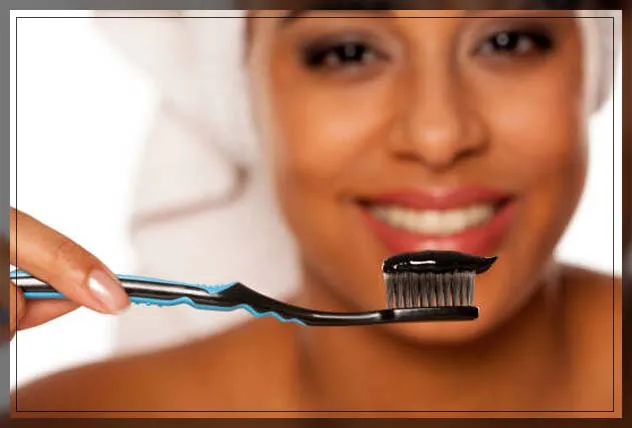
Using activated charcoal for teeth whitening requires following a specific process for optimal results. First, wet your toothbrush and dip it into the activated charcoal powder or apply a small amount of charcoal toothpaste. Brush your teeth gently for two minutes, using small circular motions. Make sure to cover all surfaces of your teeth, including the front, back, and chewing surfaces. Once you’ve brushed your teeth thoroughly, rinse your mouth with water until all the black residue is gone. The brushing process can be messy, so it is best to do it over the sink. For charcoal powder, it’s recommended to brush for a specific amount of time. Be sure to pay attention to your teeth and gums, and stop if you feel any sensitivity or discomfort. After rinsing, you can brush your teeth again with your regular fluoride toothpaste to remove any remaining charcoal particles and re-introduce fluoride to your teeth. Repeat this process once or twice a day, but don’t exceed this frequency.
How to Apply Charcoal Paste

Applying charcoal paste is straightforward. Wet your toothbrush and apply a small amount of the charcoal paste. The amount will depend on the size of your toothbrush, but generally, a pea-sized amount is sufficient. Avoid using too much, as excessive amounts can make the process messier. Gently place the brush against your teeth, ensuring that the paste covers all the surfaces. Be careful not to press too hard, as the abrasive nature of charcoal could potentially damage your enamel if you brush too aggressively. Once the paste is in place, you can begin brushing with small circular motions, focusing on each tooth for a few seconds. Make sure you brush every surface of your teeth. Don’t forget to brush along the gum line. Once you are finished brushing, rinse your mouth with water until all the residue is gone. Make sure that you also clean your sink and brush thoroughly to avoid any staining.
How to Brush with Charcoal
Brushing with activated charcoal requires a slightly different technique than using regular toothpaste. Use gentle, small, circular motions to brush each tooth. This helps to ensure that you are cleaning every surface without applying excessive pressure. Focus on the outer, inner, and chewing surfaces of your teeth. Make sure that you also brush along your gum line. Brushing too aggressively can wear down your enamel. Brush for approximately two minutes. Be patient and thorough, but don’t overdo it. After brushing, rinse your mouth thoroughly with water until all the black residue is gone. You might want to use a white washcloth to remove any remaining residue around your mouth and on your lips. It is recommended that you follow up with regular toothpaste to ensure fluoride exposure.
Whitening Charcoal: Before & After Results
The effectiveness of activated charcoal for teeth whitening varies from person to person. Some users report noticeable improvements in the brightness of their teeth after a few weeks of use. They often observe a reduction in surface stains and a brighter overall appearance. The results can be more pronounced if you have lighter stains. Before and after photos often showcase the potential impact of activated charcoal treatments. Others may not experience significant changes, especially if they have deep-set stains or underlying dental issues. Remember that activated charcoal is not a substitute for professional dental treatments, like in-office whitening or veneers. The success of charcoal whitening depends on the initial condition of your teeth, the type of stains present, and the consistency of your use. Always manage your expectations and be realistic about the potential outcomes.
Expected Results and Timeline

The expected results and timeline for teeth whitening with activated charcoal can vary based on individual factors. Some people might notice subtle improvements in tooth brightness within a few weeks of consistent use. However, significant whitening effects are usually not as dramatic as those achieved with professional treatments. The timeline also depends on your oral hygiene routine and the severity of your stains. Surface stains caused by coffee, tea, or wine may fade more quickly than deep-set stains. If you have deep-set stains or a history of dental problems, you might not see noticeable results. It’s essential to have realistic expectations and understand that activated charcoal is a gradual process. Don’t expect overnight results. It may take several weeks or months to see any visible changes in the brightness of your teeth. If you don’t see results, or if you’re unsure, it’s always best to consult your dentist for personalized advice.
What to Expect: Before and After Photos
Before and after photos provide visual evidence of the potential effects of activated charcoal on teeth whitening. These photos often show the gradual improvement in tooth brightness over time. Many users take photos before starting the charcoal treatment to track their progress. When reviewing before and after photos, it is important to understand that results can vary. The appearance of your teeth before and after will depend on various factors, including the initial condition of your teeth, the type of stains, and the consistency of your use. Some photos may depict dramatic changes, while others might show more subtle improvements. Always compare photos critically and consider the context. Some photos may be enhanced for marketing purposes, so you should not take them as a guarantee of results. If you’re considering taking your own photos, make sure to take the photos in consistent lighting conditions to accurately compare them.
Potential Risks and Side Effects of Charcoal Teeth Whitening
While activated charcoal is generally considered safe for short-term use, there are potential risks and side effects to consider. One of the primary concerns is the abrasive nature of charcoal. If used too aggressively, it can erode tooth enamel. This can lead to increased sensitivity, as well as increased susceptibility to cavities. Some people might experience gum irritation or inflammation. This can happen if the charcoal product is too abrasive or if the user brushes too vigorously. In rare cases, allergic reactions can occur. Always stop using activated charcoal if you experience any adverse reactions. Furthermore, activated charcoal is not a substitute for professional dental care. It may not effectively address deep-set stains or underlying dental issues. Always consult your dentist before trying any new teeth whitening methods.
Dental Health and Safety Guidelines

To ensure dental health and safety, adhere to the following guidelines. Always consult your dentist before starting any teeth whitening treatments, especially if you have existing dental issues or sensitive teeth. Use activated charcoal products sparingly, and follow the instructions on the product label carefully. Avoid brushing too aggressively, and use a soft-bristled toothbrush to minimize abrasion. Monitor your teeth for any signs of sensitivity, irritation, or discomfort. If you experience any adverse reactions, discontinue use and consult your dentist immediately. Remember that activated charcoal is not a substitute for professional dental care. Maintain a consistent oral hygiene routine that includes brushing with fluoride toothpaste, flossing, and regular dental checkups. By following these guidelines, you can minimize potential risks and promote oral health.
Consulting a Dentist Before Use
Before starting activated charcoal for teeth whitening, it’s essential to consult your dentist. Your dentist can assess the condition of your teeth and gums, identify any underlying dental issues, and provide personalized recommendations. They can determine whether activated charcoal is a suitable option for your specific needs. Your dentist will also advise you on the safe use of charcoal products and provide guidance on brushing techniques. If you have any dental problems, such as cavities, gum disease, or tooth sensitivity, your dentist can address these issues before you begin whitening. A dentist will recommend the best products and methods to use based on the health of your teeth. Remember, your dentist is the best source of information about your oral health. Always follow their recommendations to ensure the safety and effectiveness of your teeth whitening efforts.
Maintaining Your White Smile
After achieving a brighter smile with activated charcoal, it’s important to maintain your results. The steps you take can help prolong the effects of the treatment. Regularly brush your teeth with fluoride toothpaste twice a day, as this helps prevent stains from forming. Floss daily to remove plaque and food particles from between your teeth. Limit your consumption of staining foods and drinks. Avoid excessive consumption of coffee, tea, red wine, and other items that can discolor your teeth. Rinse your mouth with water after consuming stain-causing substances. Consider using a straw to drink beverages, as this can help minimize contact with your teeth. Schedule regular dental checkups and cleanings. Your dentist can provide professional cleaning and remove any surface stains.
Tips to Keep Your Teeth Bright

To keep your teeth bright, adopt these habits. Maintain a consistent oral hygiene routine that includes brushing and flossing. Brush your teeth gently with a soft-bristled toothbrush to avoid enamel abrasion. Floss every day to remove food particles and plaque from between your teeth. Use a whitening toothpaste or mouthwash to help remove surface stains. Limit your consumption of staining foods and drinks, such as coffee, tea, and red wine. Rinse your mouth with water after consuming stain-causing substances. Consider using a straw when drinking beverages to minimize contact with your teeth. Avoid smoking and using other tobacco products, as these can stain your teeth. Visit your dentist regularly for checkups and professional cleanings. By following these tips, you can maintain a bright and healthy smile.
Best Practices for Optimal Results
To maximize the effects of activated charcoal for teeth whitening, consider these best practices. Always consult your dentist before starting any treatment, and follow their advice. Choose a high-quality activated charcoal product from a reputable brand. Read product labels carefully and follow the instructions. Brush your teeth gently with a soft-bristled toothbrush, using small, circular motions. Brush for approximately two minutes, making sure to cover all surfaces of your teeth. After brushing with charcoal, rinse your mouth thoroughly with water. You can then brush again with fluoride toothpaste. Be consistent with your oral hygiene routine. Maintain a regular schedule of brushing, flossing, and professional dental cleanings. Be patient and realistic about the expected results. Activated charcoal is a gradual process, and results can vary. Monitor your teeth for any signs of sensitivity, irritation, or discomfort. If you experience any adverse reactions, discontinue use and consult your dentist.