
Understanding Hydrogen Peroxide for Teeth Whitening
Achieving a brighter smile is a common goal, and at-home teeth whitening with hydrogen peroxide has become a popular method. Understanding how this simple chemical works and how to use it safely is crucial for achieving desired results without damaging your teeth. This guide will explore the science behind hydrogen peroxide, how to use it effectively, potential risks, and alternative methods for enhancing your smile. Before embarking on any at-home whitening treatment, it is crucial to educate yourself on the proper methods to ensure optimal results and protect the health of your teeth and gums. Always prioritize safety and consider consulting a dental professional to discuss your unique needs and any underlying oral health concerns.
What is Hydrogen Peroxide?
Hydrogen peroxide (H2O2) is a chemical compound composed of hydrogen and oxygen. It’s a mild antiseptic and oxidizing agent commonly found in various concentrations, from household solutions to professional dental treatments. The concentration of hydrogen peroxide determines its strength and effectiveness. For at-home teeth whitening, it’s typically used in lower concentrations (around 3% to 6%) than those used by dentists. The oxidizing properties of hydrogen peroxide are what make it effective for whitening teeth. It breaks down into water and oxygen, and the oxygen molecules can penetrate the enamel to break down stains and discoloration. Be sure to store hydrogen peroxide in a cool, dark place, as light and heat can degrade it. It is important to note that hydrogen peroxide has other applications, including cleaning and disinfecting. However, make sure to only use it for oral hygiene in the prescribed concentration.
How Does Hydrogen Peroxide Whiten Teeth?

The whitening process with hydrogen peroxide involves oxidation. When hydrogen peroxide comes into contact with the stained molecules within the enamel, it breaks them down. The oxygen molecules released from the breakdown of hydrogen peroxide penetrate the enamel and react with the discolored organic molecules. This reaction effectively breaks down the stain molecules into smaller, less visible particles. As a result, the teeth appear whiter. The effectiveness of hydrogen peroxide for teeth whitening depends on several factors including the concentration of hydrogen peroxide, the length of application, and the type and severity of the stains. For optimal results, it is also important to maintain good oral hygiene practices. Consistent use, along with proper brushing and flossing, can improve the effectiveness of hydrogen peroxide in teeth whitening and the longevity of results.
Preparing for At-Home Teeth Whitening
Before you begin any at-home teeth whitening treatment, preparation is key to a successful and safe experience. This involves assessing your oral health, consulting with a dental professional, and choosing the right approach. Ignoring this step can lead to unexpected issues, like increased sensitivity or damage to your teeth. Careful preparation ensures you’re making an informed decision, aligning with your oral health needs, and getting the best possible results. Always remember that consistency and patience are also key. A great smile can’t be rushed.
Consulting Your Dentist
A dental check-up is the most critical step. Your dentist can evaluate your oral health, check for cavities, gum disease, or other issues that may make whitening unsuitable. They can also offer professional advice on the best whitening methods for your specific needs and the potential risks involved. They can also guide you through a proper at-home whitening approach, including the best concentration of hydrogen peroxide and the correct application methods. Your dentist can also assess the nature of the stains on your teeth, whether they’re caused by food, beverages, or medication. They may also recommend a professional cleaning to remove plaque and tartar buildup, which can improve the results of your at-home whitening treatment. Therefore, schedule a consultation before you start whitening.
Assessing Your Teeth
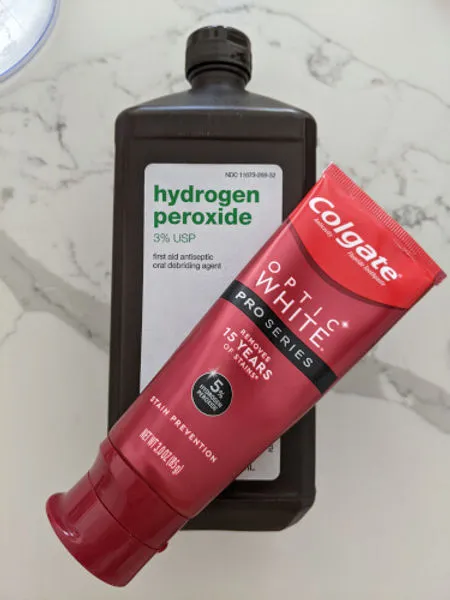
Before starting any whitening treatment, it is vital to understand the condition of your teeth. Assess your existing dental work, as whitening treatments only work on natural teeth and will not affect fillings, crowns, or veneers. If you have any of these, whitening may result in uneven coloration. Evaluate the type and severity of stains on your teeth. Surface stains from coffee, tea, or tobacco products typically respond well to whitening, while intrinsic stains may require professional treatment. Consider the shade of your teeth and what level of whitening you want to achieve. This will help you set realistic expectations and choose the best method to fit your needs. Check for any signs of gum recession or sensitivity, as these may be exacerbated by hydrogen peroxide.
Choosing the Right Hydrogen Peroxide Concentration
The concentration of hydrogen peroxide is critical when you are doing at-home teeth whitening, impacting both effectiveness and safety. Higher concentrations whiten teeth faster but also increase the risk of side effects like sensitivity and gum irritation. For at-home use, it’s advisable to use hydrogen peroxide solutions with concentrations ranging from 3% to 6%. Always follow the product instructions carefully and never exceed the recommended amount. Start with the lowest concentration to minimize sensitivity and assess how your teeth react. If you are unsure about the right concentration, consult your dentist. They can help you determine the appropriate strength based on your teeth’s sensitivity, existing dental work, and the severity of staining.
Methods for At-Home Teeth Whitening with Hydrogen Peroxide
There are several ways to use hydrogen peroxide for teeth whitening at home, each with varying degrees of effectiveness and safety. These methods include hydrogen peroxide mouthwash, hydrogen peroxide and baking soda paste, and the use of trays or strips. Consider your comfort level and the specific needs of your teeth when choosing a method. Whether you choose to use a mouthwash, paste, or a tray method, consistency is key to getting the best results. Make sure you are consistent with your dental hygiene and proper techniques to get the best outcome and a brighter smile. Here are the most popular methods.
Hydrogen Peroxide Mouthwash

Using hydrogen peroxide as a mouthwash is a simple method for at-home teeth whitening. To use, mix a small amount of 3% hydrogen peroxide with an equal amount of water. Swish the solution in your mouth for about one minute and then rinse thoroughly with water. Do not swallow the solution. This method is a gentler approach that may help reduce surface stains. Regular use can also aid in overall oral hygiene, as hydrogen peroxide has antibacterial properties that can help eliminate harmful bacteria, contributing to fresher breath. However, it’s not as effective as other methods for more severe stains and may not produce noticeable whitening results for everyone. Always be sure to rinse your mouth with water after using the mouthwash to prevent any potential side effects.
Hydrogen Peroxide and Baking Soda Paste
Another approach combines hydrogen peroxide with baking soda to create a paste. Baking soda acts as a mild abrasive to help remove surface stains. Mix hydrogen peroxide (3%) with baking soda to form a paste. Brush your teeth with the paste for about two minutes. Rinse your mouth thoroughly with water afterward. This method offers a low-cost and readily available option for teeth whitening, but it may cause sensitivity. Always be gentle when brushing, as excessive pressure can harm the enamel. It’s important to note that while this method can help remove surface stains and make your teeth look brighter, it is not as effective as professional treatments. Also, be sure to be mindful of the frequency of use to minimize enamel erosion. Therefore, this method is not a long-term solution.
Hydrogen Peroxide with a Tray or Strips
Whitening trays and strips are designed to deliver hydrogen peroxide directly to the teeth, providing a more controlled and often more effective whitening process. Whitening trays are custom-fitted by your dentist or can be purchased as a pre-formed option. You fill the tray with a whitening gel containing hydrogen peroxide and wear it for a specified time. Whitening strips are thin, flexible strips coated with hydrogen peroxide gel. They are applied directly to the teeth. Both methods offer a more consistent distribution of the whitening agent, leading to more uniform results. Always follow the instructions on the product or the dentist’s recommendation, as the duration and frequency of use vary. Ensure your teeth are clean and dry before applying the strips or inserting the tray. Remember that consistent use is key to achieve noticeable and lasting results.
Step-by-Step Guide to Whitening Your Teeth

Here’s a step-by-step guide on how to use hydrogen peroxide for teeth whitening, ensuring you do it safely and effectively. Follow these steps to achieve a brighter smile at home, remembering that patience and consistency are key. These instructions are a general guideline, and it is always a great idea to consult a dentist for personalized instructions tailored to your oral health needs. Prioritizing proper techniques will help protect your teeth and gums while maximizing whitening results. Also, do not skip any step.
Preparing the Solution
If you are using hydrogen peroxide as a mouthwash, mix a 3% solution with an equal amount of water. If you’re using a paste, combine hydrogen peroxide with baking soda to form a thick paste. If you’re using trays or strips, ensure you have the correct product and follow the product instructions for preparation. Clean your teeth, but do not brush before applying the whitening agent, as this can increase sensitivity. Prepare the solution or the product according to the chosen method. Make sure you have all the tools and supplies ready for application. Keep the solution away from your clothes and any other surfaces to avoid unwanted stains. Read and follow the instructions on any product you are using.
Applying the Solution
If using mouthwash, swish the solution in your mouth for about one minute, ensuring it contacts all tooth surfaces. If you are using a paste, apply it with a soft-bristled toothbrush and gently brush your teeth for two minutes, focusing on all surfaces. If using trays, fill the tray with the recommended amount of whitening gel and insert it into your mouth. If using strips, apply the strips to your teeth, ensuring they fully cover the surfaces. Make sure to avoid contact with your gums. Follow the product’s instructions for application, focusing on consistent coverage. Make sure you take your time when applying.
Time and Frequency

The duration and frequency of use depend on the method you choose and the product’s instructions. For mouthwash, use once or twice a day. For paste, use it no more than once or twice a week to avoid enamel erosion. When using trays or strips, follow the product’s guidance on the duration. For trays or strips, this is normally between 30 minutes to an hour. For best results, be consistent. Avoid exceeding the recommended treatment period, as this may increase the risk of side effects. If you experience increased sensitivity or irritation, reduce the frequency of use or discontinue treatment and consult your dentist. Always follow the instructions to avoid overuse and any unwanted reactions.
Rinsing and Aftercare
After using mouthwash or paste, rinse your mouth thoroughly with water. If you’re using trays or strips, remove the tray or strips and rinse your mouth. Brush your teeth with regular toothpaste. Avoid eating or drinking for at least 30 minutes after treatment to allow the whitening agent to work. To maintain your results, avoid foods and drinks that stain teeth, such as coffee, tea, and red wine. Continue to maintain good oral hygiene by brushing twice a day and flossing daily. Also, keep your regular dental check-ups. The longevity of your results depends on how well you take care of your teeth and follow the post-whitening care instructions.
Potential Risks and Side Effects
While at-home teeth whitening with hydrogen peroxide can be effective, it’s essential to be aware of the potential risks and side effects. The most common side effects include teeth sensitivity, gum irritation, and, in rare cases, damage to tooth enamel. Always adhere to the recommended concentrations and application guidelines to minimize these risks. Be sure to contact your dentist if you have any concerns or side effects. Recognizing the risks and taking necessary precautions will help ensure a safe and positive teeth-whitening experience. It’s crucial to consider these factors to protect your teeth and gums while achieving your desired smile. Always prioritize the safety of your teeth.
Sensitivity and Irritation

Tooth sensitivity is a common side effect of hydrogen peroxide-based whitening treatments. The whitening agent can penetrate the enamel and reach the dentin, which contains nerve endings. This can lead to temporary sensitivity, especially to hot and cold temperatures. Gum irritation can occur if the whitening agent comes into contact with the soft tissues of your gums. This irritation can manifest as redness, swelling, or soreness. To mitigate these side effects, always use the recommended concentration and application time. Use a toothpaste designed for sensitive teeth to reduce sensitivity. Avoid eating or drinking highly acidic foods or beverages during treatment. Also, ensure the trays or strips fit properly to prevent the whitening agent from leaking onto your gums. Consult your dentist if the sensitivity or irritation persists.
Gum Damage
Overuse or improper application of hydrogen peroxide can lead to gum damage. Prolonged exposure to high concentrations of hydrogen peroxide can cause gum inflammation, resulting in a condition known as gingivitis. This can manifest as red, swollen, or bleeding gums. Gum damage can also be caused by ill-fitting trays or by applying too much whitening solution. To avoid gum damage, always use the recommended concentration and time for application. Make sure that the trays or strips fit correctly and that the whitening solution does not come into contact with your gums. If you experience any signs of gum damage, discontinue the whitening treatment immediately and seek advice from your dentist. Prioritizing proper techniques and using the product safely will prevent gum damage and ensure safe and effective whitening.
Enamel Erosion
Enamel erosion is a more serious, but less common risk of at-home teeth whitening. Overuse of hydrogen peroxide can lead to the erosion of the tooth enamel, making the teeth more vulnerable to cavities and sensitivity. Enamel erosion is irreversible, so it’s important to take precautions. Always adhere to the recommended concentrations and use the products as instructed to prevent enamel erosion. Avoid excessive brushing and use a soft-bristled toothbrush to minimize any abrasion to the enamel. Use a toothpaste that contains fluoride to help strengthen the enamel. Schedule regular dental check-ups to monitor the condition of your enamel. By following these measures, you can greatly reduce the risk of enamel erosion while whitening your teeth.
Alternatives to Hydrogen Peroxide

If you are seeking teeth-whitening options that don’t involve hydrogen peroxide, or if you have concerns about its side effects, there are alternatives available. The best option for you will depend on your specific needs, the severity of your teeth staining, and your preferences. These alternatives range from professional dental procedures to over-the-counter products, each offering varying levels of effectiveness and cost. Before deciding on an alternative, it’s a good idea to discuss your options with your dentist, who can help you determine the best choice based on your oral health. These alternatives may be a better fit for your dental needs.
Professional Teeth Whitening
Professional teeth whitening, also known as in-office whitening, is a procedure performed by a dentist. It is generally the most effective teeth-whitening method, as dentists use higher concentrations of whitening agents and specialized techniques to achieve dramatic results in a single appointment. Your dentist can use a higher concentration of hydrogen peroxide or other whitening agents, such as carbamide peroxide, which is broken down into hydrogen peroxide over time. The dentist may also use a special light or laser to activate the whitening agent and accelerate the process. Before the procedure, a professional cleaning is performed to remove any surface stains and plaque buildup. This treatment offers the most immediate and significant whitening results. The results can last for a long time. However, this treatment is more expensive than at-home methods.
Over-the-Counter Whitening Products
A wide array of over-the-counter (OTC) teeth-whitening products are available, including whitening toothpaste, strips, gels, and mouthwashes. These products are generally more affordable and accessible compared to professional whitening. Whitening toothpastes contain mild abrasives and whitening agents, such as hydrogen peroxide or carbamide peroxide, to remove surface stains. Whitening strips and gels typically contain a lower concentration of hydrogen peroxide or carbamide peroxide than professional treatments, and they are applied directly to the teeth. Whitening mouthwashes also contain whitening agents, which can help to reduce surface stains. While these OTC products can help improve the appearance of your smile, the results are usually less dramatic than those achieved through professional treatments. Always follow the product instructions carefully and be aware of potential side effects, such as tooth sensitivity or gum irritation. Be sure to discuss any concerns with your dentist.
Maintaining Your White Smile
Once you’ve achieved your desired level of teeth whitening, maintaining the results is important. Several strategies can help you keep your smile bright and prevent future staining. It’s important to understand that the longevity of your results can be influenced by several factors, including your dietary choices, oral hygiene habits, and professional maintenance. By integrating these practices into your daily routine, you can prolong the effects of your whitening treatment. Also, make sure you are patient and consistent with your routine.
To prevent stains, avoid or limit your intake of staining foods and drinks, such as coffee, tea, red wine, and dark-colored berries. If you consume these items, rinse your mouth with water immediately afterward. Maintain excellent oral hygiene, including brushing your teeth at least twice a day and flossing daily. This removes plaque and surface stains before they can set. Use a whitening toothpaste to gently remove surface stains and maintain the brightness of your teeth. Consider using a straw when drinking staining beverages to minimize contact with your teeth. Schedule regular dental check-ups and cleanings. Your dentist can professionally clean your teeth and identify any early signs of staining or dental issues. Consider touch-up treatments as needed. Over time, your teeth may lose some of their brightness, and you can use at-home whitening products or visit your dentist for touch-up treatments to maintain your results.