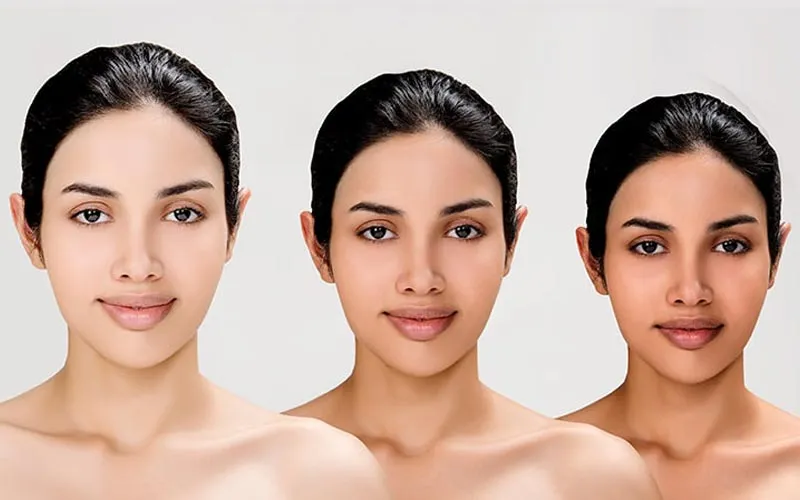
What is Skin Whitening
Skin whitening, also known as skin lightening or skin bleaching, is a cosmetic practice that aims to reduce the melanin pigment in the skin, thereby making the skin appear lighter. It is a widespread practice across the globe, driven by various cultural and social factors. Understanding the nuances of skin whitening involves recognizing its goals, the methods employed to achieve it, and the potential implications associated with these practices. The process can involve using topical creams, undergoing professional treatments, or adopting lifestyle changes to influence skin tone. It is important to approach skin whitening with realistic expectations and an awareness of both the benefits and risks involved. Skin whitening practices are diverse and often target issues like uneven skin tone, dark spots, and other forms of hyperpigmentation, promoting a more uniform complexion.
Understanding Hyperpigmentation
Hyperpigmentation is a common skin condition where patches of skin become darker in color than the surrounding areas. This darkening occurs when an excess of melanin, the brown pigment that produces normal skin color, forms deposits in the skin. Hyperpigmentation can affect people of all skin types, but it is more common in those with darker skin tones. The condition can manifest as freckles, age spots, or larger areas of darkened skin, and it can be caused by a variety of factors. Proper identification and understanding of the causes of hyperpigmentation are essential for choosing the right skin whitening methods. Addressing this issue requires understanding the underlying mechanisms and the factors that trigger them.
Causes of Hyperpigmentation

Hyperpigmentation can arise from various causes, making it essential to identify the specific trigger to effectively address the condition. One of the most common causes is sun exposure, as the skin produces more melanin to protect itself from harmful UV rays. This can lead to sunspots and uneven skin tone. Hormonal changes, such as those that occur during pregnancy (melasma) or due to the use of birth control pills, can also trigger hyperpigmentation. Skin injuries, such as cuts, burns, or acne, can result in post-inflammatory hyperpigmentation (PIH), which is particularly common in individuals with darker skin tones. Certain medical conditions and medications can also cause changes in skin pigmentation. By understanding these various causes, individuals can take preventative measures and choose appropriate skin whitening methods tailored to their needs.
Common Skin Whitening Methods
Skin whitening methods range from over-the-counter products to professional treatments, each with varying levels of effectiveness and potential side effects. The choice of method depends on the individual’s skin type, the severity of hyperpigmentation, and personal preferences. Topical creams and serums are popular for their ease of use and accessibility. Professional treatments like chemical peels and laser therapy offer more intensive solutions but require visits to a dermatologist or skincare specialist. In addition to these methods, incorporating lifestyle changes, such as sun protection and a healthy diet, can significantly improve the results of skin whitening efforts. Understanding the available methods and their characteristics is crucial for making informed decisions.
Topical Creams and Serums
Topical creams and serums are a primary approach for skin whitening, offering a convenient and accessible way to address hyperpigmentation. These products contain active ingredients that work by reducing melanin production or promoting the shedding of pigmented skin cells. The effectiveness of these products varies based on their formulation, the concentration of active ingredients, and individual skin characteristics. Many contain ingredients such as hydroquinone, kojic acid, arbutin, and vitamin C, which are known for their skin-lightening properties. It is essential to follow product instructions carefully and be aware of potential side effects, such as skin irritation or sensitivity to sunlight. Consistent and correct use of topical creams and serums can lead to gradual but noticeable improvements in skin tone and clarity.
Ingredients to Look For

Selecting topical products with effective, scientifically-backed ingredients is crucial for successful skin whitening. Several ingredients have gained recognition for their ability to lighten the skin and reduce hyperpigmentation. Hydroquinone, a potent skin-lightening agent, inhibits the production of melanin, but it is important to use it under the supervision of a dermatologist due to potential side effects. Kojic acid is a natural compound derived from fungi that works similarly to hydroquinone, with fewer reported side effects. Arbutin, a derivative of hydroquinone, is a gentler alternative. Vitamin C, an antioxidant, brightens the skin and reduces melanin production while protecting against environmental damage. Niacinamide, a form of vitamin B3, helps to reduce inflammation and improve skin tone. When choosing skin whitening products, always review the ingredient list and select products that align with your skin type and concerns, aiming for a balanced and safe approach.
Professional Treatments
Professional skin whitening treatments provide more intensive options for those seeking significant improvements in skin tone and texture. These treatments are administered by dermatologists or trained skincare professionals and are designed to address deeper layers of skin and more severe hyperpigmentation. Chemical peels and laser therapy are two of the most popular professional methods. They offer more targeted and controlled approaches than over-the-counter products, leading to faster and more dramatic results. However, they also come with a higher risk of side effects and require careful aftercare. It is important to consult with a dermatologist to determine the best professional treatment based on individual skin concerns and overall health. Professional treatments can provide effective solutions but require expert guidance and a commitment to follow-up care.
Chemical Peels
Chemical peels involve the application of a chemical solution to the skin to exfoliate and remove the damaged outer layers. This process encourages the growth of new, smoother skin. There are various types of chemical peels, ranging from superficial peels that treat the epidermis (outermost layer) to deeper peels that reach the dermis (deeper layer). The choice of peel depends on the severity of the skin condition and the desired outcome. Superficial peels, such as those using alpha-hydroxy acids (AHAs) or beta-hydroxy acids (BHAs), can improve mild hyperpigmentation and uneven skin tone. Medium-depth peels, often using trichloroacetic acid (TCA), can treat more significant pigmentation issues. Deep peels, though less common due to their intensity and longer recovery time, can address severe conditions. Chemical peels can be very effective, but they require professional administration and careful adherence to post-treatment instructions to minimize risks and maximize results.
Laser Therapy

Laser therapy employs concentrated beams of light to target and break down excess melanin in the skin. This treatment is highly precise and can effectively address various forms of hyperpigmentation, including sunspots, age spots, and melasma. Different types of lasers, such as Q-switched lasers and fractional lasers, are used depending on the specific skin concern and the individual’s skin type. Q-switched lasers are often used to target pigmented lesions, while fractional lasers stimulate collagen production and improve overall skin texture. Laser therapy sessions are typically performed by a dermatologist or a trained laser technician, and multiple sessions may be required to achieve optimal results. Following laser treatments, patients must follow specific aftercare instructions, including sun protection, to promote healing and prevent complications. Laser therapy offers a powerful solution for those seeking significant improvements in skin tone and clarity.
Home Remedies and Natural Approaches
Home remedies and natural approaches provide accessible and often gentler methods for skin whitening. These methods can complement other treatments or be used as a standalone approach for minor skin discoloration. They involve using natural ingredients known for their skin-lightening properties, such as lemon juice, honey, and turmeric. Home remedies may take longer to show results compared to professional treatments or topical creams containing potent active ingredients, but they can be a good option for those seeking a more natural approach. It’s important to perform a patch test before applying any new remedy to ensure there is no adverse reaction. Consistent and careful application of home remedies can lead to noticeable improvements in skin tone and radiance, while also promoting overall skin health.
Exfoliation Techniques
Exfoliation is a key component of any skin whitening regimen, as it helps remove dead skin cells, promoting the growth of new, lighter skin cells. There are various ways to exfoliate, including mechanical and chemical methods. Mechanical exfoliation involves the use of scrubs, brushes, or cloths to physically remove dead skin cells. Chemical exfoliation uses acids, such as AHAs (alpha-hydroxy acids) or BHAs (beta-hydroxy acids), to dissolve the bonds between skin cells. Both methods can improve skin texture, reduce the appearance of dark spots, and enhance the absorption of other skin whitening products. When exfoliating, it’s important to be gentle and avoid over-exfoliation, which can lead to irritation and sensitivity. The frequency and type of exfoliation should be tailored to the individual’s skin type and the specific products being used.
Diet and Nutrition

A balanced diet rich in vitamins, minerals, and antioxidants is essential for healthy skin and can support skin whitening efforts from within. Certain nutrients are known to benefit skin health and contribute to a brighter complexion. Vitamin C, found in citrus fruits and berries, is a powerful antioxidant that helps to protect the skin from damage and promotes collagen production. Vitamin E, present in nuts and seeds, helps to protect the skin from free radicals. Hydration, achieved by drinking plenty of water, is crucial for maintaining skin health and can improve skin tone and clarity. Foods rich in antioxidants, such as colorful fruits and vegetables, can protect the skin from damage and promote a healthy glow. Focusing on a well-rounded diet is a fundamental step in achieving and maintaining lighter, more radiant skin.
Lifestyle Changes
In addition to topical treatments, professional procedures, and home remedies, several lifestyle changes can support skin whitening efforts and promote overall skin health. These changes are designed to protect the skin, reduce further damage, and create an environment conducive to brighter, more even-toned skin. By integrating these changes into your daily routine, you can enhance the effectiveness of other skin whitening methods and maintain long-term results.
Sun Protection
Sun protection is the single most important lifestyle change for maintaining skin health and preventing further hyperpigmentation. Sun exposure stimulates melanin production, which can darken existing spots and create new ones. Wearing sunscreen with a broad-spectrum SPF of 30 or higher daily, even on cloudy days, is essential. Applying sunscreen generously and reapplying it every two hours, especially after swimming or sweating, is critical for effective protection. In addition to sunscreen, wearing protective clothing, such as hats and long sleeves, and seeking shade during peak sun hours (10 AM to 4 PM) can further minimize sun exposure. Making sun protection a consistent part of your routine is crucial for preventing hyperpigmentation and maintaining a lighter, more even skin tone. Protecting your skin from the sun is not just about avoiding tanning; it is about preserving its health and beauty.
Choosing the Right Products

Choosing the right products is essential for achieving successful skin whitening outcomes. This means selecting products based on skin type, the severity of hyperpigmentation, and the specific ingredients they contain. Products should be free of harsh chemicals and fragrances, which can irritate the skin and worsen pigmentation. Look for products that include effective ingredients like vitamin C, kojic acid, and arbutin. Always perform a patch test before using a new product to check for any adverse reactions. When unsure, consult a dermatologist, who can provide personalized recommendations. Reading product reviews and researching the brand is advisable to ensure the product’s credibility and effectiveness. Selecting the right products involves careful consideration of both ingredients and skin compatibility. The most effective skin whitening products are those that address the individual’s specific needs while promoting overall skin health.
Potential Risks and Side Effects
Skin whitening methods, regardless of their nature, may carry potential risks and side effects that should be carefully considered before starting treatment. These risks vary depending on the method used, the ingredients in products, and individual skin characteristics. It is crucial to be informed about the possible adverse effects to make safe and well-informed decisions. Knowing the potential risks can help you to mitigate them and promote your skin’s health and well-being.
Consulting a Dermatologist
Consulting with a dermatologist is a crucial step in any skin whitening journey. A dermatologist can assess your skin type, diagnose the cause of hyperpigmentation, and recommend the most appropriate and safe treatment options. They can also provide guidance on potential risks and side effects associated with various treatments and help to manage any adverse reactions. A dermatologist can recommend products suitable for your skin type and monitor your progress, adjusting the treatment plan as needed. Seeking professional advice ensures that the skin whitening process is conducted safely and effectively. Your dermatologist will provide comprehensive advice and support.
Managing Expectations

Managing expectations is a crucial element of any skin whitening strategy. It’s important to understand that skin whitening is often a gradual process and the results may vary from person to person. The timeframe for seeing noticeable changes depends on the method used, the severity of the hyperpigmentation, and individual skin characteristics. Realistic expectations can help to avoid disappointment and maintain motivation throughout the process. It’s essential to understand that skin whitening is not a permanent solution, and maintenance is often required to sustain the results. Being patient and persistent, along with understanding the limits and managing expectations, is key to achieving successful and satisfying results.