The Power of Olive Oil for Skin Whitening
The pursuit of radiant, even-toned skin has led many to explore natural remedies, and olive oil has emerged as a potential ally in this quest. For centuries, olive oil has been lauded for its numerous health and beauty benefits, prompting curiosity about its efficacy in skin whitening. This article delves into the science, methods, and realities of using olive oil to brighten and lighten your complexion, separating fact from fiction to provide a comprehensive guide.
Understanding Skin Whitening
Before exploring the role of olive oil, it’s crucial to understand the concept of skin whitening. This encompasses reducing the production of melanin, the pigment responsible for skin color. The goal is to achieve a lighter, more even skin tone, often addressing concerns like hyperpigmentation, dark spots, and unevenness. However, skin whitening is not a one-size-fits-all process, and its effectiveness varies based on skin type, the cause of discoloration, and the methods used. Understanding the basics is key to setting realistic expectations and making informed decisions.
What is Skin Whitening?

Skin whitening, also known as skin lightening or bleaching, involves procedures aimed at reducing the concentration of melanin in the skin, resulting in a lighter complexion. This can be achieved through various methods, ranging from over-the-counter products to professional treatments. The effectiveness of these methods depends on factors such as the initial skin tone, the cause of the pigmentation issues, and the individual’s skin type. Understanding the fundamental principles behind skin whitening is crucial before exploring specific treatments.
Common Skin Whitening Methods
A wide range of skin whitening methods are available, each with varying degrees of effectiveness and potential risks. Topical creams containing ingredients like hydroquinone, retinoids, and kojic acid are commonly used to reduce melanin production. Chemical peels and laser treatments offer more intensive solutions by exfoliating the skin and targeting pigmented cells. Natural methods include ingredients like lemon juice, turmeric, and, as explored in this article, olive oil. It’s important to research thoroughly and consult with a dermatologist before trying any new method.
The Science Behind Olive Oil and Skin
To assess olive oil’s potential for skin whitening, it’s essential to understand its interaction with the skin. Olive oil boasts an impressive composition of antioxidants, vitamins, and fatty acids, all of which contribute to its beneficial effects. The primary mechanisms through which olive oil interacts with the skin involve moisturizing, protecting against environmental damage, and potentially influencing melanin production. Understanding this science provides the basis for evaluating olive oil’s role in achieving a lighter complexion.
Olive Oil Composition and Benefits

Olive oil is a powerhouse of beneficial compounds. It’s rich in monounsaturated fats, particularly oleic acid, which helps to hydrate and moisturize the skin. Antioxidants, such as vitamin E and polyphenols, combat free radicals and protect against cellular damage. The oil also contains squalene, a natural emollient that mimics the skin’s natural oils, and various vitamins that contribute to overall skin health. These components collectively support the skin’s natural functions and may provide a foundation for skin whitening.
How Olive Oil Works for Skin Whitening
While not a direct bleaching agent, olive oil can indirectly contribute to skin whitening. Its moisturizing properties can promote cell turnover, helping to shed dead skin cells that contain excess melanin. The antioxidants in olive oil may also protect the skin from further damage, preventing the development of new dark spots. Furthermore, olive oil’s ability to improve overall skin health can create a more radiant complexion, giving the appearance of lighter skin. It is essential to note that the extent of whitening achieved with olive oil alone is likely to be subtle.
The Secret Ingredients in Olive Oil
The true potential lies in its components. Vitamin E is a potent antioxidant, shielding skin from environmental aggressors and potentially reducing the formation of dark spots. Squalene acts as a natural emollient, which locks in moisture and promotes supple, healthy skin. The monounsaturated fats, particularly oleic acid, deeply hydrate the skin, contributing to a brighter, more even tone. These ingredients work synergistically to create a healthy skin environment, which is crucial for skin whitening, even if indirectly.
How to Use Olive Oil for Skin Whitening

Incorporating olive oil into your skincare routine is simple, and numerous methods can be employed to harness its potential benefits. From applying it directly to the skin to creating homemade masks, olive oil offers versatile applications. Consistency is key, and combining olive oil with other natural ingredients may enhance its effects. However, it’s important to use high-quality, extra virgin olive oil to ensure the purity and potency of the product.
Olive Oil Masks for Skin Whitening
Creating olive oil masks can amplify its benefits for skin whitening. A simple mask involves mixing olive oil with other ingredients known for their brightening properties, such as honey, lemon juice (use with caution due to its acidity), or turmeric. Apply the mask to clean skin, leave it on for 15-20 minutes, and then rinse with lukewarm water. Repeat this process a few times a week for noticeable results. Remember to perform a patch test before applying any new mask to your entire face to check for allergic reactions.
Olive Oil and Exfoliation
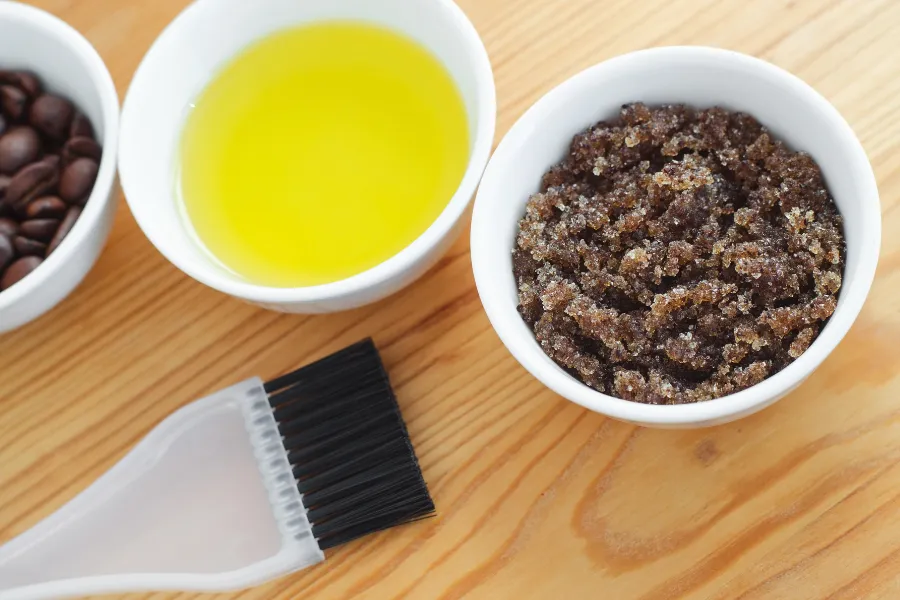
Exfoliation plays a crucial role in skin whitening by removing dead skin cells that contain melanin. Olive oil can be combined with gentle exfoliants, such as sugar or coffee grounds, to create a scrub. Gently massage the scrub onto your skin in circular motions, focusing on areas with uneven tone or dark spots. Rinse thoroughly and follow with a moisturizer. This combination helps to brighten the skin and promote cell turnover, contributing to a more radiant complexion. Be careful not to over-exfoliate, which can damage the skin.
Olive Oil and Moisturizing

Moisturizing is a crucial aspect of any skincare routine. Olive oil acts as a fantastic moisturizer, hydrating the skin and creating a healthy environment. Dry skin can often appear dull, and proper hydration can improve skin texture and tone. Applying olive oil directly to the skin after cleansing, or using it as a base for other treatments, can help maintain moisture levels and support overall skin health. This can lead to a brighter, more supple complexion, contributing to the skin-whitening process indirectly.
Tips for Effective Skin Whitening
Maximizing the benefits of olive oil for skin whitening requires a strategic approach. Complementing the use of olive oil with other skincare practices can significantly enhance results. Consistency, sun protection, and understanding the limitations are key factors in achieving desired outcomes. Additionally, combining olive oil with other ingredients may further amplify its effects.
Consistency is Key
Achieving noticeable skin whitening with any method, including olive oil, requires consistent application. Incorporate olive oil into your daily or weekly skincare routine and stick to it. Results take time, and skipping applications can hinder progress. Patience and persistence are essential. Keep in mind that skin cell turnover takes approximately 28 days, so it may take several weeks or months before you see significant changes. Tracking your progress with photos can help you visualize the impact.
Protecting Your Skin from the Sun
Sun exposure is a major factor in skin darkening and the formation of dark spots. Protecting your skin from the sun is crucial to prevent further hyperpigmentation and maintain the benefits of any skin-whitening treatment, including olive oil. Always use a broad-spectrum sunscreen with an SPF of 30 or higher, and reapply it every two hours, especially when outdoors. Wear protective clothing, hats, and sunglasses to minimize sun exposure. This preventative measure is critical for achieving and maintaining a lighter complexion.
Combining Olive Oil with Other Ingredients
Enhance the effects of olive oil by combining it with other natural ingredients known for their skin-brightening properties. Consider mixing olive oil with honey, known for its moisturizing and antibacterial benefits. Turmeric, with its anti-inflammatory and antioxidant properties, can also be a valuable addition. Use with caution; lemon juice, due to its acidity, can be added in small amounts. Before applying a mixture, perform a patch test on a small area of your skin to check for any adverse reactions or allergies.
Other Natural Ingredients for Skin Whitening
Beyond olive oil, several other natural ingredients have demonstrated potential in skin whitening. These include ingredients such as honey, aloe vera, turmeric, and lemon juice. Each offers unique benefits and can be incorporated into your skincare routine. Researching and understanding how these ingredients work can help you create a tailored skincare regimen that complements the use of olive oil, potentially amplifying its effects.
Precautions and Potential Side Effects

While olive oil is generally safe, some precautions are necessary. It is essential to be aware of potential side effects and to take steps to minimize risks. It’s also important to know when olive oil may not be the right choice for your skin. Consider these factors before incorporating olive oil into your skin whitening routine.
Who Should Avoid Olive Oil for Skin Whitening?
Although olive oil is often well-tolerated, certain individuals may want to exercise caution or avoid its use for skin whitening. People with oily or acne-prone skin might find that olive oil exacerbates their condition due to its comedogenic properties. Also, those with allergies to olives or olive oil should obviously avoid it. If you have any pre-existing skin conditions, consult with a dermatologist before using olive oil to avoid any adverse reactions.
Consulting a Dermatologist
Before starting any new skin-whitening treatment, consulting a dermatologist is crucial. A dermatologist can assess your skin type, identify the underlying causes of any pigmentation issues, and recommend appropriate treatments. They can also advise on whether olive oil is suitable for your skin and help you manage any potential side effects. Professional guidance ensures safe and effective skin-whitening practices, aligning your expectations with realistic outcomes.
Real Results and Expectations

It is important to have realistic expectations about the results you can achieve with olive oil for skin whitening. Understanding the limitations of this natural method and its potential impact is key to setting a positive and informed course of action. While olive oil offers valuable benefits for skin health, it may not provide the same dramatic results as professional treatments or more potent ingredients.
What to Expect from Olive Oil Use
When using olive oil for skin whitening, expect a subtle but noticeable improvement in skin tone. Olive oil can promote cell turnover, hydrate the skin, and offer protection against environmental damage. This can result in a more even complexion, reduced appearance of dark spots, and improved skin radiance. However, the degree of whitening will likely be gradual. You may not experience drastic color changes. Be patient and consistent with the application to realize the full potential of olive oil.
Setting Realistic Goals
Setting realistic goals is key to a positive experience with olive oil for skin whitening. Understand that olive oil is a gentle, natural remedy that may not produce dramatic results. The extent of skin whitening depends on factors such as your skin type, the intensity of pigmentation, and consistent use. While olive oil can certainly contribute to a healthier, brighter complexion, it may not achieve the same level of whitening as other treatments. Focus on overall skin health and gradual improvement to achieve satisfying results.