
The Whitening Cream Ban in Pakistan An Overview
Pakistan’s decision to ban certain whitening creams is a significant development in the country’s cosmetic and healthcare landscape. This action reflects growing concerns about the safety, efficacy, and ethical implications of skin-whitening products. The ban aims to protect consumers from potentially harmful ingredients and address the societal pressures that drive the demand for these products. The regulatory environment surrounding cosmetics in Pakistan has been evolving, with increased scrutiny of product formulations and marketing practices. This ban is a direct response to these evolving standards and the need for consumer protection, marking a crucial step toward safer and more responsible cosmetic practices in Pakistan. This is a complex issue, touching on public health, industry regulation, and societal values.
The Regulatory Landscape of Pakistan
The regulatory bodies overseeing the cosmetic industry in Pakistan play a pivotal role in ensuring product safety and compliance with national standards. These bodies are responsible for evaluating product formulations, inspecting manufacturing facilities, and enforcing regulations. The Drug Regulatory Authority of Pakistan (DRAP) is a key player, responsible for regulating pharmaceuticals, medical devices, and, to a certain extent, cosmetics. They set standards for ingredients, manufacturing processes, and labeling requirements. The implementation of these regulations is crucial for protecting consumers from substandard or harmful products. In recent years, there has been a push for more stringent enforcement of these regulations, leading to the ban on specific whitening creams. The regulatory landscape is constantly changing.
Understanding the Ban
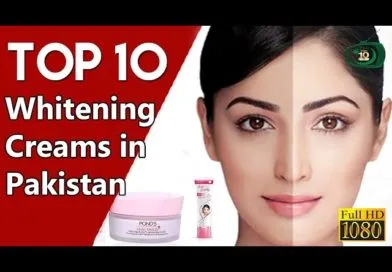
Understanding the specifics of the ban is crucial to appreciating its significance. The ban typically targets products containing specific ingredients that are considered unsafe or pose health risks. These ingredients are often associated with serious side effects, such as skin damage, mercury poisoning, and other adverse health outcomes. The ban covers a wide range of products, including creams, lotions, and soaps marketed for skin whitening. This includes both locally manufactured and imported products. The government’s decision is based on scientific evidence and health concerns. The ban is not a blanket prohibition on all cosmetic products, but a targeted action against those that contain harmful substances or make unsubstantiated claims.
The Top 5 Facts About the Whitening Cream Ban
Fact 1 The Rationale Behind the Ban
The primary reason behind the ban is to protect public health and safety. Many whitening creams contain harmful ingredients that can cause severe health problems. Additionally, the ban addresses ethical concerns related to the promotion of skin-whitening products, which can perpetuate unrealistic beauty standards and promote discrimination based on skin color. The decision reflects a growing awareness of the negative impacts of these products on both physical and mental well-being. The ban underscores a commitment to prioritize consumer health and promote a more inclusive and equitable society, free from harmful practices and unrealistic beauty standards. The ban is also a measure to improve the overall cosmetic industry, pushing for better practices.
Health Concerns
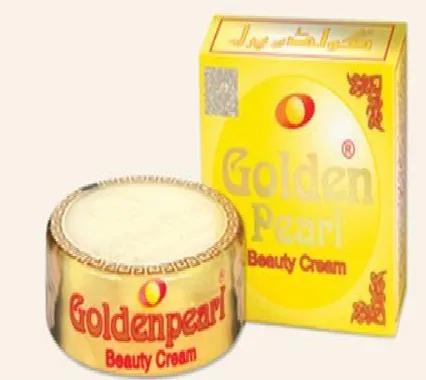
The health risks associated with the use of whitening creams are considerable. Many of these creams contain ingredients such as hydroquinone and mercury, which are known to have detrimental effects on the skin and overall health. Hydroquinone can cause ochronosis, a condition that leads to permanent skin discoloration and damage. Mercury, a heavy metal, can cause mercury poisoning, leading to neurological and kidney damage. The ban directly targets these ingredients, aiming to prevent such health complications. Beyond these specific ingredients, there are broader concerns about the long-term effects of skin-whitening products, which can include increased sensitivity to the sun and an increased risk of skin cancer. The regulatory authorities are trying to address these concerns with this ban.
Ethical Considerations
The ethical dimension of the ban is significant, as it challenges societal norms and beauty standards that promote skin-whitening practices. The promotion of these products can perpetuate the idea that lighter skin is superior, leading to discrimination and psychological harm. The ban is a step towards combating colorism and promoting inclusivity, recognizing the beauty of all skin tones. This ethical stance acknowledges the negative societal impacts of skin-whitening products, addressing a deeper issue than just the immediate health risks. By taking this action, Pakistan is sending a message that it values diversity and challenges harmful beauty standards. This action helps to create a more equitable society and a more inclusive environment.
Fact 2 Which Creams Are Affected
The ban targets a specific group of skin-whitening products, focusing on those that contain harmful ingredients or make misleading claims. The authorities have identified and banned numerous products, including creams, lotions, and soaps marketed for skin whitening. The list of banned products is regularly updated, and consumers are advised to check the regulatory authority’s website to ensure products are safe for use. This highlights the dynamic nature of the ban, where the list of affected products is regularly updated. The government aims to prevent the sale of products that do not meet safety and quality standards. It is important for consumers to stay informed and avoid products that are included in the banned list. This ensures they protect their health and comply with the new regulations.
Specifically Banned Ingredients

The ban primarily focuses on ingredients known to pose health risks. Hydroquinone, a common ingredient used for skin lightening, is often restricted because of its potential to cause ochronosis and other skin complications. Mercury, another ingredient found in some whitening creams, is highly toxic and can cause severe health problems. Other ingredients that may be targeted include certain types of corticosteroids, which can thin the skin and cause other adverse effects. The authorities are specifically targeting these ingredients because of the serious risks they pose to consumers. This is a crucial aspect of the ban, as it directly addresses the root causes of the health concerns associated with whitening creams.
Brands and Products Targeted
The ban affects both local and imported brands, with a wide range of products being targeted. The regulatory bodies release lists of banned products and brands to keep consumers informed. These lists often include popular, well-known brands, highlighting the broad scope of the ban. The brands affected are those that manufacture or market products containing the banned ingredients. This can have a significant impact on the cosmetic industry. It is important for consumers to be vigilant and check product labels carefully. The government is working to create a safe environment for cosmetic product use, ensuring the products available meet the safety standards.
Fact 3 The Enforcement of the Ban
Enforcing the ban requires collaboration between various regulatory bodies and law enforcement agencies. These agencies are responsible for monitoring the market, inspecting shops, and taking action against those who violate the ban. The enforcement mechanisms include raids, product seizures, and penalties for those found selling or manufacturing banned products. The regulatory bodies work to ensure that the products available for sale comply with the new regulations. The enforcement is essential to ensure the effectiveness of the ban and protect consumers from unsafe products. This process includes inspections of retail stores and manufacturing facilities, and the seizure of any products found to be in violation of the ban. These actions are key to ensuring the success of the whitening cream ban.
Regulatory Bodies Involved

Several regulatory bodies are involved in enforcing the ban. DRAP, as the main regulatory body for pharmaceuticals and some cosmetics, plays a vital role in setting standards and monitoring the market. Other agencies, such as provincial health departments and law enforcement, also assist in the enforcement of the ban. This collaborative approach helps ensure that the ban is implemented effectively across the country. They conduct inspections and take appropriate actions against violators. The combined efforts of these different bodies are critical to the successful enforcement of the ban, ensuring that banned products are removed from the market and preventing future violations.
Penalties for Violations
Penalties for violating the ban can be significant, including fines, product seizures, and legal action. Those found selling or manufacturing banned products face serious consequences. The penalties are designed to deter non-compliance and encourage businesses to adhere to the regulations. The severity of the penalties may vary depending on the nature and extent of the violation. They are a key part of enforcing the ban, encouraging compliance and deterring the sale of banned products. These strong measures send a clear message that the government is serious about protecting public health and enforcing the ban effectively.
Fact 4 The Impact on the Cosmetic Industry
The ban has a significant impact on the cosmetic industry in Pakistan, leading to market changes and shifts in consumer behavior. Manufacturers and distributors must adapt by reformulating products or removing them from the market. This disruption requires companies to innovate and develop alternative products that comply with the new regulations. It also creates opportunities for brands that prioritize safety and efficacy. These brands may gain market share. The changes are challenging for the industry. The regulations drive a need for businesses to reassess their strategies and adapt to the new environment. There are also opportunities for companies. Brands that prioritize safety and consumer well-being will likely gain trust and market share.
Market Changes

The market is experiencing shifts as a result of the ban. Many products have been removed from shelves, and consumers are now searching for alternative products that are safe and compliant. The demand for safe and effective skin-brightening products is increasing. This has created a need for manufacturers to innovate and offer alternatives. The ban is also reshaping the cosmetic industry, encouraging companies to prioritize product safety and quality. These changes are creating new opportunities. The regulatory landscape is pushing businesses towards more responsible practices. This creates a demand for innovative, compliant products.
Consumer Behavior
Consumer behavior is also changing. Consumers are becoming more aware of the risks associated with skin-whitening products and are seeking safer alternatives. There is an increased demand for products with transparent labeling and proven safety. The ban has increased consumer awareness. Consumers are seeking advice from dermatologists and skincare professionals. This change in behavior highlights the growing importance of consumer education and awareness. The growing consumer awareness drives demand for safer and more responsible practices.
Fact 5 Alternatives and Safe Practices
The ban encourages consumers to explore safer alternatives and adopt responsible skincare practices. Instead of relying on potentially harmful whitening creams, consumers can focus on products with proven safety and efficacy. This includes products that use ingredients like Vitamin C, niacinamide, and alpha-arbutin. Education and awareness are key components. Consulting with dermatologists and skincare professionals is highly recommended to understand the best approach. Safe skin care requires a personalized approach. The focus is shifting towards products with proven safety and effectiveness, coupled with responsible practices. This promotes a healthier approach to skincare. The ban prompts a shift towards safe and effective products.
Safe Skin Brightening Options
There are several safe and effective skin-brightening options available that do not pose the same health risks as banned products. These include products containing ingredients like Vitamin C, which is an antioxidant that can help brighten the skin and protect it from damage. Niacinamide, a form of Vitamin B3, can improve skin tone and texture. Alpha-arbutin is a natural skin-brightening agent derived from plants. These options are generally considered safe when used as directed and can help improve skin appearance without the harmful side effects of the banned ingredients. It is always important to consult with a dermatologist or skincare professional before starting a new skincare routine.
The Importance of Consulting Professionals
Consulting with dermatologists and skincare professionals is crucial for safe and effective skincare. These professionals can assess skin conditions, recommend suitable products, and provide guidance on proper skincare routines. They can help consumers understand the ingredients in skincare products and identify those that are safe and appropriate for their skin type. A professional assessment helps tailor a skincare approach. This ensures that individuals are using products that are safe, effective, and suited to their specific needs. Consulting with experts is vital for maintaining healthy skin and avoiding the harmful effects of inappropriate products.
The Future of Skin Whitening in Pakistan
The future of skin whitening in Pakistan is likely to be characterized by a focus on safety, education, and ethical considerations. The ban on harmful products represents a turning point, leading to changes in consumer behavior and industry practices. The future will likely include greater emphasis on safe and effective ingredients. Education and awareness campaigns will play a key role in shaping the market. These campaigns will inform consumers about the risks associated with certain products and promote the importance of responsible skincare practices. The industry and consumers both share responsibility. The combined efforts of regulatory bodies, the cosmetic industry, and consumers will help shape the future of skin whitening in Pakistan. This is a significant step toward a safer, more informed, and more inclusive cosmetic market.
Potential Developments
Several developments could shape the future. Continued enforcement of the ban, the introduction of new regulations, and the development of innovative, safe products are expected. There may be a shift towards natural and plant-based ingredients. This could lead to new product formulations that are safer and more sustainable. The cosmetic industry is likely to see increased investment in research and development to create safe and effective skin-brightening products. The industry is evolving. The trends and consumer preferences influence the future. There could be increased collaboration between regulatory bodies and the industry. The future of skin whitening is promising, with an emphasis on consumer safety.
The Role of Education and Awareness
Education and awareness play a vital role in promoting safe skincare practices. Public awareness campaigns can educate consumers about the risks associated with certain ingredients. They also promote the importance of consulting with dermatologists and skincare professionals. Consumers are equipped with the knowledge and tools to make informed choices. These campaigns can also focus on challenging harmful beauty standards. Increased awareness helps to shift the focus towards overall skin health and well-being. Education and awareness are key to creating a responsible and informed consumer base. It is important to promote this through campaigns and initiatives.