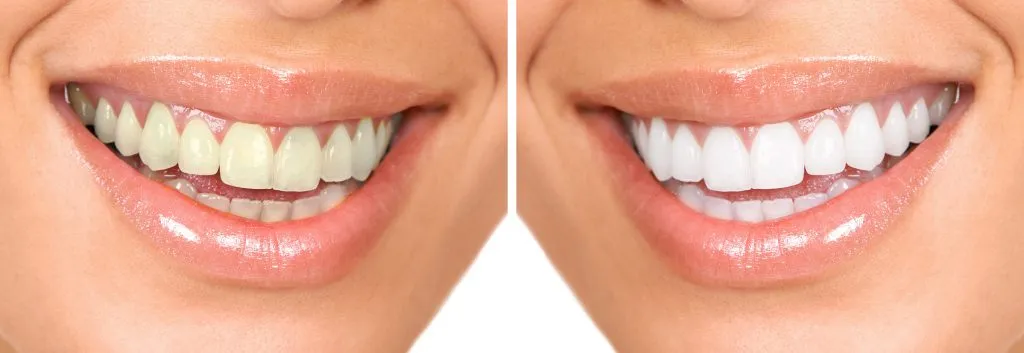
In the quest for a brighter, more confident smile, oxygen teeth whitening has emerged as a popular and effective solution. Unlike traditional methods, oxygen-based treatments utilize the power of oxygen to gently lift stains and discoloration from the enamel. This article delves deep into the world of oxygen teeth whitening, providing a comprehensive guide on how to achieve the brightest smile possible, covering everything from the science behind it to practical application and maintenance. Whether you’re considering professional treatments or exploring at-home options, this guide will equip you with the knowledge to make informed decisions and achieve your desired results. Explore the science, methods, and aftercare to make the most informed decision for your teeth whitening journey.
What is Oxygen Teeth Whitening
Oxygen teeth whitening is a cosmetic dental procedure designed to lighten the shade of your teeth. It works by using oxygen-based compounds, typically hydrogen peroxide or carbamide peroxide, to penetrate the enamel and break down stain molecules. This process is less abrasive than some other whitening methods, often resulting in less sensitivity. The oxygen acts as an oxidizer, effectively lifting the stains from the porous enamel surface without causing significant structural changes. Oxygen teeth whitening has quickly become a popular choice because of its effectiveness and the way it minimizes the potential of side effects.
The Science Behind Oxygen Teeth Whitening
The science behind oxygen teeth whitening is based on oxidation. Oxygen-based whitening agents, such as hydrogen peroxide, release oxygen molecules that penetrate the enamel. These molecules react with the stain molecules embedded within the enamel, breaking them down into smaller, less visible components. This process doesn’t physically remove the enamel; rather, it alters the structure of the stains, making the teeth appear whiter. The effectiveness of oxygen teeth whitening depends on the concentration of the whitening agent, the duration of application, and the individual’s tooth structure and the type of stains present. Understanding the science gives a deep knowledge on how oxygen teeth whitening works.
How Oxygen Whitening Works

The process typically begins with the application of a whitening agent, which may be a gel, a paste, or a strip, containing a concentration of hydrogen peroxide or carbamide peroxide. This agent is applied to the surface of the teeth, where it interacts with the stains. In professional settings, a high-intensity light or laser may be used to accelerate the whitening process. The light helps activate the oxygen molecules, enhancing their ability to break down the stain molecules. At-home kits usually involve using custom-fitted trays or strips for more even application. Regardless of the method, the goal is the same, to lift stains and lighten the teeth effectively.
Benefits of Oxygen Teeth Whitening
Oxygen teeth whitening offers several advantages over other teeth whitening methods, making it a popular choice for many. It’s an efficient and effective way to significantly improve the appearance of your smile, leading to a boost in self-confidence. With a variety of methods available, from professional treatments to at-home kits, it’s also accessible to a wide range of individuals. This method is often gentler on the teeth than some other whitening options, reducing the risk of sensitivity. Oxygen teeth whitening is designed to deliver noticeable results quickly and it fits to every budget.
Effectiveness and Speed of Results
One of the primary benefits of oxygen teeth whitening is its effectiveness and the speed with which it delivers results. Professional in-office treatments can often lighten teeth several shades in just one session, providing immediate and dramatic improvements. At-home kits, while requiring more time and consistency, still offer noticeable results within a few weeks. The degree of whitening depends on various factors, including the initial shade of the teeth, the type of stains, and the concentration of the whitening agent. Regular use of the recommended methods ensures the best possible outcomes.
Gentle on Enamel

Compared to some other whitening procedures, oxygen teeth whitening is generally considered gentler on the enamel. The oxygen-based agents work by oxidizing the stain molecules rather than aggressively abrading the tooth surface. This reduces the risk of damage to the enamel and minimizes the potential for sensitivity. The formulations used in oxygen whitening are often designed to be less irritating to the gums and surrounding tissues, contributing to a more comfortable experience. This gentler approach makes oxygen whitening a good choice for individuals with sensitive teeth.
Reduced Sensitivity
One of the significant advantages of oxygen teeth whitening is the potential for reduced sensitivity compared to other methods. Because the whitening process is less abrasive, it is less likely to irritate the nerves within the teeth, which can cause sensitivity. Many oxygen whitening products include ingredients designed to protect the enamel and reduce sensitivity. If you’re prone to sensitive teeth, this method offers a more comfortable experience, allowing you to achieve a brighter smile without the discomfort associated with other whitening options. However, some people may experience temporary sensitivity, especially with higher concentrations of the whitening agent.
Who Can Benefit from Oxygen Teeth Whitening
Oxygen teeth whitening can be an effective solution for a variety of individuals looking to enhance their smiles. This procedure is appropriate for a wide range of individuals, making it a versatile choice for those seeking a brighter, more confident smile. The best candidates for oxygen teeth whitening have different needs, so understanding the procedure and the potential advantages can help you choose if this is the best option for you.
Individuals with Stained Teeth

Oxygen teeth whitening is particularly beneficial for individuals with teeth stained due to various factors. These stains can be caused by the consumption of certain foods and drinks, such as coffee, tea, red wine, and berries. Tobacco use is another significant contributor to tooth discoloration. As we age, the enamel naturally thins, and the underlying dentin becomes more visible, leading to a yellowing effect. Oxygen teeth whitening is designed to lift these stains, restoring the teeth to a lighter, brighter shade and providing a more youthful appearance. It is a great option for people to bring back their brighter smile.
People Seeking a Quick Whitening Solution
For those looking for a fast and noticeable improvement in their smile, oxygen teeth whitening offers a quick solution. Professional in-office treatments can provide immediate results, with teeth often becoming several shades lighter in a single session. At-home kits also offer relatively fast results, with noticeable whitening typically seen within a few weeks of consistent use. This makes oxygen teeth whitening an appealing option for individuals who want a brighter smile for special occasions or simply desire a more confident appearance without waiting for long-term results. It is a fast way to change your smile in a short period of time.
People with Sensitive Teeth
Oxygen teeth whitening is often a good choice for people with sensitive teeth, as it is typically gentler than other whitening methods. The oxygen-based formulas are less abrasive, reducing the likelihood of irritation to the enamel and gums. Many products are specifically designed to minimize sensitivity, often including ingredients that protect the teeth. This allows individuals with sensitive teeth to achieve a brighter smile without the discomfort associated with some other whitening treatments, making it a practical and accessible option for a wider range of people.
Oxygen Teeth Whitening Methods and Procedures

The methods and procedures for oxygen teeth whitening vary depending on whether you choose a professional in-office treatment or an at-home kit. Both options utilize oxygen-based whitening agents, but the approach and application differ significantly. Understanding these methods can help you make an informed decision about which procedure best suits your needs and preferences. Whether you seek immediate results or prefer the convenience of at-home treatments, oxygen teeth whitening offers flexible solutions for achieving a brighter smile.
Professional In-Office Treatments
In-office oxygen teeth whitening is performed by a dental professional, providing the most immediate and dramatic results. The procedure begins with a thorough cleaning of the teeth to remove any surface stains. Then, a high-concentration oxygen-based whitening gel is applied to the teeth. To accelerate the whitening process, a special light or laser is often used. This light activates the oxygen molecules, enhancing their ability to break down the stain molecules. The entire process typically takes about an hour, and patients can often see their teeth lighten several shades in a single session. Professional treatments are the most effective and produce the most immediate results.
At-Home Oxygen Whitening Kits
At-home oxygen teeth whitening kits offer a convenient and cost-effective alternative to professional treatments. These kits typically include custom-fitted trays or pre-filled strips containing a lower concentration of oxygen-based whitening agents. The trays are designed to fit over your teeth, ensuring even application of the whitening gel. The strips adhere directly to the teeth. Instructions for use vary by product, but generally, the whitening agent is applied for a specified period each day. Results are typically seen within a few weeks of consistent use. It’s important to follow the instructions carefully and consult with your dentist before starting any at-home whitening treatment.
Teeth Whitening Toothpastes and Rinses

Oxygen-based toothpastes and rinses are designed to provide a gentler approach to teeth whitening, often as a complement to professional treatments or at-home kits. These products typically contain a lower concentration of oxygen-based whitening agents, along with other ingredients that help remove surface stains. Whitening toothpastes may contain mild abrasives to help polish the teeth, while rinses help reach all areas of the mouth. While these products may not offer the same dramatic results as professional treatments, they can help maintain a brighter smile and prevent new stains from forming. They are a valuable part of a comprehensive oral hygiene routine.
Step-by-Step Guide to Oxygen Teeth Whitening at Home
If you choose an at-home oxygen teeth whitening kit, following the instructions carefully is crucial for achieving the best results. This guide provides a step-by-step approach to help ensure that you use the kit safely and effectively. With patience and careful attention, you can achieve a brighter smile from the comfort of your home. Consistent use and proper technique are key to the success of your at-home oxygen teeth whitening experience.
Preparing Your Teeth
Before starting the whitening process, it’s essential to prepare your teeth properly. Begin by brushing your teeth thoroughly to remove any food particles and surface debris. Floss to ensure that your teeth are clean between each tooth. Once your teeth are clean, rinse your mouth with water to remove any remaining toothpaste or debris. This preparation step ensures that the whitening agent can effectively reach the tooth surface. Preparing your teeth before whitening can lead to the best results and maximize the benefits of the whitening procedure.
Applying the Whitening Agent

Apply the whitening agent as directed by the kit instructions. If you are using custom-fitted trays, apply the gel evenly to the inside of the trays. If using strips, carefully apply them to your teeth, ensuring they make good contact with the surface. Follow the instructions for the duration of the application, usually around 30 minutes to an hour, depending on the product. After the application, remove the trays or strips, rinse your mouth thoroughly with water, and brush your teeth again to remove any remaining whitening agent. Proper application is essential for achieving the desired results and minimizing potential side effects.
Maintaining Your Bright Smile
After achieving your desired level of whiteness, it’s important to maintain your bright smile. This involves adopting habits that prevent stains from returning and maintaining good oral hygiene practices. Following these tips, you can enjoy your whitened teeth for a longer period. Consistent effort and lifestyle adjustments will help keep your teeth looking their best for years to come.
Dietary Considerations
Certain foods and drinks can stain your teeth, so making dietary adjustments can help maintain your white smile. Minimize consumption of staining substances like coffee, tea, red wine, and dark-colored berries. If you consume these items, try to rinse your mouth with water immediately afterward or brush your teeth. Eating a diet rich in fruits, vegetables, and dairy products can also benefit your oral health. Staying mindful of your diet helps extend the life of your teeth whitening results.
Oral Hygiene Practices
Maintaining good oral hygiene is crucial for keeping your teeth white and healthy. Brush your teeth at least twice a day with fluoride toothpaste and floss daily to remove plaque and food particles. Consider using a whitening toothpaste or mouthwash to help remove surface stains. Regular dental check-ups and cleanings are also essential for maintaining a bright smile. Good oral hygiene prevents stains from forming and keeps your teeth and gums in top condition.
Potential Risks and Side Effects
While oxygen teeth whitening is generally safe, it’s important to be aware of potential risks and side effects. These are usually mild and temporary, but understanding them allows you to make informed decisions and take steps to mitigate any adverse effects. Being informed of the risks ensures you can proceed with confidence and address any issues as they arise.
Sensitivity and Irritation
The most common side effects of oxygen teeth whitening are temporary tooth sensitivity and gum irritation. This can occur because the whitening agents can penetrate the enamel and irritate the nerves within the teeth. Gum irritation may result from the whitening agent coming into contact with the soft tissues. These symptoms usually subside within a few days after the treatment. Using sensitivity toothpaste, avoiding hot or cold foods, and following your dentist’s instructions can help alleviate these symptoms. If the sensitivity is severe or prolonged, consult your dentist.
Precautions and Contraindications
There are certain precautions and contraindications to consider before undergoing oxygen teeth whitening. Individuals with existing dental problems, such as cavities or gum disease, should have these issues addressed before whitening their teeth. Whitening is not recommended for pregnant or breastfeeding women. It’s important to consult with your dentist to determine if you are a good candidate for teeth whitening. People with sensitive teeth and gums should also consult with their dentist before proceeding. Knowing these precautions ensures the safety and effectiveness of the treatment.
Conclusion
Oxygen teeth whitening offers a powerful and accessible way to achieve a brighter, more confident smile. With its gentle approach, effectiveness, and variety of treatment options, it’s a popular choice for those looking to enhance their appearance. Understanding the science, methods, benefits, and potential risks of oxygen teeth whitening empowers you to make informed decisions. By following proper procedures and maintaining good oral hygiene, you can enjoy a beautiful, radiant smile for years to come. Take the first step towards a brighter smile today and discover the transformative power of oxygen teeth whitening.