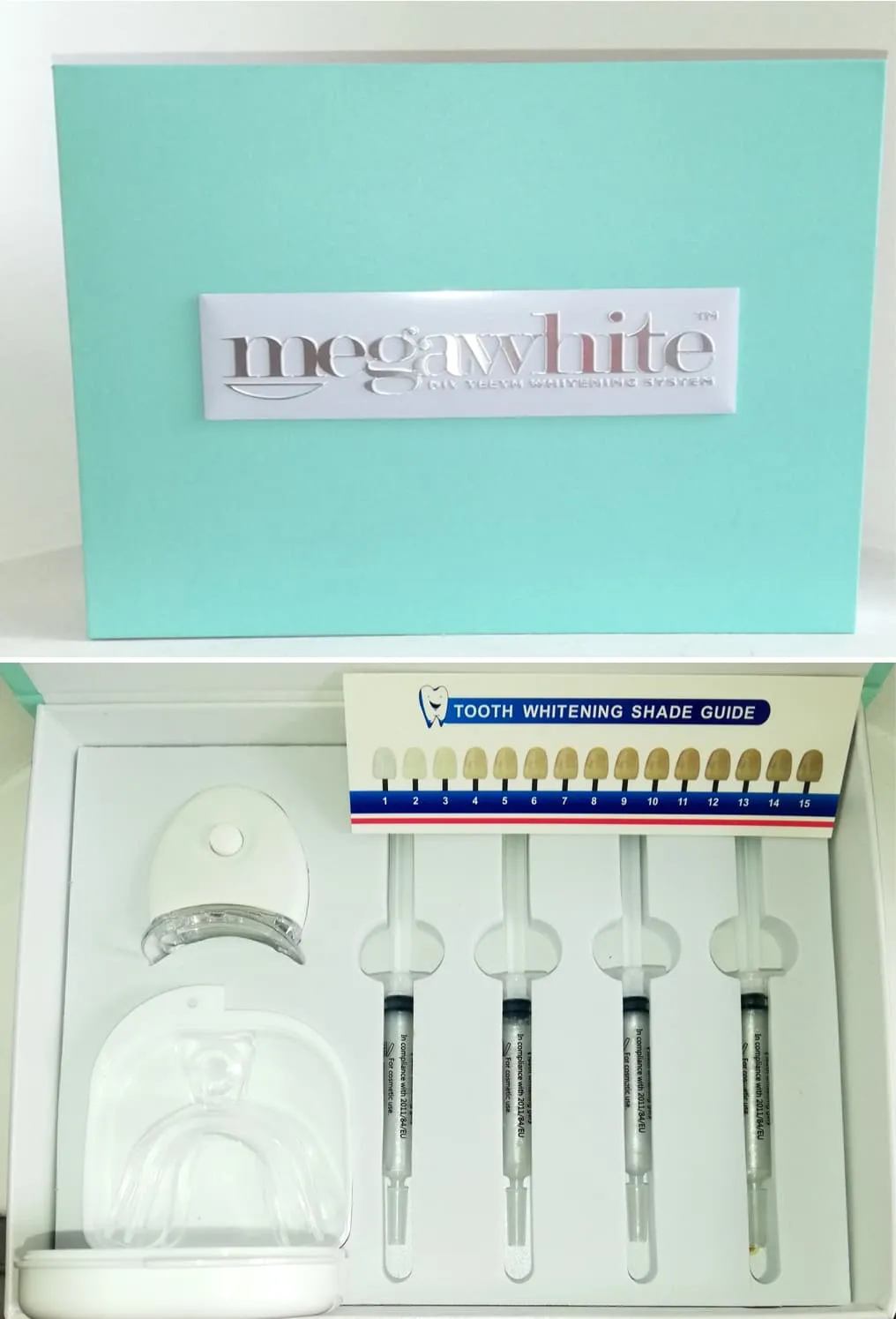
Top 5 Tips for NZ Home Teeth Whitening Kits
Achieving a brighter, more confident smile is now easier than ever with home teeth whitening kits available in New Zealand. These kits offer a convenient and affordable alternative to professional whitening treatments. However, to ensure you get the best results and protect your oral health, it’s crucial to follow some essential tips. This guide provides you with the top 5 tips to maximize the effectiveness and safety of your NZ home teeth whitening kit experience, helping you achieve a dazzling smile from the comfort of your home. Remember to always read and follow the instructions provided with your specific kit for optimal results and to avoid any potential adverse effects.
Choosing the Right Home Teeth Whitening Kit
Selecting the right home teeth whitening kit is the first crucial step towards achieving your desired results. With various options available in NZ, understanding the different types and their suitability for your needs is essential. Consider factors such as the concentration of the whitening agent, the application method (e.g., strips, trays, pens), and any specific considerations like sensitivity. Reading reviews and comparing products can also provide valuable insights. Consulting with a dentist before starting any whitening treatment is always recommended to ensure it’s safe and appropriate for your oral health. Look for kits that are approved and comply with NZ standards to guarantee safety and efficacy. Don’t rush the selection process – a well-chosen kit sets the foundation for a successful and satisfying whitening experience.
Understanding the Different Whitening Agents

Home teeth whitening kits typically use one of two primary whitening agents hydrogen peroxide or carbamide peroxide. Hydrogen peroxide is a stronger and faster-acting agent, often found in higher concentrations in professional treatments. Carbamide peroxide breaks down into hydrogen peroxide, releasing it gradually, which can be gentler on the teeth. The concentration of these agents significantly impacts the whitening effectiveness and potential for sensitivity. Kits with higher concentrations may produce faster results but could also increase the risk of side effects. Understanding the active ingredient and its concentration allows you to choose a kit that aligns with your needs and tolerance level. Always follow the instructions carefully, as exceeding the recommended usage can lead to adverse effects on your teeth and gums. Additionally, some kits may include desensitizing agents, such as potassium nitrate, to minimize discomfort.
Considerations for Sensitivity
Teeth sensitivity is a common side effect of teeth whitening, but it doesn’t mean you can’t achieve a brighter smile. If you have sensitive teeth, look for kits with lower concentrations of whitening agents or those specifically designed for sensitive teeth. These kits often contain desensitizing agents to help minimize discomfort. Consider using a toothpaste designed for sensitive teeth a few weeks before starting your whitening treatment. You can also try using the whitening kit for shorter periods or less frequently than recommended initially. If sensitivity persists or becomes severe, stop using the kit and consult your dentist. They may recommend specific desensitizing treatments or suggest alternative whitening methods. Patience and careful monitoring are key to successfully whitening sensitive teeth without causing undue discomfort. Remember to be gentle with your teeth and gums during brushing and flossing.
Proper Application Techniques
The effectiveness of a home teeth whitening kit heavily relies on proper application. Carefully read and follow the instructions provided with your specific kit to ensure the best results. The application method varies depending on the type of kit you have; for example, strips are applied directly to the teeth, while trays need to be filled with the whitening gel. Make sure to apply the whitening agent evenly to all surfaces of your teeth that are visible when you smile. Avoid getting the whitening agent on your gums, as this can cause irritation. Use the correct amount of product and follow the recommended treatment duration. Consistent application is crucial; missing applications can hinder your progress. If you are using a tray, make sure it fits snugly and does not leak the whitening agent. Pay attention to the recommended frequency and duration to achieve desired results safely. Proper application techniques not only enhance effectiveness but also reduce the risk of side effects.
Preparing Your Teeth Before Whitening
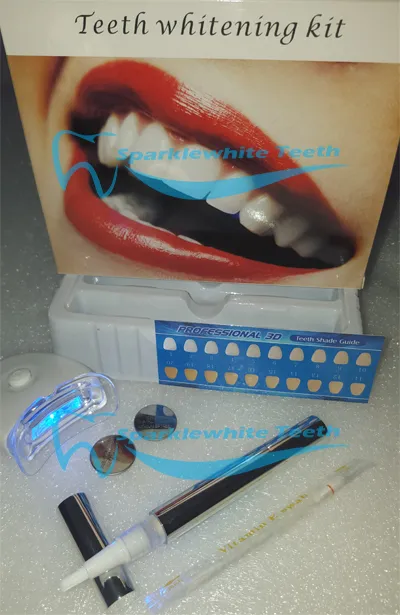
Preparing your teeth before whitening can significantly enhance the treatment’s effectiveness and reduce potential complications. Start by brushing and flossing your teeth thoroughly to remove plaque and food debris. This will allow the whitening agent to come into direct contact with the enamel, maximizing its impact. Ensure your teeth are clean and dry before applying the whitening product. If you have any existing dental work, such as fillings or crowns, be aware that the whitening agent will not affect these surfaces. Whitening your teeth when you have any untreated dental issues, such as cavities, is generally not recommended. Consult with your dentist to address any dental problems before starting the whitening process. By preparing your teeth properly, you create an ideal environment for the whitening agent to work efficiently and safely, ultimately leading to better results.
Applying the Whitening Agent Correctly
Correct application of the whitening agent is paramount for achieving the desired results and minimizing potential side effects. For strips, ensure they are properly aligned and cover the visible surface of your teeth, avoiding contact with the gums. When using trays, apply the recommended amount of gel into the tray and place it over your teeth, ensuring it fits snugly. Remove any excess gel that may seep out to prevent irritation. Follow the kit’s recommended duration for each application. Avoid eating or drinking while the whitening agent is in contact with your teeth. After the recommended time, remove the strips or the tray, rinse your mouth thoroughly with water, and brush your teeth gently. Consistent and precise application, as instructed, is the key to effective and safe home teeth whitening. Make sure to handle the whitening product with care and avoid swallowing any of the agent. If you experience any unusual symptoms, such as excessive sensitivity or gum irritation, discontinue use and consult your dentist immediately.
Maintaining Optimal Whitening Results
Maintaining the results of your home teeth whitening treatment requires conscious effort and consistent habits. After completing your whitening treatment, avoid or minimize the consumption of foods and drinks that can stain your teeth, such as coffee, tea, red wine, and dark-colored berries. Brushing your teeth after consuming these items can help reduce staining. Consider using a whitening toothpaste and mouthwash as part of your daily oral hygiene routine to help maintain brightness. Regular dental checkups and cleanings are also essential for removing surface stains and ensuring your teeth remain healthy. Touch-up whitening treatments may be necessary periodically to maintain your desired level of whiteness. Following these maintenance tips will help you enjoy a brighter, more radiant smile for a long time. Consistency in your oral care routine is key to preserving your investment in teeth whitening.
Dietary Recommendations

Your diet plays a significant role in the longevity of your teeth whitening results. Certain foods and drinks contain pigments that can stain your teeth over time. Minimize your intake of these staining agents, especially immediately after whitening, when your teeth are more porous and susceptible to staining. Common culprits include coffee, tea, red wine, dark-colored sodas, and deeply pigmented fruits like blueberries and cherries. If you consume these items, rinse your mouth with water or brush your teeth soon afterward. Incorporate foods that help keep your teeth clean and healthy, such as crunchy fruits and vegetables like apples and carrots, which can act as natural cleansers. A balanced diet rich in calcium and other essential nutrients supports overall oral health. Making mindful dietary choices is an effective strategy for maintaining your bright, white smile and enjoying long-lasting results from your home teeth whitening kit.
Oral Hygiene Habits for Long-Lasting Results
Excellent oral hygiene habits are critical for extending the life of your teeth whitening results and ensuring overall oral health. Brush your teeth at least twice a day with a fluoride toothpaste. Floss daily to remove plaque and food particles from between your teeth, where a toothbrush cannot reach. Consider using an electric toothbrush, as they often provide more effective plaque removal. Regular use of an antimicrobial mouthwash can help reduce bacteria and freshen breath. Schedule regular dental checkups and professional cleanings to remove plaque, tartar, and surface stains that can affect the appearance of your teeth. Avoiding tobacco products, which are major contributors to tooth discoloration, is also essential. By establishing and maintaining these consistent oral hygiene practices, you can preserve your bright smile and improve the health of your teeth and gums for years to come. Good oral hygiene not only keeps your teeth white but also prevents dental problems.
Potential Risks and Side Effects
While home teeth whitening kits are generally safe when used correctly, it is essential to be aware of potential risks and side effects. The most common side effect is temporary tooth sensitivity, which usually subsides shortly after the treatment. Gum irritation or inflammation can occur if the whitening agent comes into contact with the gums. In rare cases, some individuals may experience more severe reactions. Always adhere to the instructions provided with your kit to minimize these risks. People with certain dental conditions, such as untreated cavities, gum disease, or sensitive teeth, may not be suitable candidates for home teeth whitening and should consult their dentist. Overuse of whitening products can also damage tooth enamel. If you experience any adverse effects, discontinue use immediately and consult your dentist. Being informed about these potential risks allows you to take necessary precautions and make informed decisions about your oral care.
Sensitivity and Irritation

Sensitivity and irritation are among the most frequently reported side effects of home teeth whitening treatments. Tooth sensitivity manifests as discomfort or sharp pain when consuming hot, cold, sweet, or acidic foods and beverages. Gum irritation can appear as redness, swelling, or soreness in the gums. These reactions usually resolve quickly after you stop using the whitening kit or reduce the frequency of applications. You can try using a toothpaste designed for sensitive teeth to help manage sensitivity. Applying the whitening agent carefully, avoiding contact with your gums, can reduce irritation. If symptoms persist or worsen, stop the treatment immediately and seek advice from your dentist. They can offer strategies to relieve discomfort or recommend an alternative whitening approach that is better suited for your specific needs. Monitoring your teeth and gums closely during the whitening process is essential to identify and manage these side effects effectively.
When to Consult a Dentist
Consulting a dentist is advisable before starting any home teeth whitening treatment to ensure it is safe and appropriate for your oral health. If you experience significant sensitivity, gum irritation, or any other concerning symptoms during the whitening process, discontinue use and contact your dentist promptly. Your dentist can assess your teeth and gums, identify the cause of the problem, and recommend appropriate solutions. They can also determine if the whitening treatment is effective for your particular situation and advise on alternative options if needed. If you have existing dental work, like fillings or crowns, your dentist can inform you how the whitening treatment might affect them. Regular dental checkups are crucial for maintaining oral health and addressing any issues that arise during teeth whitening. Your dentist is the best resource for personalized advice and guidance to help you achieve a brighter, healthier smile safely and effectively.