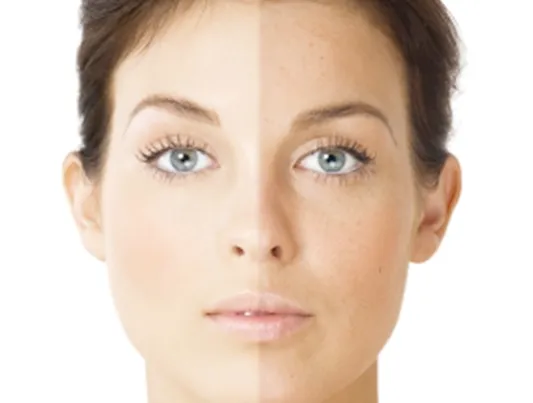
What is Laser Skin Whitening
Laser skin whitening is a cosmetic procedure designed to lighten areas of darkened skin and promote a more even skin tone. It involves the use of laser technology to target and break down melanin, the pigment responsible for skin color. This process can address a variety of skin concerns, including dark spots, sun damage, and hyperpigmentation. The treatment is typically performed by a qualified dermatologist or a licensed skincare professional. The effectiveness of laser skin whitening depends on several factors, including the individual’s skin type, the type of laser used, and the specific skin condition being treated. Multiple sessions are often required to achieve optimal results, and aftercare is crucial to maintaining the desired outcomes. The popularity of laser skin whitening has increased in recent years as people seek effective and relatively non-invasive solutions for achieving brighter, more youthful-looking skin.
How Laser Skin Whitening Works
The process of laser skin whitening revolves around the principle of selective photothermolysis. This means that the laser targets specific chromophores (pigment cells) in the skin without damaging the surrounding tissue. In the case of skin whitening, the laser energy is absorbed by melanin. The laser emits short pulses of light that are absorbed by the melanin, causing it to fragment. These fragments are then naturally eliminated by the body’s immune system. Different types of lasers, such as Q-switched lasers and fractional lasers, can be used depending on the skin type and the condition being treated. The number of sessions required varies depending on the extent of the pigmentation and the individual’s response to the treatment. The entire procedure is generally safe when performed by a trained professional, although some side effects can occur. Understanding how the laser interacts with the skin is crucial for setting realistic expectations and ensuring the best possible results.
Benefits of Laser Skin Whitening

Laser skin whitening offers a range of benefits for those seeking to improve their skin’s appearance. Beyond its cosmetic advantages, the procedure can significantly boost a person’s self-esteem and confidence. The ability to effectively address specific skin concerns makes it a sought-after treatment. This section explores the main advantages associated with this procedure, highlighting the transformative effects it can have on the skin and overall well-being. The following sections will delve into specific areas where laser skin whitening excels, offering detailed insights into how it achieves its results.
Reduced Appearance of Dark Spots
One of the primary benefits of laser skin whitening is the reduction of dark spots, also known as age spots or sunspots. These spots are typically caused by sun exposure and can make the skin appear uneven. Laser treatments target the melanin in these spots, breaking it down and allowing the skin to rejuvenate. The precision of the laser allows for targeted treatment, minimizing damage to the surrounding skin. Over multiple sessions, the appearance of dark spots diminishes, resulting in a more uniform skin tone. The effectiveness of the treatment can vary depending on the depth and size of the spots, but many individuals experience significant improvements. Regular maintenance and sun protection are essential to prevent new dark spots from forming and to maintain the achieved results. This process can lead to a more youthful and radiant complexion. (Image: dark-spots-before-after.webp)
Minimized Hyperpigmentation
Hyperpigmentation, characterized by patches of darkened skin, can be caused by various factors such as acne, inflammation, and hormonal changes. Laser skin whitening effectively addresses these issues by breaking down the excess melanin in the affected areas. The laser’s ability to precisely target the pigmented cells allows for effective treatment with minimal side effects. Fractional lasers, in particular, can stimulate collagen production while simultaneously targeting pigmentation. Multiple sessions are often required to achieve optimal results, with each session contributing to a gradual lightening of the skin. The treatment’s ability to minimize hyperpigmentation can significantly improve skin clarity and texture. After treatment, proper skincare and sun protection are crucial for preventing recurrence and maintaining the improved skin tone. This can lead to more even and balanced skin tone. (Image: hyperpigmentation-treatment.webp)
Even Skin Tone

Achieving an even skin tone is a major goal for many people seeking cosmetic treatments. Laser skin whitening excels at this by addressing the underlying causes of unevenness, such as sun damage and pigmentation issues. By targeting the excess melanin in areas of discoloration, the laser helps to create a more uniform appearance. The treatment can address generalized unevenness and specific areas of concern. The result is skin that appears brighter, more balanced, and more youthful. The improvement in skin tone can boost confidence and enhance overall aesthetics. It’s important to understand that while laser treatments can create significant improvements, maintaining an even skin tone requires consistent skincare and sun protection. An even skin tone is a sign of healthy, well-cared-for skin. (Image: even-skin-tone-results.webp)
Improved Skin Texture
Beyond lightening the skin, laser treatments can also lead to improvements in skin texture. The process of laser skin whitening often stimulates collagen production, which is essential for maintaining firm, smooth, and elastic skin. The laser’s effect on collagen helps reduce fine lines, wrinkles, and imperfections. This contributes to a smoother, more refined complexion. The stimulation of collagen is a secondary benefit. The overall effect is skin that not only appears lighter but also feels healthier and more supple. Combining laser treatments with appropriate skincare routines can further enhance texture improvements. This can result in a more youthful and revitalized appearance. (Image: skin-texture-improvement.webp)
Enhanced Collagen Production
Laser skin whitening often stimulates collagen production. Collagen is a protein that provides structure and elasticity to the skin. As we age, collagen production decreases, leading to wrinkles and a loss of firmness. Laser treatments can help reverse this process by stimulating fibroblasts, which are the cells responsible for producing collagen. This stimulation improves skin firmness, reduces the appearance of fine lines, and enhances overall skin health. The enhanced collagen production contributes to a more youthful and rejuvenated complexion. The benefits of increased collagen can extend beyond cosmetic improvements, supporting the skin’s natural healing processes. Regular treatments, combined with a healthy lifestyle and proper skincare, can maximize the collagen-boosting effects. (Image: collagen-production-laser.webp)
Is Laser Skin Whitening Right for You

Determining if laser skin whitening is the right choice requires careful consideration of individual skin conditions, goals, and expectations. It’s essential to consult with a qualified dermatologist or skincare professional to assess your skin type and concerns. They can evaluate the suitability of the treatment and discuss potential risks and benefits. Factors to consider include your skin tone, the type and severity of pigmentation issues, and any underlying skin conditions. It’s important to have realistic expectations regarding the results and the number of sessions needed. If you have specific skin issues or have sensitive skin, the professional may have better recommendations. Proper understanding of the procedure and commitment to aftercare are crucial for achieving the desired outcomes. Making an informed decision with professional guidance will help ensure that laser skin whitening aligns with your skincare goals. (Image: laser-skin-whitening-suitable-people.webp)
Who Can Benefit from Laser Skin Whitening
Laser skin whitening can benefit a wide range of individuals seeking to address various skin concerns. People with sun-damaged skin, characterized by dark spots and uneven tone, can experience significant improvements. Those with hyperpigmentation issues, such as melasma or post-inflammatory hyperpigmentation from acne, can also benefit from the treatment. Individuals looking to reduce the appearance of age spots and achieve a more youthful complexion are often good candidates. The procedure is also suitable for those who want to improve their overall skin tone and texture. However, the best candidates typically have realistic expectations and a commitment to aftercare and sun protection. Consultation with a dermatologist is crucial to determine individual suitability and to ensure that the treatment aligns with specific skin needs and goals. It can lead to improvements in self-esteem and confidence, providing a more vibrant, healthy skin. (Image: laser-skin-whitening-suitable-people.webp)
Potential Risks and Side Effects
While laser skin whitening is generally considered safe, it’s important to be aware of potential risks and side effects. Common side effects include temporary redness, swelling, and mild discomfort during and after the procedure. Some individuals may experience changes in skin pigmentation, such as hypopigmentation (lightening) or hyperpigmentation (darkening). Other potential risks include blistering, scarring, and infection, though these are rare when the procedure is performed by a qualified professional. Proper aftercare, including avoiding sun exposure and following the dermatologist’s instructions, is crucial to minimizing these risks. It’s essential to discuss all potential risks with your dermatologist before undergoing the treatment. Being informed about the potential side effects helps ensure realistic expectations and allows for appropriate measures to manage any adverse reactions that may occur. If any problems arise contact immediately your doctor to help you. (Image: laser-skin-whitening-procedure.webp)
What to Expect During the Procedure

The laser skin whitening procedure typically involves a series of steps. The process begins with a consultation with a dermatologist or skincare professional. This is followed by a thorough skin assessment to determine the appropriate treatment plan. Before the procedure, the treatment area is cleaned, and a numbing cream may be applied to minimize discomfort. During the treatment, the laser device is used to target the pigmented areas of the skin. The pulses of light from the laser are absorbed by the melanin, causing it to break down. The duration of the procedure varies depending on the size of the treatment area. Multiple sessions are usually required to achieve optimal results. Following the procedure, the skin may appear red and slightly swollen. Understanding the step-by-step process helps patients feel more comfortable and prepared. The dermatologist will provide specific instructions for aftercare to ensure the best possible outcomes. (Image: laser-skin-whitening-procedure.webp)
Aftercare and Maintenance Tips
Proper aftercare is crucial for maximizing the benefits of laser skin whitening and maintaining the results. Immediately after the procedure, it’s essential to protect the treated skin from sun exposure. Use a broad-spectrum sunscreen with a high SPF to prevent further pigmentation and skin damage. Follow any specific instructions provided by your dermatologist or skincare professional regarding cleansing and moisturizing the skin. Avoid using harsh skincare products or exfoliants for a period of time. Regular follow-up appointments may be necessary to monitor progress and address any concerns. Maintaining a consistent skincare routine, including gentle cleansing, moisturizing, and sun protection, is vital for long-term results. By adhering to the aftercare instructions, you can help to ensure the effectiveness of the treatment and preserve your skin’s improved appearance. (Image: laser-skin-whitening-aftercare.webp)