Understanding Hydrogen Peroxide Teeth Whitening
Hydrogen peroxide has become a popular DIY teeth whitening solution, attracting those seeking brighter smiles from the comfort of their homes. This guide breaks down everything you need to know about using hydrogen peroxide for teeth whitening, including its effectiveness, safety precautions, and how to achieve the best results. It’s essential to approach this method with awareness, as it is important to understand both the benefits and potential risks associated with it before you begin. The goal is to empower you with knowledge, allowing you to make informed decisions about your oral care routine and achieve a smile you’ll be proud of.
What is Hydrogen Peroxide?
Hydrogen peroxide is a chemical compound composed of hydrogen and oxygen (H2O2). It’s a mild antiseptic and oxidizing agent, commonly used for cleaning and disinfecting. Available in various concentrations, it is the concentration that dictates its potency and, consequently, how it should be used. The most common concentration for household use is 3%, often found in drugstores. Higher concentrations, up to 6%, may be used in some dental procedures. Due to its oxidizing properties, it can break down stain molecules on teeth, leading to a whitening effect.
How Hydrogen Peroxide Whitens Teeth

The whitening action of hydrogen peroxide comes from its ability to penetrate the enamel surface and oxidize the stain molecules within the teeth. This process breaks down the stain molecules, making them less visible and resulting in a lighter appearance. The effectiveness of hydrogen peroxide depends on factors such as concentration, application time, and the type of stains present. Surface stains, caused by coffee, tea, or tobacco, tend to respond well to hydrogen peroxide. Deeper stains, or those caused by medication or aging, might require more aggressive treatments or professional dental procedures for significant improvement.
Is Hydrogen Peroxide Safe for Teeth Whitening?
When used correctly and in appropriate concentrations, hydrogen peroxide can be a safe option for teeth whitening. However, there are potential risks associated with improper use. Using too high a concentration or applying it for prolonged periods can lead to tooth sensitivity and gum irritation. It’s crucial to follow recommended guidelines and consult a dentist if you have concerns or pre-existing dental conditions. Those with sensitive teeth or dental work (fillings, crowns) should exercise extra caution or consider alternative methods to minimize potential complications and ensure the health of their teeth.
Getting Started Hydrogen Peroxide Teeth Whitening
Before beginning any teeth whitening treatment with hydrogen peroxide, there are a few essential steps to take. The first and foremost is to consult with your dentist. They can assess your oral health, determine if teeth whitening is suitable for you, and provide personalized recommendations. It is also important to understand the various methods of applying hydrogen peroxide, and what materials will be needed. This section provides information about the ideal concentration, the materials needed, and the different methods for your teeth whitening journey.
Choosing the Right Hydrogen Peroxide Concentration

The ideal concentration for teeth whitening at home is typically 3%. This concentration is readily available at most drugstores and is considered safe for general use when following the recommended guidelines. It provides a balance between effectiveness and minimizing the risk of side effects. Using higher concentrations, especially without professional guidance, can lead to increased sensitivity and gum irritation. Always read and follow the manufacturer’s instructions carefully. If you are unsure about the concentration, consult your dentist before starting any treatment to ensure your safety.
Materials You’ll Need
To begin your teeth whitening process, you’ll need a few essential materials. These include: a bottle of 3% hydrogen peroxide solution, a soft-bristled toothbrush, clean cotton swabs, a small cup for rinsing, and dental floss. It is also highly recommended to consult with your dentist, and to follow their recommendation, as not all methods may be suitable for your teeth. These materials ensure safe and effective whitening.
Step-by-Step Guide to Whitening Teeth
There are several ways to use hydrogen peroxide for teeth whitening, each with its own advantages and considerations. The most common methods include brushing, using a mouthwash, and applying it with cotton swabs. Remember to always prioritize your safety and comfort. Start with the simplest method and gradually increase the intensity if necessary. Consistency is key, but never at the expense of your oral health. Here’s a guide to the top 3 methods to try.
Method 1 Brushing with Hydrogen Peroxide

Brushing with hydrogen peroxide involves mixing a small amount of 3% hydrogen peroxide with your regular toothpaste. Gently brush your teeth for about a minute, ensuring you reach all surfaces. Rinse thoroughly with water after brushing. It is crucial to not swallow the mixture, as it can cause stomach upset. This method can be incorporated into your daily routine, but is best used 1-2 times per week. Over-brushing can lead to increased tooth sensitivity. Watch out for any signs of discomfort and adjust the frequency accordingly.
Method 2 Using a Mouthwash
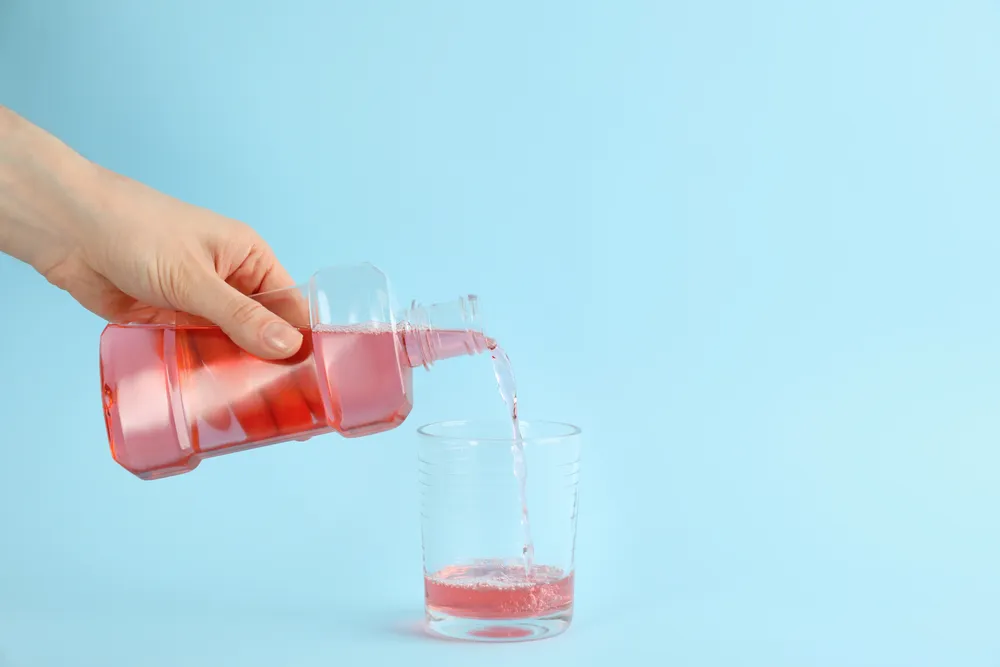
For a mouthwash, mix equal parts of 3% hydrogen peroxide and water. Swish the solution in your mouth for about 30-60 seconds, making sure to reach all areas of your mouth. Then, spit it out and rinse your mouth thoroughly with water. This method is an easy way to expose your teeth to the whitening agent. It is best to use it once daily, or a few times a week. Be careful to avoid swallowing the mixture. If irritation occurs, reduce the frequency of use or discontinue it.
Method 3 Applying with Cotton Swabs
This method involves dipping a cotton swab into a 3% hydrogen peroxide solution and applying it directly to the surface of your teeth. Be sure to apply a thin layer of the solution, and avoid contact with your gums to prevent irritation. Leave it on for about 1-2 minutes, and then rinse your mouth thoroughly with water. This method provides targeted whitening for specific teeth. This method can be used a few times a week for noticeable results. Always practice caution and be aware of any signs of sensitivity.
Important Precautions and Considerations

While hydrogen peroxide can be an effective teeth whitening agent, it is crucial to be aware of potential side effects and who should avoid this method. Proper application, understanding your oral health, and consulting a dentist can help prevent any complications. It is important to balance the desire for a brighter smile with the necessity of maintaining your oral health. Therefore, proceed with care and make informed decisions to prevent complications.
Potential Side Effects
Common side effects of using hydrogen peroxide for teeth whitening include increased tooth sensitivity, gum irritation, and in rare cases, damage to tooth enamel if misused. Sensitivity is often temporary and subsides when the treatment is stopped or reduced. Gum irritation may manifest as redness, swelling, or soreness, and can be avoided by preventing direct contact with the gums. It’s important to discontinue the treatment if you experience any of these symptoms. The long-term effects of frequent use are still being studied, so moderation and dental guidance are crucial.
Who Should Avoid Hydrogen Peroxide Teeth Whitening
Certain individuals should avoid using hydrogen peroxide for teeth whitening. These include children, pregnant or breastfeeding women, and those with sensitive teeth or gum disease. People with existing dental work, such as fillings, crowns, or veneers, should also consult with their dentist before using hydrogen peroxide, as it may not whiten these materials. Individuals with severe tooth decay or untreated cavities should address these issues before considering whitening treatments. It is always best to consult with a dentist to determine the most appropriate course of action for your specific oral health needs.
Maintaining Your White Smile

After achieving your desired level of whiteness, it’s important to maintain your results. This involves adopting good oral hygiene practices and making smart lifestyle choices. Regular dental check-ups are essential for monitoring your oral health and addressing any potential issues. Maintaining your bright smile doesn’t have to be complicated, with the proper care and attention.
Tips for Long-lasting Results
To prolong the effects of your teeth whitening treatment, it’s essential to implement good oral hygiene practices. Brush your teeth twice a day with fluoride toothpaste, floss daily, and rinse with mouthwash. Limit your intake of stain-causing foods and beverages such as coffee, tea, red wine, and berries. If you consume these, rinse your mouth with water afterward or brush your teeth soon after to minimize staining. Avoid tobacco products, as they are a significant cause of tooth discoloration. Consider using a whitening toothpaste as part of your routine to maintain brightness.
When to See a Dentist
Regular dental check-ups are crucial for maintaining optimal oral health, whether you are whitening your teeth or not. Visit your dentist every six months for professional cleanings and check-ups. Inform your dentist about your teeth whitening routine, so they can assess the effectiveness and safety of your methods. See a dentist immediately if you experience persistent tooth sensitivity, gum irritation, or any other unusual symptoms. They can provide professional advice and treatment to address any issues, ensuring your smile remains healthy and bright.