Understanding Hydrogen Peroxide for Teeth Whitening
Achieving a brighter smile is a common goal, and many people turn to home remedies for teeth whitening. Among these, hydrogen peroxide stands out as a readily available and potentially effective option. However, it’s crucial to understand how it works, its benefits, and the potential risks before you begin. This guide will walk you through everything you need to know about using hydrogen peroxide to whiten your teeth safely and effectively. It’s essential to approach this process with caution and always prioritize your oral health. Consulting with a dentist before trying any new teeth whitening method is always recommended to ensure it is appropriate for your specific situation and to avoid any potential complications. Remember that individual results may vary, and it is important to have realistic expectations.
How Hydrogen Peroxide Works
Hydrogen peroxide, a chemical compound composed of hydrogen and oxygen, acts as a bleaching agent. When used for teeth whitening, it penetrates the enamel of your teeth and breaks down the stain molecules, which lightens the color of your teeth. The effectiveness depends on the concentration of hydrogen peroxide and the method of application. Generally, higher concentrations can yield faster results, but they also pose a greater risk of side effects. The mechanism involves oxidation, where the oxygen molecules react with the stain compounds, effectively removing them. This process is similar to how hydrogen peroxide works to clean cuts, but on a much smaller scale and with different application methods. Understanding this process helps in appreciating the importance of following safety guidelines and choosing the right concentration for your needs. Remember, consistent and correct usage is vital for optimal results and to minimize potential damage.
Benefits of Using Hydrogen Peroxide

One of the main advantages of using hydrogen peroxide for teeth whitening is its accessibility and affordability. Compared to professional treatments, hydrogen peroxide is an inexpensive option, readily available at most drugstores. It can provide noticeable results relatively quickly, especially for surface stains caused by coffee, tea, or smoking. Moreover, it’s a convenient method, as you can easily incorporate it into your daily oral hygiene routine at home. When used correctly, it can help to boost your confidence by improving your smile’s appearance. However, it’s essential to note that the effectiveness of hydrogen peroxide varies depending on the severity and type of stains. For some, it may be a sufficient solution, while others might require more intensive professional treatments. Always weigh the benefits against the potential risks and consult with a dental professional.
Risks and Side Effects
While hydrogen peroxide can be effective, it also carries potential risks. The most common side effect is tooth sensitivity, which can occur if the hydrogen peroxide concentration is too high or if used too frequently. Another potential side effect is gum irritation or inflammation, which can happen if the solution comes into contact with your gums for an extended period. In some cases, overuse can lead to enamel erosion, making your teeth more susceptible to decay. It is crucial to use hydrogen peroxide as directed and to avoid swallowing it. If you experience any adverse effects, stop using it immediately and consult your dentist. Remember that everyone’s teeth and gums are different, and what works for one person might not work for another. Careful consideration of these risks is vital to maintaining your oral health.
Safe Hydrogen Peroxide Whitening Methods
Hydrogen Peroxide Concentration

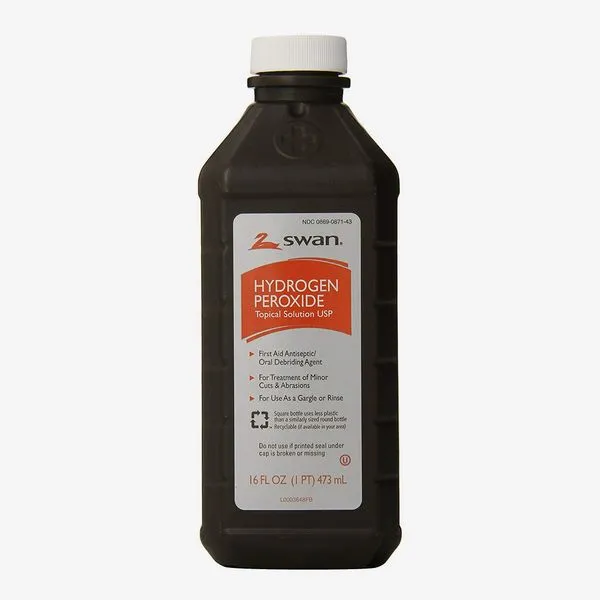
The concentration of hydrogen peroxide is a crucial factor in teeth whitening. For home use, it is generally recommended to use a 3% solution, which is readily available at pharmacies. Higher concentrations, such as 6% or even more, are used in professional settings by dentists. Using a higher concentration at home without proper guidance can increase the risk of side effects. It is always best to start with a lower concentration and monitor your teeth for any signs of sensitivity or irritation. If you are considering a higher concentration, it is essential to consult with your dentist first. Additionally, always read the product label carefully and follow the instructions. Remember that the strength of the solution directly impacts the effectiveness and the potential risks of the treatment, so choose wisely.
Teeth Whitening Techniques
There are several methods for using hydrogen peroxide to whiten your teeth at home. Each method has its own set of instructions and potential risks. It is important to select the method that aligns with your needs and comfort level. Always start slowly and monitor your teeth for any changes. Never overuse any method, as this can lead to enamel damage and increased sensitivity. Consulting a dentist for guidance is highly recommended before trying any of these techniques. Careful application and following the instructions are key to a safe and effective whitening experience. Proper preparation, including brushing your teeth, is crucial for optimal results. Remember to rinse thoroughly after each application and avoid swallowing any solution.
Mouthwash Method
The mouthwash method involves diluting 3% hydrogen peroxide with an equal amount of water. Swish this solution in your mouth for about 30-60 seconds. Be careful not to swallow any of the solution. Afterward, rinse your mouth thoroughly with water. This method is considered a gentle approach but may not yield dramatic results. Repeat this process once or twice a day. If you experience any sensitivity, reduce the frequency of use or stop using it altogether. This method is relatively easy to incorporate into your daily routine. For best results, it’s recommended to brush your teeth beforehand to remove any surface debris. Monitoring for any changes or discomfort is essential for safe use. Remember, consistency is key, but so is moderation.
Brush with Hydrogen Peroxide Method

Another method involves mixing hydrogen peroxide with baking soda to create a paste. Use a small amount of this paste on your toothbrush and brush your teeth gently for about two minutes. The baking soda acts as a mild abrasive, helping to remove surface stains. Rinse your mouth thoroughly afterward. Use this method no more than once or twice a week to avoid damaging your enamel. Pay attention to any sensitivity or irritation and discontinue use if it occurs. This method can be effective for removing some surface stains. Be extra cautious to avoid brushing too aggressively. Proper technique and moderation are essential to avoid any potential harm to your teeth and gums. Always consult with your dentist before starting this method.
Hydrogen Peroxide and Baking Soda Method
This method combines the bleaching power of hydrogen peroxide with the mild abrasive properties of baking soda. Mix a small amount of hydrogen peroxide (3%) with baking soda to form a paste. Brush your teeth gently with this paste for about two minutes, then rinse thoroughly. Use this mixture sparingly, no more than once or twice a week, to avoid damaging your enamel. This combination can be effective for removing stains but should be used with caution. The abrasive nature of baking soda can potentially wear down enamel over time. Monitor your teeth for any signs of sensitivity or changes. Always consult your dentist before using this method. Consistent and careful application is essential for achieving the desired results without compromising your oral health. Remember, moderation is key.
Other Home Whitening Tips
Beyond hydrogen peroxide, there are other steps you can take to enhance your teeth whitening efforts. Maintaining good oral hygiene is paramount. Regular brushing and flossing help to remove surface stains and plaque, which can contribute to a dull appearance. Consider using whitening toothpaste, which can help to remove stains gently. Avoid or limit the consumption of stain-causing foods and drinks, such as coffee, tea, red wine, and berries. Drinking water after consuming these items can also help to minimize staining. Incorporate a balanced diet rich in vitamins and minerals, which is essential for overall oral health. Combining these tips with the proper use of hydrogen peroxide can maximize your chances of achieving a brighter smile. Remember, consistency is the key to maintaining a healthy and radiant smile.
Maintaining White Teeth

Once you achieve your desired level of whiteness, it’s important to take steps to maintain your results. Continue practicing good oral hygiene, including brushing twice a day and flossing daily. Schedule regular dental check-ups and cleanings to remove any stains or plaque buildup. Avoid or limit the consumption of stain-causing foods and drinks. Consider using a whitening toothpaste for maintenance, but always alternate it with a regular toothpaste. Use a straw when drinking beverages like coffee or tea to minimize contact with your teeth. Consider touch-up treatments with hydrogen peroxide as needed, but always follow the guidelines for safe usage. Regularly maintaining a white smile ensures long-lasting results and boosts confidence. Prevention is the best form of maintenance, so incorporate these habits into your daily routine.
Dietary Considerations
Your diet plays a significant role in the appearance of your teeth. Certain foods and drinks are notorious for causing stains. Coffee, tea, red wine, and dark-colored berries are common culprits. Limiting your consumption of these items can help prevent stains from forming. If you consume these, rinse your mouth with water or brush your teeth afterward. Incorporate foods that naturally help to clean your teeth, such as apples and celery. Consume foods rich in calcium, like dairy products or calcium-fortified alternatives, to strengthen your enamel. Avoid sugary snacks and drinks, as they can contribute to tooth decay, which can also affect the appearance of your teeth. Following a balanced diet is not only beneficial for your overall health but also essential for maintaining a bright smile. Proper nutrition enhances the effectiveness of teeth whitening treatments and protects your teeth from future staining.
Professional Teeth Whitening Alternatives
If home whitening methods don’t provide the desired results, or if you are concerned about potential risks, consider professional teeth whitening options. Dentists offer various treatments, including in-office whitening and custom-fitted whitening trays. In-office whitening uses a higher concentration of hydrogen peroxide, yielding faster and more dramatic results under professional supervision. Custom trays provide a more tailored approach, allowing you to whiten your teeth at home, but with stronger, professionally prescribed bleaching agents. Professional treatments are generally safer and more effective than home remedies, as they are administered by trained professionals who can monitor your progress and address any issues that may arise. Consulting your dentist is always the best approach to determine the most suitable teeth whitening method for your needs. They can assess your teeth and gums and recommend the most appropriate solution to achieve a brighter, healthier smile.